
The Dynamic Legacy of Baseball in Chicago
A deep dive into the city’s rich baseball history
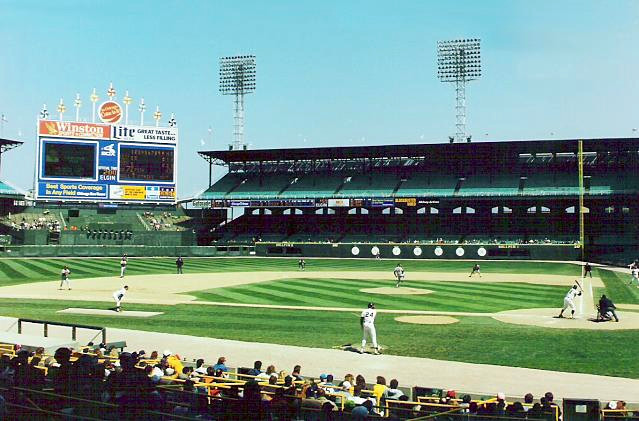
Key Highlights
- Historic Franchises: The evolution and enduring success of the Chicago Cubs and Chicago White Sox, both pioneers in professional baseball.
- Cultural Impact: How baseball contributed to the societal and cultural landscape of Chicago, including its role in racial integration and urban identity.
- Iconic Moments and Venues: From legendary plays and championship droughts to the storied walls of Wrigley Field and the innovation of early baseball.
An In-Depth Exploration of Chicago's Baseball History
Baseball in Chicago is more than just a sport—it is a cultural institution that mirrors the evolution of a city with a rich tapestry of history, triumph, struggle, and community pride. The story of Chicago baseball is woven into the fabric of America’s national pastime, marked by defining moments, legendary figures, and enduring rivalries that resonate through generations. In this exploration, we discuss how the early foundations laid by pioneering teams evolved into a vibrant history that includes monumental achievements, infrastructural innovations, and cultural transformations that continue to define the city.
Early Beginnings and Pioneering Spirit
Founding of the White Stockings and the Birth of Professional Baseball
The origins of baseball in Chicago date back to the mid-19th century, with the formation of the Chicago White Stockings in 1869. This club was instrumental in forging a connection between the city and America's rapidly evolving sport. By 1870, the foundations of what would eventually become an iconic tradition were laid, including the adoption of a joint-stock company model that allowed the team to thrive despite economic and social challenges.
The White Stockings quickly became synonymous with early professional baseball, demonstrating both the tenacity and creativity characteristic of Chicago. Despite facing setbacks—including the devastating losses experienced during the Great Chicago Fire of 1871—the spirit of baseball in Chicago was not extinguished. Recovery and rebirth became a recurring theme in the city’s sports narrative.
The Role of Key Figures
Among the early luminaries was Adrian "Cap" Anson, whose contributions on the field, later as a captain, helped cement the reputation of Chicago’s baseball clubs. Anson’s influence extended beyond his playing days, as he embodied the pioneering spirit that encouraged not only excellence on the field but also innovation in how the game was played. His leadership style set early standards that would shape team dynamics and operational strategies for decades.
The Evolution of the Chicago Cubs
From White Stockings to Cubs
The team initially known as the Chicago White Stockings eventually evolved into what contemporary fans know as the Chicago Cubs. This evolution was marked by structural changes and rebranding that coincided with key developments in American professional baseball. In 1876, the team became a charter member of the National League, solidifying its presence in a burgeoning professional league. This early integration into structured league play provided the foundation for what would become one of the longest-standing franchises in the sport.
The nickname "Cubs" originally emerged due to the youthful nature of the team’s roster. Officially adopted in the early 1900s, the name came to symbolize not only the vigor of the young players but also the potential for future greatness. The transformation of the club's identity paralleled the city’s own growth—both rooted in resilience and a forward-looking determination.
Championship Triumphs and Historic Droughts
The Chicago Cubs have enjoyed moments of glory that have defined eras. They won the National League pennants and celebrated significant World Series victories in 1907 and 1908. Despite these early successes, the team’s history is also marked by a notorious 108-year championship drought, a saga replete with heartbreak and near misses that intensified the passion of its devoted fanbase. That long period of anticipation ended dramatically in 2016, when the Cubs clinched the World Series title, sparking jubilant celebrations across the city and rekindling the magic of Chicago baseball.
This 2016 victory was not just a sports milestone but also a cultural phenomenon that highlighted the resilience and unwavering support of Chicagoans, turning a long-painful wait into a historic comeback celebrated nationwide.
The Rise of the Chicago White Sox
Foundation and Early Success
Parallel to the Cubs’ storied past, the Chicago White Sox have carved out their own significant niche within the city’s baseball history. Established in 1900 as a charter member of the American League, the White Sox provided a counterpoint to the Cubs, catering to different segments of the city’s diverse demographic landscape. Originally playing their home games at South Side Park and later transitioning to Comiskey Park in 1910, the White Sox rapidly established themselves as a competitive force in American League play.
The early 1900s saw the White Sox stage remarkable performances, notably winning the World Series in 1906—a contest famously dubbed the all-Chicago World Series when they faced off against their crosstown rivals. The White Sox's success in that era was fueled by a combination of vigorous talent and innovative management, which set the stage for a dynamic rivalry with the Cubs.
Modern Era Developments
In subsequent decades, the White Sox experienced fluctuating fortunes. They had periods of dominance interspersed with struggles against evolving competition. The team’s narrative is punctuated by memorable achievements, including a division title in 2020, which underscored their continued relevance and ability to adapt in the modern era of baseball.
The development of both teams in the split cultural landscape of Chicago birthed a rivalry that deepened over time, not only in terms of on-field clashes but also in the representation of different parts of the city, with Cubs fans typically aligned with the North Side and White Sox fans from the South Side.
Cultural and Social Influences
Impact on Urban Identity and Community Spirit
Baseball has long been a mirror reflecting the broader cultural dynamics of Chicago. The sport provided a common ground amidst the rapid urbanization and diverse social changes that the city endured through the decades. It became instrumental in unifying communities, with local teams acting as symbols of regional pride and social identity. The intense rivalry between the Cubs and the White Sox, for instance, not only fueled competitive spirit but also represented the distinct identities of different Chicago neighborhoods.
Additionally, baseball in Chicago was a conduit for social integration across race, class, and ethnicity. The city notably played a role in the period of racial segregation within professional sports. Several Negro League teams, such as the Leland Giants, emerged in the city during times when African American players were barred from Major League Baseball. These teams provided an alternative venue for showcasing talent and contributed ably to the eventual push towards integration in baseball. This aspect of Chicago's baseball history underscores the intricate interplay between sports and social justice.
The Cultural Legacy of Historic Venues
One of the most indelible symbols of Chicago baseball is Wrigley Field, home to the Cubs since 1916. Renowned for its ivy-covered outfield walls, historic scoreboard, and enduring charm, Wrigley Field is among the most iconic baseball stadiums in the United States. Its construction in the early 20th century was a landmark event that brought both modern sporting amenities and a sense of nostalgia for the past. Over the years, considerable renovations have been implemented to preserve its historic character while ensuring that it meets contemporary standards.
Similarly, the evolution of other ballparks in Chicago reflects the city’s commitment to revitalizing its sports infrastructure in parallel with urban development. Venues like Comiskey Park have witnessed transformations that echo the broader trends in stadium design and fan engagement, blending tradition with modernity.
Analyzing the Rivalry: Cubs vs. White Sox
Comparative Overview
Central to Chicago’s baseball history is the storied rivalry between the Cubs and the White Sox. More than a mere contest of athletic prowess, this rivalry encapsulates socio-cultural divisions and the differences in fan demographics within the city. The Cubs, with their longstanding heritage as a National League franchise, often represent the historical northern traditions of Chicago. In contrast, the White Sox embody the diversity and resilience of the city’s southern quarters.
The dynamics of this rivalry are best illustrated in the frequencies of key games, championship pursuits, and the overriding community identities that each team reinforces. Over the decades, the matchup between the two has become a culturally significant event that transcends the normal bounds of sports competition.
A Comparative Table of Chicago’s MLB Teams
| Aspect | Chicago Cubs | Chicago White Sox |
|---|---|---|
| Establishment | 1870 (originally White Stockings) | 1900 (as a charter American League team) |
| League Affiliation | National League | American League |
| Historic Venues | Wrigley Field (since 1916) | South Side Park, Comiskey Park |
| Championship Highlights | World Series Wins: 1907, 1908, 2016 | World Series Win: 1906, plus notable division titles |
| Cultural Identity | Associated with the North Side and historical legacy | Embodying the spirit of the South Side and a diverse community |
Legacy and Continuing Impact
Modern Era and Resurgence
The modern era of Chicago baseball is characterized by renewed enthusiasm, technological advancements in the sport, and broader community engagement. For the Cubs, the emotional victory in 2016 not only reconnects fans to the team’s historical greatness but also symbolizes the power of perseverance. This success reinvigorated fan bases and brought a fresh wave of attention to the historical narrative that defines the Cubs.
Conversely, the White Sox have continuously adapted, emphasizing competitive play and strategic effectiveness. Their evolution reflects a broader trend within professional sports, where traditional loyalties meet the challenges of the digital age and modern media.
The Societal Role of Baseball in Chicago
Chicago’s baseball history also highlights the role of sports institutions in societal transformation. The presence of Negro League teams during periods of segregation not only provided a platform for African American athletes but also nurtured an environment where cultural and racial boundaries could eventually be challenged. This endeavor laid the groundwork for later integration into mainstream Major League Baseball, emphasizing the social imperative of equality and representation.
Moreover, baseball has served as a common language that unites disparate communities within Chicago. The games, rivalries, and shared traditions fostered an inclusive spirit that resonated during periods of economic hardship and social strife.
Innovations and Structural Changes in Chicago Baseball
Advances in Game Strategy and Infrastructure
Chicago baseball has been at the forefront of several innovations that redefined the game. From the introduction of the modern pitching rotation and the designation of the umpire as the sole arbiter of play, to the construction of stadiums that blend historic charm with state-of-the-art facilities, each chapter in Chicago’s baseball narrative reflects a continuous drive for improvement and excellence in sports management.
Architects and sports planners have continually reimagined venues like Wrigley Field, ensuring that even as the city modernizes, its respect for traditional aesthetics remains unchallenged. The adaptive reuse of historical stadiums alongside the incorporation of modern technology creates a juxtaposition that is uniquely Chicagoan.
Innovations in training, strategy, and fan engagement have also been visible. Whether through advanced analytics guiding player development or through immersive experiences at stadiums that reimagine the game-day atmosphere, Chicago’s contribution to the evolution of baseball remains dynamic and ever-evolving.
Broader Implications and Future Prospects
Sustaining the Legacy
The legacy of baseball in Chicago is not confined to the past—it sets the stage for the future, encouraging emerging generations to understand and appreciate the deep historical roots of the sport. Programs aimed at youth engagement, cultural preservation, and technological integration serve as bridges between the past and the future, ensuring that the storied traditions of baseball remain vibrant.
As the city evolves, the dual narratives of the Cubs and White Sox continue to serve as examples of resilience and reinvention. The anticipated innovations in game theory, fan interaction, and sports medicine indicate that Chicago baseball will not only continue to honor its rich heritage but also adapt to the thrilling demands of modern sportsmanship.
References
- Sports in Chicago - Wikipedia
- Chicago Cubs - Wikipedia
- Chicago Cubs History Timeline - MLB.com
- Chicago Cubs Statistics - Baseball-Reference
- Chicago's MLB Teams Overview - Hollyland
Recommended

Last updated March 24, 2025