
The World of a Sleeping Child and Their Balloon
Exploring the symbolic and practical connections between children, sleep, and balloons.
Key Insights
- Balloons and sleep are frequently linked in children's narratives and relaxation techniques. Many guided meditations and bedtime stories for children utilize the imagery of balloons, particularly hot air balloons, to promote relaxation, visualize letting go of worries, and aid in falling asleep.
- While seemingly innocuous, latex balloons pose significant choking hazards for young children. Uninflated or broken latex balloons are the leading cause of non-food choking deaths in children under eight due to their ability to conform to the airway.
- The image of a child asleep holding a balloon string can evoke feelings of innocence, dreams, and imaginative journeys. This imagery is commonly used in artwork and media to symbolize the whimsical nature of childhood and the dream world.
The Enduring Image: A Child, Sleep, and a Balloon
The image of a child asleep in bed, gently clutching a balloon string, is a powerful one. It speaks to the innocence of childhood, the realm of dreams, and the simple comfort found in familiar objects. This seemingly simple tableau is rich with symbolism and touches upon various aspects of a child's life, from their imaginative world to practical considerations of safety and relaxation.
This imagery is not just confined to artistic representations; it also resonates in the tools and techniques used to help children relax and sleep. Balloons, with their ability to float and their often vibrant colors, lend themselves well to guided visualizations and bedtime stories designed to calm young minds before sleep.
Balloons in Bedtime Narratives and Relaxation
The concept of using balloons, particularly hot air balloons, as a theme in children's bedtime routines is quite prevalent. This is because the idea of gently floating upwards can be a very calming and soothing image for children transitioning to sleep. Guided meditations and stories often incorporate the idea of a child boarding a hot air balloon, leaving their worries behind as they ascend into a peaceful night sky.
Visualizing Peace: The Hot Air Balloon Metaphor
Many guided meditations for children specifically employ the hot air balloon as a vehicle for relaxation and sleep. The child is encouraged to visualize themselves in a cozy basket, feeling light and safe as the balloon drifts upwards. This imagery helps to distract from anxious thoughts and focus on a feeling of lightness and peace. The act of breathing deeply, often referred to as "balloon breath" in these exercises, is linked to the inflation of the balloon, further reinforcing the connection between breath control and relaxation.
Examples of these narratives include guided meditations titled "Hot Air Balloon Ride" or "Fly Away on the Sleep Hot Air Balloon," which aim to help children release worries and drift off to sleep. The gentle ascent of the balloon in these stories mirrors the desired state of falling asleep – a gradual, peaceful transition.
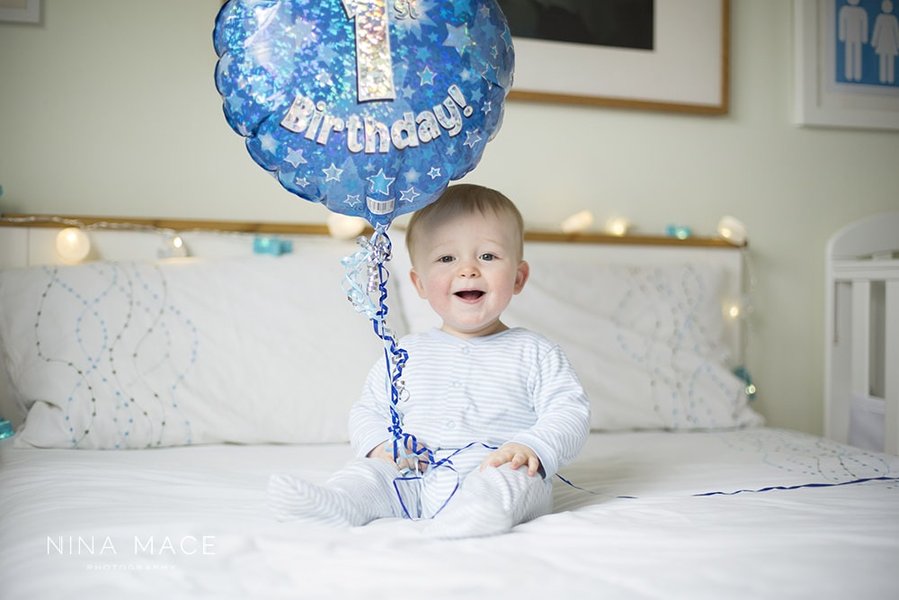
A young child holds a large white balloon, a classic image of childhood joy.
Stories of Floating and Dreams
Beyond guided meditations, bedtime stories also utilize balloon imagery to capture a child's imagination and lead them towards sleep. These stories often involve adventures in hot air balloons, journeys to magical places in the sky, or even the idea of balloons carrying dreams. The whimsical nature of balloons aligns perfectly with the imaginative world of children's literature, making them a natural fit for bedtime tales.
Some stories explore where lost balloons go, creating a sense of wonder and curiosity that can gently lull a child to sleep. The recurring theme is the balloon as a symbol of escape, adventure, and the possibility of gentle, floating movement, all conducive to a sleepy state.
Safety Considerations: The Risks of Balloons for Children
While the imagery of a child with a balloon is often associated with joy and peacefulness, it is crucial to address the significant safety concerns associated with balloons, particularly for young children. Latex balloons, in particular, pose a serious choking hazard.
The Choking Hazard
Uninflated or broken pieces of latex balloons are the leading cause of non-food choking fatalities in children, especially those under the age of eight. The material of latex balloons is uniquely dangerous because it can stretch and conform to a child's airway, creating a seal that is very difficult to dislodge. Unlike hard candies or small toys, the pliable nature of a balloon makes it a significant suffocation risk.
Accidents often occur when children attempt to inflate balloons, suck on them, or play with broken pieces. Even older children should be warned against putting balloons or pieces of balloons in their mouths. For this reason, many safety organizations and experts recommend that latex balloons are not suitable for children under eight years old.
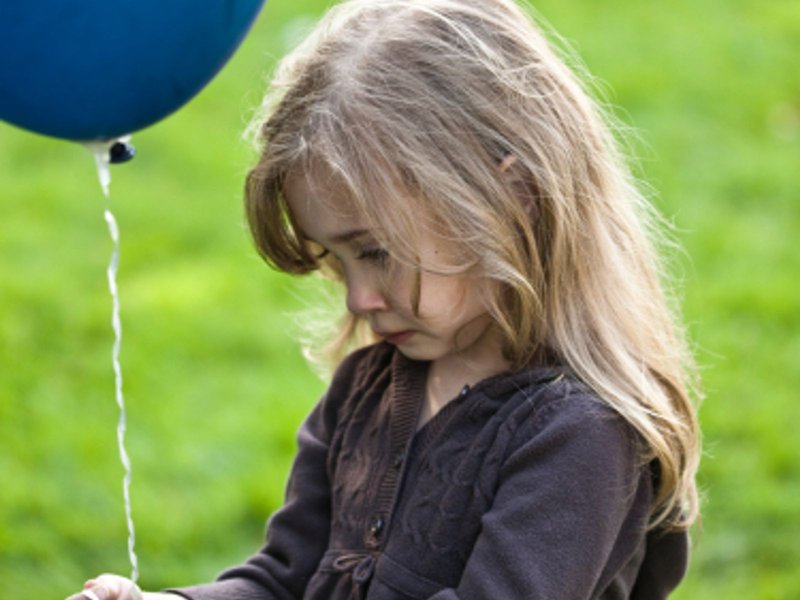
A collection of colorful balloons, highlighting their visual appeal.
Safer Alternatives
While latex balloons carry significant risks, other types of balloons, such as Mylar or foil balloons, can be a safer alternative, although adult supervision is still recommended with any type of balloon. These materials do not pose the same stretching and conforming hazard as latex.
Given the risks, parents and caregivers must be vigilant when children are around balloons, especially latex ones. Promptly collecting and disposing of broken balloon pieces is essential to prevent accidents.
Symbolism and Emotion
Beyond the practical and safety aspects, the image of a child asleep with a balloon string is rich in symbolic meaning. It can represent dreams, aspirations, and the connection between the conscious and subconscious worlds.
Dreams and Imagination
A balloon held by a sleeping child can symbolize the child's dreams taking flight. The balloon, light and untethered (in the dream world), can represent the boundless imagination and the ability of the mind to wander freely during sleep. This imagery is often used in art and literature to evoke a sense of wonder and the magical quality of childhood dreams.
Letting Go and Holding On
The act of holding the balloon string can also symbolize the child's connection to their dreams or perhaps a comfort object that helps them feel secure while they sleep. Conversely, the idea of a balloon drifting away can be used in relaxation exercises to represent letting go of worries or negative thoughts before sleep. The duality of holding on and letting go is a powerful metaphor embodied in this simple image.
Obsession and Comfort
In some cases, a child's strong attachment to balloons might go beyond simple enjoyment and verge on obsession. While not directly related to sleep, this highlights the powerful hold balloons can have on a child's attention and emotions.
For some children, particularly those with autism, a fascination with objects like balloons can be a source of comfort and a way to engage with the world. Understanding the reasons behind such fixations is important for parents and caregivers. While safety remains paramount, recognizing the comfort a balloon might provide is also key.
Visualizing the Connection: A Radar Chart Analysis
To further illustrate the multifaceted relationship between children, sleep, and balloons, let's consider a radar chart. This chart will visually represent the perceived strength of various connections and associations based on the information gathered.
This radar chart provides a visual overview of how strongly connected different aspects are to the theme of children, sleep, and balloons. As you can see, the choking hazard of latex balloons and their use in guided meditations and bedtime stories are particularly prominent associations, reflecting the dual nature of balloons as both a source of comfort/relaxation and a potential danger.
Bedtime Routines and Balloon Breath
Incorporating relaxation techniques into a child's bedtime routine can significantly improve their ability to fall asleep peacefully. "Balloon breath" is one such technique that utilizes the simple concept of a balloon to teach children deep breathing exercises.
The Technique of Balloon Breath
Balloon breath involves having the child imagine their belly is a balloon. As they inhale, they visualize the balloon inflating, and as they exhale, they imagine the air slowly leaving the balloon. This simple visualization helps children focus on their breath, promoting slower and deeper breathing, which is calming for the nervous system. This technique can be particularly helpful for children who experience anxiety or have difficulty settling down before bed.
Guidance for parents on implementing balloon breath often includes making it a playful activity, encouraging the child to feel their belly expand and contract. This tactile and visual approach makes the breathing exercise more engaging and effective for young children.
Case Studies and Anecdotes
While formal studies on the direct correlation between children sleeping with balloons and specific outcomes are limited, anecdotal evidence and related cases shed light on the complexities surrounding children and balloons.
The "Balloon Boy" Hoax
A notable instance where a balloon captured public attention in relation to a child was the "Balloon Boy" hoax in 2009. In this event, a family claimed their six-year-old son was inside a homemade balloon that had floated away. While this was a fabricated story, the incident highlights how the image of a child and a balloon in a precarious situation can capture widespread attention and evoke strong emotional responses.
The "Balloon Boy" case, though a hoax, also touched upon the technical aspects of balloons, with authorities consulting experts to determine if the balloon could plausibly lift a child of that size. This underscores the real-world physics and potential dangers associated with balloons, even in the context of a fabricated narrative.
Balloons in Children's Products and Decor
The appealing visual nature of balloons has led to their incorporation into various children's products and room decor, including items designed for sleep and relaxation.
Themed Beds and Decor
Some children's furniture and decor are specifically designed with balloon themes. For example, there are beds designed to look like hot air balloons, complete with features like sound systems and color-changing lights to create a calming or stimulating environment. These products leverage the positive associations with hot air balloons – adventure, floating, and dreaming – to make bedtime more appealing for children.
Decor like wall decals, mobiles, and lamps featuring balloons are also popular in children's rooms, contributing to a whimsical and dreamlike atmosphere that can be conducive to sleep. These decorative elements reinforce the connection between balloons and the imaginative world of childhood.
A Look at the Data: Balloons and Child Safety
Examining data related to balloon-related injuries and fatalities is crucial for understanding the importance of safety precautions. While the image of a child asleep with a balloon string might be peaceful, the reality of balloon safety, particularly with latex, is a serious concern.
| Hazard Type | Primary Cause | Risk Level (for children under 8) | Prevention |
|---|---|---|---|
| Choking | Uninflated or broken latex balloons | High | Avoid latex balloons for young children, supervise all balloon play, promptly dispose of broken pieces. |
| Suffocation | Bagging (rare, but possible with large plastic bags used for balloons) | Low (but serious) | Keep plastic bags away from young children. |
| Allergic Reactions | Latex sensitivity | Variable | Consider alternative materials if child has latex allergy. |
This table highlights the primary hazards associated with balloons for children, with choking from latex balloons being the most significant risk, especially for younger children. This data underscores the need for parental awareness and caution when introducing balloons into a child's environment.
Exploring the Emotional Landscape
The emotional impact of balloons on children is varied and can range from joy and excitement to comfort and even anxiety. The image of a child asleep with a balloon string can touch upon these different emotional connections.
Joy and Celebration
Balloons are often associated with celebrations, parties, and fun, evoking feelings of joy and excitement in children. The bright colors and floating nature of balloons contribute to this positive association.
Comfort and Security
For some children, a balloon might serve as a temporary comfort object, providing a sense of security. The soft texture and gentle movement of a balloon can be soothing.
Anxiety and Fear
Conversely, some children may be afraid of balloons popping, or the sudden noise can cause anxiety. The fear of losing a balloon can also be distressing for a child.
Balloons in Therapy and Emotional Processing
The concept of using balloons to help children process emotions is also explored in some therapeutic contexts. The idea of attaching worries to a balloon and letting it float away is a common visualization technique used to help children manage anxiety and negative thoughts.
Resources like Childline utilize interactive tools where children can virtually "release" worries by attaching them to a balloon, demonstrating how the balloon can be a symbolic representation of letting go of emotional burdens.
A guided meditation for children using the imagery of a "Magical Worry Balloon" to help release anxieties before sleep.
This video demonstrates a guided meditation specifically designed for children, utilizing the concept of a "Magical Worry Balloon." In this meditation, children are encouraged to imagine their worries as being attached to a balloon and then visualize the balloon floating away, taking their worries with it. This is a powerful technique that leverages the visual and symbolic nature of balloons to help children process and release anxious thoughts, which can be particularly helpful in preparing for a peaceful night's sleep. The gentle guidance and calming imagery aim to soothe the child's mind and promote a sense of lightness and relaxation.
Frequently Asked Questions
Recommended Further Exploration
- Explore different meditation techniques to help children sleep.
- Learn more about common choking hazards and how to prevent them.
- Discover how guided imagery can aid in child relaxation and anxiety reduction.
- Delve into the symbolic meanings of balloons in various forms of media.
References

Last updated May 20, 2025