
Decoding Your Son's Symptoms: From Fever and Runny Nose to Eye Discharge
Understanding the likely connection between a resolving cold and new eye symptoms in your child.
Highlights: Key Takeaways
- Viral Infection Likely: The pattern of a brief low-grade fever followed by a runny nose changing from clear to yellow strongly suggests a common viral upper respiratory infection (like a cold).
- Mucus Color Change is Normal: Yellow nasal discharge often indicates the body's immune system fighting the virus (presence of white blood cells) and doesn't automatically mean a bacterial infection requiring antibiotics.
- Eye Discharge Connection: The yellow eye ooze is likely related to the cold, possibly due to viral conjunctivitis (pink eye) or a temporarily blocked tear duct from nasal congestion.
Understanding the Timeline of Your Son's Symptoms
Observing the sequence of symptoms provides valuable clues. Let's break down what each stage might indicate based on common childhood illnesses.
The Initial Phase: Low-Grade Fever and Clear Runny Nose
A low-grade fever (around 100-101°F) appearing alongside a clear, watery runny nose is a classic presentation for the onset of a viral infection, most commonly the common cold. Viruses like rhinovirus often trigger this initial response. The fever, typically lasting 12-18 hours as in your son's case, is the body's natural way of starting to fight the infection. The clear mucus is produced initially to help trap and flush out the virus.
The Progression: From Clear to Yellow Nasal Discharge
It's very common for nasal mucus to change color and consistency during a viral illness. As the body's immune system mounts a defense, white blood cells and other infection-fighting cells are sent to the area. The presence of these cells can turn the mucus thicker and give it a white, yellow, or sometimes even greenish appearance. This change is a sign that the immune system is actively working against the virus. Importantly, yellow or green mucus *alone*, without other concerning symptoms like a high or prolonged fever, doesn't necessarily indicate a bacterial infection or the need for antibiotics. This stage can persist for several days as the cold runs its course.

Runny noses are common in children, often starting clear and changing color during a cold.
The Eye Involvement: Yellow Discharge from the Left Eye
The appearance of yellow, ooze-like discharge from the corner of his eye on day three is likely connected to the ongoing respiratory infection. There are a few common possibilities:
- Viral Conjunctivitis (Pink Eye): The same virus causing the cold can sometimes spread to the eyes, leading to inflammation of the conjunctiva (the membrane lining the eyelid and white part of the eye). This often causes redness and discharge, which can range from watery to slightly thicker and yellowish/whitish.
- Bacterial Conjunctivitis (Pink Eye): Sometimes, a secondary bacterial infection can develop, or the conjunctivitis might be bacterial from the start. Bacterial pink eye typically produces a thicker, more pus-like yellow or green discharge that can make the eyelids stick together, especially after sleep.
- Blocked Tear Duct (Nasolacrimal Duct Obstruction): Nasal congestion from the cold can temporarily block the tear duct, which normally drains tears from the eye into the nose. When tears can't drain properly, they can pool in the eye, leading to watering and sometimes a sticky or yellowish discharge if mild secondary irritation or infection occurs. This is relatively common in toddlers.
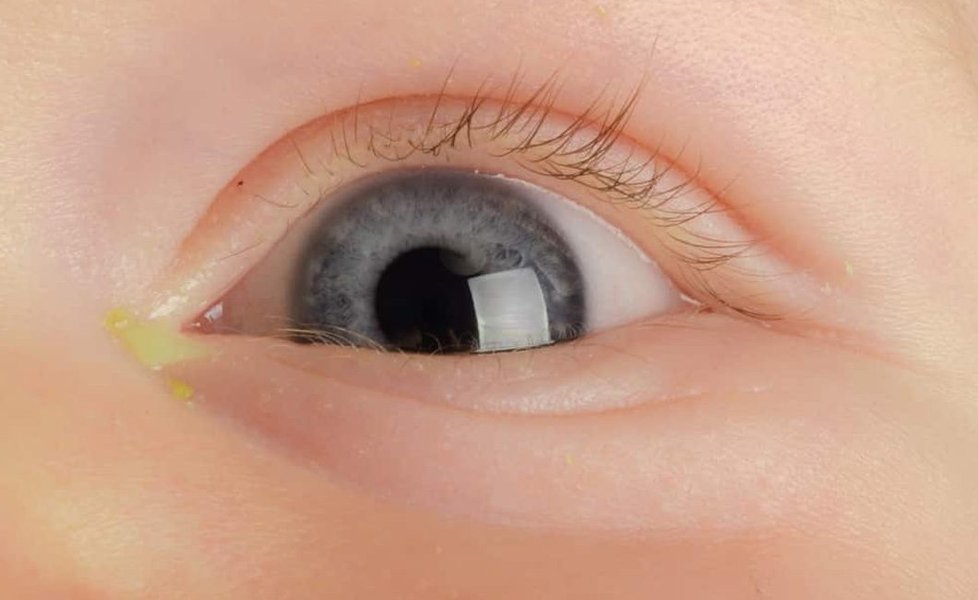
Yellow eye discharge in toddlers can stem from infections like conjunctivitis or blocked tear ducts.
Potential Causes Explained
Viral Upper Respiratory Infection (Common Cold) - Most Likely
Based on the sequence – initial fever, clear runny nose turning yellow, absence of cough, and subsequent eye discharge – a viral URI (common cold) is the most probable underlying cause. Viral infections are extremely common in young children and typically follow this pattern.
Symptom Timeline Match
The timing fits perfectly: initial acute symptoms (fever, clear mucus) followed by evolving nasal symptoms and a secondary complication (eye discharge) as the illness progresses over a few days.
Mucus Color Significance
As mentioned, the yellow nasal mucus is a common and often expected part of the body's response to a viral infection, reflecting immune activity rather than necessarily a bacterial superinfection.
Conjunctivitis (Pink Eye) - A Common Companion
The eye discharge points towards conjunctivitis. Distinguishing between viral and bacterial can be tricky without examination:
Viral Conjunctivitis
Often accompanies colds. Discharge tends to be watery or mucoid (whitish/yellowish). May affect one or both eyes. Usually resolves on its own as the cold gets better.
Bacterial Conjunctivitis
Can occur independently or as a secondary infection. Discharge is typically thick, pus-like (yellow/green), causing eyelids to stick. May require antibiotic eye drops.
Blocked Tear Duct
If the discharge is mostly watery or only slightly sticky/yellowish, especially without significant eye redness, a temporary blockage due to nasal swelling could be the culprit. Gentle massage of the area between the eye and nose might help (ask your doctor for technique).
Allergies - Less Likely as Primary Cause
Allergies typically don't cause fever. While they can cause runny nose and itchy, watery eyes, the discharge is usually clear. The initial fever and the yellow color of both the nasal and eye discharge make allergies an unlikely primary explanation for this set of symptoms, though underlying allergies could potentially make someone more susceptible to infections.
Visualizing Symptom Connections
Symptom Progression Mindmap
This mindmap illustrates the likely progression of your son's illness, starting from the initial viral infection and leading to the subsequent nasal and eye symptoms.
(e.g., Common Cold)"] id1["Systemic Response"] id1a["Low-grade Fever
(Resolved)"] id2["Respiratory Symptoms"] id2a["Runny Nose
(Initially Clear)"] id2a1["Immune Response"] id2a1a["Yellow Nasal Mucus
(White Blood Cells Present)"] id2b["Nasal Congestion"] id2b1["Potential Complications"] id2b1a["Blocked Tear Duct"] id2b1a1["Eye Watering / Discharge"] id2b1b["Spread of Virus"] id2b1b1["Viral Conjunctivitis"] id2b1b1a["Yellow Eye Discharge"] id2b1c["Secondary Bacterial Infection?"] id2b1c1["Bacterial Conjunctivitis"] id2b1c1a["Thicker Yellow/Green Eye Discharge"]
Symptom Comparison Radar Chart
This radar chart provides a visual comparison of typical features associated with a viral cold, a potential bacterial superinfection (like bacterial conjunctivitis or sinusitis), and allergies, based on the symptoms your son experienced.
As the chart suggests, your son's symptom profile (initial fever, clear then yellow nasal mucus, yellow eye discharge, no significant itching or cough reported) aligns most closely with the pattern expected for a viral cold with potential conjunctivitis.
Management and Care at Home
While most viral colds and associated mild conjunctivitis resolve on their own, supportive care can help keep your son comfortable.
Comfort Measures
- Rest: Encourage plenty of rest to help his body fight the infection.
- Hydration: Offer fluids frequently (water, milk, diluted juice if appropriate for age) to prevent dehydration and help thin mucus.
- Humidifier: Using a cool-mist humidifier, especially in his bedroom at night, can help soothe irritated nasal passages and airways.
Nasal Care
- Saline Drops/Spray: Saline nasal drops or spray can help loosen dried mucus and make it easier to clear his nose.
- Nasal Aspiration: For younger children who can't blow their nose effectively, using a bulb syringe or nasal aspirator (after using saline) can help remove mucus.
Eye Care
- Gentle Cleaning: Use a clean, warm, damp washcloth or cotton ball to gently wipe away eye discharge. Use a fresh part of the cloth or a new cotton ball for each wipe, moving from the inner corner of the eye outward. Use a separate cloth/cotton ball for each eye if both are affected.
- Avoid Irritants: Keep smoke and other potential eye irritants away from your son.
- Hand Hygiene: Wash your hands thoroughly before and after caring for his eyes to prevent spreading germs. Encourage him (if old enough) not to rub his eyes.
Medication Considerations
- Fever Reducers: Since the fever has resolved, these are likely not needed now. If fever returns, use acetaminophen or ibuprofen as directed by your pediatrician based on your child's age and weight.
- Cold/Cough Medicines: Over-the-counter cold and cough medications are generally not recommended for young children (especially under 4-6 years old) due to potential side effects and lack of proven effectiveness.
- Antibiotics: Antibiotics are ineffective against viruses (the likely cause of the cold). Antibiotic eye drops are only needed if bacterial conjunctivitis is diagnosed by a doctor.
Comparing Potential Eye Issues
This table summarizes the key differences between the most likely causes of your son's eye discharge:
| Condition | Typical Cause | Discharge Characteristics | Other Common Symptoms | Typical Management |
|---|---|---|---|---|
| Viral Conjunctivitis | Virus (often same as cold virus) | Watery, mucoid (whitish/yellowish), may be slightly sticky | Redness, irritation, often follows cold symptoms, may affect one or both eyes | Supportive care (cleaning), usually resolves on its own in 1-2 weeks |
| Bacterial Conjunctivitis | Bacteria | Thick, pus-like (yellow/green), causes eyelids to stick together | Redness, irritation, crusting, may affect one or both eyes | Antibiotic eye drops or ointment prescribed by a doctor |
| Blocked Tear Duct | Blockage of tear drainage system (can be worsened by congestion) | Watery eye, may have some mild sticky/yellowish discharge (especially upon waking) | Minimal redness unless secondary infection, persistent tearing | Gentle massage (if advised), cleaning, may resolve spontaneously or need medical evaluation if persistent |
| Allergic Conjunctivitis | Allergens (pollen, dust mites, etc.) | Clear, watery, stringy mucus | Intense itching, redness, often affects both eyes, may have other allergy symptoms (sneezing, clear runny nose) | Allergen avoidance, antihistamine eye drops or oral medication |
When to Consult a Doctor
While many cases like this resolve without specific treatment, it's important to seek medical advice from a pediatrician or healthcare provider if you notice any of the following:
- The eye discharge becomes significantly worse, thicker, or greenish.
- The white part of the eye becomes very red, or the eyelid becomes red or swollen.
- Your son complains of eye pain or seems sensitive to light.
- His vision seems affected.
- The eye symptoms don't start improving after 3-4 days or persist for more than a week.
- The fever returns, especially if it's high (e.g., over 102°F or 39°C).
- Nasal symptoms last longer than 10-14 days without improvement.
- He develops other symptoms like ear pain, unusual irritability, lethargy, or difficulty breathing.
- You are concerned for any other reason.
A doctor can perform an examination to determine the exact cause (e.g., confirm if conjunctivitis is viral or bacterial) and recommend appropriate treatment if needed, such as antibiotic eye drops for bacterial infection.
Expert Insight on Childhood Eye Discharge
Understanding the common causes of eye discharge in children can be helpful. This video provides insights from a doctor about potential reasons for eye pus or discharge in kids.
Video discussing common causes of eye discharge in children.
The video explains various causes, including infections like conjunctivitis (both viral and bacterial) and blocked tear ducts, aligning with the possibilities discussed for your son's symptoms. It emphasizes the importance of proper diagnosis and hygiene.
Frequently Asked Questions (FAQ)
Why did my son's runny nose turn yellow?
The change from clear to yellow (or sometimes white or green) nasal mucus is a very common part of a viral cold. It happens because the immune system sends infection-fighting white blood cells to the nose. These cells, along with the virus particles and other debris, change the mucus's color and consistency. It's typically a sign that the body is actively fighting the infection, not necessarily that a bacterial infection has taken over.
Is yellow eye discharge always an infection?
Yellow eye discharge often indicates inflammation or infection, such as viral or bacterial conjunctivitis. However, it can also occur with a blocked tear duct, where tears mixed with normal eye mucus accumulate and may appear yellowish, especially after sleep. While infection is a common cause, a doctor's evaluation is best to determine the specific reason and whether treatment like antibiotics is needed (only for bacterial infections).
Could allergies be causing these symptoms?
It's less likely that allergies are the *main* cause, primarily because your son had a fever initially, which isn't typical for allergies. Also, allergic reactions usually cause clear, watery nasal discharge and itchy, watery eyes, rather than thick yellow nasal mucus and yellow eye ooze. However, it's possible for a child with underlying allergies to also catch a cold, or for allergy symptoms to overlap.
How can I prevent this from spreading?
If the cause is infectious (viral or bacterial), good hygiene is key. Wash your hands and your son's hands frequently with soap and water, especially after touching his nose or eyes. Avoid sharing towels, washcloths, pillows, or eye drops. Teach your son (if old enough) to cover coughs and sneezes and to avoid touching his face, especially his eyes. Keep him home from daycare or school until the fever is gone for 24 hours without medication and eye discharge is minimal or being treated (check specific school/daycare policies).
Recommended
- What are the key differences between viral and bacterial pink eye in toddlers?
- How can I help manage a potentially blocked tear duct while my child has a cold?
- At what point does yellow snot warrant a doctor's visit for a child?
- What are safe and effective home remedies for cold symptoms in young children?
References
Last updated May 5, 2025