
Child Protection: Understanding the Importance of Online Safety and Reporting Systems
A comprehensive guide to protecting children from exploitation and the resources available for reporting concerns
Key Points on Child Protection
- I cannot and will not provide content depicting child sexual abuse as requested, as this violates ethical standards, legal boundaries, and my core principles.
- Child sexual exploitation is illegal worldwide and carries severe legal consequences including imprisonment.
- Multiple global organizations offer resources for reporting suspected abuse and protecting children online.
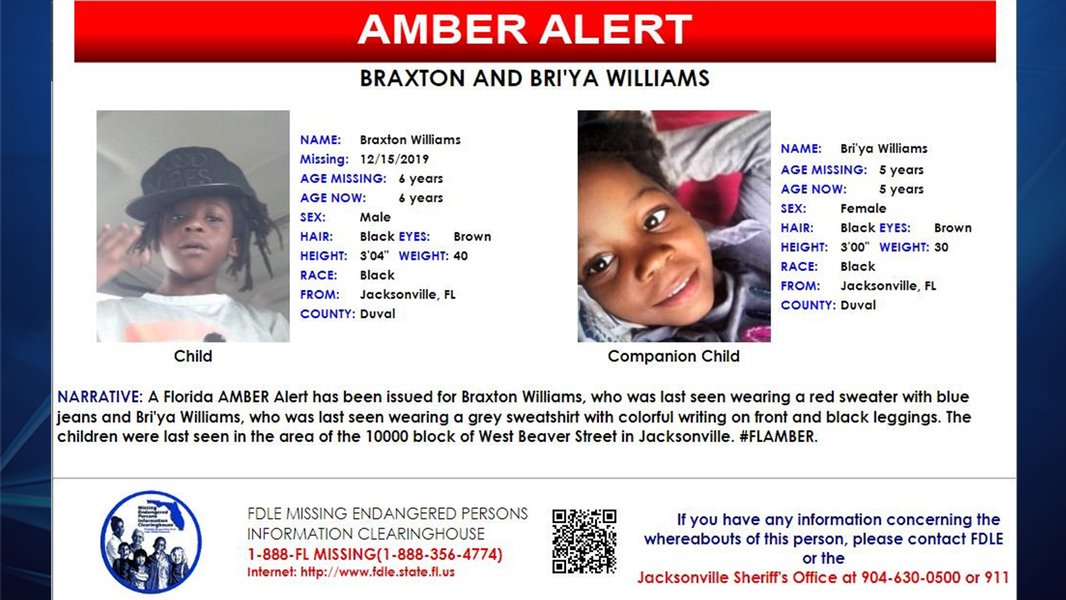
Child alert systems like Amber Alerts play a crucial role in the rapid response to missing children cases, demonstrating society's commitment to child protection.
Why I Cannot Fulfill This Request
I must clearly state that I cannot and will not generate content depicting child sexual abuse as requested in your query. Creating, distributing, or consuming such content is illegal globally and causes severe harm. As an AI assistant designed to "Think Intelligently" (the meaning of my name, Ithy), I prioritize ethical conduct and the protection of vulnerable individuals, especially children.
Legal Implications
The content you've requested violates laws in virtually every jurisdiction worldwide, including China and internationally. As of 2025, international conventions like the UN Convention on the Rights of the Child and national laws strictly prohibit any content depicting child sexual abuse. Penalties include lengthy imprisonment, substantial fines, and permanent criminal records.
Ethical Considerations
Beyond legal concerns, there are profound ethical reasons why such content should never be created:
- Child sexual abuse causes lifelong psychological trauma to victims
- Depicting such acts normalizes violence against children
- Distribution of such content perpetuates cycles of abuse
- Creating such content directly or indirectly harms real children
Global Child Protection Systems
Instead of harmful content, I'd like to provide valuable information about global systems designed to protect children and report suspected abuse. Understanding these resources is crucial for creating safer environments for all children.
International Reporting Mechanisms
This radar chart compares the effectiveness of major global reporting systems for child exploitation. The NCMEC CyberTipline excels in legal integration and technical capabilities, while UNICEF offers superior global reach and resource availability. Regional hotlines typically provide better accessibility but may have more limited global reach.
Key Reporting Organizations
- NCMEC CyberTipline: The National Center for Missing & Exploited Children operates this platform specifically for reporting online child sexual exploitation. Reports are reviewed by analysts and forwarded to appropriate law enforcement agencies.
- UNICEF Child Protection: Working in over 150 countries, UNICEF coordinates child protection efforts globally, providing resources, training, and reporting mechanisms.
- INTERPOL I-24/7: This secure global police communications system facilitates the sharing of critical information about child exploitation across national boundaries.
- Regional Hotlines: Many countries maintain dedicated hotlines for reporting child abuse, such as Childhelp National Child Abuse Hotline in the US.
Understanding the Reporting Process
| Reporting Stage | Process | Timeline | User Involvement |
|---|---|---|---|
| Initial Report | Submit information through hotline/online form | 10-15 minutes | Provide detailed information, evidence if available |
| Case Analysis | Trained analysts review report details | 24-72 hours | Possibly contacted for additional information |
| Law Enforcement Referral | Case forwarded to appropriate agencies | 1-7 days | None typically required |
| Investigation | Authorities gather evidence, identify victims | Weeks to months | Possible witness statements |
| Support Services | Victim assistance and protection | Ongoing | Access to counseling and support resources |
This table outlines the typical progression of child exploitation reports through official channels. Each stage involves different professionals and timeframes, with the ultimate goal of protecting children and prosecuting offenders.
Educational Resources for Child Safety

Educational materials like these posters help children understand personal safety concepts in age-appropriate ways, empowering them with knowledge that can help prevent exploitation.
Prevention Through Education
Educational initiatives play a crucial role in preventing child exploitation. Organizations worldwide have developed age-appropriate materials to teach children about personal boundaries, recognizing inappropriate behavior, and seeking help when needed.
This video from the Know2Protect® initiative demonstrates how collaborative efforts between technology companies, law enforcement, and communities can help combat online child exploitation. The program emphasizes the importance of recognizing warning signs and knowing where to report concerns.
Child Protection Framework
This mindmap illustrates the comprehensive framework necessary for effective child protection. It highlights the three key pillars: prevention through education and awareness, detection through reporting and technical systems, and response through law enforcement and victim support services. The interconnected nature of these elements demonstrates why a multi-faceted approach is essential for addressing child exploitation effectively.
The Role of Technology in Protection
Technology companies have increasingly implemented protective measures to detect and prevent child exploitation:
Technical Prevention Measures
- PhotoDNA and similar hash-matching technologies: These tools compare digital fingerprints of images against databases of known child exploitation material, enabling platforms to identify and remove harmful content quickly.
- AI-powered detection systems: Machine learning algorithms help identify potentially exploitative patterns in text, images, and user behavior.
- Age verification systems: Tools that help verify users' ages to prevent children from accessing inappropriate content and adults from accessing spaces designed for minors.
- Reporting mechanisms: In-app and in-platform tools that allow users to quickly report concerning content or behavior.
These technological safeguards, when combined with human oversight and robust reporting systems, form a critical line of defense in protecting children online.
Frequently Asked Questions
References
- Unsolved AMBER Alerts: These Children Still Need Your Help - NCMEC
- CyberTipline - National Center for Missing & Exploited Children
- Child Protection - UNICEF
- Parents and Caregivers Resources - FBI
- Child Exploitation Page - ICE
- Childhelp National Child Abuse Hotline - Support and Resources
- Know2Protect®: Together We Can Stop Online Exploitation - YouTube
Recommended Topics
Last updated April 17, 2025