
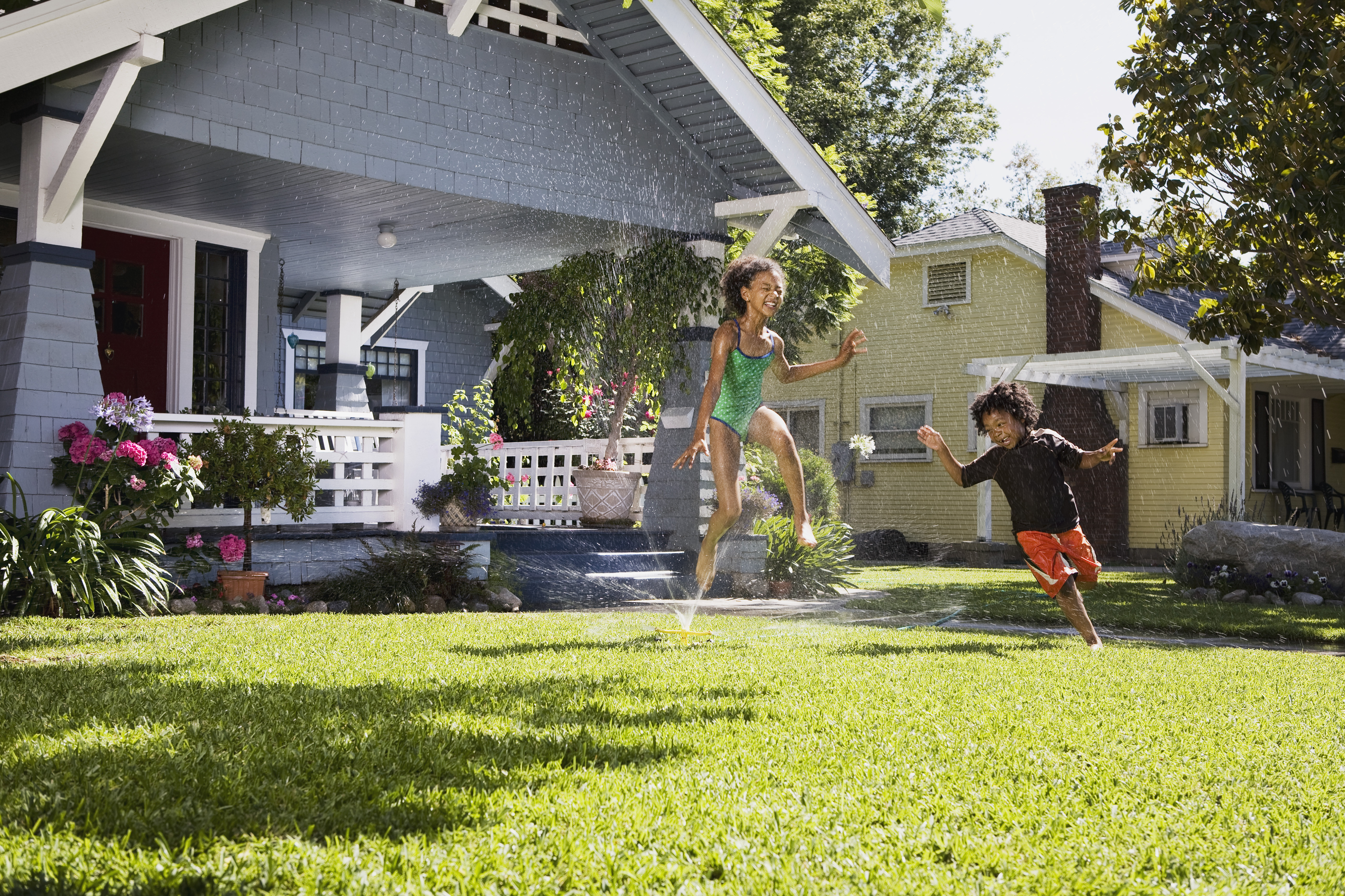
Children Playing in Front of the House
Exploring the benefits, safety guidelines, and cultural significance of outdoor play
Key Takeaways
- Comprehensive Benefits: Outdoor play enhances physical health, mental well-being, and social skills while fostering creativity and resilience.
- Essential Safety Measures: Effective supervision, clear play boundaries, and proper protective gear are crucial to maintain a safe environment.
- Cultural and Educational Impact: Beyond health benefits, the scene of children playing in front of their homes remains a powerful symbol of community, creativity, and childhood wonder.
Introduction
The sight of children playing in front of a house is a timeless image that resonates with people from all walks of life. It encapsulates the spirit of childhood, where freedom, exploration, and imaginative play converge in a familiar neighborhood setting. This scene provides not only heartwarming nostalgia but also tangible benefits for childhood development. In this comprehensive discussion, we will explore the diverse benefits of outdoor play, review critical safety recommendations, and delve into the cultural and educational significance of such everyday moments.
Benefits of Outdoor Play
Physical Health and Development
Outdoor play is a vital component of physical development in children. Engaging in activities outside the confines of indoor spaces promotes vigorous exercise that strengthens muscles, refines coordination, and improves balance. Natural light exposure helps regulate circadian rhythms and even plays a role in reducing the risk of nearsightedness, a condition that has seen rising prevalence among children in more screen-centric times.
Activities such as running, jumping, cycling, or simply playing tag contribute to cardiovascular health. The varied terrain of front yards and neighborhood streets encourages children to constantly adjust their movements, which enhances motor skills and spatial awareness. These daily activities are fundamental to building a resilient and healthy body.
Mental Well-Being and Emotional Growth
Time spent outdoors significantly improves mental health and emotional stability. Nature and open spaces help reduce stress and anxiety levels, while also promoting relaxation. The sounds of birds chirping, the feel of a gentle breeze, and the play of light and shadow can be soothing, enhancing emotional resilience in young minds.
Outdoor play fosters creativity and critical thinking. Without strict guidelines or the constraints of written instructions, children naturally engage in imaginative games that challenge their problem-solving skills. Whether it’s pretending a small pile of leaves is a treasure trove or turning a simple stick into a magic wand, the open setting enhances cognitive development.
Social Interaction and Community Ties
When children play in shared spaces, they learn the nuances of social interaction. These interactions teach them valuable lessons about sharing, negotiating, conflict resolution, and empathy. Neighbors who occasionally watch or join in further strengthen community bonds and create a safer environment for all residents.
Social play encourages children to develop friendships and feel a sense of belonging, which is crucial for healthy psychological development. These experiences can also instill community values that may persist into adulthood.
Development of Life Skills
Outdoor play is often a child’s first encounter with challenges and boundaries. Children test their abilities, learn risk management, and explore trial and error in a natural environment. This kind of play lays the groundwork for future problem-solving skills, decision-making, and self-confidence.
By engaging in free play, children also gain an intuitive understanding of cause and effect, which is fundamental in scientific thinking and logical reasoning. The informal learning that occurs outside the structured environment of a classroom is uniquely beneficial for fostering innovative minds.
Safety Considerations for Outdoor Play
Active Supervision
Supervision is the cornerstone of ensuring safety during outdoor play. It is important to adapt the level of oversight based on the age and maturity of the children. For younger children, constant presence is key, while older kids may benefit from having clear, pre-established rules that allow for some level of independent play with periodic check-ins.
Active supervision includes setting clear boundaries, such as designating specific areas where children are allowed to play safely. This might be confined to the front yard or a nearby park, with a gradual expansion of freedom as children demonstrate responsibility.
Defining and Enforcing Play Boundaries
Establishing clear play boundaries is essential to ensure children do not wander into hazardous areas. For example, play near the street should be minimized unless proper precautions are in place, such as educating children on road safety and implementing physical boundaries like fences.
It is recommended to use markers or natural landmarks to set the play area. As children grow older and become more aware of risks and safety protocols, they can be gradually introduced to larger play areas with defined limits.
Safety Equipment and Precautions
In addition to vigilant supervision, the use of appropriate safety gear cannot be overstated. When engaging in activities that involve running, cycling, or skating, children should wear helmets, knee pads, and other necessary protective equipment. This not only minimizes the risk of injury but also instills a routine of safety consciousness for future endeavors.
Regular inspection of the play area is also fundamental. Before allowing children to play, check for potential hazards such as sharp objects, broken glass, or any debris that could pose a risk. Keeping the play environment clean and well-maintained enhances safety significantly.
Weather Awareness and Health Precautions
Outdoor play is greatly influenced by weather conditions. While a sunny day can be invigorating, it also calls for measures to prevent overheating, sunburn, and dehydration. It is advisable to have children wear wide-brimmed hats, use sunscreen with an appropriate SPF, and stay hydrated by drinking water regularly.
Parents and caregivers should monitor weather forecasts and be prepared to adjust outdoor activities accordingly. For instance, during extremely hot or stormy conditions, it might be safer and more beneficial to move the activities indoors.
Age-Appropriate Guidelines for Different Play Environments
Guidelines for outdoor play must consider the child’s age and developmental stage. Younger children require more structured environments with closer supervision and limited boundaries, whereas older children can handle increased independence but should still adhere to safety protocols.
Maintaining a flexible approach that evolves with the child’s abilities is critical. In early education settings, teachers and caregivers can facilitate outdoor play by integrating age-appropriate challenges that encourage both learning and safe risk-taking.
Cultural and Aesthetic Significance
A Symbol of Community and Innocence
The image of children playing in front of their homes is more than just a scene from everyday life—it is a cultural symbol that reflects community bonds and the essence of childhood. For many, this image evokes memories of carefree days, local camaraderie, and a brighter, more connected past.
In artistic representations—from paintings to photographs—this scene is often used to underscore themes of joy, innocence, and the simplicity of life unburdened by the pressures of modern society. It carries a nostalgic value and continues to inspire a sense of unity and shared cultural identity.
Artistic Depictions and Photography
Photographers and illustrators frequently capture the charm of children playing outside their homes. These images serve commercial, educational, and artistic purposes, offering a visual narrative of community life. Stock photos and vector graphics are commonly sourced from these scenes, highlighting playful interactions, spontaneous creativity, and the subtle details of neighborhood aesthetics.
Moreover, these images are utilized in various design projects, publications, and social media campaigns that aim to evoke emotional responses and promote family-friendly environments. The portrayal of outdoor play reinforces the ideals of healthy living and community engagement.
Educational Impact and Early Childhood Learning
Educators and early childhood programs have increasingly integrated outdoor play as a core component of their curriculum. Studies indicate that experiential learning in outdoor settings improves academic performance, enhances attention spans, and fosters creativity. In these environments, children not only develop physical and social skills but also learn essential lessons in problem-solving and risk assessment.
The benefits extend beyond the immediate physical benefits—outdoor play in educational settings is crucial in promoting adaptive learning and hands-on exploration. Children are encouraged to ask questions, experiment with their environment, and even learn environmental stewardship, forming the basis of lifelong learning habits.
Integrating Safety and Leisure: A Practical Guide
Comparative Safety Guidelines for Various Age Groups
Below is a table that outlines some of the key safety considerations for different age groups when children play in front of the house:
| Age Group | Supervision Level | Safety Measures | Activity Recommendations |
|---|---|---|---|
| 0-4 years | Constant and immediate supervision | Play in a confined area, safety-proofed surfaces, helmets if riding | Simple games, ball play, guided exploration |
| 5-9 years | Frequent checks with clear boundaries | Defined play zones, basic road safety rules, appropriate gear | Biking, tag, simple sports, creative play |
| 10+ years | Intermittent supervision with established rules | Awareness of local hazards, self-monitoring practices, risk management | Team sports, cycling on safe paths, innovative games |
This table serves as a practical guide for parents, caregivers, and educators, providing a snapshot of how safety and freedom can be balanced as children grow and develop greater self-reliance.
Creating a Safe and Stimulating Environment
For families and communities seeking to optimize the environment for outdoor play, it is important to:
- Regularly inspect the play area for physical hazards.
- Establish clear rules and boundaries for children.
- Ensure the use of protective gear when necessary.
- Educate children on basic safety protocols including road awareness and stranger danger.
- Adjust activities based on weather conditions and environmental factors.
These measures not only protect the children but also instill habits that contribute to a lifetime of mindfulness in personal safety and responsibility.
Implementing Best Practices in Daily Life
For Parents and Caregivers
Parents and caregivers play a crucial role in maximizing the benefits of outdoor play while minimizing risks. Here are several best practices:
- Regular Communication: Discuss plans for outdoor play and establish clear guidelines with children beforehand. Explain the significance of safety rules and why boundaries are important.
- Active Engagement: Instead of merely observing, actively participate in play sessions. This engagement can help in quickly addressing any potential issues and increases the overall enjoyment of the activity.
- Flexibility: Adapt supervision levels according to the child’s maturity and the complexity of the play environment. Adjust rules as children demonstrate better risk assessment and decision-making skills.
- Emergency Readiness: Always have a basic first-aid kit available, and ensure that caregivers are trained in basic first aid and CPR. Keeping a mobile phone nearby for emergencies is also advisable.
For Educators and Early Childhood Programs
Educational institutions and care centers can integrate structured outdoor play as part of their curriculum by:
- Organizing outdoor learning activities that blend physical exercise with curriculum-based tasks, such as nature scavenger hunts or group sports.
- Incorporating lessons on environmental responsibility, where children learn how to appreciate and safeguard the natural elements of their play area.
- Scheduling regular check-ins and updates for staff regarding supervision protocols and safety measures. This helps maintain an environment that promotes both fun and learning.
- Using diverse play materials and equipment that encourage creativity and cooperative play, such as building blocks for outdoor constructions, sports equipment, or simple water-based activities during warm weather.
Integrating these practices not only boosts the immediate health and enjoyment of the children but also lays a strong foundation for lifelong skills and appreciation for community interaction.
Conclusion
In summary, the image of children playing in front of the house represents far more than a simple leisure activity—it is a multi-faceted experience that enriches physical health, mental well-being, social skills, and community ties. The benefits of outdoor play extend into every aspect of childhood development by encouraging creativity, fostering resilience, and building essential life skills. By coupling these benefits with robust safety measures, such as active supervision, clear play boundaries, and appropriate equipment, parents, caregivers, and educators can create a nurturing environment that supports growth and learning. Additionally, the cultural and aesthetic significance of this scene serves as a reminder of childhood innocence and community togetherness, making it an enduring symbol in both art and everyday life.
References
- Outdoor Play and Safety for Children in ECE - CDC
- Playing Outside: Why It’s Important for Kids - HealthyChildren.org
- Outdoor Play Safety Tips - Pathways.org
- Basic Tips to Keep Children in Child Care Safe Outdoors - ChildCare Extension
- Backyard Safety - HealthyChildren.org
- Benefits of Outdoor Play for Kids - Miracle Recreation
- Benefits of Outdoor Play: Why It Matters - CHOP
- Benefits of Outdoor Play & Less Screen Time - Big Life Journal
- 6 Reasons Children Need to Play Outside - Harvard Health
- The Benefits of Outdoor Play - NRPA
- Benefits of Outdoor Play in Early Childhood Development - CMOSC
- Outdoor Play for Children - Medical News Today
- Taking Your Vitamin N - Tinkergarten
- 10 Outdoor Safety Tips for Parents - Frontpoint Security
- Child Safety While Playing Outdoors - The School Run
More
Last updated February 19, 2025