
The Intricate Relationship Between Chimeras and the SARS-CoV-2 Furin Cleavage Site
Exploring the Concepts of Genetic Chimerism and a Key Viral Feature
Key Insights
- Genetic Chimeras: A chimera in genetics refers to an organism or tissue composed of cells with different genetic makeups, originating from two or more individuals. This can occur naturally or be created artificially for research or therapeutic purposes.
- SARS-CoV-2 Furin Cleavage Site: The SARS-CoV-2 spike protein contains a unique furin cleavage site (FCS) at the S1/S2 boundary. This site, consisting of a polybasic insertion (PRRA), is crucial for the virus's ability to efficiently infect human cells and contributes to its pathogenesis.
- Lack of Direct Link: While both concepts involve combining different genetic elements, there is no direct evidence suggesting that the SARS-CoV-2 furin cleavage site specifically resulted from a human-specific chimera in the biological sense of combining cells or tissues from different individuals to form the site. The discussion around the FCS origin often relates to potential recombination events or laboratory manipulation, distinct from the biological process of forming a chimera.
Understanding Genetic Chimerism
In the realm of genetics and biology, the term "chimera" refers to a single organism composed of cells with distinct genotypes. This is analogous to the mythological creature Chimera, which was a hybrid of different animals. In biological terms, a chimera arises when tissues or cells from two or more genetically different individuals are present in one organism. This can happen through various natural or artificial processes.
Natural Occurrences of Chimerism
Natural chimerism is less common in humans but can occur in several ways. One notable example is microchimerism, where a small number of cells from one individual are present in another. This often happens during pregnancy, where there can be an exchange of cells between the mother and the fetus. These fetal cells can persist in the mother's body for decades, and maternal cells can also be found in the child. Another form of natural chimerism can occur in fraternal twins where, in rare cases, cell exchange happens in utero, leading to one or both twins having a mix of cells from both genetic lines. This is known as tetragametic chimerism, usually resulting from the fusion of two fertilized eggs.
In plants, chimeras are relatively common and can result in fascinating visual variations, such as different colored sectors on leaves or flowers, due to tissues with different genetic makeups growing alongside each other.
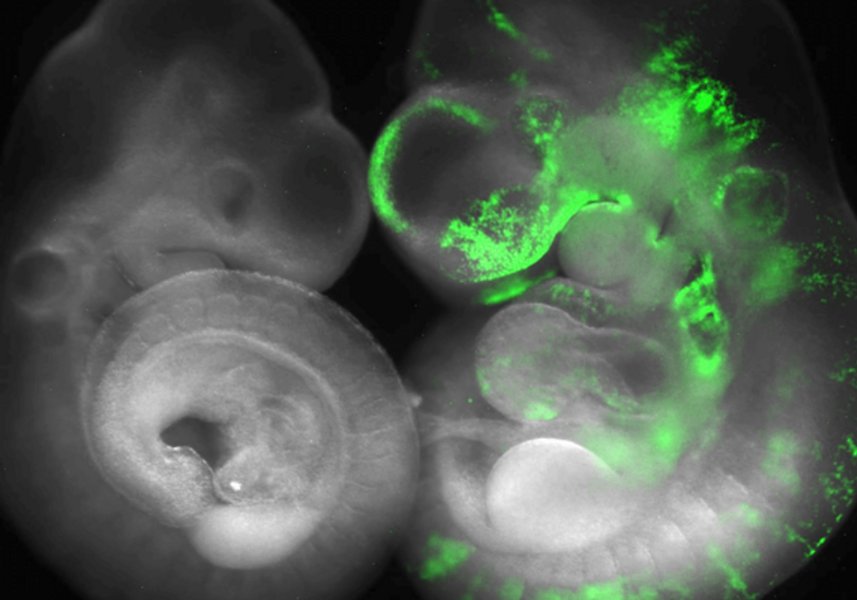
An illustration representing genetic chimerism, showing an organism with distinct cell populations.
Artificial Creation of Chimeras
Artificial chimerism is a significant area of research. Scientists create chimeras by introducing cells from one organism into another. This is often done with embryonic stem cells or induced pluripotent stem cells. The primary goals of creating artificial chimeras include:
- Studying developmental processes and cell fate.
- Generating animal models for human diseases.
- Potentially growing human organs in animals for transplantation.
Significant advancements have been made in creating human-animal chimeras, such as those involving human cells in pig or monkey embryos. These experiments raise important ethical considerations that are actively debated within the scientific community and the public.

An image depicting a human-mouse chimera, used in research.
Chimerism in Molecular Biology
In molecular biology, the term "chimera" can also refer to a single DNA sequence or protein that is a hybrid of sequences from different origins. This can occur naturally through processes like gene fusion or recombination, leading to the creation of chimeric genes and proteins with novel functions. Artificially created chimeric DNA sequences or proteins are valuable tools in genetic engineering and protein engineering, allowing scientists to combine desirable features from different sources.
For example, chimeric proteins can be designed by combining domains from different proteins to create new molecules with altered or enhanced properties. This has applications in developing new therapeutics, such as chimeric antibodies, which combine parts of animal antibodies with human antibodies to reduce immunogenicity.
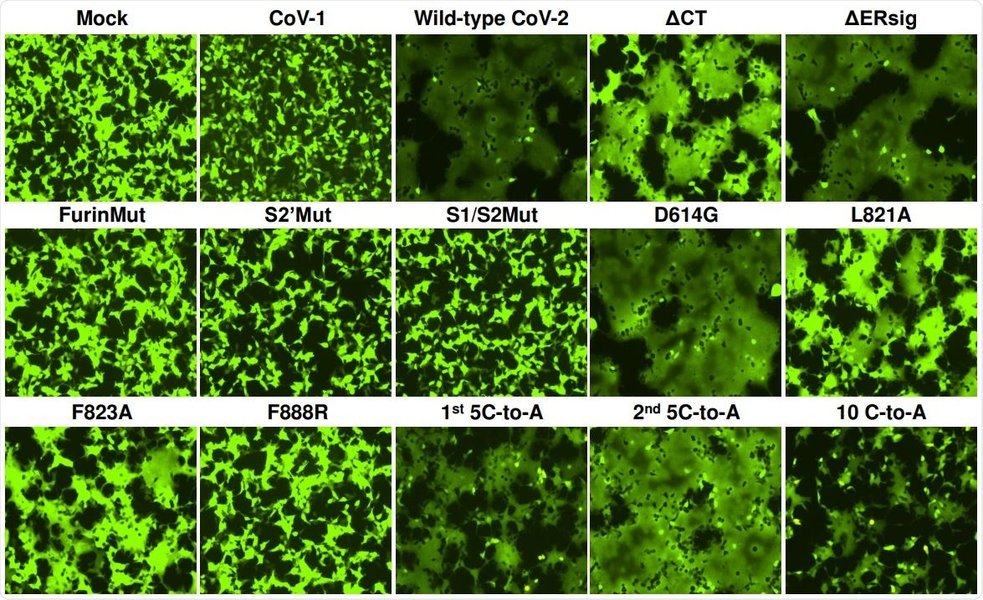
Illustration potentially showing the structure of a protein, which can be engineered as a chimera.
The SARS-CoV-2 Furin Cleavage Site
The spike (S) protein of SARS-CoV-2 is a critical component for viral entry into host cells. It mediates binding to the host cell receptor, primarily human ACE2, and facilitates the fusion of the viral membrane with the host cell membrane. This process is dependent on proteolytic cleavage of the spike protein at specific sites.
Role of the Furin Cleavage Site
A notable feature of the SARS-CoV-2 spike protein is the presence of a polybasic furin cleavage site (FCS) at the junction between its S1 and S2 subunits. This site, with the amino acid sequence PRRA, is recognized and cleaved by host proteases, particularly furin, which is widely expressed in human cells. Cleavage at this site is essential for efficient viral entry and transmission. It is thought to enhance the virus's ability to infect a wider range of cell types and to spread more effectively within an infected host.
The presence of a functional furin cleavage site distinguishes SARS-CoV-2 from many other related sarbecoviruses, including SARS-CoV, which caused the 2002-2004 SARS outbreak. This difference has been a subject of intense scientific scrutiny regarding the origin of SARS-CoV-2.
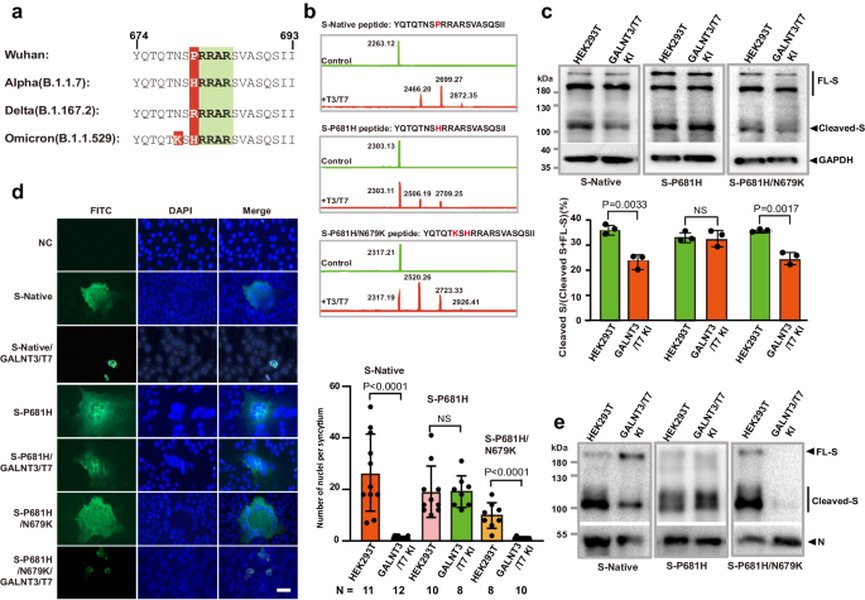
Diagram illustrating the spike protein and its cleavage sites, including the furin cleavage site.
Sequence and Location of the FCS
The furin cleavage site in SARS-CoV-2 is located at the S1/S2 boundary and consists of a 12-nucleotide insertion in the viral genome, which translates to the four amino acids PRRA. This insertion creates a recognition sequence for furin and other proprotein convertases. The precise sequence and location of this site are considered important determinants of SARS-CoV-2 pathogenesis.
Debate Surrounding the Origin of the FCS
The origin of the furin cleavage site in SARS-CoV-2 has been a subject of considerable debate. Several hypotheses have been proposed, including:
-
Natural Recombination: One hypothesis suggests that the FCS was acquired through natural recombination events between different coronaviruses in animal hosts.
-
Natural Selection: Another possibility is that the FCS arose through natural selection as the virus adapted to a new host, such as humans.
-
Laboratory Origin: A third hypothesis, which is more controversial, suggests that the FCS was introduced into a SARS-like coronavirus backbone through laboratory manipulation. Proponents of this hypothesis point to the uniqueness of the site in sarbecoviruses and the potential for genetic engineering techniques to insert such sequences.
Scientific consensus currently favors a natural origin, but the exact evolutionary pathway leading to the acquisition of the FCS remains an active area of research.
Connecting Chimeras and the Furin Cleavage Site: A Matter of Terminology and Concept
While the term "chimera" is used in both the context of organisms/tissues with mixed genetic material and in molecular biology to describe hybrid DNA or proteins, the user's query specifically links "Chimera" with a "Human-specific Furin cleavage site Insertion" in the context of SARS-CoV-2. It is important to clarify that the biological process of forming a human chimera (an individual with cells from different genetic origins) is distinct from the genetic features observed in the SARS-CoV-2 virus.
Chimeric Viruses vs. Human Chimeras
A "chimeric virus" in virology refers to a virus that contains genetic material from different viruses. This can occur naturally through recombination when two different viruses infect the same cell and exchange genetic segments. Chimeric viruses can also be created in laboratories for research purposes, such as to study viral gene function or develop vaccines.
The SARS-CoV-2 genome is considered by some to be potentially chimeric in the sense that it may have arisen from the combination of genetic elements from different coronaviruses, such as those found in bats and pangolins. The furin cleavage site is a specific sequence within this potentially chimeric viral genome.
However, this concept of a "chimeric virus" is different from a "human chimera," which, as discussed earlier, refers to a human being with cells from different genetic sources. There is no scientific basis to suggest that the furin cleavage site in SARS-CoV-2 is the result of a human chimera in the biological sense of mixing human genetic material from different individuals to create this specific viral feature.
Furin Cleavage Site as a Potential 'Chimeric' Feature in the Virus
The connection the user might be drawing relates to the idea that the furin cleavage site in SARS-CoV-2 could represent a "chimeric" feature within the viral genome itself – a segment of genetic code potentially acquired from a different source through recombination or insertion, which enhanced its ability to infect human cells. In this interpretation, "chimeric" describes the origin or composition of a specific part of the virus, not a human biological chimera.
The debate around the origin of the FCS often centers on whether this insertion event was a natural occurrence or the result of laboratory manipulation, potentially involving the insertion of sequences found in other organisms or synthesized in a lab. The "human-specific" aspect in the query likely refers to the observation that the FCS significantly enhances the virus's ability to infect human cells and is a key determinant of its pathogenicity in humans, although similar cleavage sites exist in other viruses and host proteins.
The Role of Furin in Human Cells
It's important to note that furin is a human enzyme, a protease, that is naturally present in human cells and is involved in cleaving various host proteins. The SARS-CoV-2 virus exploits this host enzyme to facilitate its entry into cells. The presence of a furin cleavage site on the viral spike protein allows the virus to be efficiently processed by host furin, a mechanism that contributes to its infectivity.
The presence of the furin cleavage site in SARS-CoV-2 and its efficient cleavage by human furin highlight an important aspect of virus-host interaction, but it does not imply that the site itself originated from a human chimera. The genetic sequence encoding the FCS is part of the viral genome, not the human genome, even though it is designed to be acted upon by a human enzyme.
Summary of Concepts
To clarify the relationship between the terms, let's summarize the distinct but sometimes related concepts:
| Concept | Description | Relevance to SARS-CoV-2 Furin Cleavage Site |
|---|---|---|
| Genetic Chimera (Organism) | An organism or tissue composed of cells with different genetic makeups from two or more individuals. | No direct link to the origin of the SARS-CoV-2 FCS. Refers to the composition of a biological individual. |
| Chimeric Molecule (Molecular Biology) | A single DNA sequence or protein formed by combining sequences from different sources. | The SARS-CoV-2 genome, including the FCS, may be considered chimeric in terms of its evolutionary origin through recombination of different viral sequences. |
| Furin Cleavage Site (FCS) | A specific amino acid sequence (PRRA) in the SARS-CoV-2 spike protein that is cleaved by host furin proteases. | A unique feature of SARS-CoV-2 that enhances its infectivity and is a subject of debate regarding its origin (natural vs. laboratory). |
| Human Furin | A protease enzyme naturally present in human cells that cleaves specific protein sequences, including the SARS-CoV-2 FCS. | The host factor that processes the viral FCS, facilitating viral entry. The enzyme is human, but the cleavage site is on the viral protein. |
Understanding the Nuance
The query "Chimera: 'Human-specific Furin cleavage site Insertion'?" seems to conflate the biological concept of a human chimera with the molecular feature of the SARS-CoV-2 spike protein. While the virus's ability to utilize human furin makes the FCS "human-relevant" in terms of pathogenesis, the site itself is encoded by the viral genome. The "insertion" aspect refers to the genetic event that introduced the sequence encoding the FCS into the SARS-CoV-2 lineage, which is debated to be either a natural evolutionary process or a result of laboratory work.
Therefore, while the SARS-CoV-2 furin cleavage site is a key feature that interacts with human cellular machinery (specifically furin), and the virus itself might be considered chimeric in its evolutionary history, this does not mean the FCS was created within a human biological chimera.
Further Exploration
To delve deeper into these topics, consider exploring the following resources:
Understanding the furin cleavage site and its role in SARS-CoV-2 infectivity is crucial to understanding the virus's spread and pathogenesis.
This video discusses the furin cleavage site of SARS-CoV-2 and some of the controversies surrounding its origin.
Frequently Asked Questions (FAQ)
What is a biological chimera?
A biological chimera is an organism or tissue containing cells from two or more different individuals with distinct genetic makeups. This can occur naturally (e.g., through cell exchange between twins in utero) or be created artificially (e.g., by introducing stem cells from one species into the embryo of another).
What is the furin cleavage site in SARS-CoV-2?
The furin cleavage site is a specific sequence of amino acids (PRRA) located at the S1/S2 junction of the SARS-CoV-2 spike protein. It is a target for cleavage by host proteases, particularly furin, which is important for the virus's ability to enter human cells.
Are biological chimeras related to the SARS-CoV-2 furin cleavage site?
No, there is no direct scientific evidence to suggest that the SARS-CoV-2 furin cleavage site originated from a human biological chimera. While the term "chimera" is used in molecular biology to describe hybrid genetic sequences, this is distinct from the biological phenomenon of an organism having cells from different individuals.
Why is the SARS-CoV-2 furin cleavage site considered important?
The furin cleavage site is important because it significantly enhances the virus's ability to infect human cells and is a key factor in its efficient transmission and pathogenesis. Cleavage at this site by host furin facilitates the necessary conformational changes in the spike protein for viral entry.
What is the debate surrounding the origin of the SARS-CoV-2 furin cleavage site?
The debate centers on whether the FCS was acquired by the SARS-CoV-2 lineage through natural evolutionary processes, such as recombination and natural selection, or through laboratory manipulation. Scientists are still working to fully understand the origins of this unique feature.
References
Last updated May 14, 2025