
Exploring China’s Automotive Market: A Comprehensive Landscape
Dive into market size, key trends, and major brands leading production
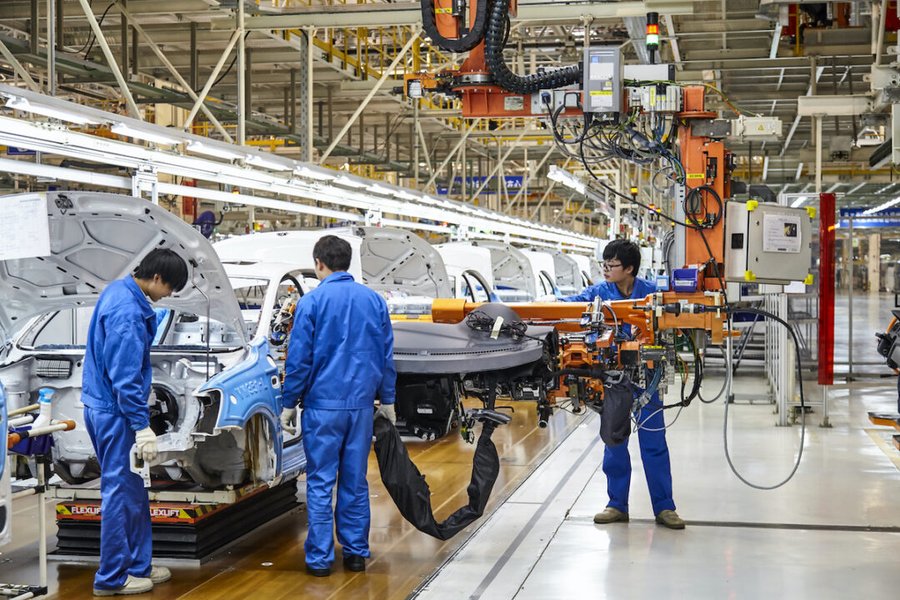
Key Insights
- Vast Market Scale: With sales and production numbers in the tens of millions, China remains the world’s largest automotive hub.
- Diverse Production: A blend of domestic giants like BYD, Geely, SAIC, and numerous joint ventures with international brands dominate the scene.
- Growth in NEVs: Rapid expansion in New Energy Vehicles and electric vehicle segments is reshaping the market dynamics.
Market Size & Industry Overview
As of early 2025, the Chinese automotive industry continues to be the largest in the world, consistently showing remarkable growth in both production and sales volumes. Multiple sources confirm that the country has achieved a significant milestone in automotive manufacturing. In 2025, it is projected that total vehicle sales will reach approximately 32 million units, representing steady growth over the previous year. This expansive growth is underpinned by a robust domestic market and relentless government initiatives aimed at boosting both traditional vehicles and New Energy Vehicles (NEVs).
The car dealers segment alone is valued at an estimated $485.3 billion, reflecting the enormous scale of transactions within the sector. Additionally, other crucial subsets such as automotive logistics are forecasted to grow significantly. Projections show that the automotive logistics market size, for instance, is anticipated to reach $55.71 billion in 2025, with continued growth to about $74.42 billion by 2030. Such figures underline the immense scale and integrated nature of China’s automotive value chain.
Production figures are equally impressive, with domestic vehicle manufacturing expected to hit around 35 million vehicles by the end of 2025. This performance is made more remarkable by the steady year-over-year increases in both production metrics and sales volumes. In February 2025, there were unprecedented increases in production (39.6%) and sales (34.4%) compared to the previous year – statistics that emphasize the dynamism of the industry.
Automotive Brands and Production Landscape
The Chinese automotive industry is not only vast in terms of numbers but also diverse in its roster of manufacturers. The production landscape involves a mix of prominent domestic players and influential international brands operating within China through joint ventures.
Domestic Automotive Brands
China is home to a host of influential domestic brands which have become symbols of innovation and quality in automotive manufacturing. These include:
- BYD (Build Your Dreams): A leading pioneer in electric vehicles and battery technology. BYD has achieved significant milestones in both passenger and commercial EV segments.
- Geely Auto: Renowned for both its own automotive endeavors and its acquisition of foreign brands such as Volvo, Geely represents robust domestic innovation.
- SAIC Motor Corporation: One of the largest automotive manufacturers in China, SAIC operates with major joint ventures involving global brands such as General Motors and Volkswagen.
- Great Wall Motors: Specializes in SUVs and pickup trucks while increasingly venturing into the NEV space.
- NIO, Xpeng Motors, & Li Auto: These brands are at the forefront of the electric vehicle revolution, catering strongly to the growing demand for NEVs.
- Changan Automobile & BAIC Motor: Known for their extensive portfolio covering compact to large commercial vehicles.
- Chery Automobile: Produces a broad range of passenger cars that have steadily built market trust.
- GAC Motor: Focuses on a mix of premium and luxury vehicles with a keen eye for design and technology.
Many of these domestic brands are rapidly expanding their influence both within China and in international markets. Investment in electric and hybrid vehicles, supported by government incentives, has accelerated this evolution.
International and Joint Venture Brands
In addition to homegrown brands, a myriad of well-known international automakers maintain a strong presence in the Chinese market, typically through joint ventures. Key players include:
- Volkswagen: Joining forces with local companies such as SAIC, Volkswagen has successfully adapted its production lines to suit local demands.
- Toyota: Operating via joint ventures with prominent Chinese manufacturers, Toyota continues to be a major force in the sector.
- General Motors: With strategic partnerships in China, GM jointly produces a range of vehicles suited specifically to the Chinese consumer.
- Ford & Honda: Both companies have established fruitful joint ventures that focus on adapting global standards to local market preferences.
- Tesla: An emblem of innovation and EV technology, Tesla operates its manufacturing plant in Shanghai, producing top-selling models such as the Model 3 and Model Y, catering to both domestic and export markets.
The participation of international brands via joint ventures highlights the mutually beneficial relationship between foreign technology and local market expertise. These collaborations are instrumental in elevating the overall quality, innovation, and competitiveness of vehicles produced in China.
Growth Trends and Future Outlook
Multiple data points indicate a sustained upward trend in the Chinese automotive industry. Government policies encouraging NEV production, alongside consumer demand shifts, have accelerated technological advancements. With estimated new energy vehicles expected to form a significant share (around 20%-38% in recent projections) of total vehicle sales, the industry is undergoing a transformative phase.
Notably, vehicle production and sales growth figures have established a robust momentum, further supported by rapid improvements in automotive logistics and dealer operations. The surge in production capacity, alongside substantial logistic networks valued in the tens of billions, marks a forward trajectory bolstered by both policy incentives and market demand.
Visualizing the Automotive Landscape
Industry Overview Mindmap
The following mindmap diagram illustrates the key aspects of China's automotive industry, including market size, domestic and international brands, and emerging trends in electric vehicles.
Radar Chart: Performance Metrics in the Chinese Automotive Market
The radar chart below provides an interpretative summary of the relative strengths and performance metrics observed in China's automotive industry. The three datasets represent market volume, brand diversity, and technological innovation. Although these metrics are qualitative in nature, the visualization offers an insight into how these aspects are balanced within the market context.
Industry Data Breakdown
The table below summarizes key data points regarding market size, growth trends, and the split between domestic and international brands in China’s automotive industry.
| Category | Statistics/Details |
|---|---|
| Vehicle Sales (2025) | Approximately 32 million units, with a significant year-over-year growth |
| Domestic Production | Approximately 35 million vehicles produced domestically |
| Car Dealers Market Value | $485.3 billion |
| Automotive Logistics Market | $55.71 billion in 2025, growing to about $74.42 billion by 2030 |
| Key Domestic Brands | BYD, Geely, SAIC Motor, Great Wall Motors, NIO, Xpeng Motors, Changan, BAIC, Chery, GAC Motor |
| Major International & Joint Venture Brands | Volkswagen, General Motors, Toyota, Ford, Honda, Nissan, Tesla |
| NEV/EV Sales Share | Ranging from 20% to over 38% in current data points |
Embedded Media: Gain Further Insights
For a more visual exploration of the subject, the video below provides an analysis of China's automotive industry’s expansive production while discussing the challenges and strengths that come with such scale. This resource explores the balance between high production volume and the challenges of maintaining innovation and brand strength.
FAQs
Click on the questions below to reveal the answers.
What is the overall market size of China’s automotive industry?
Which major brands are key players in the Chinese market?
How are new energy vehicles (NEVs) influencing this market?
References
-
Car Dealers Industry - IBISWorld
- Positive Forecast - China Daily
- Automotive Logistics Market - Mordor Intelligence
- Chinese Auto Market Analysis - Focus2Move
- Automotive Industry in China - Wikipedia
Related Queries for Further Exploration
Last updated March 30, 2025