
China's Potential Stance in a Hypothetical U.S. Military Action Against Russia
Exploring China's Strategic Alignment Amidst Geopolitical Tensions
Key Takeaways
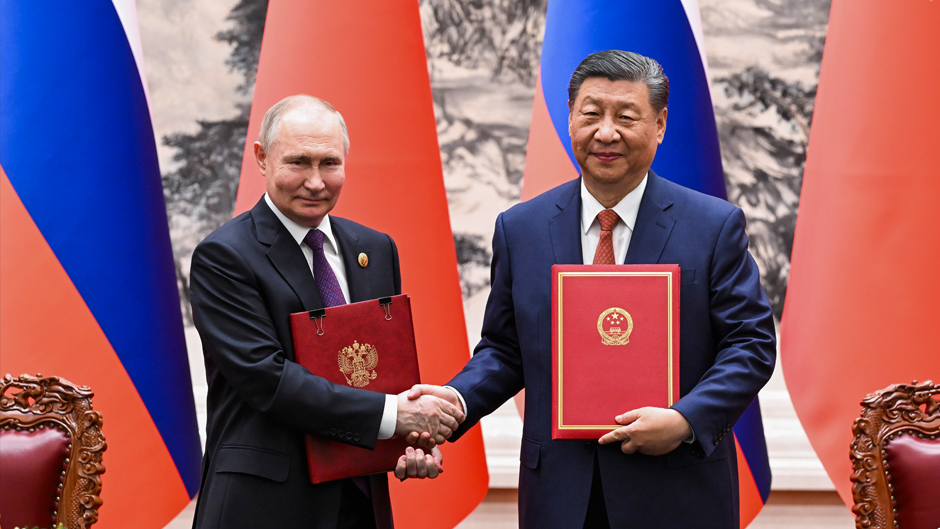
- Strategic Partnership: China and Russia share a robust strategic alliance aimed at counterbalancing U.S. influence globally.
- Economic and Military Cooperation: Extensive economic ties and joint military exercises reinforce the China-Russia partnership.
- China's Strategic Interests: China's focus on national sovereignty and regional stability influences its potential response to U.S. actions.
Introduction
The geopolitical landscape is ever-evolving, with alliances and partnerships shaping the dynamics of international relations. A hypothetical scenario in which the United States engages in military action against Russia to defend Ukraine raises critical questions about China's potential response. This analysis delves into the intricacies of the China-Russia relationship, China's strategic interests, and the broader implications of such a conflict.
China-Russia Strategic Partnership
Foundations of the Alliance
China and Russia have developed a formidable strategic partnership characterized by mutual interests and coordinated policies aimed at countering Western, particularly U.S., influence. This alliance is not merely situational but has been cultivated over years through diplomatic, economic, and military collaboration.
Economic Interdependence
Economic ties between China and Russia have strengthened significantly, with bilateral trade reaching unprecedented levels. China imports vast amounts of Russian energy resources, including oil and natural gas, which are critical for sustaining its economic growth. In return, China exports a wide array of goods to Russia, including technology, machinery, and consumer products, fostering a deeply interdependent economic relationship.
Military Cooperation and Joint Exercises
Military cooperation between China and Russia has seen a marked increase, with both nations conducting joint military exercises that signal their readiness to collaborate on defense matters. These exercises not only enhance interoperability between their armed forces but also serve as a demonstration of their united front against perceived threats from NATO and other Western alliances.
China's Strategic Interests
National Sovereignty and Stability
Central to China's foreign policy is the emphasis on national sovereignty and regional stability. China prioritizes maintaining a stable international environment conducive to its long-term economic and strategic objectives. Engaging in conflicts that could disrupt this stability is contrary to China's primary interests.
Economic Development and Global Influence
China's ambition to ascend as a global superpower is intertwined with its economic development strategies. Aligning with Russia helps China in creating alternative economic networks and reducing dependence on Western-dominated institutions. This alignment supports China's vision of a multipolar world where it holds significant sway over global affairs.
Regional Ambitions and Focus on Taiwan
While the hypothetical conflict with Russia would undoubtedly shift regional dynamics, China's primary regional focus remains on Taiwan. The stability and security of the Indo-Pacific region are paramount, and any shift in military commitments could impact China's strategies regarding Taiwan and its broader regional ambitions.
Potential Scenarios of China's Response
Diplomatic Stance and Mediation Efforts
In the event of a U.S. military action against Russia, China might adopt a diplomatic stance aimed at de-escalation. Historically, China has positioned itself as a proponent of peaceful negotiations and might leverage its relationship with both the U.S. and Russia to broker ceasefires or peace agreements to avoid wider conflict.
Economic Support and Strategic Assistance
Should diplomatic efforts falter, China could opt to provide economic support to Russia. This support may include increased trade, financial aid, or technological assistance, thereby strengthening Russia's resilience against U.S. sanctions and military pressures. Such measures would align with China's strategy of bolstering allies to counterbalance U.S. influence.
Limited Military Support
While direct military intervention is less likely due to the potential for severe escalation, China might offer limited military support to Russia. This assistance could take the form of intelligence sharing, logistical support, or the provision of specific military technologies that enhance Russia's defensive capabilities.
Maintaining a Cautious Approach
Alternatively, China may choose to maintain a cautious distance, avoiding overt support for either side to prevent entanglement in a broader conflict. This approach would allow China to preserve its strategic autonomy and avoid potential retaliatory actions from the U.S. and its allies.
Implications for Global Geopolitics
Shifting Alliances and Power Dynamics
A U.S.-Russia conflict involving China would significantly alter global power dynamics. The alignment of major powers into distinct blocs could lead to a more polarized international system, impacting global governance, trade, and security structures.
Impact on International Institutions
International institutions such as the United Nations, World Trade Organization, and others might face increased challenges in mediating conflicts and maintaining global stability. China's influence within these institutions could grow, potentially reshaping their mandates and operations to reflect the interests of emerging power blocs.
Economic Consequences
Global Supply Chains and Trade Disruptions
A conflict between the U.S. and Russia, with China's potential involvement, could disrupt global supply chains, particularly in energy, technology, and manufacturing sectors. Sanctions imposed by the U.S. could lead to economic retaliation from Russia and China, affecting global markets and economic stability.
Energy Markets and Commodity Prices
Russia's role as a major energy exporter means that any conflict would have immediate repercussions on global energy markets. China's support for Russia could mitigate some impacts by maintaining energy flows, but prolonged instability could lead to volatile commodity prices, affecting economies worldwide.
Potential for Escalation
Regional Conflicts and Proxy Wars
Involvement of major powers in a direct conflict increases the risk of regional conflicts and proxy wars. Areas of strategic interest, such as the Middle East, Eastern Europe, and the Indo-Pacific, could become hotspots for indirect confrontations between aligned nations.
Nuclear Deterrence and Arms Race
The presence of nuclear capabilities within both the U.S. and Russia acts as a deterrent against full-scale warfare. However, increased military cooperation between China and Russia could spark an arms race, prompting the U.S. and its allies to bolster their own defenses, potentially leading to heightened tensions and instability.
China's Long-Term Strategic Goals
Promotion of a Multipolar World
China envisions a multipolar world where multiple centers of power coexist, reducing unilateral dominance by any single nation. Supporting Russia against U.S. actions aligns with this vision, as it helps dilute U.S. hegemonic influence and promotes a more balanced global power structure.
Advancement of the Belt and Road Initiative (BRI)
The Belt and Road Initiative is central to China's strategy for expanding economic influence across Asia, Africa, and Europe. A supportive stance towards Russia could facilitate the integration of Russian infrastructure and resources into the BRI framework, enhancing connectivity and economic integration across the Eurasian continent.
Technological and Scientific Collaboration
Enhanced collaboration in technology and science between China and Russia could lead to significant advancements and innovations, further cementing their strategic partnership. Joint ventures in sectors such as artificial intelligence, biotechnology, and aerospace could bolster both nations' positions in the global technology landscape.
Conclusion
In the hypothetical scenario where the United States initiates military action against Russia to defend Ukraine, China's response is likely to be influenced by its deep-seated strategic partnership with Russia, economic interdependence, and overarching national interests. While direct military involvement remains uncertain, China is poised to offer diplomatic, economic, and potentially limited military support to Russia, thereby reinforcing their alliance and counterbalancing U.S. influence. This stance aligns with China's vision of a multipolar world and its ambitions to expand its global reach through initiatives like the Belt and Road. However, the complexity of international relations means that China's actions would be carefully calibrated to maintain regional stability and protect its long-term strategic objectives.
References
Conclusion
Understanding China's potential response in such a complex geopolitical scenario requires a nuanced analysis of its strategic partnerships, economic interests, and long-term global aspirations. While the collaborative nature of the China-Russia alliance suggests a likelihood of mutual support, the multifaceted nature of international relations means that China's actions would ultimately aim to preserve its sovereignty, economic stability, and regional influence.
Last updated February 17, 2025