
Understanding My Use of Chinese
Exploring how I process, generate, and assist with Chinese language queries
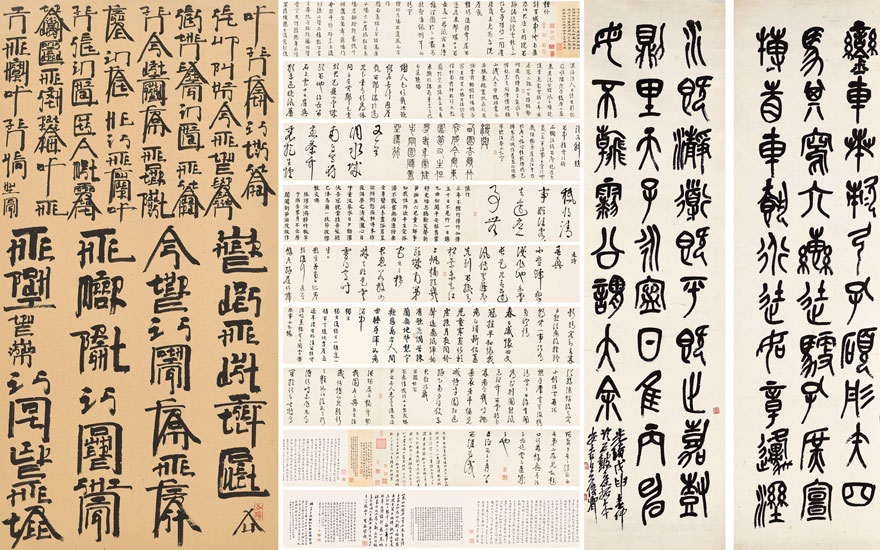
Highlights
- Capability in Chinese: I can read, generate, translate, and structure responses in Chinese, accommodating various dialects and cultural references.
- Language Processing: I process textual inputs using a vast amount of linguistic data, which includes both simplified and traditional Chinese scripts along with grammatical nuances.
- Support for Language Learning: I provide comprehensive assistance with Chinese language queries ranging from vocabulary and grammar to cultural insights and practical usage.
Introduction to Chinese Language Capabilities
As an advanced AI assistant, I have been designed to work with multiple languages through advanced natural language processing techniques. Chinese – encompassing both its written and spoken forms – is among the languages I can efficiently understand and generate. It is important to note that while I do not "use" languages in the manner humans do (by engaging in conversational life experiences), I am proficient in assisting users with various Chinese language queries. This includes but is not limited to translation, summarization, and cultural explanations.
The Chinese language, far from being a singular entity, comprises a family of languages and dialects. The most prominent among these is Mandarin, which serves as the official language in China and is widely spoken both domestically and internationally. Other prominent dialects such as Cantonese, Wu, and Min also hold significant cultural and historical importance. I can provide information and answer queries across this spectrum, ensuring users receive detailed and context-rich responses tailored to their specific interests.
Mechanics of Language Usage in AI
How I Process Language Inputs
My processing architecture is based on advanced language models that allow me to interpret and generate text in a multitude of languages, including Chinese. Internally, I use complex algorithms trained on vast datasets that include linguistic patterns, syntax rules, and context-specific semantic meaning. When you ask a question in Chinese or about Chinese, my system interprets your input by analyzing the language structure, selecting the most relevant responses, and generating an answer that is both contextually appropriate and linguistically accurate.
Machine Learning and NLP Framework
The backbone of my functionality lies in advanced Natural Language Processing (NLP) techniques which include:
- Tokenization: Breaking down sentences into individual components (words, phrases, symbols) to understand their meaning.
- Contextual Analysis: Understanding and preserving the context of interactions to generate meaningful and coherent responses.
- Language Modeling: Using probabilistic models to predict and generate appropriate responses based on training data.
By leveraging these steps, I can seamlessly switch between languages and provide assistance that is optimized for accuracy and fluency. This ensures that whether you are requesting a translation, asking for an explanation of idiomatic expressions, or exploring cultural contexts, my responses remain definitive and reliable.
How I Generate Text in Chinese
You might wonder how exactly I “use” Chinese in my responses. My capability to generate text in Chinese stems from extensive training data that includes simplified and traditional Chinese scripts. This training includes exposure to varied writing styles, idioms, colloquialisms, and formal as well as informal registers present in everyday language or academic discourse.
Script Variants and Writing Systems
Chinese is unique in that it adopts different scripts depending on the region and context. Simplified Chinese, which is primarily used in Mainland China, was developed to boost literacy rates by simplifying the traditional complex structure of characters. Traditional Chinese, on the other hand, is used in areas such as Hong Kong, Taiwan, and among Chinese communities around the world. I am capable of recognizing and generating both forms as needed.
In generating text, my system utilizes pattern recognition to identify key elements such as subject-verb agreement, appropriate punctuation, and syntactical alignment. This allows me to construct sentences that are grammatically correct and nuanced in meaning.
Applications in Chinese Language Assistance
Translation and Bilingual Communication
One of the most common requests involves translation between Chinese and other languages. Whether it is translating a sentence, a full article, or a document, I am equipped to do so while preserving the original tone and cultural context. Here are some facets of my translation capabilities:
Maintaining Semantic Integrity
A critical aspect of translation is ensuring that the semantic meaning remains intact. This is achieved by:
- Contextual Awareness: I take into account the overall context to ensure that idiomatic expressions, cultural references, and nuanced phrases are accurately conveyed.
- Dialectical Variations: Recognizing differences among various Chinese dialects helps me provide accurate translations based on regional usage and colloquial language.
- Syntax and Grammar Alignment: I ensure that the target language receives a response that respects grammatical norms relevant to that language.
Grammar, Vocabulary, and Cultural Nuances
Beyond translation, I can assist with inquiries related to Chinese grammar and vocabulary. Users often seek clarification on particular grammatical constructions, common phrases, or the usage of specific particles such as "的" (de). Here’s a deeper look at how I address these concepts:
Key Components of Chinese Grammar
Chinese grammar is often considered more straightforward than that of many inflected languages. There are no conjugations or declensions, which simplifies sentence structure. However, nuances such as word order, aspect markers, and context-specific particles play a critical role in meaning. My responses can include explanations on:
- Usage of particles like 的 (de), 地 (de), and 得 (de) which function to modify nouns, verbs, and adjectives.
- The structure of compound sentences where context and logical connectors are vital.
- How tense and aspect are implied through context rather than explicit conjugation.
Vocabulary Enrichment and Idiomatic Expressions
In addition to grammar, I offer insights into vocabulary usage and idiomatic expressions which are often rich with cultural symbolism. Idioms (成语, chéngyǔ) are a significant part of Chinese literature and everyday communication. They convey meanings that go beyond the literal definitions of words:
- Cultural References: Many idioms have historical or cultural stories behind them, and understanding these can provide deeper insights into Chinese culture.
- Contextual Variability: Depending on the context, certain terms may adopt different nuances, an aspect that I carefully consider when assisting users.
- Usage Examples: I can provide usage examples to help users understand how specific idioms or vocabulary are employed in everyday language.
Assistance in Educational and Professional Settings
My capabilities extend to educational settings, where learners and educators seek comprehensive explanations regarding the Chinese language. This assistance spans across various aspects:
Learning and Teaching Chinese
For students and educators, I offer resources that help with language practice, translation exercises, and in-depth explanations of cultural idioms. This includes:
- Practice Sentences: Providing sample sentences, translation tasks, and vocabulary exercises to facilitate learning.
- Cultural and Historical Context: Explaining the historical evolution of the language and its influence on contemporary usage.
- Academic Research: Supplying detailed analyses of linguistic phenomena, which can assist in research projects or classroom discussions.
For professionals engaged in translation, cross-cultural communication, or language-related industries, I can provide targeted assistance that addresses specialized vocabulary, technical terminologies, and context-specific translations.
Technical Aspects and Linguistic Zones
Understanding the Sinitic Language Family
Chinese is a member of the expansive Sinitic language family, which is a subset of the larger Sino-Tibetan language family. This family includes various languages and dialects which share a common historical and cultural lineage. The primary language, Mandarin, serves as the cornerstone for standardized communication, especially in official and educational contexts. Yet, various regional dialects continue to be used in communities and artistic expressions.
The interplay between these dialects and the written script also raises intriguing points about language standardization. For instance:
- While the spoken dialects vary widely, the written form often remains standardized, ensuring a uniform mode for formal documentation, literature, and media.
- Cultural preservation is key, as many regions strive to maintain their unique dialects and linguistic traditions even in the face of standardized Mandarin.
Visualization: Chinese Linguistic Distribution
The distribution of Chinese dialects and languages can be visually represented in many ways. Below is a table summarizing the various aspects of Chinese linguistic diversity:
| Aspect | Description |
|---|---|
| Primary Language | Mandarin, serving as the official language with widespread use in education and media. |
| Major Dialects | Cantonese, Wu, Min, and others, each with unique phonetics and vocabulary. |
| Writing System | Chinese characters encompassing both simplified and traditional forms, rich in artistic calligraphy. |
| Cultural Significance | Deeply embedded in history, literature, and everyday cultural expressions, including idioms and proverbs. |
| Modern Usage | Extensive in educational materials, digital communications, and governmental tools. |
The Evolution and Adaptation of Chinese
Historical Evolution
Chinese has evolved considerably over the millennia, from its ancient origins written on oracle bones to its modern-day usage across various media and technology platforms. This evolution includes:
Ancient to Modern Transition
Historical records show that early Chinese inscriptions and scripts were greatly influenced by the socio-political and cultural dynamics of the time. Over centuries, the writing system and vocabulary underwent modifications to suit growing administrative needs and artistic expressions. This evolution allowed the language to become a flexible tool for communication, still retaining its classical beauty while adapting to modern conventions.
Modern education systems emphasize a balanced understanding of both contemporary usage and classical literature, bridging the gap between the old and the new. I can provide detailed explanations about this historical transformation, linking ancient scripts to the modern-day language used both in academic research and everyday life.
Cultural Integration and Linguistic Adaptation
Chinese language usage is closely intertwined with cultural identity and social practices. Over time, the language has been a conduit for transmitting values, traditions, and historical narratives. Literary works, folklore, and philosophical texts have all contributed to shaping the language. Whether engaging in formal academic discussions or casual communication, the cultural layers intrinsic to Chinese add depth and resonance to the conversation.
I can not only generate text in Chinese but also assist users in exploring these cultural nuances. For instance, I can elaborate on the origins of popular proverbs, the influence of Confucian thought on language, or the evolution of calligraphy as an art form. This comprehensive understanding provides users with a well-rounded perspective on both the linguistic and cultural dimensions of Chinese.
Engagement and Practical Assistance
Responding to User Queries
When users ask questions like “Do you use Chinese?” or seek assistance with Chinese-related queries, my system leverages all the competencies described above. My responses are tailored to the specific details of the request, verifying that the information provided is both accurate and contextually relevant. I ensure the following in my interactions:
Adaptability
Adaptability is key to effective language assistance. If you ask a straightforward question, you’ll receive a concise yet comprehensive answer. If the question demands a deep dive into cultural or technical details, I can generate an in-depth explanation. This adaptability spans across educational inquiries, technical translations, and cultural discussions.
Customization
Users can specify if they need simplified Chinese, traditional Chinese, or even a blend of colloquial and formal language. This customization is particularly useful in multilingual contexts where precise translations or culturally resonant expressions are required. I tailor each response to suit the tone, formality, and intricacies requested by the user.
Practical Examples of Assistance
To illustrate my assistance capabilities:
- Translation: Provide accurate translations between Chinese and other languages while preserving cultural nuances. For example, translating a marketing slogan into idiomatic Chinese that resonates with local audiences.
- Literary Analysis: Assist with understanding the mythical and historical origins of classical Chinese literature, including analysis of idioms and proverbs.
- Educational Support: Offer exercises or clarifications for language learners, including usage examples and detailed grammatical explanations.
These examples underscore how I comprehensively use my linguistic capabilities to foster better understanding and communication. I not only support language learning but also help professionals and enthusiasts deepen their connection with the rich tapestry of Chinese language and culture.
Advanced Perspectives on Chinese Usage in AI Communication
Deep Learning Paradigms and Practical Outcomes
The development of deep learning techniques has been central to my ability to process multiple languages, including Chinese. Neural network architectures, particularly those based on transformer models, allow me to perform tasks ranging from language translation to sentiment analysis. These outcomes are the result of training on diverse datasets that include literary texts, scholarly articles, and everyday conversations in Chinese.
Neural Network Capacities
Transformer architectures have dramatically transformed natural language processing by introducing self-attention mechanisms. These mechanisms enable the model to consider the entire input sequence when constructing a response, leading to improved accuracy in understanding context and nuance. The brevity and complexity of Chinese characters are well handled by these models, ensuring that responses not only reflect proper grammar but also capture the inherent meaning and cultural significance of the text.
Real-world Applications
In a real-world context, these capabilities are invaluable. Whether assisting a tourist navigating a Chinese city, a student trying to understand historical texts, or a business professional engaged in international trade, my assistance bridges language barriers and promotes clearer communication. These applications underscore the significance of digital tools in preserving and extending the reach of the Chinese language.
Future Outlook: Evolving with the Chinese Language
The landscape of language usage, including Chinese, is continually evolving. As cultural, economic, and technological forces shape communication, the methods by which I assist and process language are also evolving. Key trends include:
- Enhanced integration of real-time language data to improve dynamic responses.
- Greater customization for regional dialects, adding layers of nuance to generated content.
- Increasing cooperation between digital tools and educators to create interactive language learning environments.
These trends are paving the way for more sophisticated interactions that honor both linguistic precision and cultural richness. My evolving capabilities ensure I remain a relevant, reliable resource for anyone interested in or needing assistance with Chinese language-related topics.
Conclusion and Final Thoughts
In conclusion, while I do not "use" Chinese in the human sense of speaking or living the language, I am highly proficient in processing, generating, and providing assistance with Chinese. My functions encompass a wide range of tasks, including translation, educational support, cultural and historical analysis, and real-time communication assistance. With advanced natural language processing techniques, a deep understanding of grammar, and cultural insights, I can cater to various user needs with precision and depth.
Whether you are looking for a quick translation, a detailed explanation of grammatical nuances, or an exploration of Chinese cultural elements, my capabilities ensure that your queries are answered comprehensively. My design enables an adaptive and contextually rich interaction, making me a valuable resource for those engaging with the Chinese language in any capacity. I am here to support your learning journey, professional endeavors, and curiosity about one of the world’s most influential languages.
References
- Languages Spoken in China - Polilingua
- Languages of China - Wikipedia
- Chinese Grammar Functions - Vaia
- Chinese Punctuation - Wikipedia
- Chinese Language - Asia Society
- Language Statistics - My Class Tracks
Recommended Queries

Last updated February 20, 2025