
Mastering the Art of Translating Chinese Webnovels to English
A Comprehensive Guide for Professional Translators
Key Takeaways
- Deep Cultural Understanding: Grasping the cultural nuances and historical contexts is essential for accurate translations.
- Consistent Narrative Formatting: Utilizing past tense for narration, italics for monologues, and bold for dialogues ensures clarity and consistency.
- Balance Between Fidelity and Localization: Maintaining the original essence while adapting to the target audience's expectations enhances readability and engagement.
1. Comprehensive Understanding of Source Material
Cultural Nuances and Context
Translating Chinese webnovels into English requires more than just a literal conversion of words. It's imperative to delve into the cultural, historical, and societal contexts that shape the narrative. Chinese webnovels often incorporate idioms, folklore, and cultural references that may not have direct equivalents in English. For example, the idiom "画蛇添足" (literally "drawing a snake and adding feet") conveys the idea of overcomplicating a simple task. Translating this idiom to "overcomplicating things" in English preserves the intended meaning without losing the cultural essence.
Genre Familiarity
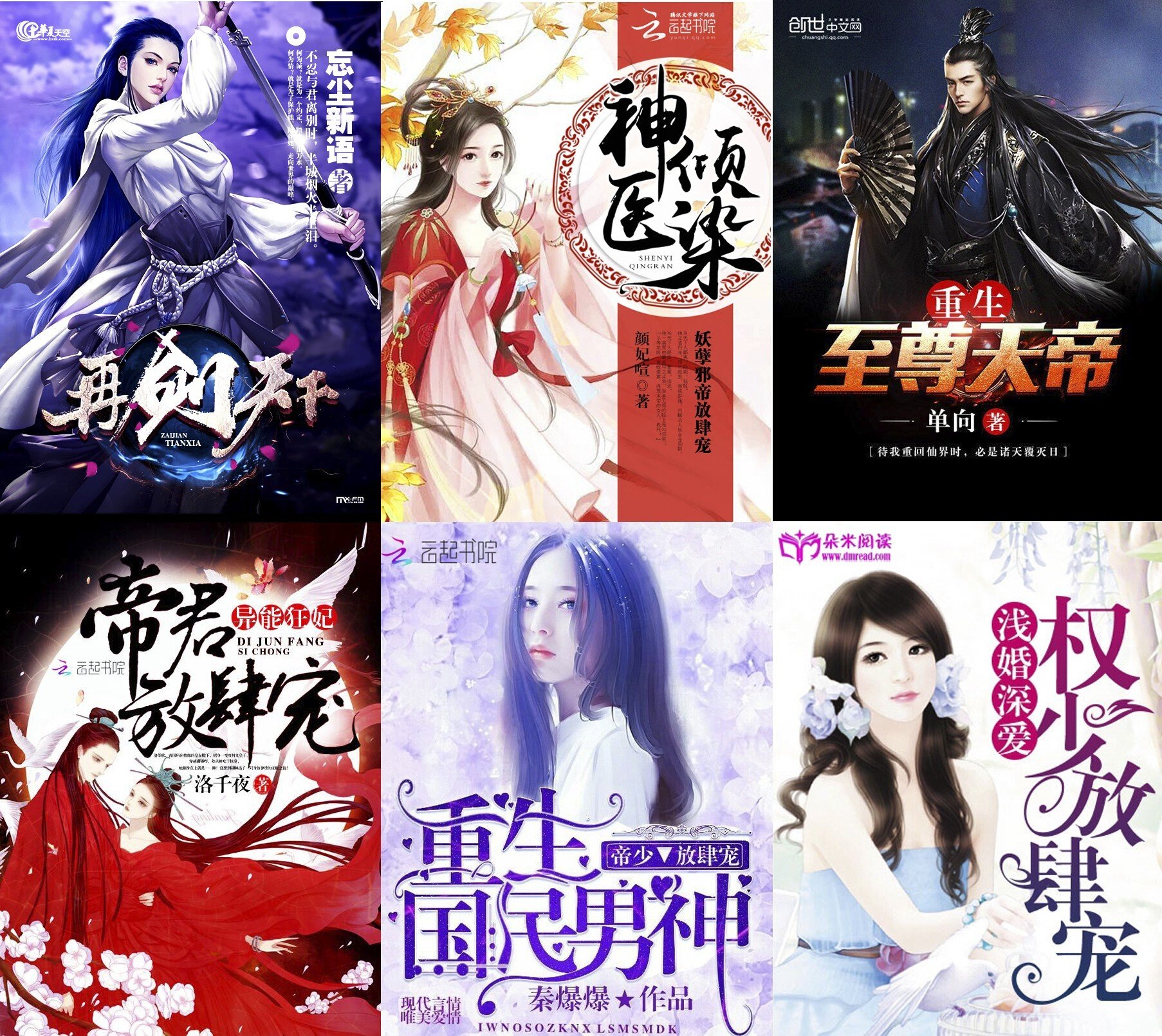
Chinese webnovels span various genres such as xianxia, wuxia, and xuanhuan, each with its unique tropes and terminologies. A professional translator must familiarize themselves with the specific conventions of the genre they are working on. For instance, xianxia novels often involve cultivation techniques and spiritual concepts that require consistent and accurate translation to maintain the story's integrity.
Author’s Voice and Style
Every author has a distinct writing style, tone, and pacing. Preserving the author's unique voice is crucial in translation to ensure that the English version resonates similarly with readers as the original. This involves careful attention to sentence structure, vocabulary choices, and the overall flow of the narrative.
2. Adhering to Narrative Formatting Guidelines
Narration in Past Tense
Maintaining consistency in verb tense is vital for smooth readability. Using the past tense for narration aligns with the traditional storytelling style familiar to English readers. For example:
- Original Chinese: 他走进房间,环顾四周。
- Translated English: He entered the room and looked around.
Monologue in Italics
Internal thoughts or monologues should be distinguished from the main narration to provide depth to the characters. Using italics for monologues achieves this differentiation effectively. For example:
- Original Chinese: 他想:“我该怎么办?”
- Translated English: What should I do? he thought.
Dialogues in Bold
Dialogues are a primary means of character interaction and should stand out clearly from narration and monologue. Rendering dialogues in bold text enhances readability and emphasis. For example:
- Original Chinese: 他说:“我们走吧。”
- Translated English: "Let’s go," he said.
Consistency in Formatting
Consistency in applying these formatting guidelines throughout the translation ensures a uniform reading experience. It helps readers easily distinguish between narration, thoughts, and dialogues, thereby enhancing comprehension and engagement.
3. Balancing Fidelity and Localization
Avoiding Literal Translations
While fidelity to the original text is important, overly literal translations can result in awkward or unnatural English prose. It's essential to focus on conveying the intended meaning and emotion rather than sticking rigidly to word-for-word translations. For example:
-
Original Chinese: 青山绿水
-
Literal Translation: Green mountains and clear waters
-
Localized Translation: Verdant hills and pristine waters
Cultural Adaptation
Cultural elements that are unique to Chinese society may require adaptation to be relatable to English-speaking audiences. This involves finding equivalent expressions or providing explanations that maintain the original's intent and cultural significance. For instance, titles like "道长" can be translated as "Daoist Priest" with a brief explanation if necessary.
Maintaining Original Essence
While adapting certain elements for clarity and relatability, it's crucial to preserve the original essence and flavor of the story. This includes retaining unique names, places, and culturally significant terms, often presented in pinyin with explanations upon their first occurrence.
Use of Glossaries
Maintaining consistency in terminology is crucial, especially for recurring concepts such as cultivation levels, martial arts techniques, and character titles. Creating and adhering to a glossary ensures uniformity and prevents confusion. For example:
| Chinese Term | Pinyin | English Translation | Explanation |
|---|---|---|---|
| 丹田 | dantian | Energy Center | The focal point of cultivation energy in martial arts. |
| 内功 | neigong | Internal Strength | Techniques used to cultivate inner power. |
| 长生诀 | changsheng jue | Immortality Technique | A secret method to achieve immortality. |
4. Ensuring Flow and Pacing
Adaptive Sentence Structures
Chinese sentence structures often differ significantly from English. Translators must adapt sentence length and complexity to suit English readability while preserving the original meaning. This may involve breaking long Chinese sentences into multiple English sentences for clarity.
Maintaining Narrative Pacing
Webnovels are known for their fast-paced storytelling, with rapid developments and cliffhangers. Translators should maintain this rhythm to keep English readers engaged. Avoid slowing down the narrative with excessive explanatory text unless it’s necessary for understanding.
Dynamic Language Usage
Using dynamic and expressive language helps in conveying the energy and emotion of the original text. It ensures that the translated version feels vibrant and immersive, keeping readers invested in the story.
5. Rigorous Proofreading and Editing
Accuracy Verification
Translators must meticulously verify the accuracy of names, terms, and cultural references. Consistency checks ensure that elements like character names and special terms remain uniform throughout the translation.
Grammar and Style Refinement
Adhering to English grammar rules and maintaining a professional tone are essential for producing polished and readable translations. This involves correcting grammatical errors, refining sentence structures, and ensuring that the narrative flows smoothly.
Utilizing Beta Readers
Engaging native English speakers or fellow translators as beta readers provides valuable feedback on the translation's quality and readability. Their insights can highlight areas that may need further refinement or adjustment.
6. Addressing Legal and Ethical Considerations
Securing Permissions
Translators must ensure they have the necessary rights and permissions to translate and publish the webnovel. This involves obtaining consent from authors or publishers, especially if the work is under license.
Proper Attribution
Always credit the original author when publishing translations. If the translation is unofficial, include a disclaimer to avoid any potential legal issues related to copyright infringement.
Ethical Translation Practices
Maintaining the integrity of the original work is paramount. Translators should refrain from altering the story’s core elements or injecting personal biases, ensuring that the translation remains faithful to the source material.
7. Leveraging Technology and Tools
Translation Software
Utilizing translation software and tools can enhance efficiency and consistency. Tools like SDL Trados or MemoQ help manage glossaries, maintain terminology consistency, and streamline the translation process.
Collaboration Platforms
Collaborative platforms enable translators to work with editors and beta readers seamlessly. Platforms like Google Docs or specialized translation management systems facilitate real-time collaboration and feedback.
Quality Assurance Tools
Tools like Grammarly or ProWritingAid assist in identifying grammatical errors, improving sentence structures, and ensuring overall text quality. These tools complement manual proofreading efforts.
8. Developing a Structured Workflow
Planning and Organization
Establishing a structured workflow helps in managing translation projects efficiently. This includes setting deadlines, organizing chapters, and allocating time for each translation phase.
Incremental Translation and Review
Working on translations incrementally allows for regular reviews and adjustments. Translators can focus on one chapter or section at a time, ensuring high-quality output before moving on.
Continuous Learning and Improvement
Staying updated with linguistic trends, cultural developments, and advancements in translation techniques enhances a translator’s skill set. Engaging in continuous learning fosters better translation practices.
9. Engaging with the Community
Participating in Translation Forums
Joining forums and communities dedicated to webnovel translation provides access to resources, advice, and support from fellow translators. Platforms like Reddit's r/noveltranslations offer valuable insights and discussions.
Seeking Feedback and Collaboration
Collaborating with other translators and seeking feedback from readers can significantly improve translation quality. Constructive criticism helps identify areas for enhancement and fosters professional growth.
Networking with Authors and Publishers
Building relationships with Chinese authors and publishers can open doors to official translation projects. Networking ensures access to authorized materials and fosters trustworthy collaborations.
10. Maintaining Ethical Standards
Respecting Intellectual Property
Respecting the author's intellectual property is crucial. Translators should avoid unauthorized translations and ensure that all translated work is legally compliant.
Ensuring Accuracy and Faithfulness
Maintaining the accuracy and faithfulness of the translation ensures that the original message and story are preserved. This includes accurate representation of character personalities, plot developments, and thematic elements.
Protecting Author’s Intent
Translators should strive to embody the author's original intent, ensuring that the translated work communicates the same emotions, themes, and narratives as intended by the author.
Conclusion
Translating Chinese webnovels to English is a multifaceted endeavor that demands a blend of linguistic expertise, cultural sensitivity, and meticulous attention to detail. By adhering to best practices such as understanding cultural contexts, maintaining consistent narrative formats, balancing fidelity with localization, and upholding ethical standards, professional translators can create engaging and authentic English versions of Chinese webnovels. Leveraging technology, engaging with the translation community, and continuously refining one’s skills further contribute to producing high-quality translations that resonate with English-speaking audiences.
References
 translationraven.wordpress.com
 jtranslationscn.wordpress.com
Last updated January 24, 2025