
Unlocking Your Path to Healthier Cholesterol: A Supplement Guide
Navigating Niacin, Omega-3s, Fibers, and More with Your Recent Health Data
Managing cholesterol effectively often involves a multifaceted approach, including dietary changes, exercise, and sometimes, targeted supplements. Understanding how each supplement works and how it aligns with your personal health metrics is key. This guide will help you explore the potential roles of Niacin, Fish Oil, Oat Beta-Glucan with Plant Sterols, Psyllium Husk, and Milk Thistle in your cholesterol management plan, considering your recent body index readings.
Key Insights for Your Cholesterol Journey
- Personalized Approach is Crucial: Your recent blood tests show elevated total cholesterol, LDL ("bad") cholesterol, and uric acid, along with borderline high blood sugar. These factors must guide your supplement choices and dosages.
- Dosage Matters Significantly: For many of these supplements, such as Niacin, Oat Beta-Glucan, Plant Sterols, and Psyllium Husk, the dosages in your listed products may be below the typically recommended therapeutic levels for cholesterol reduction. Achieving desired effects might require higher intake, which should be discussed with a healthcare provider.
- Supplements Complement, Not Replace: While beneficial, supplements should be part of a broader strategy that includes a heart-healthy diet, regular physical activity, and ongoing medical supervision. They are not a standalone cure for high cholesterol.
Understanding Your Recent Health Metrics
Your body index data from the last four weeks provides important context for considering these supplements. Here's a summary of your readings:
| Date | Blood Sugar (mmol/L) | Uric Acid (µmol/L) | Total Cholesterol (mmol/L) | HDL-C (mmol/L) | Triglycerides (mmol/L) | LDL-C (mmol/L) |
|---|---|---|---|---|---|---|
| 2025-05-01 | 6.5 | 638 | 5.33 | 1.12 | 1.96 | 3.32 |
| 2025-05-06 | 5.7 | 574 | 8.03 | 0.74 | 1.51 | 6.6 |
| 2025-05-10 | 6.3 | 576 | 6.65 | 0.59 | 1.25 | 5.49 |
| 2025-05-17 | 6.1 | 540 | 6.7 | 1.06 | 1.21 | 5.09 |
Your recent blood lipid profile.
Interpreting Your Results:
- Blood Sugar: Your levels (5.7-6.5 mmol/L) are in the borderline high to prediabetic range. This is important when considering Niacin, which can sometimes affect glucose control.
- Uric Acid: Your uric acid levels (540-638 µmol/L) are consistently elevated, which can be a risk factor for gout and is something to monitor, especially as Niacin can also potentially raise uric acid.
- Cholesterol (TC, LDL-C, HDL-C): Your Total Cholesterol (TC) and LDL-C (bad cholesterol) are notably elevated, particularly the readings on May 6th. LDL-C levels up to 6.6 mmol/L are significantly above desirable ranges. Your HDL-C (good cholesterol) has fluctuated, with some readings (0.74, 0.59 mmol/L) being lower than ideal.
- Triglycerides (TG): Your triglyceride levels (1.21-1.96 mmol/L) are in the normal to mildly elevated range.
These readings indicate a clear need for strategies to lower LDL-C and TC, potentially raise HDL-C, and manage blood sugar and uric acid levels. It is paramount to discuss these results and any supplement plan with your healthcare provider.
Deep Dive into Your Supplements
1. Niacin (Vitamin B3) - 100mg per Tablet
How it Works for Cholesterol
Niacin can be effective in raising HDL (good) cholesterol, lowering LDL (bad) cholesterol, and reducing triglycerides. It works by inhibiting the production of VLDL (very-low-density lipoprotein), a precursor to LDL, in the liver.
Dosage and Your Supplement
The 100mg per tablet in your supplement is a relatively low dose. Therapeutic doses for cholesterol management typically range from 500mg to 2,000mg (or even higher) per day, usually taken under medical supervision. Immediate-release niacin is generally supported by clinical evidence for cholesterol, while some "no-flush" or sustained-release formulations may be less effective or carry higher risks of liver issues.
Important Considerations for You
- Blood Sugar & Uric Acid: Given your borderline high blood sugar and elevated uric acid, caution is needed. Higher doses of niacin can potentially increase both. Close monitoring by a healthcare professional is essential if you consider increasing the dose.
- Side Effects: Flushing (a warm, red, itchy feeling on the skin) is a common side effect, particularly with immediate-release niacin. Gastrointestinal upset can also occur.
- Recommendation: The 100mg dose is unlikely to have a significant impact on your cholesterol. Discuss with your doctor whether a higher, therapeutic dose of immediate-release niacin is appropriate and safe for you, considering potential effects on blood sugar and uric acid, and the need for liver function monitoring.
2. Fish Oil (Omega-3: EPA 931mg + DHA 465mg per Capsule)
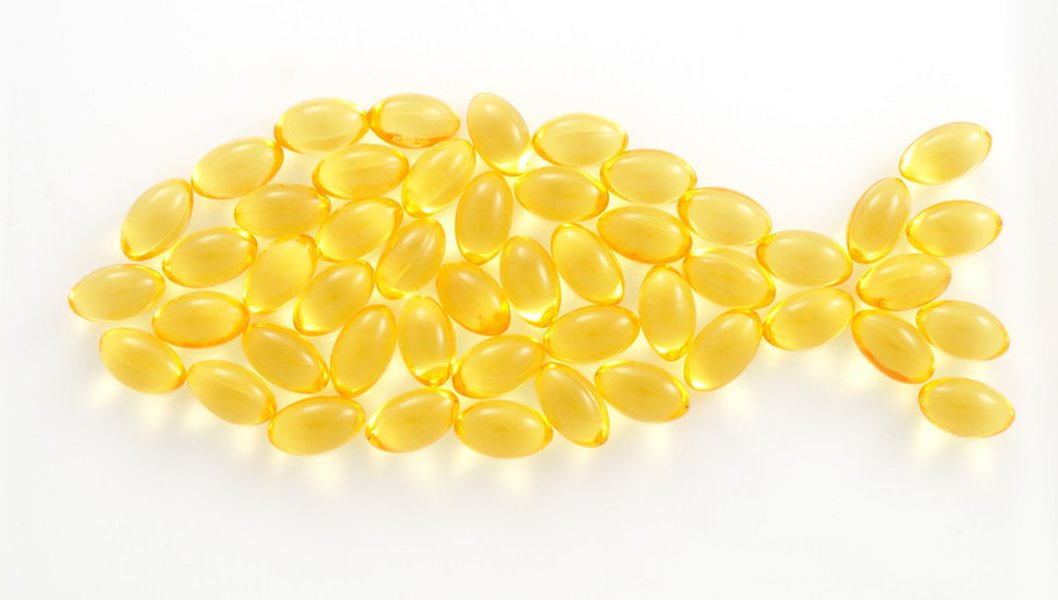
Fish oil capsules are a common source of Omega-3 fatty acids.
How it Works for Cholesterol
Omega-3 fatty acids, particularly EPA (eicosapentaenoic acid) and DHA (docosahexaenoic acid), are primarily known for their effectiveness in lowering triglyceride levels. They may also have modest benefits on other lipid parameters and overall cardiovascular health, such as reducing inflammation and improving blood vessel function.
Dosage and Your Supplement
Your supplement provides a substantial dose of 1396mg of combined EPA and DHA per capsule. Doses of 1,000mg to 4,000mg of combined EPA and DHA daily are often used for triglyceride management.
Important Considerations for You
- Triglycerides: Your triglyceride levels are mildly elevated, so this supplement could be beneficial. One to two capsules daily might be appropriate, but this should be confirmed with your doctor.
- Absorption: Taking fish oil with meals can improve absorption and reduce potential side effects like fishy aftertaste or burps.
- Recommendation: This supplement is well-dosed for general heart health and potentially for managing your triglyceride levels. Consistent daily intake is key.
3. Oat Beta-Glucan Concentrate 250mg + Plant Sterols 200mg + Proprietary Veggie Powder Blend 33mg per Capsule
How They Work for Cholesterol
- Oat Beta-Glucan: This is a type of soluble fiber found in oats. It works by forming a gel in the digestive tract, which can bind to cholesterol and bile acids (which are made from cholesterol), promoting their excretion and thereby lowering LDL cholesterol.
- Plant Sterols (Phytosterols): These are compounds found naturally in plants that have a similar structure to cholesterol. They work by competing with cholesterol for absorption in the intestine, thus reducing the amount of cholesterol absorbed into the bloodstream and lowering LDL cholesterol.
Dosage and Your Supplement
The amounts per capsule (250mg Beta-Glucan, 200mg Plant Sterols) are relatively low compared to dosages shown to be effective:
- Oat Beta-Glucan: Around 3 grams (3000mg) per day is typically recommended for cholesterol-lowering effects.
- Plant Sterols: About 2 grams (2000mg) per day is generally needed to see significant LDL reduction (6-15%).
Important Considerations for You
- Achieving Therapeutic Doses: To reach effective levels from this supplement alone, you would need to take a large number of capsules (e.g., 8-12 for beta-glucan, 10 for plant sterols). This may not be practical or cost-effective.
- Dietary Sources: Consider incorporating foods rich in these compounds: oats, barley, and oat bran for beta-glucan; and foods fortified with plant sterols (e.g., certain margarines, yogurts, orange juices).
- Recommendation: While the combination is beneficial in principle, the current dosage per capsule is subtherapeutic for significant cholesterol lowering. Discuss with your healthcare provider how to best achieve effective doses, potentially through a combination of more concentrated supplements and dietary choices.
4. Psyllium Husk Dietary Fiber 1000mg per Capsule
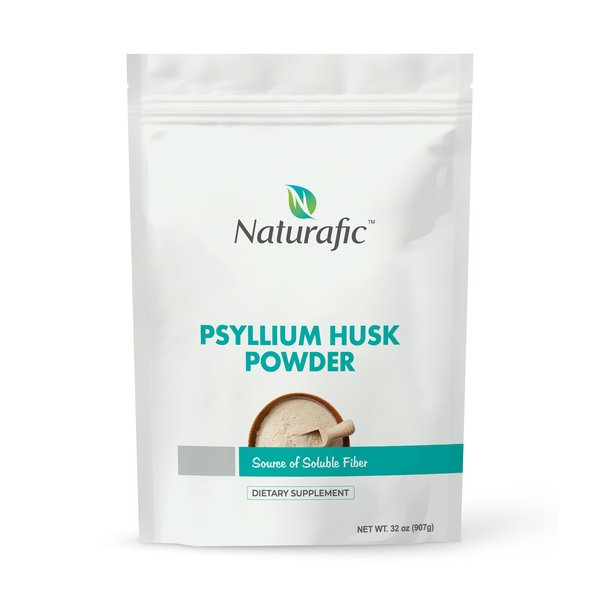
Psyllium husk is a potent source of soluble fiber.
How it Works for Cholesterol
Psyllium husk is another excellent source of soluble fiber. Similar to oat beta-glucan, it forms a viscous gel in the intestines, which binds to bile acids and cholesterol, preventing their reabsorption and leading to lower LDL cholesterol levels.
Dosage and Your Supplement
Each capsule provides 1000mg (1 gram) of psyllium husk. Effective doses for cholesterol reduction typically range from 5 to 10 grams of psyllium husk per day, often divided into smaller doses.
Important Considerations for You
- Achieving Therapeutic Doses: You would need to take 5-10 capsules daily to reach an effective cholesterol-lowering dose.
- Hydration: It's crucial to drink plenty of water when taking psyllium husk to prevent constipation or bloating. Start with a lower dose and gradually increase.
- Blood Sugar: Soluble fiber like psyllium can also aid in blood sugar control, which could be beneficial given your borderline glucose levels.
- Recommendation: Psyllium husk can be an effective addition to your regimen. Aim for a total daily intake of 5-10 grams, taken with sufficient water, and spread throughout the day if needed.
5. Milk Thistle 600mg per Capsule
How it Works (and its relevance to Cholesterol)
Milk thistle, and its active compound silymarin, is primarily known and studied for its liver-protective and antioxidant properties. It is often used to support liver health, particularly in conditions involving liver stress or damage.
Impact on Cholesterol
There is limited direct and robust scientific evidence to suggest that milk thistle significantly lowers cholesterol levels in humans. While a healthy liver is essential for cholesterol metabolism, milk thistle is not typically recommended as a primary supplement for cholesterol management.
Important Considerations for You
- Primary Benefit: If you are taking it for general liver support, the 600mg dose is typical. However, it should not be relied upon for direct cholesterol reduction.
- Recommendation: Continue if advised for liver health, but do not expect it to contribute significantly to lowering your cholesterol numbers. Focus on the other supplements with more direct cholesterol-lowering evidence.
Visualizing Supplement Potential: A Comparative Overview
The radar chart below offers a conceptual comparison of the supplements based on several factors relevant to cholesterol management. Scores are on a scale where higher values generally indicate more positive impact or profile (e.g., higher LDL reduction, better safety). Note that "Required Dosage Practicality" is scored inversely, where a higher score means it's easier to achieve therapeutic doses (e.g., fewer pills, lower volume).
This chart highlights that different supplements have varying strengths. For example, Fish Oil excels at triglyceride reduction, while Plant Sterols and Niacin (at therapeutic doses) have stronger potential for LDL reduction and HDL increase, respectively. Fibers like Beta-Glucan and Psyllium offer good safety and moderate LDL reduction but require higher volumes for efficacy.
Strategic Supplement Integration Mindmap
The mindmap below outlines a comprehensive strategy for managing cholesterol, integrating supplements with essential lifestyle factors and medical monitoring. It emphasizes a holistic view for optimal results.
Start Low, Doctor Supervision for Dose Increase"] id1b["Fish Oil (Omega-3)"] id1b1["Action: Lowers Triglycerides, Supports Heart Health"] id1b2["Dosage: 1-2 capsules as per your high EPA/DHA content"] id1c["Oat Beta-Glucan"] id1c1["Action: Lowers LDL, Supports Gut Health"] id1c2["Dosage: Aim for 3g/day (many capsules or dietary sources)"] id1d["Plant Sterols"] id1d1["Action: Lowers LDL by blocking absorption"] id1d2["Dosage: Aim for 2g/day (many capsules or fortified foods)"] id1e["Psyllium Husk"] id1e1["Action: Lowers LDL, Adds Fiber, Aids Blood Sugar"] id1e2["Dosage: Aim for 5-10g/day with plenty of water"] id1f["Milk Thistle"] id1f1["Action: Primarily Liver Support"] id1f2["Note: Not a primary cholesterol-lowering agent"] id2["Lifestyle Modifications (Crucial)"] id2a["Diet"] id2a1["Focus: Low Saturated/Trans Fats,
High Soluble Fiber (oats, barley, beans),
Fruits, Vegetables, Lean Proteins"] id2b["Exercise"] id2b1["Focus: Regular Physical Activity
(e.g., 150 mins moderate intensity/week)"] id2c["Weight Management"] id2d["Stress Reduction"] id3["Medical Monitoring & Consultation"] id3a["Regular Blood Tests"] id3a1["Track: Lipid Panel (TC, LDL, HDL, TG),
Blood Sugar (HbA1c), Uric Acid, Liver Enzymes"] id3b["Doctor Consultation"] id3b1["Essential: Before starting/changing supplements,
To discuss dosages, potential interactions,
and overall treatment plan"] id3b2["Follow-up: To assess effectiveness and adjust strategy"]
This mindmap visually reinforces that supplements are just one component. A heart-healthy diet, regular exercise, and consistent medical follow-up are equally vital for successful cholesterol management.
Expert Insights on Cholesterol-Lowering Supplements
For further information on managing cholesterol with supplements, the following video provides insights from a dietitian. It discusses various supplements, their effectiveness, and considerations for use, which can complement the information provided here.
Dietitian Maria Lucey discusses supplements for lowering cholesterol.
This video emphasizes the importance of choosing evidence-based supplements and integrating them correctly into a comprehensive health plan. Key takeaways often include focusing on proven ingredients like soluble fibers and plant sterols, understanding dosages, and always prioritizing diet and lifestyle changes. It also reiterates the necessity of consulting healthcare professionals before starting new supplements, especially if you have existing health conditions or are taking medications.
Frequently Asked Questions (FAQ)
How long does it take for these supplements to show results on cholesterol levels?
The time it takes to see changes in cholesterol levels can vary. Soluble fibers like oat beta-glucan and psyllium, as well as plant sterols, can start showing effects within a few weeks of consistent use at therapeutic doses. Niacin and fish oil might also show benefits within 4-12 weeks. However, significant and stable changes often require consistent use for 2-3 months, combined with diet and lifestyle modifications. Regular blood tests every 6-12 weeks are usually recommended to monitor progress.
Can I take all these supplements together?
Generally, these supplements can be taken together, and some (like different types of fiber or fiber with plant sterols) may have synergistic effects. However, it's important to introduce them gradually to monitor for any individual sensitivities or digestive issues. The main concern would be the overall "pill burden" and ensuring you are taking appropriate dosages. Always discuss your complete supplement list with your healthcare provider to check for any potential interactions with each other or with any medications you might be taking, and to tailor the regimen to your specific needs, especially considering your blood sugar and uric acid levels.
Are there any major side effects I should watch out for with these supplements?
Most of these supplements are well-tolerated, but some side effects can occur:
- Niacin: Flushing, itching, stomach upset, potential for increased blood sugar, uric acid, or liver enzyme elevation at high doses.
- Fish Oil: Fishy aftertaste/burps, nausea, loose stools, especially at higher doses. May increase bleeding risk in some individuals, particularly those on anticoagulant medications.
- Oat Beta-Glucan & Psyllium Husk: Bloating, gas, or changes in bowel habits, especially when starting. These effects usually lessen with time and adequate water intake.
- Plant Sterols: Generally well-tolerated; some may experience mild digestive issues. Rarely, they can affect the absorption of fat-soluble vitamins if taken in very large amounts without a balanced diet.
- Milk Thistle: Usually well-tolerated; mild digestive upset can occur.
Do I still need to change my diet and exercise if I take these supplements?
Absolutely. Supplements are intended to supplement a healthy lifestyle, not replace it. A heart-healthy diet (rich in fruits, vegetables, whole grains, lean protein, and healthy fats, while low in saturated and trans fats, and added sugars) and regular physical activity are foundational for managing cholesterol and overall cardiovascular health. Supplements can provide an additional boost, but their effects are often magnified and more sustainable when combined with these core lifestyle changes.
Is the Milk Thistle necessary for cholesterol control?
Based on current scientific evidence, Milk Thistle is not considered a primary or necessary supplement for direct cholesterol control. Its main benefits are related to liver health and antioxidant properties. While a healthy liver is crucial for cholesterol metabolism, other supplements on your list (like Niacin, fibers, and plant sterols) have more direct and well-documented effects on blood lipid levels. If you are taking Milk Thistle for other health reasons, you can continue under guidance, but it shouldn't be relied upon to lower your cholesterol.
Recommended Next Steps & Further Exploration
To deepen your understanding and refine your cholesterol management plan, consider exploring these related topics:
- How does the Therapeutic Lifestyle Changes (TLC) diet help lower cholesterol?
- What are the best dietary sources of soluble fiber and plant sterols for cholesterol reduction?
- How does high uric acid impact cardiovascular health and what are natural ways to manage it?
- What are the risks and benefits of different types of Niacin for cholesterol management?
References
Last updated May 17, 2025