
Biographical Paper on a Church Historical Figure in Rwanda
Exploring the life, theology, and contemporary relevance of a key church leader
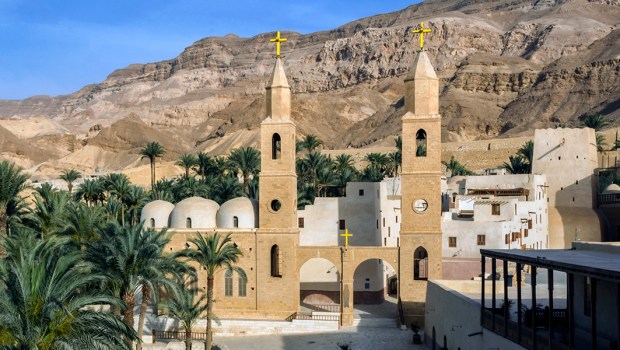
Highlights
- Biographical Overview: Detailed narrative of the leader’s formative years, career, and milestones in church history.
- Theological Impact: Analysis of the leader’s contributions to the development of theology and ethical leadership amid challenges.
- Ecclesiastical Application: Practical lessons from the leader’s life applied to contemporary ministry and reconciliation efforts in East Africa.
Thesis Statement
This paper examines the life and legacy of John Edward Church—a prominent figure whose work as a medical missionary and ecclesiastical leader in Rwanda spanned several decades. Focusing on three primary sections, the paper offers a biographical summary of Church's life, a theological analysis of his influence on church history, and an ecclesiastical application detailing lessons from his ministry for contemporary church practice in Rwanda and East Africa. While acknowledging the complexities inherent in his legacy, the analysis provides insights into bridging historical context with current challenges in African church ministry.
I. Biographical Summary
Early Life and Missionary Work
John Edward Church, widely known as Joe Church, began his journey as a missionary at the close of the 1920s. Born in the United Kingdom on August 10, 1899, Church felt a profound calling to serve in regions where the Christian message was yet to be deeply ingrained. His early years were marked by rigorous theological training and an eagerness to engage with communities that were on the cusp of embracing modernity and Western missionary support.
Period of Ministry and Key Contributions
Upon arriving in Rwanda, Church dedicated 44 years of his life to missionary work. As a medical missionary, he provided both spiritual guidance and essential healthcare services which helped establish a robust foundation for the local church. His role in initiating the East African Revival, which began in 1933 at the Gahini Hospital in Rwanda, was catalytic. This revival not only spurred widespread religious awakening but also sowed the seeds for community reform and social healing. His work, therefore, extended beyond conventional evangelism to include education, healthcare, and socio-economic development.
Challenges and Legacy
Despite his notable contributions, Church’s long tenure in Rwanda did not come without controversy. The complex dynamics between early missionary efforts and colonial influences played out in the local context, sometimes contributing inadvertently to tensions among different ethnic groups. However, his commitment to material improvements in health and education earned him respect from many within the communities. In documenting his life, it is essential to acknowledge both his constructive impacts and the structural challenges he navigated in a rapidly evolving social context.
Timeline of Major Events
| Year | Event |
|---|---|
| 1899 | Birth of John Edward Church in the United Kingdom |
| 1920s | Arrival in Rwanda and commencement of missionary work |
| 1933 | Initiation of the East African Revival at Gahini Hospital |
| 1960s | End of his active ministry period; continued influence on church reform |
| Post-1960s | Legacy continues to inspire modern ecclesiastical practices and community healthcare initiatives |
II. Theological Summary
Theological Contributions in His Era
John Edward Church’s theological impact in Rwanda was both profound and multifaceted. His approach to mission work was characterized by a deep belief in the synergy between physical healing and spiritual rebirth. He advocated for a form of Christianity that was inclusive, emphasizing the transformation of the whole person—spiritual, emotional, and physical.
Promoting Communal Values and Ethical Living
Church was instrumental in developing a theological perspective that underscored communal responsibility and ethical leadership. He believed that the church should be an agent of social reform, moving beyond the confines of traditional evangelism to embrace community development. His insistence on compassion, education, and economic participation in society resonated widely. Through his efforts, the church began to see itself not just as a religious body but as a key participant in societal progress.
Navigating Controversial Issues
The interplay between religion and colonial influence often placed Church in the midst of ethical dilemmas. While his contributions to healthcare and education were celebrated, there was an undercurrent of tension regarding the role of missionaries in perpetuating certain power dynamics. Nonetheless, Church’s commitment to inclusivity and his efforts to instill a sense of moral accountability in church leadership marked a turning point, encouraging a reflection on how church doctrine could be practically applied to foster unity.
Importance to Church History
In the broader tapestry of church history, Church’s work in Rwanda represents a critical juncture. His legacy is essential because it highlights the transformative potential of mission work beyond mere proselytization. By blending healthcare, education, and spiritual counseling, Church set an example for modern evangelistic strategies that emphasize holistic support. His life story demonstrates how ethical dilemmas and cultural challenges can be met with resilience and sincere efforts to uphold Christian values.
III. Ecclesiastical Application
Lessons for Contemporary Ministry
The lessons drawn from John Edward Church’s life are directly relevant to the contemporary church in Rwanda and East Africa. Today’s ministries face challenges of reconciliation, social justice, and the need for inclusive community engagement. Church’s unwavering commitment to ethical leadership and holistic care provides a blueprint for overcoming these challenges. His life underscores that modern ministry must be proactive in addressing the needs of both the body and soul.
Moral and Ethical Leadership
One of the foremost lessons from Church’s legacy is the importance of moral clarity in leadership. In a time when church leaders are held liable for both their spiritual guidance and their ethical decisions, fostering a ministry that prioritizes compassion, integrity, and accountability is paramount. Contemporary church leadership in Rwanda can take inspiration from Church’s example by institutionalizing practices that encourage transparency and collective responsibility.
Community Engagement and Reconciliation
The post-genocide era and ongoing reconciliation efforts in Rwanda and East Africa demand that church ministries focus on healing divisions. Church’s method of integrating health care, education, and grassroots pastoral care offers a model for community engagement that transcends mere religious instruction. Today's church can employ similar strategies by developing community programs that address historical wounds, improve socioeconomic conditions, and promote intercultural dialogue.
Adapting to Changing Societal Needs
The evolving nature of societal challenges requires that church ministry adapts while staying true to its core values. Church’s work during a time of great social and political change demonstrates the need for flexibility in the face of modern dilemmas. Ministries today must combine spiritual mentorship with practical interventions such as public health initiatives, educational reforms, and community empowerment projects to counter the legacies of past conflicts.
Bibliography
- A Brief History of the Church in Rwanda - Dictionary of African Christian Biography
- John Edward Church - Wikipedia
- Catholic Church in Rwanda - Conférence Episcopale du Rwanda
- Christian Leaders in Africa Mark 30 Years Since Rwandan Genocide - National Catholic Register
- Christianity in Rwanda: Influence And Impact on Society - AfroDiscovery
- Church, John Edward (1899-1989) - Boston University Missiology
- Christian Churches and the 1994 Rwandan Genocide - E-International Relations
Recommended Further Queries
 itsrwanda.blogspot.com
Last updated March 8, 2025