
Comprehensive CI/CD Strategy for Multi-Component Systems
Balancing Autonomy and Centralized Control for Scalable Development
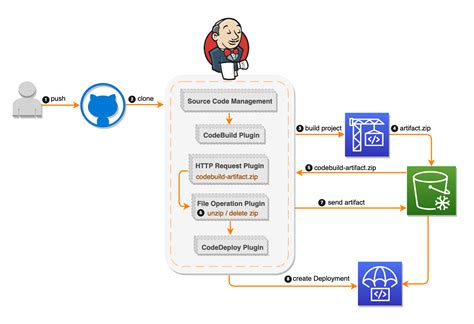
Key Takeaways
- Modular Pipeline Design: Each component repository manages its build and triggers centralized testing, ensuring autonomy and scalability.
- Dynamic Test Generation: Leveraging configuration files to dynamically create test jobs enhances flexibility and reduces maintenance overhead.
- Secure Artifact and Data Handling: Implementing robust security measures for sensitive data and efficient artifact management ensures system integrity and performance.
1. Pipeline Structure
Component Repositories
Each component repository (e.g., repo1, repo2) should maintain its own CI pipeline responsible for building artifacts and initiating the central testing pipeline. This autonomy allows each component to evolve independently while adhering to the overall system architecture.
- Independent CI Pipelines:
Define separate CI pipelines within each repository to handle build processes, ensuring that component-specific requirements are adequately addressed.
- Triggering Central Tests:
After successful builds, the component pipelines should trigger the
test-centralpipeline. This can be achieved using pipeline triggers or API calls, facilitating seamless integration between component development and centralized testing.
Central Testing Repository (test-central)
The test-central repository houses the testing logic for all components. Its pipeline is designed to dynamically generate and execute test jobs based on configurations received from each component repository.
- Dynamic Test Job Generation:
Utilize templating systems or scripting to parse configuration files (e.g.,
test_suites.yaml) and create corresponding test jobs dynamically. This approach accommodates varying test requirements without necessitating changes to the central pipeline structure. - Scalable Integration:
Ensure that the central testing pipeline can handle multiple concurrent test jobs, allowing for efficient testing as the number of components grows.
2. Configuration Passing
YAML Configuration (test_suites.yaml)
Each component repository defines its test configurations within a test_suites.yaml file. This file outlines the necessary environment variables, test scripts, and artifact information required for testing.
- Defining Test Scenarios:
Specify different test suites within the YAML file, detailing the environment setup and scripts to execute. This modular approach allows for comprehensive and organized testing.
- Passing Configurations:
Send the
test_suites.yamlfile to thetest-centralpipeline either as a pipeline variable or an artifact. If direct file passing is unsupported, consider encoding the YAML content as a string.
Environment Variables
Environment variables are crucial for test execution. These variables can be passed alongside the configuration files to ensure that the testing environment is accurately replicated.
- Pipeline Variables:
Transmit environment variables from component repositories to the
test-centralpipeline using pipeline variables, ensuring that the necessary context is available during test execution. - Handling File-Based Variables:
For variables stored in files, encode the content (e.g., using base64) and pass it as a string variable. Decode the content within the child pipeline before utilizing it in test scripts.
3. Artifact Management
Artifact Storage
Efficient artifact management ensures that build results are accessible for testing and deployment. Artifacts such as flashware should be stored in a centralized repository to facilitate easy access by the central testing pipeline.
- Shared Artifact Repository:
Use platforms like AWS S3, Azure Blob Storage, or dedicated artifact managers like Artifactory to store build artifacts. This centralization simplifies artifact access and management.
- Artifact Accessibility:
Provide the
test-centralpipeline with the location (URL or path) of the artifacts to enable seamless retrieval during test execution.
Artifact Passing
Ensuring that artifacts are efficiently passed between pipelines is vital for maintaining the integrity and continuity of the CI/CD process.
- Direct Artifact Passing:
If supported by the CI/CD platform, utilize artifact passing features to transfer artifacts directly between pipelines.
- Alternative Methods:
If direct passing is not feasible, upload artifacts to a shared storage solution within the component pipeline and download them within the
test-centralpipeline as needed.
4. Dynamic Test Execution
Test Job Generation
The ability to dynamically generate test jobs based on received configurations allows the CI/CD pipeline to adapt to varying test requirements without manual intervention.
- Parsing Configuration Files:
Use scripts or templating engines to parse the
test_suites.yamlfile and create corresponding test jobs. For instance, multiple test suites can result in separate jobs, each tailored to serve specific testing criteria. - Automated Job Creation:
Implement automation within the
test-centralpipeline to continuously adapt to new or modified test configurations, ensuring that all necessary tests are executed without delays.
Environment Variables in Test Scripts
Proper handling of environment variables within test scripts is essential for accurate and reliable test execution.
- Injecting Variables:
Pass environment variables to test scripts via pipeline variables or by directly injecting them into the test environment. This ensures that tests have access to the necessary context and configurations.
- Secure Variable Handling:
Ensure that sensitive environment variables are handled securely, avoiding exposure in logs or unauthorized access within the pipeline.
5. Scalability and Maintenance
Modular Design
A modular pipeline structure facilitates scalability and ease of maintenance by decoupling component-specific processes from centralized testing mechanisms.
- Independent Modules:
Design the
test-centralpipeline to be independent of individual component repositories, allowing for the addition or removal of components without significant restructuring. - Configuration-Based Extensions:
Introduce new components or test suites by merely updating the configuration files within the respective repositories, eliminating the need for manual adjustments in the central pipeline.
Version Control
Maintaining version control over configuration files ensures consistency and traceability across different environments and pipeline iterations.
- Tracking Changes:
Utilize version control systems to monitor changes in
test_suites.yamland other configuration files, enabling rollback and auditing when necessary. - Consistency Across Environments:
Ensure that all environments (development, staging, production) adhere to consistent configurations to prevent discrepancies during testing and deployment.
6. Security and Data Handling
Sensitive Data
Handling sensitive data securely is paramount to maintain the integrity and confidentiality of the CI/CD process.
- Secrets Management:
Employ secure secrets management tools like HashiCorp Vault or AWS Secrets Manager to store and retrieve sensitive information, ensuring that it is not exposed in plaintext within pipelines or configuration files.
- Protected Variables:
Use pipeline variables marked as protected and masked to prevent unauthorized access and ensure that sensitive data is not inadvertently exposed during pipeline execution.
Large Files
Efficiently managing large files is essential to maintain pipeline performance and prevent storage bottlenecks.
- Dedicated Storage Solutions:
Store large artifacts in dedicated storage solutions like AWS S3 or Azure Blob Storage, referencing them via URLs or paths within the pipelines.
- Artifact Expiry Management:
Implement expiry policies for artifacts to manage storage effectively and prevent unnecessary accumulation of obsolete files.
7. Implementation Example
Below is an example implementation using GitLab CI/CD, demonstrating how component pipelines trigger the central testing pipeline and handle configuration passing and artifact management.
Component Pipeline (repo1)
stages:
  - build
  - trigger_test

build_artifact:
  stage: build
  script:
    - ./build_script.sh
  artifacts:
    paths:
      - build/flashware.bin

trigger_test_central:
  stage: trigger_test
  script:
    - echo "Triggering test-central pipeline"
    - curl -X POST -H "PRIVATE-TOKEN: $CI_JOB_TOKEN" "https://gitlab.example.com/api/v4/projects/123/trigger/pipeline" --form "variables[TEST_CONFIG]=$(base64 test_suites.yaml)"
Central Testing Pipeline (test-central)
stages:
  - generate_tests
  - run_tests

generate_test_jobs:
  stage: generate_tests
  script:
    - echo "$TEST_CONFIG" | base64 --decode > test_suites.yaml
    - python generate_test_jobs.py test_suites.yaml

run_tests:
  stage: run_tests
  script:
    - ./run_tests.sh
8. Security Best Practices
Handling Secrets
Protecting secrets and sensitive data within the CI/CD pipeline is critical to maintain security and prevent unauthorized access.
- Secure Storage:
Store all sensitive information in secure secrets managers and retrieve them dynamically during pipeline execution.
- Restricted Access:
Limit access to secrets based on roles and responsibilities, ensuring that only authorized personnel and processes can access sensitive data.
Artifact Security
Ensuring the integrity and security of artifacts is essential to prevent compromised builds from reaching production environments.
- Access Control:
Implement strict access controls on artifact repositories to prevent unauthorized modifications or access.
- Artifact Verification:
Use checksums or digital signatures to verify the integrity of artifacts before they are deployed or tested.
9. Monitoring and Maintenance
Pipeline Metrics
Monitoring pipeline performance and success rates provides valuable insights into the CI/CD process, enabling continuous improvement.
- Performance Tracking:
Collect metrics such as pipeline duration, job success rates, and failure trends to identify areas for optimization.
- Alerting Mechanisms:
Set up alerts for pipeline failures or performance degradation to ensure timely responses to issues.
Resource Cleanup
Implementing cleanup jobs helps manage resource utilization and maintain a tidy pipeline environment.
-
Automated Cleanup:
Create jobs that automatically clean up temporary resources or artifacts after pipeline execution, freeing up storage and reducing clutter.
-
Timeout Conditions:
Set timeout conditions for long-running tests or jobs to prevent resource hogging and ensure that pipelines remain efficient.
Conclusion
Implementing a robust CI/CD strategy for a multi-component system requires a balance between component autonomy and centralized control. By designing modular pipelines, leveraging dynamic test generation, and ensuring secure artifact and data handling, organizations can achieve scalable and maintainable CI/CD processes. This comprehensive approach not only streamlines development and testing workflows but also enhances system reliability and security.
References
By following these guidelines and leveraging the provided strategies, organizations can establish a CI/CD framework that is both resilient and adaptable, meeting the evolving demands of a multi-component development environment.
Last updated January 19, 2025