
The Unfolding Saga: Circle, Coinbase, and the $350 Million Patent Showdown
Intellectual Property Battles, Strategic Maneuvers, and Unresolved Uncertainty in the Crypto Giants' Futures
Key Insights into the Crypto Patent Wars
- Veritaseum's Patent '566: Both Circle and Coinbase face significant lawsuits alleging infringement of U.S. Patent No. 11,196,566B2, which covers low-trust value transfer agreements on blockchain networks.
- Uncertain Legal Landscape: While Coinbase's attempt to invalidate the patent via an IPR challenge (IPR2023-00751) at the USPTO's PTAB was unsuccessful, the lawsuit against it was dismissed without prejudice due to the plaintiff's attorney's death, leaving the possibility of refiling open.
- Circle's Strategic Crossroads: Amidst its own $350 million patent dispute, Circle is pursuing an IPO, has faced acquisition rumors from Coinbase and Ripple, and is reportedly attracting major interest from BlackRock, all under the shadow of potential renewed litigation.
The Genesis of Conflict: Veritaseum's Patent and Its Broad Implications
The cryptocurrency industry, known for its rapid innovation, is increasingly becoming a battleground for intellectual property rights. At the heart of a significant legal dispute are two major players, Circle Internet Financial and Coinbase Global Inc., both facing substantial patent infringement claims from blockchain software firm Veritaseum Capital LLC. The core of these lawsuits revolves around U.S. Patent No. 11,196,566B2 (the "’566 Patent"), a pivotal invention by Veritaseum founder Reggie Middleton.
This patent describes novel devices, systems, and methods enabling parties to enter into and enforce value transfer agreements with minimal or no pre-existing trust. This technology is broadly applicable across various blockchain infrastructure services, including crypto payments, trading, staking, and decentralized finance (DeFi) activities. Veritaseum alleges that both Circle and Coinbase have utilized this patented technology across their respective platforms, leading to claims for at least $350 million in damages from each company.
Coinbase's Defensive Stance and the PTAB Challenge
Coinbase was the first to face Veritaseum’s legal challenge, with a lawsuit filed in September 2022 in the U.S. District Court in Delaware. Veritaseum asserted that Coinbase’s operations, including its website, mobile app, Coinbase Cloud, Coinbase Commerce APIs, Query and Transact, Participate, Delegate and Validator software, Coinbase Pay, Coinbase Wallet, and Coinbase Operated Public Validators, infringed upon the ’566 Patent. The lawsuit sought $350 million in damages, alleging that Coinbase had gained "substantial profits" from the unauthorized use of this technology.
In response, Coinbase, represented by the powerhouse law firm Perkins Coie, launched an aggressive defense. A key component of their strategy was filing an Inter Partes Review (IPR) challenge (IPR2023-00751) at the Patent Trial and Appeal Board (PTAB) of the United States Patent and Trademark Office (USPTO). The goal of this IPR was to invalidate the ’566 Patent, arguing that its claims lacked novelty or were obvious given prior art.
Despite Coinbase's efforts, the PTAB did not rule in their favor. The IPR challenge was ultimately dismissed without prejudice due to the untimely death of Veritaseum’s lead plaintiff attorney, Carl Brundidge. While this meant Coinbase's arguments regarding the patent's validity were not fully adjudicated, the USPTO's rejection of Coinbase's IPR challenge had the effect of validating the novelty and enforceability of Veritaseum's patent at that time. The dismissal "without prejudice" is critical, as it signifies that the lawsuit can be refiled once Veritaseum secures new legal representation, leaving the threat of renewed litigation hanging over Coinbase.
The YouTube video below delves into a different, but equally significant, legal challenge faced by Coinbase, highlighting the broader legal complexities within the crypto industry. While not directly related to the '566 Patent, it underscores the constant scrutiny and legal battles crypto companies navigate.
Video: Coinbase's Chief Legal Officer Paul Grewal discusses the outcome of an SEC lawsuit, illustrating the company's continuous engagement with regulatory and legal challenges.
Circle's Entanglement: USDC Under the Patent's Gaze
Following its action against Coinbase, Veritaseum Capital extended its patent infringement claims to Circle Internet Financial Ltd. in December 2022. Filed in a Texas federal court, this lawsuit similarly alleged that Circle’s transfer technology, blockchain infrastructure, and other features, including its USDC transfers and services, infringed upon the same ’566 Patent. Specifically, the complaint asserted that claims 1 and 2 of the patent were infringed by Circle's USDC transfers and services, and Claim 4 by the minting of USDC. Veritaseum is also seeking at least $350 million in damages from Circle.
The lawsuit against Circle adds another layer of complexity to the stablecoin issuer's already intricate strategic landscape, given its pivotal role in the stablecoin ecosystem as the issuer of USDC, the second-largest stablecoin globally.
Navigating a Turbulent Market: Circle's Strategic Maneuvers
Despite the looming intellectual property disputes, Circle has been aggressively pursuing significant business developments, signaling its ambition to solidify its position in the crypto and traditional finance worlds. These strategic moves are happening concurrently with the unresolved patent issues, creating a unique environment of both opportunity and risk.
IPO Aspirations and Previous Attempts
Circle has been actively preparing for an Initial Public Offering (IPO), a move that would mark a major milestone for the company and the broader stablecoin market. The company filed with the SEC to go public, aiming to raise a substantial amount, reportedly as much as $750 million, by offering shares at an estimated price of $24 to $26 each. This is Circle's second attempt to go public, following an unsuccessful SPAC (Special Purpose Acquisition Company) deal in 2022.
Acquisition Rumors and Denials
Adding to the strategic complexities, rumors have circulated about potential acquisitions of Circle by major crypto players. Reports suggested that both Coinbase, its longtime partner in USDC issuance, and Ripple, the company behind XRP, were exploring a potential acquisition. Some rumors even indicated Ripple's offer could reach $20 billion. However, Circle has publicly denied these acquisition talks, stating its focus remains firmly on its IPO and rejecting notions of selling to potential buyers.
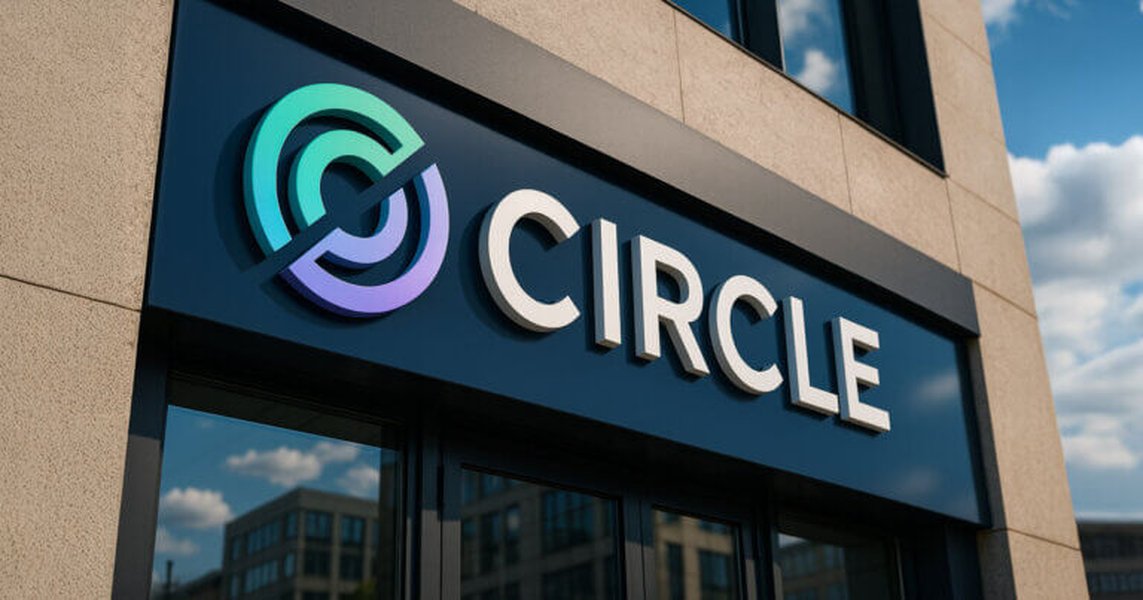
Image: Visual representation of Circle, highlighting its central role in stablecoin discussions and market maneuvers.
BlackRock's Strategic Interest
Further intensifying the spotlight on Circle, asset management giant BlackRock, an existing backer of Circle, is reportedly planning to acquire approximately 10% of the shares offered in Circle's IPO. This potential investment underscores BlackRock's deepening presence in the digital asset sector, especially following the successful launch of its iShares Bitcoin Trust (IBIT). BlackRock already manages a government money market fund on behalf of Circle, which holds 90% of the reserves backing the USDC stablecoin. Such a significant investment from the world’s largest asset manager signals growing confidence in stablecoin infrastructure and digital financial systems, even amidst the backdrop of the ongoing patent infringement lawsuit.
Assessing the Strategic Landscape of Circle and Coinbase
The confluence of legal challenges, strategic partnerships, and market aspirations creates a complex risk profile for both Circle and Coinbase. Understanding these dynamics is crucial for grasping their future trajectory. Below, a radar chart visually summarizes various strategic and legal aspects affecting both companies, providing an opinionated analysis of their current positions in the crypto landscape.
The radar chart above provides an analytical snapshot of Circle's and Coinbase's relative strengths and vulnerabilities. "Legal Vulnerability (Patent)" reflects the ongoing patent infringement lawsuits and the potential for refiling. "Market Dominance" signifies their respective positions in the stablecoin and crypto exchange markets. "IPO Readiness" assesses their progress towards public listing. "Acquisition Appeal" indicates their attractiveness as acquisition targets. "Institutional Backing" evaluates the extent of support from traditional financial institutions like BlackRock. "Operational Resilience" measures their ability to withstand market volatility and legal pressures. This chart offers a comparative view, highlighting where each company stands amidst the current industry challenges.
The Interplay of Legal and Business Decisions
The patent infringement lawsuits and strategic business moves of Circle and Coinbase are deeply intertwined. The outcome of the patent disputes, particularly the possibility of the Coinbase case being refiled, casts a significant shadow over their future operations and market standing.
Uncertainty from Refiled Lawsuits
The dismissal of the Coinbase lawsuit without prejudice means that Veritaseum could refile the case at any time. This unresolved threat creates considerable uncertainty for both Coinbase and Circle. A renewed legal battle could lead to substantial financial implications, including potentially massive damages, legal fees, and reputational damage. For Circle, specifically, the patent uncertainty could impact investor confidence in its IPO, potentially affecting its valuation and the success of its public offering.
Impact on M&A and Partnerships
The ongoing legal issues also complicate potential mergers and acquisitions. While Circle has denied recent acquisition rumors, the underlying legal vulnerabilities might influence future negotiations or the terms of any potential deal. Similarly, the legal standing of both companies could affect their ability to forge new partnerships or expand existing ones in the rapidly evolving crypto landscape. The potential for BlackRock's significant stake in Circle's IPO, for example, comes with the implicit understanding of these legal risks.
Key Aspects of the Patent Disputes and Business Dynamics
To further illustrate the multifaceted nature of the challenges faced by Circle and Coinbase, the following table summarizes the key aspects of the patent infringement lawsuits and the strategic business developments discussed:
| Aspect | Description | Impact on Circle | Impact on Coinbase |
|---|---|---|---|
| '566 Patent Allegation | U.S. Patent No. 11,196,566B2 (low-trust value transfer) infringement claims. | Lawsuit for $350M, affecting USDC transfers and minting. | Lawsuit for $350M, affecting various infrastructure and services. |
| Plaintiff | Veritaseum Capital LLC (Reggie Middleton). | Initiated lawsuit against Circle in Texas. | Initiated lawsuit against Coinbase in Delaware. |
| Coinbase IPR Challenge | IPR2023-00751 at USPTO's PTAB to invalidate '566 Patent. | Indirectly validated patent validity. | Unsuccessful, dismissed without prejudice due to attorney's death; potential refiling. |
| Circle's IPO Plans | Seeking to go public, target raise up to $750M. | Uncertainty from patent lawsuit could impact valuation and investor confidence. | N/A (as a potential acquirer, it's a different dynamic). |
| Acquisition Rumors | Circle rumored to be selling to Coinbase or Ripple. | Publicly denied, but reflects strategic options under pressure. | Considered potential acquirer, demonstrating industry consolidation interest. |
| BlackRock's Interest | Considering 10% stake in Circle's IPO. | Significant institutional validation, but with inherent legal risks. | N/A (focused on Circle's IPO). |
| Unresolved Litigation | Dismissal without prejudice means lawsuits can be refiled. | Ongoing legal exposure and potential future financial liabilities. | Ongoing legal exposure and potential future financial liabilities. |
This table comprehensively outlines the intertwined legal and business aspects impacting Circle and Coinbase. It highlights the direct and indirect consequences of the '566 patent litigation on their operational strategies, market positioning, and financial prospects.
A Mindmap of Interconnected Challenges
The various elements influencing Circle and Coinbase — from legal battles to market aspirations and institutional interest — are deeply interconnected. This mindmap visually represents these relationships, illustrating how each factor contributes to the complex strategic environment both companies operate within.
This mindmap illustrates the interconnected web of legal challenges and strategic business decisions impacting Circle and Coinbase. It highlights how the '566 patent lawsuits form a central node influencing IPO aspirations, acquisition talks, and institutional investments for both companies, underscoring the pervasive uncertainty in the crypto landscape.
Conclusion: A Tense Equilibrium
The patent infringement lawsuits against Circle and Coinbase, centered around Veritaseum's '566 Patent, represent a critical juncture for intellectual property enforcement in the blockchain space. The significant damages sought—$350 million from each—coupled with the unresolved status of the litigation following the dismissal without prejudice of Coinbase's case, cast a long shadow of uncertainty over both companies.
For Circle, this legal pressure exists alongside ambitious strategic moves, including its IPO aspirations, past acquisition rumors involving Coinbase and Ripple, and the notable interest from institutional giants like BlackRock. These dynamics create a tense equilibrium, where Circle attempts to forge ahead with growth and market consolidation while simultaneously navigating potential renewed legal battles. Similarly, Coinbase, a major player in the crypto ecosystem, remains vulnerable to the refiling of the lawsuit, adding another layer of complexity to its operational and strategic planning.
The coming months will be crucial in determining how these intertwined legal and business narratives unfold. The resolution of the patent infringement issue, whether through settlement, refiling, or definitive court decisions, will undoubtedly shape the future of stablecoins, crypto exchanges, and intellectual property rights within the rapidly evolving digital asset industry.
Frequently Asked Questions (FAQ)
What is the '566 Patent and what does it cover?
Why were Circle and Coinbase sued for $350 million each?
What was the outcome of Coinbase's IPR challenge against the '566 Patent?
Are Circle's IPO plans affected by the patent lawsuit?
What is BlackRock's rumored involvement with Circle?
Recommended Searches
- How do patent infringement lawsuits impact tech IPOs?
- What is the role of the Patent Trial and Appeal Board (PTAB) in patent litigation?
- Future outlook for USDC stablecoin amidst legal challenges
- BlackRock's strategy for investing in blockchain and stablecoin companies