
Circulatory System: An In-Depth Report
Exploring the Vital Network that Sustains Life
Key Highlights
- The Integral Role of the Heart: Acts as the central pump, orchestrating blood circulation.
- Diverse Blood Vessels and Their Functions: Arteries, veins, and capillaries form an interconnected system for transport.
- Maintenance of Homeostasis: Regulates nutrients, oxygen, hormones, waste removal, and body temperature.
Introduction to the Circulatory System
The circulatory system, also referenced as the cardiovascular system, is an intricate network essential for life. Its primary mission is to distribute vital substances throughout every part of the body and to ensure the efficient removal of metabolic wastes. This system encompasses the heart, a central muscular pump, a robust network of blood vessels including arteries, veins, and capillaries, as well as the blood itself, which carries essential elements such as oxygen, nutrients, hormones, and waste. Failure or impairment within this system can lead to severe health repercussions, making understanding its function and structure critical.
Anatomical Components of the Circulatory System
The Heart
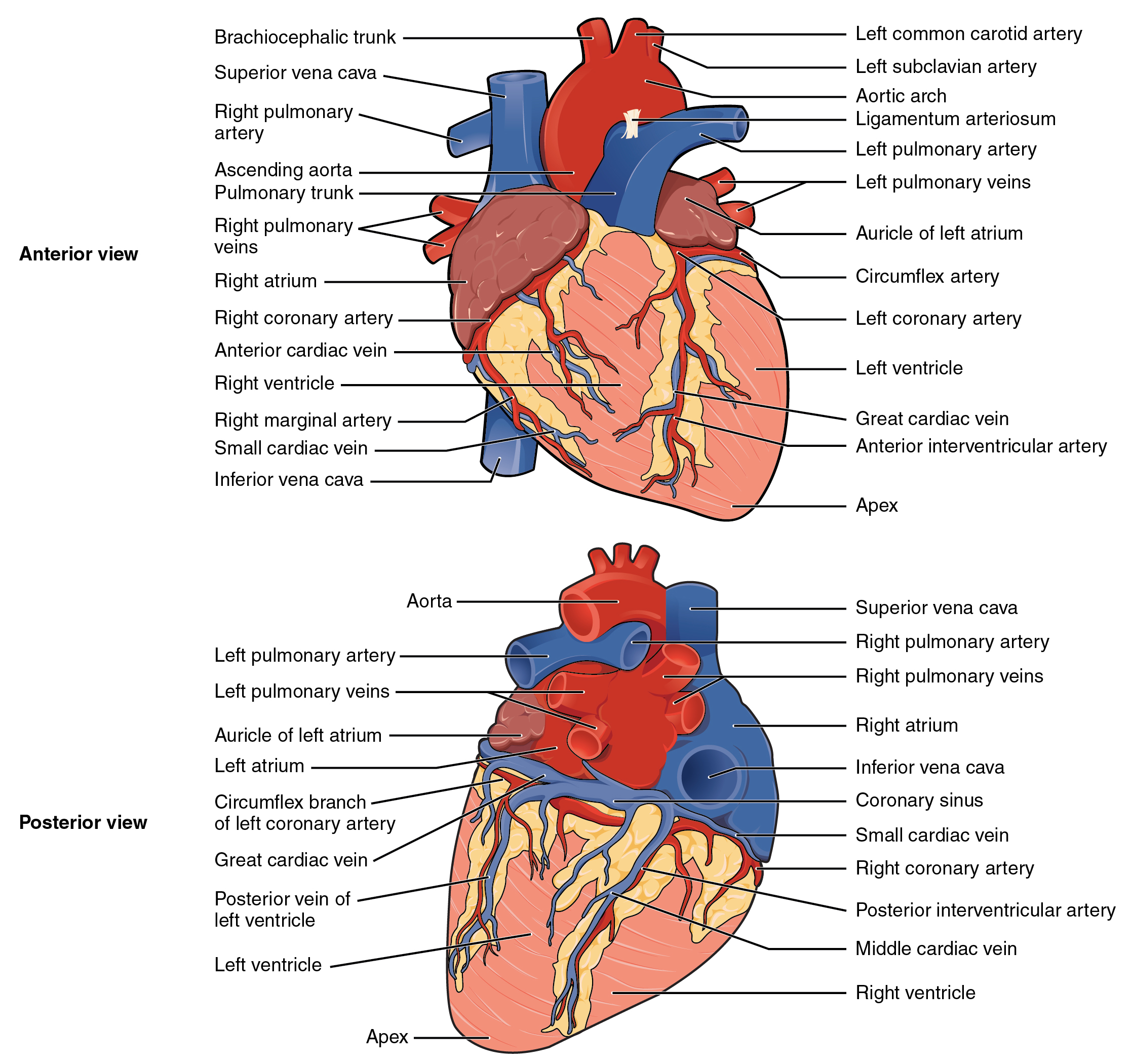
At the center of the circulatory system lies the heart, a muscular organ with four chambers: the left and right atria, and the left and right ventricles. As the heart beats, it propels blood to the lungs via the pulmonary circuit for oxygenation and then circulates oxygen-rich blood throughout the body via the systemic circuit. This two-step process not only revitalizes the blood but also ensures that every cell receives sufficient oxygen for metabolic needs.
Blood Vessels
The circulatory system is supported by an expansive network of blood vessels that are specialized based on form and function:
Arteries
Arteries are thick-walled vessels that carry oxygenated blood from the heart to various tissues. The notable exception is the pulmonary artery which transports deoxygenated blood to the lungs. Their robust structure enables arteries to withstand high pressure as the heart pumps blood forcefully through them.
Veins
Veins function oppositely to arteries by returning deoxygenated blood back to the heart. Typically characterized by thinner walls and equipped with valves, veins ensure that blood flows in a single direction, preventing any backflow that might lead to congestion.
Capillaries
Capillaries are the smallest and most delicate blood vessels. Their walls are only one cell thick, which facilitates the exchange of oxygen, carbon dioxide, nutrients, and metabolic waste products between blood and the body’s tissues. These vessels serve as the interfaces where vital exchanges occur.
Blood: The Transport Medium
Blood operates as the delivery vehicle of the circulatory system. It comprises red blood cells that carry oxygen via hemoglobin, white blood cells that form the immune defense against pathogens, platelets that contribute to clotting, and plasma – the liquid component which transports various nutrients and hormones. This dynamic mixture not only sustains the cells and tissues but also plays a critical role in regulating body temperature and maintaining the pH balance.
Dual Circulatory Pathways
Pulmonary Circulation
The pulmonary circuit represents the first leg of the circulatory journey. Here, deoxygenated blood is directed from the right ventricle of the heart to the lungs. In these pulmonary capillaries, the blood undergoes a crucial transformation: carbon dioxide is removed and oxygen is absorbed. The oxygen-enriched blood then makes its way back to the left atrium of the heart, ready to be disseminated throughout the body. This circuit is essential for gas exchange and underscores the interdependence of the respiratory and circulatory systems.
Systemic Circulation
Following its oxygenation, blood is pumped from the heart’s left ventricle into the systemic circulation. This circuit delivers oxygen and vital nutrients to every cell in the body. After nourishing these cells, the oxygen is consumed and the blood collects metabolic wastes such as carbon dioxide, which are then directed back to the heart through veins, completing the circuit. The systemic pathway reaches every extremity and organ, underscoring its role as the backbone of bodily functions.
Physiological Functions and Regulation
Transportation of Nutrients and Oxygen
The circulatory system is primarily tasked with the transportation of oxygen from the lungs to tissues and the delivery of nutrients absorbed from digestion. Red blood cells, laden with hemoglobin, are at the forefront of this process. Oxygen, a critical element for cellular metabolism, is bound within hemoglobin molecules and released near the cells where it is most needed. Simultaneously, nutrients such as glucose, amino acids, and fatty acids are delivered to support cellular function and growth.
Removal of Metabolic Waste
Equally important is the role of the circulatory system in the removal of metabolic waste. As cells undergo energy production, by-products like carbon dioxide and urea are generated. Carbon dioxide is predominantly expelled through the lungs during exhalation, while waste such as urea is filtered out by the kidneys. This dual system of waste disposal ensures that cells do not accumulate toxic substances that could jeopardize their functionality.
Regulation of Body Temperature, pH, and Hormone Distribution
Beyond transportation, the circulatory system is crucial in regulating several homeostatic factors:
- Temperature Regulation: Blood flow adjusts to help dissipate or conserve heat, ensuring that the internal body temperature remains within an optimal range.
- Acid-Base Balance: By regulating the pH of the blood, the circulatory system helps maintain the appropriate chemical environment necessary for enzymatic processes and overall cellular function.
- Hormone Distribution: Hormones produced by endocrine glands are delivered efficiently to target organs and cells, ensuring that physiological processes such as growth, metabolism, and reproduction are properly regulated.
Health Implications and Diseases
Common Cardiovascular Conditions
Problems within the circulatory system are among the most significant health challenges globally. Too often, disturbances in blood flow or structural anomalies can lead to serious, sometimes life-threatening, conditions. Some of the predominant cardiovascular diseases include:
Hypertension
Hypertension, or high blood pressure, is a condition in which the force exerted by the blood against the arterial walls is consistently too high. Over time, this leads to damage of the arteries, heart muscle strain, and increases the risk for events such as strokes and heart attacks.
Atherosclerosis
Atherosclerosis is characterized by the buildup of plaque within the arterial walls. This plaque, composed of cholesterol, fats, and other substances, narrows the arteries, restricts blood flow, and can ultimately lead to blockages that precipitate cardiovascular events including heart attacks and strokes.
Coronary Artery Disease
This form of heart disease emerges when the arteries supplying blood to the heart muscle itself become narrowed or blocked. The resulting decreased oxygen supply to the heart can trigger angina (chest pain) or myocardial infarction (heart attack).
Heart Failure
Heart failure is the condition where the heart is unable to pump sufficient blood to meet the body’s needs. This results in symptoms such as fatigue, shortness of breath, and fluid retention, and it often requires extensive medical management and lifestyle changes.
Nutrition and Lifestyle Management
Maintaining a healthy circulatory system extends beyond medical interventions; lifestyle choices play a crucial role. A well-balanced diet that is rich in fruits, vegetables, lean proteins, and whole grains helps reduce the accumulation of plaque in arteries and supports healthy blood pressure levels. Regular physical exercise strengthens the heart muscle, improves circulation, and enhances overall cardiovascular fitness. Equally important is the need to avoid smoking and manage stress, as these factors can adversely affect vascular integrity and heart function.
Integrated Overview: An HTML Table Synthesis
Below is a table that integrates crucial aspects of the circulatory system into one succinct representation:
| Component | Function | Key Features |
|---|---|---|
| Heart | Pumps blood through the circulatory system. | Four chambers; central pump; works with pulmonary and systemic circuits. |
| Arteries | Carry oxygenated blood from the heart to the body (except pulmonary arteries). | Thick walls; high pressure; directional blood flow. |
| Veins | Return deoxygenated blood to the heart (except pulmonary veins). | Thin walls; contain valves; lower pressure relative to arteries. |
| Capillaries | Exchange oxygen, nutrients, and wastes between blood and tissues. | One cell thick; high permeability; extensive networks. |
| Blood | Transports essential elements and immune cells. | Contains red and white blood cells, platelets, and plasma; facilitates temperature regulation, pH balance, and immune responses. |
Physiological Synergy and Homeostasis
The circulatory system does not operate in isolation; it works symbiotically with other primary body systems such as the respiratory, digestive, and renal systems. The respiratory system ensures that oxygen enters the bloodstream via the pulmonary circuit, while the digestive system contributes essential nutrients that are absorbed into the blood. In parallel, the renal system collaborates in waste management by filtering out by-products of metabolism.
Moreover, a crucial function of the circulatory system is to regulate homeostasis. By constantly monitoring and adjusting blood flow, the system helps in maintaining body temperature, ensuring that pH levels are accurate, and balancing electrolyte concentrations. This homeostatic regulation is fundamental to everyday functioning and survival.
Advances in Cardiovascular Medicine
Medical science has made significant strides in understanding and treating cardiovascular disorders. Technological advancements, such as cardiac imaging, non-invasive diagnostic tests, and minimally invasive surgeries, have revolutionized the approach to treating circulatory system diseases. Innovations in biomedical engineering have led to the development of artificial hearts, stents, and improved procedures for heart transplantation.
Research continues to expand our understanding of genetic factors, environmental impacts, and lifestyle influences on cardiovascular health. As this knowledge grows, so does the potential for individualized medicine, wherein treatments can be finely tuned to a person’s unique biological makeup. This progress highlights the dynamic relationship between clinical research, technology, and the practical improvements in treatments for conditions such as hypertension, atherosclerosis, and heart failure.
The Role of Education and Public Health Initiatives
Public awareness and education about the circulatory system have a pivotal impact on societal health outcomes. Knowledge empowers individuals to make lifestyle choices that promote cardiovascular health. Many organizations and health institutions run campaigns to educate the public on the importance of exercise, healthy eating, and regular medical check-ups. Encouragingly, physicians and health professionals are increasingly adopting preventive measures.
Additionally, school and community programs are designed to instill the basics of cardiovascular health early on. Through interactive lectures, hands-on demonstrations, and community activities, these programs emphasize the importance of not only understanding the circulatory system but also adopting habits that reduce the risk of cardiovascular diseases. The synergy between healthcare providers and public health initiatives offers hope for reducing the global burden of heart-related diseases.
Application of Circulatory System Knowledge in Daily Life
A deep understanding of the circulatory system is not purely academic. This knowledge has practical significance in promoting wellness in day-to-day life. Individuals who comprehend how their circulatory system works tend to be more vigilant about the signs of cardiovascular distress, such as chest pain, shortness of breath, or unusual fatigue. Such awareness often leads to timely medical intervention, which can drastically reduce the severity of outcomes in emergencies.
Furthermore, many wellness programs now integrate cardiovascular health metrics into their regimes. Fitness trackers and health monitoring devices regularly record heart rate, blood pressure, and activity levels, all aimed at preventing overexertion and ensuring optimal cardiovascular performance. In this manner, the circulatory system’s functions are not only studied in medical institutions but are also monitored actively in everyday life.
Future Outlook and Continuing Research
Continuing breakthroughs in circulatory system research promise further advancements in both diagnostics and interventions. Future research is poised to explore regenerative medicine, such as stem cell therapy to repair damaged heart tissues, and the development of biocompatible materials that can further improve the design of cardiovascular implants. Innovations in data science and machine learning are also being used to predict cardiovascular events, enabling earlier and more effective interventions.
In tandem with technological and medical research, there has been a strong push towards public health reforms and policies that support cardiovascular wellness. These developments not only contribute to longer life spans but also enhance the quality of life through improved cardiovascular health. As research evolves, so will the strategies for managing and preventing cardiovascular disease, demonstrating that the circulatory system remains a vibrant and dynamic field of study.
References
-
Circulatory System: Anatomy and Function - Cleveland Clinic
-
How Your Circulatory System Works - Cleveland Clinic
- Circulatory system | Functions, Parts, & Facts | Britannica
- Your Heart & Circulatory System (for Teens) | Nemours KidsHealth
- Circulatory system: Structure, function, parts, diseases - Kenhub
Recommended Further Inquiries
Last updated March 14, 2025