
Innovative Experimental Research Topic in Philippine Civil Engineering
Exploring Sustainable and Resilient Structural Solutions Incorporating Local Materials
Key Takeaways
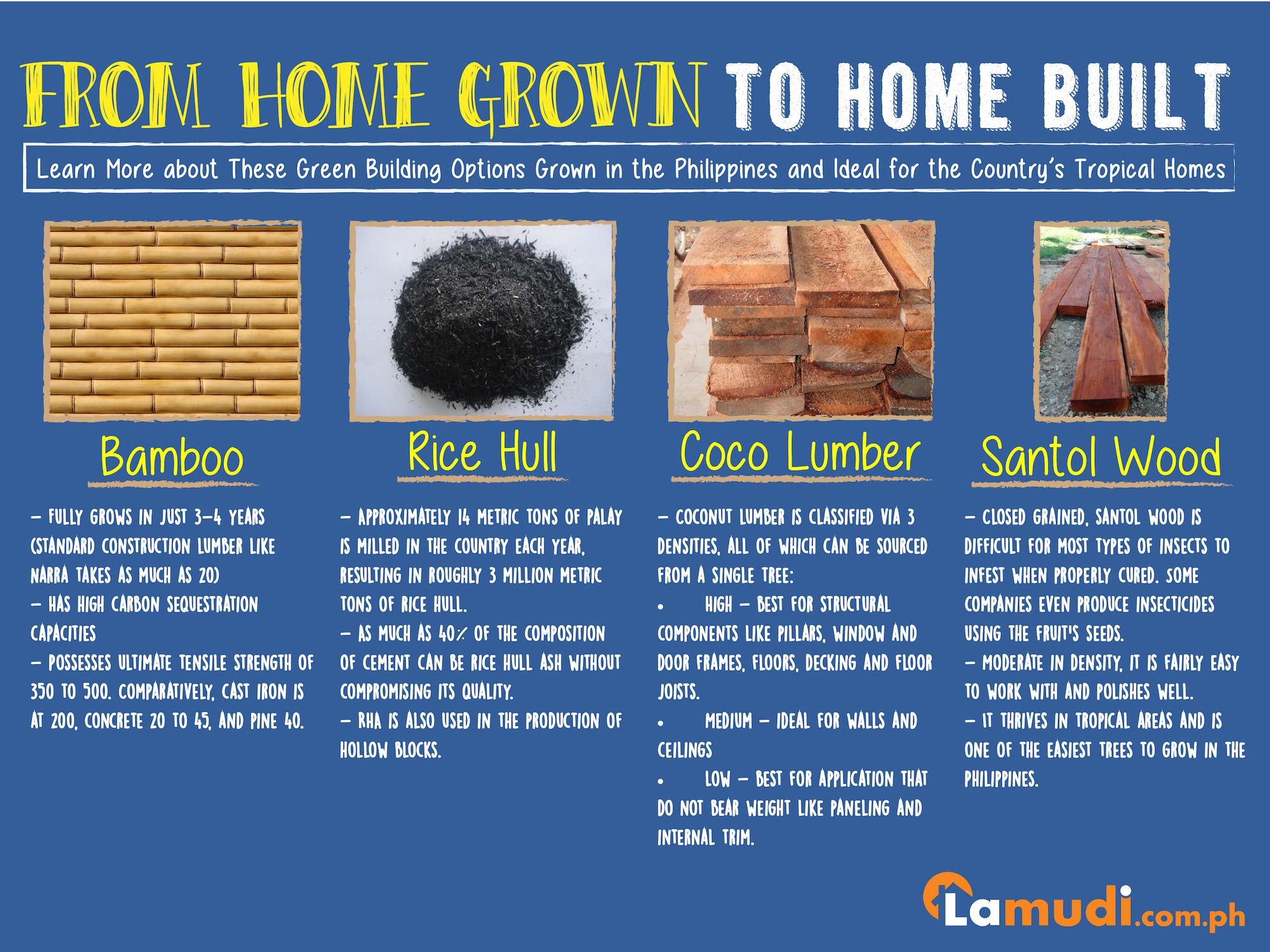
- Local Material Utilization: Emphasizes the sustainable incorporation of indigenous and recycled materials like bamboo and construction waste to enhance structural performance.
- Seismic and Climate Resilience: Focuses on the adaptation of experimental designs to withstand natural disasters such as earthquakes, floods, and typhoons which are prevalent in the Philippines.
- Innovative Testing and Simulation: Utilizes advanced experimental methods along with simulation techniques to analyze the performance and environmental impacts of different construction materials and techniques.
Research Topic Overview
The Philippines, characterized by its vulnerability to natural disasters and a rapid pace of urbanization, faces considerable challenges in advancing resilient infrastructure while preserving environmental sustainability. This experimental research topic aims to address these challenges by investigating the viability of integrating locally available sustainable materials and innovative design approaches into the engineering of resilient infrastructures. Specifically, the study proposes to evaluate the potential of bamboo-reinforced recycled materials in enhancing seismic and climate resilience, while reducing the environmental impact and overall cost of infrastructure projects in the country.
The research topic, titled “Assessment of Bamboo-Reinforced Recycled Materials for Seismic and Climate-Resilient Infrastructure in the Philippines,” is designed to combine two crucial aspects in modern civil engineering: the need for sustainable construction practices and the demand for structures that can endure the test of natural calamities. This investigation blends experimental laboratory testing, simulation studies, and sustainability assessments to create a comprehensive understanding of how innovative material use and design practices can be leveraged in the Philippine context.
Background and Motivation
The rising frequency and intensity of natural disasters, such as earthquakes, typhoons, and floods, in the Philippines have underscored the urgent need for infrastructure designs that can offer enhanced resilience. Concurrently, the construction industry globally—and in the Philippines specifically—is undergoing a paradigm shift toward sustainability, incorporating eco-friendly materials and embracing new technological advancements.
Traditional reinforcement methods, such as the use of steel in concrete, have proven effective from a structural standpoint but pose ecological challenges and often come with significant cost implications. Locally available resources, such as bamboo, have emerged as promising alternatives due to their superior strength-to-weight ratio along with biodegradability. Moreover, recycled materials such as recycled aggregates, fly ash, and reclaimed plastic waste offer an avenue to reduce carbon footprints and promote circular economies.
This research aims to exploit the synergy between bamboo reinforcement technology and recycled aggregate incorporation into concrete. By combining these methods, the study seeks to develop construction materials that not only meet rigorous structural requirements but also champion sustainability goals while filtering into the local context of construction practices and available resources.
Research Objectives
The core objectives of this experimental research are as follows:
1. Material Innovation and Optimization
Develop and optimize concrete mix designs that integrate recycled aggregates, fly ash, and treated bamboo fibers. The design objectives include finding the right proportioning of materials to ensure that the resultant composite exhibits the desired mechanical properties, such as compressive strength, tensile strength, and ductility. Chemical treatment processes for bamboo will be evaluated in order to enhance durability against decay and moisture ingress.
2. Mechanical Performance Evaluation
Conduct a series of controlled laboratory tests to quantify the material properties of the proposed concrete composites. These tests will include:
- Compressive Strength Tests – to assess load-bearing capacity
- Tensile and Flexural Strength Tests – for measuring bending and tension performance
- Bond Strength and Ductility Testing – to understand fiber-to-concrete adhesion and failure mechanisms
3. Seismic and Environmental Simulation Studies
Leverage shaking table experiments and advanced finite element analysis (FEA) simulations to evaluate the structural performance of prototype elements under simulated seismic activity. Additionally, environmental simulation studies will mimic flood and high-humidity conditions to assess the durability of the materials in varying climate scenarios.
4. Sustainability and Life Cycle Assessment (LCA)
Implement a comprehensive life cycle assessment comparing the environmental impacts of traditional concrete versus bamboo-reinforced recycled material concrete. This phase will analyze energy consumption, carbon emissions, resource depletion, and long-term performance benefits. The feasibility of using such materials as a standard in local construction codes will also be evaluated.
Experimental Methodology
For this research topic, a detailed experimental methodology has been designed to thoroughly investigate the performance of the innovative material composite in realistic conditions. The research is segmented into material preparation, mechanical testing, simulation studies, and sustainability analysis.
Material Preparation
Selection and Treatment of Bamboo
Bamboo specimens will be locally sourced and subjected to specialized chemical treatments intended to improve durability, reduce biodegradability, and enhance the bond between the fibers and the concrete matrix. Parameters such as moisture content and fiber surface modifications will be rigorously controlled.
Preparation of Recycled Aggregates
Recycled aggregates, obtained from construction and demolition wastes, will be processed and sorted to ensure they meet the necessary standards for concrete production. The mix compositions will include varying proportions to determine the optimal balance between strength and sustainability.
Mechanical Testing
The experimental phase will encompass traditional mechanical tests such as:
| Test Type | Objective | Expected Outcome |
|---|---|---|
| Compressive Strength | Evaluate load-bearing capacity | Determine optimal recycled content for strength |
| Tensile and Flexural Strength | Measure bending and splitting resistance | Assess effectiveness of bamboo reinforcement |
| Bond Strength Tests | Examine fiber-to-concrete adhesion | Identify optimal treatment and fiber content |
| Ductility and Failure Modes | Analyze behavior under sustained loads | Understand energy dissipation during seismic events |
Simulation Studies
Seismic Simulation
To replicate the effects of seismic activity, shaking table tests will be utilized on scaled structural models. Finite element models (FEM) will be developed to simulate stress distribution, energy absorption, and failure mechanisms, with parameters calibrated against the experimental data obtained from lab tests.
Environmental Simulation
Environmental simulations are essential due to the Philippines’ high humidity and flood risks. Samples will be subjected to accelerated weathering tests, moisture exposure, and temperature fluctuations to gauge long-term durability and performance under climatic extremes.
Sustainability and Life Cycle Analysis
A full life cycle assessment (LCA) will compare traditional concrete to the proposed composite material. The assessment will quantify:
- Carbon Footprint and Energy Consumption: Comparison of production processes and material sourcing.
- Waste Reduction: Evaluation of the impact of using recycled materials in reducing construction waste.
- Economic Benefits: Analysis of cost savings from using locally sourced and recycled materials versus traditional construction materials.
The sustainability analysis is pivotal to validate whether the proposed innovations can become a cornerstone of future infrastructural development in the Philippines.
Expected Contributions and Impact
The successful completion of this experimental research is expected to contribute significantly to both academic knowledge and practical applications in civil engineering within the Philippines. The anticipated contributions are multifaceted:
Advancements in Material Science
By integrating bamboo reinforcement with recycled aggregates, the research aims to deliver an innovative, cost-effective, and environmentally friendly alternative to traditional concrete reinforcement. The findings will refine the understanding of fiber-matrix dynamics, optimal mix designs, and treatment processes for natural fibers.
Enhanced Structural Resilience
The outcomes of the seismic and environmental simulation experiments are expected to demonstrate the potential for improved energy dissipation and reduced structural failures during natural disasters. This has important implications for urban planning and disaster risk management in regions prone to earthquakes and floods.
Sustainability and Economic Efficiency
Reduced carbon footprints, lower construction costs through the utilization of local and recycled materials, and decreased environmental impact are critical factors that directly align with national sustainability goals. Moreover, the research could set a precedent for future revisions of construction codes and standards in the Philippines.
Overall, the integration of bamboo and recycled materials into concrete not only promises a technological leap within civil engineering practice but also provides a scalable model of sustainable development that could influence policy and industry practices on a national level.
Proposed Timeline and Project Phases
The project is structured in several distinct phases to ensure thorough evaluation at each stage:
| Phase | Activities | Timeframe |
|---|---|---|
| Phase 1: Literature & Preliminary Study |
|
0-3 months |
| Phase 2: Material Development |
|
4-8 months |
| Phase 3: Laboratory Testing |
|
9-14 months |
| Phase 4: Simulation & Environmental Testing |
|
15-20 months |
| Phase 5: Sustainability Analysis & Reporting |
|
21-24 months |
Adhering to this timeline, the project paves the way for detailed, methodical research that balances experimental rigor with practical feasibility. The ultimate objective is to yield replicable results that inform both academic discourse and real-world construction practices.
Challenges and Mitigation Strategies
While the research holds promising potential, several challenges must be addressed:
Material Variability
Variations in the quality of recycled aggregates and inconsistencies in bamboo characteristics can affect experimental outcomes. To mitigate this, stringent material characterization protocols will be implemented along with replication of tests to ensure consistency in results.
Experimental Scale and Practical Relevance
Scaling laboratory results to field applications is often challenging. The research will use scaled prototype models and simulation techniques to bridge this gap and ensure that the insights derived translate effectively to practical settings.
Cost and Resource Management
The integration of innovative materials and advanced simulation techniques may incur higher initial costs. However, comprehensive cost-benefit analyses and the potential for policy incentives focused on sustainable construction may offset these expenditures. Collaboration with local academic and industry partners will further alleviate resource constraints.
Implications for Policy and Practice
The anticipated results of this research could have significant implications for:
- Building Codes and Standards: Informing revisions of existing guidelines to include sustainable and resilient materials.
- Infrastructure Planning: Assisting local governments and industry stakeholders in adopting modern, resilient construction practices that reduce disaster vulnerabilities.
- Environmental Policies: Contributing to environmental conservation initiatives by promoting the use of recycled resources in construction.
By bridging the gap between innovative material science and robust structural engineering, the proposed research not only advances the academic frontier but also establishes a groundwork for transformative policy shifts in the Philippine construction industry.
Conclusion
In conclusion, “Assessment of Bamboo-Reinforced Recycled Materials for Seismic and Climate-Resilient Infrastructure in the Philippines” represents an innovative experimental research topic that harmonizes sustainability, resilience, and technological advancement. The study is carefully designed to tackle pressing challenges such as seismic hazards and environmental degradation, which are of paramount importance in the Philippine context.
Through meticulous material optimization, advanced mechanical testing, state-of-the-art simulation studies, and comprehensive sustainability analysis, the research is poised to provide actionable insights that can reshape construction practices. The integration of local materials like bamboo and recycled aggregates not only has the potential to cut costs and reduce environmental impacts but also to significantly enhance the resilience of structures against natural disasters.
Overall, the research promises to deliver significant contributions to both the academic field and industry practice. It lays out a rigorous experimental framework that ensures reliable results while underscoring the urgency of sustainable and resilient urban development. As the Philippines continues to advance and face new environmental challenges, studies such as this will be vital in guiding policy, innovating construction techniques, and ultimately safeguarding communities.
References
- Philippine Construction Tech Trends - RichestPH
- A Critical Analysis of the Philippine Construction Industry - ResearchGate
- Top 5 Construction Trends in the Philippines by 2025 - JCV Associates
- 10 Trends in Construction Technology in 2025 - Pinoy Builders
- Emerging Civil Engineering Trends - Construction Placements
More Topics to Explore
Last updated February 19, 2025