
One-Way Road Trip Planning: Kiel to Cherbourg
A detailed plan for driving your classic car and arriving on time
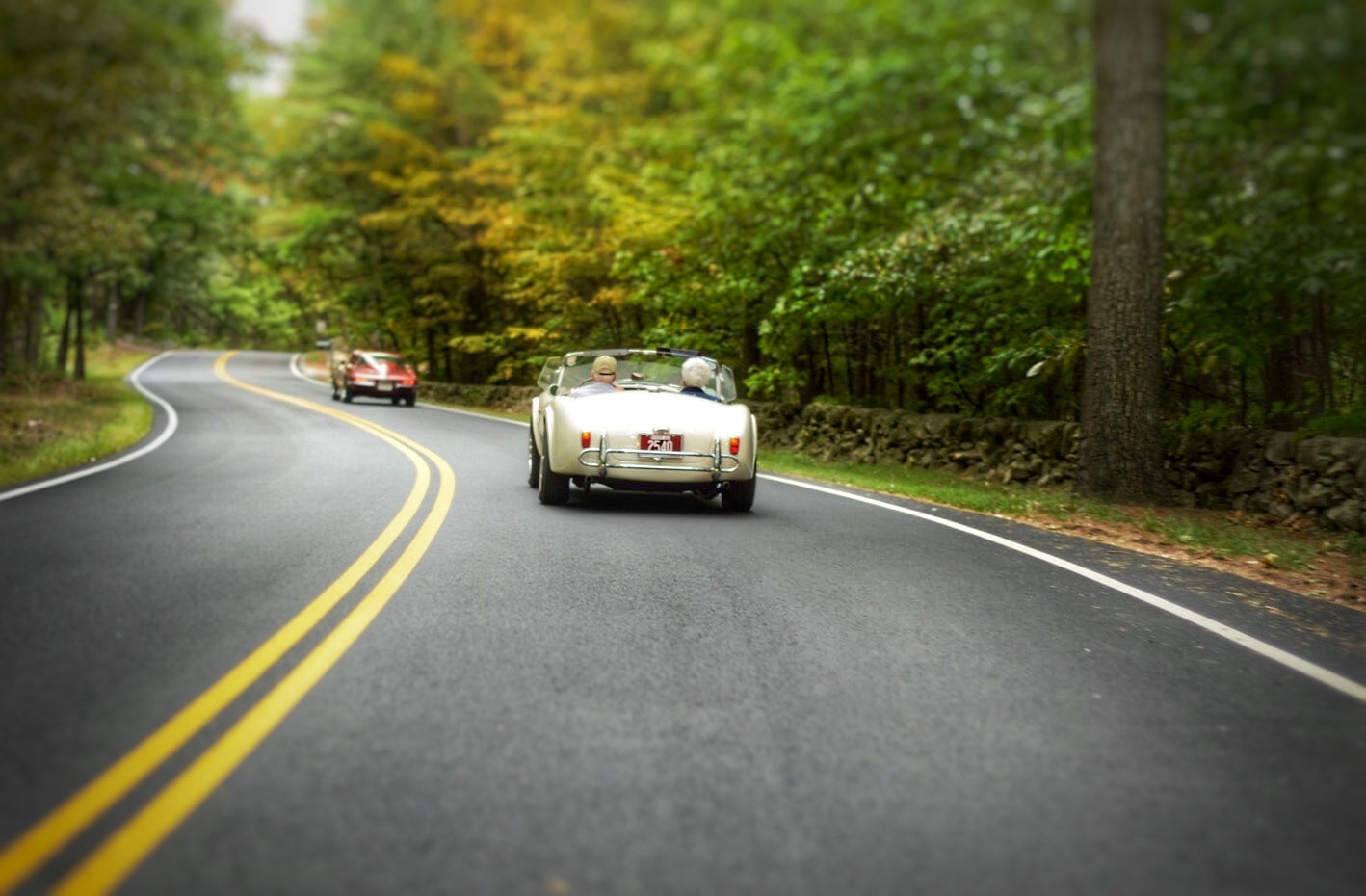
Highlights
- Optimal Scheduling: Depart early or consider multi-day segments for maximum comfort.
- Route Considerations: Enjoy a mix of scenic highways and major cities with planned stops.
- Classic Car Preparation: Emphasize vehicle maintenance, extra breaks, and essential supplies.
Overview
Planning a long-distance road trip in a classic car requires careful preparation, thoughtful scheduling, and attention to the unique needs of an older vehicle. This comprehensive plan details an optimal route and a comfortable driving schedule from Kiel, Germany, to Cherbourg, France, ensuring you arrive at your destination at 14:30. Given that classic cars have specific limitations such as smaller fuel tanks, potentially slower speeds, and increased maintenance concerns, a tailored itinerary provides enough buffer time, well-timed breaks, and scheduled stops in charming cities.
The approximate driving distance between Kiel and Cherbourg, when following the most efficient highways, is roughly 1,270 km. A straight drive without stops might take around 11 to 13 hours; however, to accommodate the leisurely pace and extra stops needed for a classic car, your overall journey will be planned with comfortable driving segments. This plan includes an early start from Kiel, pre-arranged rest stops, and a multi-day travel option if time permits, maximizing safety and enjoyment.
Planned Route Details
The suggested route combines a mix of major highways, scenic roads, and practical stops. Following this detailed plan, you navigate from Kiel through renowned cities while enjoying the landscape of northern Europe. The itinerary below has been devised to ensure comfortable driving, timely breaks, and ease of navigation.
Step-by-Step Route Overview
Segment 1: Departure from Kiel
Begin your journey in Kiel by heading southwards on the A7. This road initially takes you away from the city and connects you quickly to major urban centers in northern Germany.
Key Points:
- Ensure your classic car is fully inspected; check the engine, oil, fluids, brakes, and tires.
- Prepare a toolkit and spare parts to deal with unforeseen issues on the road.
- Plan an early morning departure to beat the local traffic and allow enough buffer time for stops.
Segment 2: Major Stops in Hamburg and Bremen
Your first major stop is Hamburg. This vibrant city lies approximately 90 km south of Kiel and can be reached within about an hour. Use this stop to refuel, rest, and verify your car's readiness.
Continue your drive from Hamburg toward Bremen via the A7. The distance from Hamburg to Bremen is roughly 120 km, and you may spend about 1 to 1.5 hours driving.
Important Considerations:
- Short stops for refreshments and a brief walk can help stretch your legs and keep you alert.
- This early portion of the journey is relatively light on traffic, letting you acclimate to the drive.
Segment 3: Transition Through Germany’s Heartland
After Bremen, the journey continues toward central Germany. You will pass through key cities such as Hannover and Frankfurt, depending on your selected route. One popular option is continuing on highways like the A1 or A5 which eventually lead you toward the Paris region. This segment of the journey covers larger distances and requires consistent monitoring of the classic car’s performance.
Scheduling Note: Aim to drive for stretches of 2 to 3 hours, scheduling stops for a light meal or vehicle maintenance check. In these urban areas, take a moment to check your fuel level, tire pressure, and any indicators that your classic car may need extra attention.
Segment 4: Entering France and Approaching Normandy
Crossing from Germany into France is one of the cultural highlights of your road trip. Enter France via one of the designated border crossings with all necessary documentation ready – driver’s license, car registration, and insurance are essential.
In France, plan to drive through regions that lead you to Paris before steering towards Normandy. Even if you don’t plan on a long stop, a brief respite near the outskirts of Paris allows for a necessary check-up of your vehicle.
Tip: Use an updated GPS or route tracking application to avoid any unexpected delays from traffic or construction along the highways.
Segment 5: Final Stretch to Cherbourg
After Paris and heading into Normandy, your path will lead you directly towards Cherbourg. This segment—often reliant on the regional A84 or connecting roads—provides a picturesque view of the French countryside and coastal influences as you near your destination.
Take particular care during this stretch as the roads might be winding and slower going, ideal for classic car travel. Stagger your stops to refuel, check the engine’s cooling system, and simply take in the scenery.
Repeat brief stops if needed, ensuring that the overall drive remains comfortable and stress-free as you aim for an arrival at Cherbourg at 14:30.
Time Management and Itinerary Planning
Estimated Driving Time
The total driving time, when estimated without any breaks, is approximately 11 to 13 hours. However, in practice, especially with a classic car, you must allot extra time for stops, refueling, resting, and any unforeseen delays. It is advisable to prepare for an overall journey of approximately 13 to 14 hours.
To arrive by 14:30, several scheduling options are available:
- If you plan to drive straight through (with necessary stops), you should begin your journey from Kiel between 00:30 and 03:00, depending on the pace of your journey and your tolerance for night driving.
-
Alternatively, splitting the journey into multiple days allows you to take a more leisurely pace. In a three-day travel plan:
- Day 1: Depart from Kiel and drive towards Luxembourg with stops in Hamburg and Frankfurt
- Day 2: Continue from Luxembourg and pass through areas near Paris and into Normandy
- Day 3: Complete the final stretch from Rouen (or another Normandy city) to Cherbourg, targeting a morning departure to ensure an arrival by 14:30
Comfortable Driving Schedule
For long trips in a classic car, comfort is paramount. We suggest planning regular short breaks approximately every 2 to 3 hours. This can include stops at rest areas, small towns, or even well-equipped gas stations that offer a comfortable environment.
The following table illustrates a possible day-by-day split if you choose a multi-day journey:
| Day | Starting Point | Ending Point | Approximate Distance (km) | Estimated Driving Time |
|---|---|---|---|---|
| Day 1 | Kiel | Luxembourg Area | 500 | ~6 to 6.5 hours (with breaks) |
| Day 2 | Luxembourg Area | Normandy (e.g., Rouen) | 500 | ~6 to 6.5 hours (with breaks) |
| Day 3 | Normandy (e.g., Rouen) | Cherbourg | 270 | ~3 to 4 hours (with one or two short stops) |
Should you decide on a continuous driving plan within one day, remember that late night departures (around midnight to early morning) would allow you to complete most of the journey while traffic levels are lower. The key is to build in flexibility and rest since driving a classic car over long distances can be demanding.
Essential Preparations for the Classic Car
Vehicle Maintenance and Readiness
Before embarking on your road trip, ensure your classic car is in immaculate condition. Detailed maintenance should include, but not be limited to:
- Engine Check: Ensure that the engine oil and fluids are at optimal levels and that the engine is free of leaks.
- Cooling System: Test the radiator and coolant system thoroughly. Carry extra coolant if needed.
- Tires and Brakes: Inspect tires for wear and ensure brakes and other deceleration systems are responsive.
- Electrical System: Verify that the battery and lighting systems function properly for night driving.
- Spare Parts and Tools: Carry essential spare parts such as belts, bulbs, and fuses, along with basic tools for minor repairs on the road.
While classic cars offer a nostalgic driving experience, their design means they are more susceptible to issues during long journeys. As such, regular stops to check the vehicle and a planned maintenance break in towns along the route (such as in Hamburg or Frankfurt) can save you from unexpected delays.
Preparing For Road Conditions and Documentation
Besides vehicle checks, you should be fully equipped with all necessary documentation to cross international borders. Documents to pack include:
- Driver’s license (and an international permit if required)
- Vehicle registration papers
- Proof of vehicle insurance covering international travel
- Emergency contact information and a basic medical kit
Additionally, using a reliable navigation system is essential. Either download offline maps or utilize in-car navigation that updates in real time. Stay informed about toll road fees, as many parts of Germany and France have toll systems in place. Toll calculators available online can help you budget your overall trip expenditure.
Additional Considerations
Flexibility and Safety
While planning is key, the dynamic nature of road conditions means that flexibility can be your best asset. Allow extra time in your itinerary for:
- Unexpected traffic delays, especially in metropolitan regions like Hamburg or Paris
- Road construction or detours
- Additional breaks if you feel fatigued or if your classic car requires a minor check-up
Safety should always come first. Stay updated with live traffic information via radio or mobile apps. Moreover, it is advisable to inform someone about your itinerary and check in at regular intervals, particularly if you’re traveling during off-peak hours.
Planning for Food, Rest, and Accommodation
A successful road trip isn’t solely about reaching the destination—it’s about enjoying the journey. Strategically plan meal breaks and consider stopping for lunch or dinner in cities that have good local cuisine. Many stops are also opportunities to explore local attractions for a short period.
Should you decide on a multi-day journey, pre-book accommodations in areas that are convenient for your journey segments. Options might include locally owned inns or classic hotels that echo the vintage vibe of your classic car journey.
A Detailed Itinerary
Sample Itinerary: Continuous Drive
For those preferring a one-day drive with intermittent stops, here is a sample schedule:
- 00:30 - 01:00: Depart from Kiel. Start early to avoid peak traffic times and to acclimate to night driving.
- 02:30: First stop near Hamburg for a 30-minute refueling and rest. Use this time to quickly inspect your classic car.
- 04:00: Resume journey towards Bremen. Expect another short break after approximately 1.5 hours of driving.
- 05:30: Stop in Bremen (or at a safe rest area) for a refresh, light snack, and a brief check of your vehicle's performance.
- 07:30 - 09:30: Proceed into central Germany, passing key cities. Brief stops during this stretch are advisable. Refuel, check tires, and assess engine temperature if necessary.
- 09:30 - 10:30: Enter France via a well-traveled border crossing. Have all documents handy, and allow extra time for border formalities.
- 10:30 - 12:00: Drive past Paris on the outskirts. Consider a quick pause near the city outskirts before heading into Normandy.
- 12:00: Begin the final leg towards Cherbourg along scenic Normandy routes. Expect slightly slower travel as you navigate winding roads.
- 14:30: Arrive at Cherbourg as planned.
Note that the above schedule allows for brief stops – if your classic car requires extra care or if you choose to explore any city further, adjust the itinerary accordingly.
Sample Itinerary: Multi-Day Journey
A multi-day plan might provide additional flexibility, less stress on your classic car, and more time to enjoy the surroundings. Here’s an alternative itinerary:
- Day 1: Depart from Kiel around 07:00. Travel through Hamburg and Bremen, aiming to reach the Luxembourg region by early evening. Total distance approximately 500 km. Overnight stay in a charming town near Luxembourg.
- Day 2: Start early from Luxembourg, moving through France via regions adjacent to Paris. Enjoy Normandy’s scenic appeal and stay overnight in a town such as Rouen. The driving time for the day remains around 6 hours including breaks.
- Day 3: Depart from Normandy early in the morning, targeting Cherbourg as your final destination. With a shorter drive of around 270 km, you should comfortably arrive by 14:30 after a light breakfast stop early on.
In this plan, each day’s drive is well within comfortable limits, and you have ample time to rest, enjoy local cuisine, and engage in casual sightseeing. The spread-out schedule also reduces the stress on your classic car, ensuring that each segment of your journey begins with a relatively fresh vehicle.
Additional Tools and Tips
Navigation and Route Planning Tools
Advanced mapping tools and route planners greatly enhance your journey. Here are some suggestions:
- Utilize real-time navigation apps that provide live traffic updates, suggesting alternatives if delays occur.
- Online route calculators can assist you in estimating toll costs and fuel stops.
- Keep both digital maps and physical maps as backup measures on long trips.
Weather and Road Condition Monitoring
Check the weather forecast for both Germany and France before and during your trip. Winter months or unexpected weather conditions can affect travel times significantly. In addition, occasional road construction or events on the highways may necessitate a diversion. Staying prepared and updated helps you avoid last-minute changes that might affect your arrival time.
Equip your mobile device with apps covering local weather, construction updates, and road conditions. An emergency kit containing extra warm clothing, a thermometer, and additional supplies is recommended during colder weather periods.
Managing Travel Costs
Budget Considerations
Traveling by car across multiple countries includes diverse expenses such as fuel, tolls, accommodation (if on a multi-day itinerary), and food stops. To manage these costs effectively:
- Research and budget toll fees of the highways and express routes you plan to use.
- Plan fuel stops in countries where fuel prices may be lower or more favorable.
- Consider booking accommodations in advance to take advantage of early booking discounts.
A well-structured budget plan allows for stress-free travel and ensures that unexpected expenses do not interrupt your journey.
Conclusion
Planning a one-way road trip from Kiel to Cherbourg in a classic car is both a nostalgic and demanding adventure. The essence of the journey lies not only in reaching the destination by 14:30 but also in enjoying the drive along historical highways, taking in the charming scenery, and making the most of periodic breaks. The itinerary outlined here merges a direct route, robust time estimations, and safety considerations tailored to the unique challenges associated with driving a classic car.
Whether you choose a continuous overnight drive or a multi-day adventure, the key is to balance efficient route planning with moments where you can recharge—both yourself and your vehicle. Attention to vehicle maintenance, proper scheduling of rest stops, and vigilance concerning evolving road conditions form the backbone of this strategic itinerary. By following these guidelines and making thorough preparations, your road trip from Kiel to Cherbourg promises not only timely arrival at your destination but also a memorable experience along the way.
Happy driving, and may your classic car take you safely and soulfully through the charming landscapes of Europe!
References
- Rome2rio - Travel Route Information
- Distances From - Map and History
- Distantias - Distance Calculator
- Airmiles Calculator - Distance
- ViaMichelin - Route Planning
Recommended Queries
Last updated February 23, 2025