
Achieving the Classic 1930s/40s Side-Part Fade Hairstyle
Step-by-step guide to mastering a vintage-inspired, sharp part with a seamless fade.
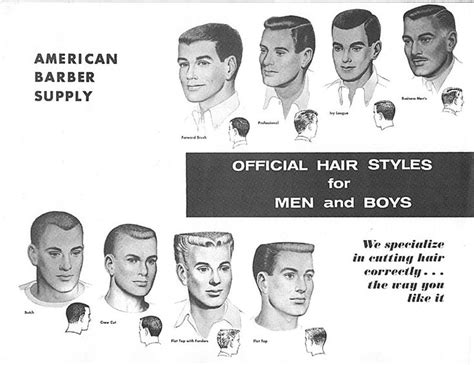
Key Takeaways
- Defined Part Line: A sharp, clean separation in the hairstyle is essential for an authentic vintage look.
- Quality Fade: Gradual tapering of the sides enhances the contrast and sophistication of the overall style.
- Proper Styling Products: Utilizing the right products ensures the hairstyle maintains its structure and shine throughout the day.
Introduction to the Vintage Side-Part Fade
The 1930s and 1940s brought about iconic men's hairstyles that have since been revered for their timeless elegance and structured appearance. Among these, the side-part fade stands out as a quintessential look that combines a defined part with a gradual fade on the sides. This hairstyle not only exudes sophistication but also offers versatility suitable for various hair types and personal styles.
Understanding the Components of the Classic Side-Part Fade
1. Defined Part Line
The cornerstone of this hairstyle is the distinctly sharp part line. Achieving a clean separation requires precision, typically executed using clippers or a straight razor by a skilled barber. The part can be positioned slightly off-center, adhering to traditional aesthetics, and should remain consistent to maintain the style's authenticity.
2. Quality Fade
The fade refers to the gradual tapering of hair length from the top down to the sides and back. A well-executed fade ensures a seamless transition that complements the defined part. Various types of fades, such as low, mid, or high, can be chosen based on personal preference and face shape, but for a classic look, a mid-fade is often preferred.
3. Proper Styling Products
To achieve the smooth, polished finish characteristic of the era, the right styling products are crucial. High-hold pomades or waxes are typically used to maintain the hairstyle's structure and provide the desired sheen without appearing greasy. The application should be even to ensure consistency in the hairstyle's appearance.
Step-by-Step Guide to Achieving the Look
1. Consultation with a Skilled Barber
Begin by consulting with a barber experienced in vintage styles. Bring reference photos to convey the exact look you aim to achieve. Discuss the desired part line and the type of fade, ensuring the barber understands the importance of precision in both elements.
2. Haircut Preparation
Start with clean, damp hair to facilitate an even cut. The top should retain a length of approximately 2-4 inches to allow for styling flexibility, while the sides should be tapered gradually to create the fade effect.
3. Creating the Defined Part
Using a fine-tooth comb, establish the part line. Apply a small amount of pomade to damp hair and comb the part meticulously to ensure a straight, sharp separation. The part should be free of any waviness or inconsistency.
4. Executing the Fade
The fade should start just above the ear and blend seamlessly into the longer hair on top. Utilizing clippers with varying guard lengths, the barber will taper the hair gradually, ensuring no abrupt changes in length. This technique requires skill to maintain an even transition.
5. Styling the Top
Apply a high-hold pomade or wax to the top section. Using the comb, brush the hair according to the part line, ensuring it lies flat and maintains the desired shape. A blow dryer can be employed on low heat to set the style, promoting volume and hold.
6. Final Touches
Inspect the hairstyle for any inconsistencies. Use a small brush to tidy up the fade and part line, ensuring the overall look is cohesive and polished. Apply a light spray of hairspray if additional hold is needed.
Common Challenges and Solutions
1. Maintaining a Sharp Part Line
A blurred or uneven part can detract from the hairstyle's elegance. To maintain sharpness, regularly apply a small amount of pomade and use a fine-tooth comb to reinforce the part. Avoid excessive touching or restyling throughout the day to preserve the line's integrity.
2. Achieving an Even Fade
An inconsistent fade can make the hairstyle appear messy. Ensuring regular trims every 2-3 weeks helps maintain the fade's evenness. If done at home, using precise clippers and taking care to blend sections gradually can prevent choppiness.
3. Selecting the Right Products
Choosing inappropriate styling products can lead to an unsatisfactory finish. For a vintage look, opt for oil-based pomades that offer high shine and strong hold without leaving residue. Avoid products that are too heavy, which can weigh down the hair and disrupt the fade.
Styling Products and Tools
| Product | Purpose | Recommended Brands |
|---|---|---|
| High-Hold Pomade | Provides strong hold and shine for the top. | Suavecito, Layrite, Old Spice |
| Fine-Tooth Comb | Creates precise part lines and smooth styling. | Kent, Cricket, Denman |
| Clippers with Guard Attachments | Executes the fade with varying lengths. | Wahl, Andis, Oster |
| Blow Dryer | Sets the hairstyle and adds volume. | Dyson Supersonic, Conair, BaByliss |
| Hairspray | Provides additional hold to maintain the style. | TIGI Bed Head, L'Oréal Elnett, Sebastian |
Maintenance Tips
Regular Trims
To keep the fade sharp and the part defined, schedule trims every 2-3 weeks. This prevents the hair from growing out of shape and maintains the hairstyle's clean lines.
Daily Styling Routine
Each morning, apply a small amount of pomade to damp hair and use a comb to reinforce the part. Blow-drying on low heat can help set the style, ensuring it stays intact throughout the day.
Proper Hair Care
Maintain overall hair health by using quality shampoos and conditioners. Healthy hair is easier to style and holds the desired shape more effectively.
Troubleshooting Common Issues
Uneven Part Line
If the part line appears uneven, reassess the combing technique and product application. Using a fine-tooth comb and ensuring even distribution of pomade can help achieve a more precise line.
Choppy Fade
A choppy fade often results from inconsistent cutting techniques. When trimming, take time to blend the hair gradually, ensuring a smooth transition between lengths.
Flat Top Appearance
A flat top can be corrected by using a blow dryer effectively to add volume while styling the hair. Applying pomade to slightly damp hair before blow-drying can lift the strands and create a fuller appearance.
Visual Guide to Achieving the Style
Step-by-Step Illustrations
Understanding the process visually can enhance the execution of the hairstyle. Below is a sequential illustration of the key steps involved:
- Initial Consultation: Discussing desired outcomes with a barber.
- Haircut Preparation: Washing and dampening the hair.
- Defining the Part: Creating a sharp separation line.
- Executing the Fade: Gradually tapering the sides.
- Styling the Top: Applying pomade and setting the hair.
- Final Inspection: Ensuring all elements are cohesive.
Before and After Examples
Comparing before and after images can provide a clear understanding of the transformation. While visual aids are not available here, seeking inspiration from historical photos or modern recreations can be beneficial.
Recommended Resources
To further assist in achieving the desired hairstyle, the following resources offer detailed tutorials and visual guides:
- How to Style a Vintage Side-Part Fade
- Mastering the 1940s Gentleman’s Cut
- Step-by-Step Hard Part Fade Tutorial
- WikiHow: Side-Part Hairstyles
- Refinery29: Modern Techniques for Side-Parting
Recap and Final Thoughts
Achieving a classic 1930s/40s side-part fade requires attention to detail, the right tools, and proper maintenance. By focusing on a defined part line, ensuring a quality fade, and utilizing appropriate styling products, you can recreate this timeless hairstyle with ease. Regular consultations with a skilled barber and adherence to a consistent grooming routine will maintain the style's integrity and keep it looking sharp.
Conclusion
The vintage-inspired side-part fade is more than just a hairstyle; it's a statement of elegance and sophistication. With the right approach and dedication, you can master this look, paying homage to the classic styles of the past while adapting them to fit modern preferences. Embrace the process, seek professional guidance, and enjoy the transformation that comes with a well-executed vintage hairstyle.
References
Last updated January 19, 2025