
Investigating the Effect of Classroom Environment on Primary School Students
Exploring how learning spaces shape behavior and outcomes
Key Insights
- Physical and Emotional Climate: Classroom design, lighting, seating, and noise control significantly impact both behavior and academic performance.
- Teacher and Student Interactions: Engaged and effective teaching, supportive feedback, and positive teacher-student relationships form the backbone of a productive environment.
- Integrated Learning Strategies: The amalgamation of physical layout, instructional management, and behavioral guidance promotes active participation, improved engagement, and better outcomes.
Overview
Investigating the effects of the classroom environment on student behavior and learning outcomes in primary schools is a multifaceted research area that underscores the importance of both physical space and the educational strategies deployed within that space. Various critical aspects such as classroom design, the arrangement of furniture, lighting, acoustic conditions, and the emotional climate significantly influence how students behave and learn. Moreover, teacher engagement, effective behavior management, and supportive instructional techniques contribute to how primary school students adapt and thrive academically.
Physical Environment
Design and Layout
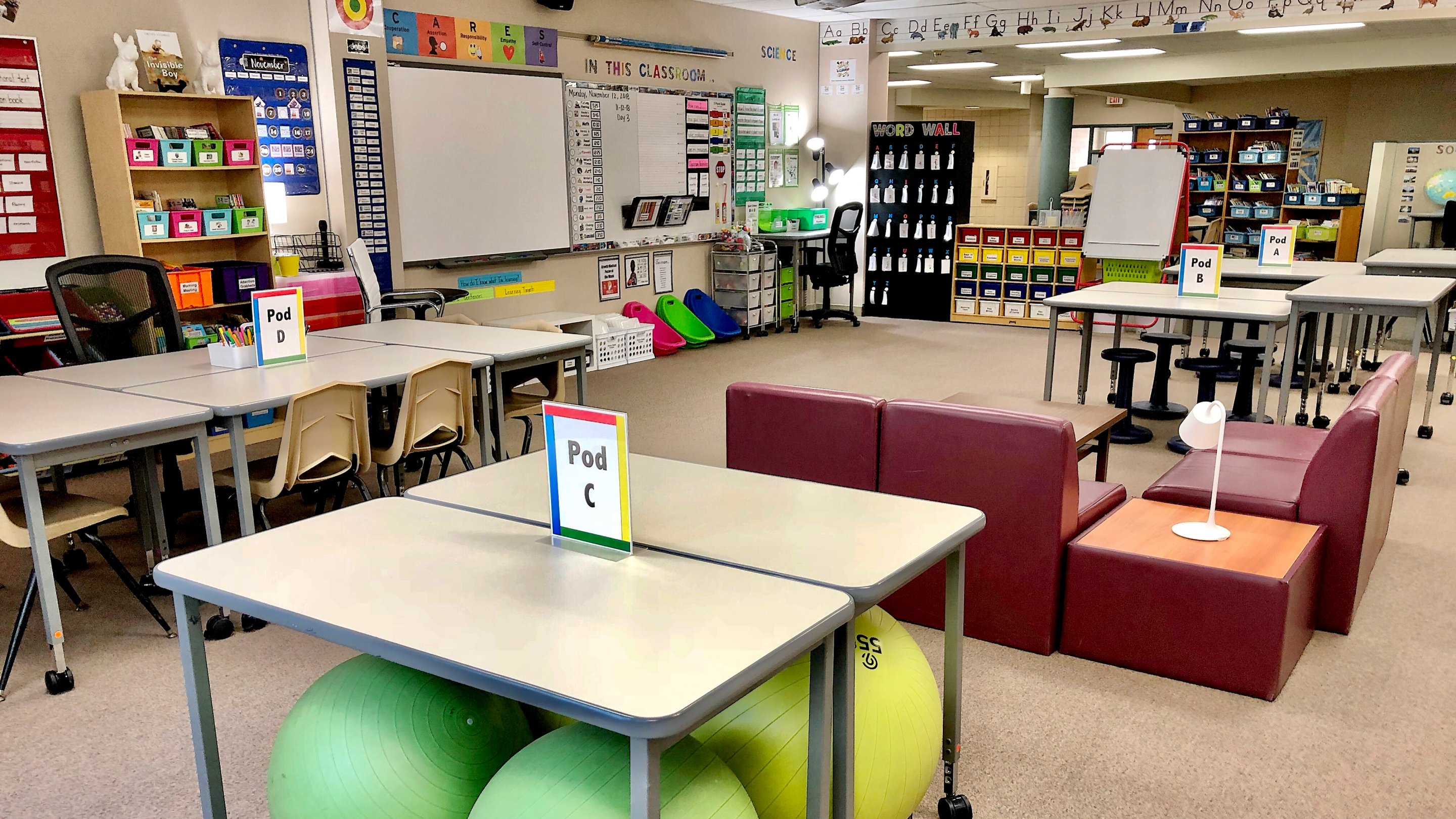
The conventional classroom environment has evolved from static rows of desks to more flexible and dynamic arrangements designed to promote collaboration and engagement. The layout of a classroom plays a substantial role in encouraging active learning, reducing disruptions, and fostering social interaction. For instance, seating arrangements that facilitate group work allow students to engage with one another during lessons. Similarly, the strategic placement of visual aids, whiteboards, and resource stations can help sustain attention and focus, which are crucial components of an effective learning environment.
Key Physical Factors
The design and physical parameters of the classroom include the following aspects:
| Factor | Description | Impact on Learning |
|---|---|---|
| Lighting | Use of natural vs. artificial light, brightness levels | Enhances concentration and reduces eye strain |
| Seating Arrangement | Flexible seating, collaborative group layouts | Promotes interaction and cooperative learning |
| Acoustics | Noise control and sound absorption materials | Minimizes distraction and improves auditory processing |
| Temperature & Ventilation | Climate control and air quality | Contributes to overall comfort and well-being |
In addition to these factors, the availability of technology and digital tools within the classroom can further modify the learning experience. For example, interactive whiteboards and accessible digital resources may foster a more engaging and student-centered approach to teaching.
Emotional Climate and Behavior Management
Creating a Supportive Environment
Beyond the physical infrastructure of the classroom, the emotional climate established by the teacher significantly affects student behavior and academic performance. A supportive classroom environment is one where students feel safe, respected, and encouraged to participate. A high-quality emotional environment is nurtured through clear communication, positive reinforcement, and meaningful teacher feedback, all of which contribute to students’ overall engagement and self-esteem.
Importance of Emotional Support
A nurturing emotional climate can lead to a reduction in disruptive behavior, higher motivation, and a better ability to handle academic pressures. When students see that their teacher is invested in their success, it fosters an atmosphere of mutual respect and trust, ultimately enhancing both behavioral and academic outcomes. This relationship is a critical factor in the development of effective learning strategies, as students who feel valued are more inclined to invest effort into their studies.
Teacher Engagement and Instructional Strategies
The Role of Educators in Shaping the Environment
Teachers are not mere facilitators of content, but active architects of the classroom environment. Their approaches to lesson delivery, classroom management, and behavior regulation play a decisive role in shaping the classroom climate. An enthusiastic teacher who uses innovative teaching methods and clear guidelines can instill a love of learning in even the most "challenging" students. Consistency in applying behavior management strategies, coupled with individualized attention, can lead to remarkable improvements in both behavior and academic performance.
Effective Instruction Methods
Effective instructional management includes several crucial elements:
- Active Learning Techniques: Methods that require active participation improve comprehension and retention of material.
- Assignment of Roles and Responsibilities: Involving students in classroom management can promote accountability and peer collaboration.
- Timely Feedback: Constructive, immediate feedback helps students correct mistakes and reinforces positive behavior.
- Structured Routines: Clearly defined routines minimize transitions and distraction, setting a stable foundation for learning.
The significant role of teacher-student interactions is further corroborated by studies indicating that positive feedback and consistent classroom management not only stabilize behavior but also enhance students’ academic performance. The teacher's natural leadership and empathy are often integral to nurturing an environment in which academic risk-taking and interpersonal respect flourish.
Integrating Classroom Design with Learning Outcomes
Linking Space to Academic Success
The impact of the classroom environment on academic outcomes cannot be understated. A well-organized classroom has been shown to boost attendance rates, retention levels, and overall student achievement. By creating a space that is both physically accommodating and emotionally supportive, educators can greatly enhance the learning experience. Studies have revealed that students performing in optimally designed classrooms not only display improved literacy and numeracy skills but also exhibit an enhanced sense of well-being and motivation.
Observational and Measurable Outcomes
Researchers have utilized various frameworks to assess the classroom environment's impact, often focusing on:
- Attendance and Engagement: Enhanced engagement leads to higher attendance rates due to increased student motivation.
- Behavioral Improvements: Reduced instances of disruptive behavior are directly linked to structured environments and clear behavior management practices.
- Academic Performance: Well-disciplined, enriched learning settings correlate with improved grades and standardized test scores.
- Social Interaction: Classrooms that promote collaboration foster better social skills and peer learning.
The interconnected relationship between these elements demonstrates that a holistic approach to classroom design—one that integrates physical, emotional, and instructional components—is most effective in promoting student growth and learning.
Case Studies and Theoretical Underpinnings
Evidence and Research Models
Several studies, supported by modern educational theories, illustrate how the synergistic effects of classroom design and teacher effectiveness contribute to improved academic and behavioral outcomes. Academic journals and research reports have emphasized that:
Bio-Ecological and Transactional Theories
The bio-ecological model highlights the dynamic interplay between a child's development and their environment. This theory posits that various environments—ranging from the classroom to the community—simultaneously impact development. Additionally, transactional theories emphasize the reciprocal relationships between teacher interactions and student responses, underscoring that effective instructional strategies adapt continually to student needs.
Social Learning Theory
Social learning theory further elucidates the importance of positive teacher-student dynamics by showing that students model behaviors and attitudes observed in their instructors. Positive classroom management strategies, therefore, not only address immediate behavioral concerns but also instill long-lasting learning attitudes that help students interact more effectively with peers and educators alike.
The convergence of these frameworks supports the need for continued research into the nuanced relationships between classroom environments, behavior, and academic outcomes. Such research is imperative in guiding educational policy and classroom innovation.
Comparative Aspects and Implementation Strategies
Bridging Theory with Practice
Implementing the lessons learned from theoretical models and empirical studies requires a balanced approach that considers both the tangible (physical design) and the intangible (emotional climate and teaching practices). For example, schools that invest in classroom redesigns typically see immediate improvements in student focus and overall behavior. Coupling this physical transformation with teacher training in behavior management further amplifies these positive outcomes.
Practical Strategies for Schools
Administrators and educators are encouraged to adopt a multi-faceted strategy:
- Assessment of Room Conditions: Regular evaluations of lighting, acoustics, and seating arrangements to ensure a conducive physical environment.
- Professional Development: Continuous teacher training on classroom management, instructional strategies, and effective feedback delivery.
- Resource Allocation: Investing in quality materials and modern technology to create dynamic learning experiences.
- Student Involvement: Incorporating student feedback into classroom design decisions to foster a sense of ownership and engagement.
Effective implementation of these strategies requires coordination among school leadership, teaching staff, and support personnel. The ultimate goal remains the creation of a holistic learning environment that actively supports student learning outcomes while simultaneously addressing behavioral challenges.
Summative Insights on the Research
Integrating Environment and Educational Success
In summary, the classroom environment plays a critical role in shaping student behavior and learning outcomes in primary schools. A keen understanding of both the physical and emotional dimensions of classroom design reveals that the learning space is more than just a setting—it is an active participant in the educational process. A well-structured environment improves attendance, engagement, behavior, and academic performance by creating a setting in which students feel comfortable and motivated to learn. Furthermore, the essential role of teachers in managing this environment emphasizes the need for ongoing professional development and support.
As research in this field continues to evolve, best practices in classroom design and management remain interwoven with emerging educational theories. Schools that successfully integrate these insights not only enhance learning outcomes but also contribute significantly to the overall development of students, preparing them to meet future academic and social challenges with confidence.
References
- How The Classroom Environment Can Help Improve Behavior - Classroom Direct
- The Effect of Learning Environments in Classrooms - Boxx Modular
- The effect of classroom environment on literacy development - Nature
-
4 Ways Classroom Design Impacts Executive Functioning - Edutopia
- Creating a Supportive Classroom Environment Through Effective Feedback - Frontiers
Recommended Related Queries
Last updated March 10, 2025