
Availability of Classroom Facilities and Their Consequences on Student Performance
Exploring the Interplay Between Physical Learning Environments and Academic Outcomes
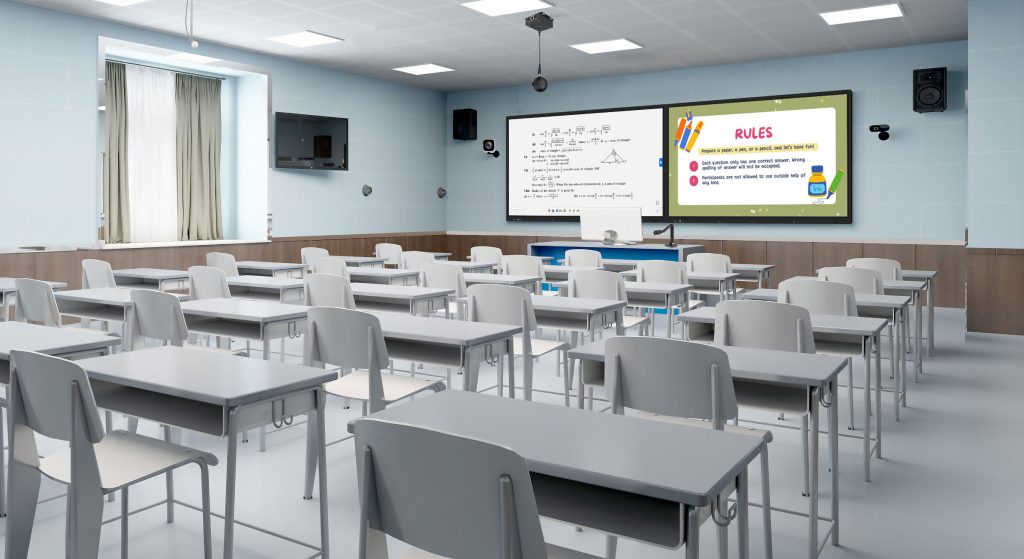
Key Insights
- Well-Designed Learning Spaces: Quality physical environments improve student comfort, focus, and attendance.
- Facility Components Matter: Elements from air quality and natural lighting to technology integration impact academic success.
- Maintenance and Investment: Regular assessments, upgrades, and community involvement are critical for sustained performance improvements.
Understanding Classroom Facilities and Their Impact on Academic Performance
The physical classroom environment plays a pivotal role in determining students’ academic performance. Numerous studies have illustrated that the availability, design, and upkeep of classroom facilities influence various aspects of learning, ranging from student concentration, engagement, and attendance to overall well-being. Several factors, including classroom structure, technological resources, indoor environmental quality (IEQ), and spatial arrangements, interact together to create an environment conducive to academic success.
Components of Effective Classroom Facilities
Indoor Environmental Quality (IEQ)
Indoor environmental quality is one of the most significant components affecting classroom performance. IEQ includes variables such as air quality, acoustics, lighting, and temperature control. Modern classrooms that are well-ventilated and provide adequate natural or artificial lighting tend to promote better concentration and reduce distractions caused by noise. For instance:
Air Quality and Ventilation
Adequate air circulation has been linked with improved cognitive function and reduced incidences of respiratory conditions which can otherwise lead to increased absenteeism. Classrooms with windows that allow fresh air, alongside modern HVAC systems, facilitate an environment that minimizes the spread of airborne illnesses.
Lighting and Acoustics
Proper lighting, especially natural light, enhances mood and productivity. In addition, controlled acoustics ensure that background noise does not impede verbal communication or concentration. The benefits of such an environment are clear in enhanced student attention and overall academic performance.
Spatial and Structural Design
The spatial design of a classroom directly influences student engagement and the overall learning experience. Key elements include:
Class Size and Layout
Overcrowding is a significant issue in many schools. Larger class sizes can lead to sensory overload, less personalized attention from educators, and potential behavioral issues. On the other hand, classrooms with ample space allow for flexible seating arrangements and interactive group work. A well-arranged classroom diminishes overcrowding and enhances the teacher's ability to manage the class effectively.
Ergonomic Furniture and Flexibility
Ergonomic chairs and adjustable desks contribute to a student’s comfort during prolonged periods of study. Classrooms designed with flexibility in mind can easily be rearranged to suit different teaching methodologies—whether that is lecture-based instruction, group activities, or laboratory experiments.
Technological Integration and Educational Resources
Modern educational facilities integrate technology to boost learning outcomes. Technological investments such as computers, interactive whiteboards, and digital learning platforms not only make the learning experience more engaging but also equip students with essential digital skills.
Interactive Learning Tools
Tools such as SMART boards facilitate interactive lessons and allow teachers to use multimedia resources effectively during class sessions. They help in creating a dynamic classroom where students can actively participate, ask questions, and benefit from real-time feedback.
Access to Instructional Materials
Classrooms that are equipped with up-to-date libraries, laboratories, and other instructional facilities provide students with extensive resources to supplement their learning. These facilities promote exploratory learning, critical thinking, and independent study.
Consequences of Inadequate Classroom Facilities
Academic Performance and Engagement
Inadequate or poorly maintained classroom facilities can hamper students’ ability to perform at their highest potential. Some of the primary consequences include:
Reduced Academic Performance
When classrooms are overcrowded, poorly ventilated, or inadequately lit, students may face difficulty concentrating, leading to a decrease in academic performance. Research shows that uncomfortable classroom environments correlate with lower test scores and diminished learning outcomes.
Lower Student Motivation
A lack of modern resources and poorly maintained facilities can negatively impact student motivation. When students feel that their learning environment is substandard, they may become disengaged from the educational process, leading to higher dropout rates and lower overall morale.
Health and Well-Being Issues
Poor air quality, uncomfortable temperatures, and inadequate lighting can lead to health issues among students. Such conditions facilitate increased absenteeism and can also exacerbate behavioral issues, which strain teachers and affect classroom management.
Social Inequalities
The impact of classroom facilities extends beyond academic performance into broader social issues. Schools in economically disadvantaged areas may have less access to quality facilities. This disparity can widen the educational gap, disproportionately affecting students from lower socioeconomic backgrounds by limiting their opportunities for success.
Strategies for Enhancing Classroom Facilities
Regular Maintenance and Assessments
One of the most recognized methods to ensure that classroom environments remain conducive to learning is through regular assessments and maintenance of school facilities. This can include scheduled repairs, updates to infrastructure, and technological upgrades. These proactive measures prevent deterioration and ensure that the environment remains safe and functional.
Investment in Modern Amenities
Schools that make strategic investments in modernizing their physical spaces tend to experience improved academic outcomes. This includes not only improving structural elements like lighting and ventilation, but also integrating state-of-the-art technology that supports interactive and immersive learning experiences.
Community and Policy Engagement
Schools benefit greatly when local communities and governmental bodies are committed to educational development. Active involvement can result in better funding opportunities, innovative facility design, and a shared responsibility that ensures ongoing improvements. Collaborative strategies often involve public-private partnerships where local businesses contribute resources toward modernizing educational facilities.
Data Comparison of Facility Attributes and Their Impact
| Facility Attribute | Positive Impact on Performance | Negative Impact (if inadequate) |
|---|---|---|
| Air Quality & Ventilation | Promotes better health, reduces absenteeism, enhances concentration | Can lead to illnesses and distractions |
| Lighting (Natural & Artificial) | Improves mood and productivity, enhances visual comfort | Poor lighting leads to eye strain and decreased alertness |
| Class Size & Layout | Allows for personalized instruction and interactive learning | Overcrowding results in disengagement and reduced performance |
| Technological Resources | Interactive learning, modern educational opportunities | Lack of technology results in outdated teaching methods |
| Maintenance & Upkeep | Ensures safe, comfortable, and efficient learning environments | Poor maintenance causes degradation of facilities and resources |
Ongoing Research and Policy Implications
Ongoing research consistently reinforces the notion that a well-maintained and thoughtfully designed learning environment positively influences student outcomes. Policy makers, educators, and administrators are encouraged to invest in and prioritize classroom facilities through strategic funding and community involvement. Evidence-based decisions regarding classroom design and maintenance can uplift entire educational systems—even contributing to the reduction of social inequities that often disadvantage some communities.
Leveraging Data for Decision-Making
Data-derived insights can help administrators pinpoint the specific aspects of classroom facilities that yield the most benefit. Regular audits and student feedback provide essential information on how changes in the physical environment influence academic performance.
Schools that have invested in modern classrooms often report improvements not only in standardized test scores but also in holistic student development, including increased creativity, better social interactions, and enhanced problem-solving abilities.
References
-
ScienceDirect Article - ScienceDirect
- Impact of Facilities on Student Learning - Sitelogiq
- Facility Impact on Student Performance - IncidentIQ
- School Facilities and Inequality - Kappan Online
- Class Size Issues - NEA
Recommended Further Exploration
Last updated March 8, 2025