
The Influence of Classroom Seating Arrangement on Student Participation in Elementary Learners
Optimizing Learning Environments to Enhance Engagement and Collaboration
Key Takeaways
- Seating arrangements significantly impact student engagement and participation.
- Flexible and collaborative seating fosters better social interactions and academic performance.
- Understanding student preferences and developmental needs is crucial for effective seating design.
Rationale
The Critical Role of Seating Arrangements in Elementary Education
Classroom seating arrangements extend beyond mere spatial organization; they are pivotal in shaping the educational experiences of elementary learners. During the foundational years of education, students are not only acquiring academic knowledge but also developing essential social and communicative skills. The physical layout of the classroom can either facilitate or impede these developmental processes by influencing how students interact with their peers and engage with instructional content.
Enhancing Engagement and Participation Through Strategic Layouts
Research consistently underscores the profound impact that seating configurations have on student participation. Traditional row seating, for instance, tends to limit peer interactions and may discourage active participation, as students primarily focus forward, reducing opportunities for collaborative learning. In contrast, arrangements such as semicircular or horseshoe formations promote greater interaction, encouraging students to ask questions and engage in class discussions more freely. These dynamic seating options can lead to increased academic performance and a more vibrant classroom atmosphere.
Fostering Social and Cognitive Development
Elementary learners are particularly sensitive to their learning environments. The seating arrangement can significantly influence their social interactions, teamwork abilities, and overall psychological comfort within the classroom. By facilitating better visibility, reducing distractions, and promoting closer student-teacher interactions, strategic seating can create a more supportive and inclusive learning environment. This is essential for young learners who are at a critical stage of developing their social skills and self-confidence.
Impact on Teacher-Student Interaction
The way students are seated affects the dynamics of teacher-student interactions. For example, students seated closer to the teacher may receive more attention and encouragement, potentially leading to higher participation rates. Conversely, those seated farther away might feel less inclined to engage, which can create disparities in participation and learning outcomes. Therefore, thoughtfully designed seating arrangements can help balance these interactions, ensuring that all students have equitable opportunities to participate.
Encouraging Collaborative Learning
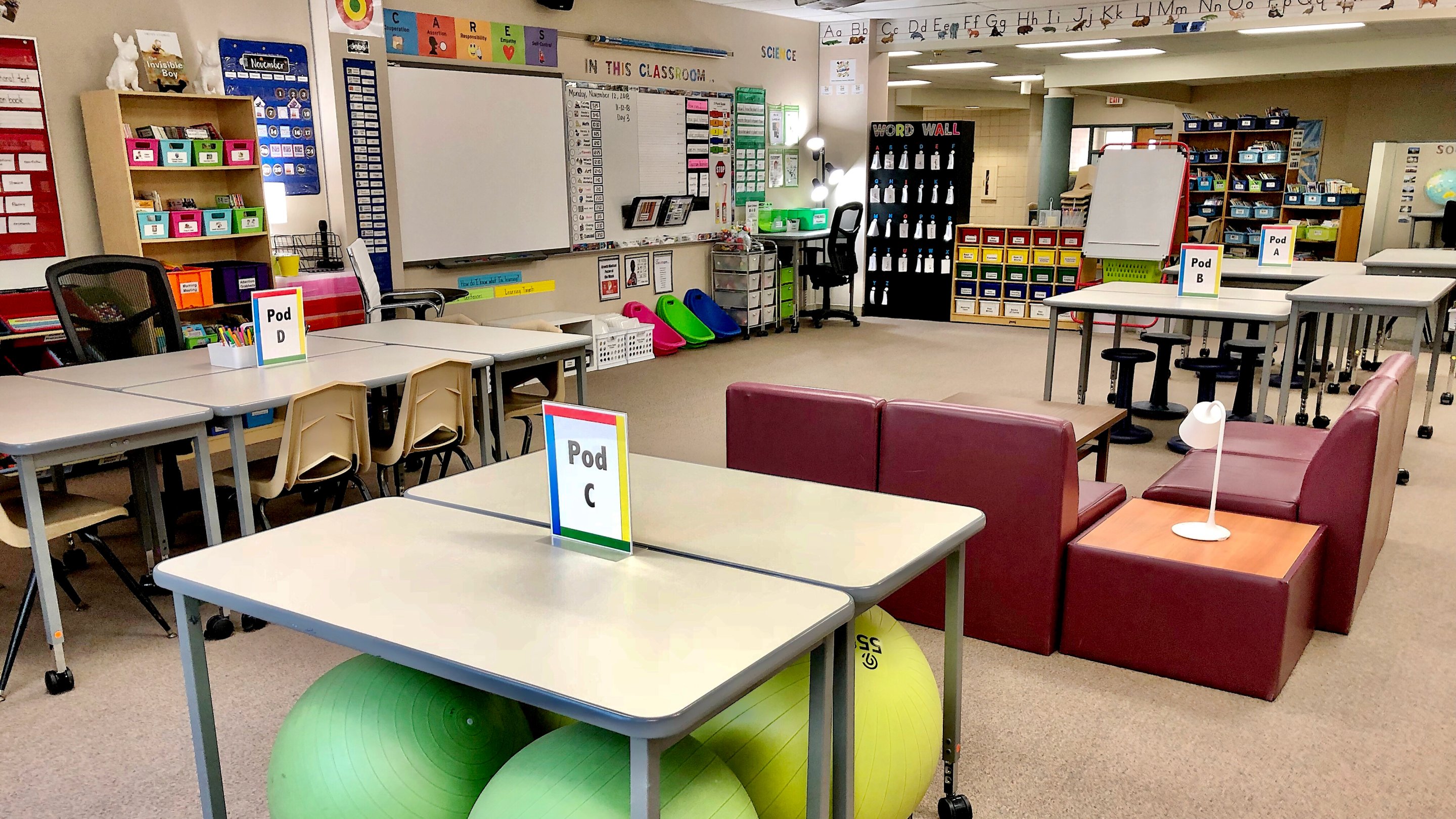
Group-based seating arrangements, such as clusters or pods, are conducive to collaborative learning. These setups encourage students to work together on projects, share ideas, and support each other's learning processes. Collaborative seating not only enhances participation but also helps in the development of critical thinking and problem-solving skills, which are vital for academic success and personal growth.
Addressing Diverse Learning Styles
Students possess diverse learning styles and preferences. Flexible seating arrangements can accommodate these differences, allowing students to choose environments that best suit their individual needs. For instance, some students may thrive in a quiet, front-row seat, while others may prefer a more interactive, group-oriented setup. By offering varied seating options, educators can create a more inclusive and effective learning environment that caters to the unique needs of each student.
Research Gap
Limited Focus on Elementary Learners
While extensive research has been conducted on the impact of classroom seating arrangements in secondary and higher education settings, there is a noticeable scarcity of studies focusing specifically on elementary learners. The developmental stages and social dynamics of younger students differ significantly from those of older students, necessitating targeted research to understand how seating arrangements influence participation at this crucial educational level.
Contextual Variability and Cultural Considerations
Existing studies often overlook the role of contextual factors such as cultural, socio-economic, and school-specific variables that can influence the effectiveness of different seating arrangements. Elementary classrooms are diverse, and factors like cultural norms, language barriers, and varying socio-economic backgrounds can affect how students interact and participate. There is a need for research that considers these contextual elements to develop more nuanced and effective seating strategies.
Comprehensive Analysis of Participation Quality
Current literature tends to focus on the frequency of student participation rather than the quality of interactions and learning outcomes. There is a gap in understanding how seating arrangements affect not just how often students participate, but also the depth and meaningfulness of their contributions. A comprehensive analysis that includes qualitative aspects of participation, such as the development of critical thinking and collaborative skills, is essential for a holistic understanding of seating arrangement impacts.
Longitudinal Impact of Seating Arrangements
Most studies provide only snapshot views of the effects of seating arrangements, lacking longitudinal data that tracks changes in student participation over time. Long-term studies are necessary to determine whether certain seating configurations have sustained positive or negative impacts on student engagement and participation, and how these effects evolve as students progress through different educational stages.
Integration of Teacher Perspectives
Another significant gap is the limited exploration of teachers' perspectives on seating arrangements. Understanding how educators perceive and adapt to different seating configurations can provide valuable insights into the practical implementation and effectiveness of these setups. Research that incorporates teacher feedback and experiences can help in developing more practical and teacher-friendly seating strategies that enhance student participation.
Comprehensive Analysis of Classroom Seating Arrangements
Traditional vs. Innovative Seating Configurations
Traditional seating arrangements, such as rows and fixed desks, have been the norm for decades. However, these setups often limit student interaction and passive learning. Innovative configurations like flexible seating, circular arrangements, and collaborative pods offer alternatives that promote active participation and engagement. Understanding the comparative effectiveness of these different layouts is crucial for optimizing classroom environments.
Advantages of Flexible Seating
Flexible seating allows students to choose their seating positions based on their learning preferences and task requirements. This autonomy can lead to increased student satisfaction, motivation, and participation. Additionally, flexible seating can accommodate various teaching methods, such as group work, individual tasks, and interactive activities, thereby enhancing the overall learning experience.
Semicircular and Horseshoe Arrangements
Semicircular and horseshoe seating arrangements encourage better visibility and communication among students and between students and the teacher. These configurations can lead to more inclusive discussions, greater student engagement, and a sense of community within the classroom. By breaking down physical barriers, these layouts facilitate a more democratic and interactive learning environment.
Clustered and Pod Seating
Clustered and pod seating arrangements promote collaboration and teamwork by grouping students together in small clusters. This setup is particularly effective for project-based learning, group discussions, and peer-assisted activities. The proximity of students within clusters fosters a supportive learning atmosphere, encouraging active participation and collective problem-solving.
Psychological and Cognitive Benefits
The psychological comfort and cognitive engagement of students are closely tied to their seating arrangements. Seating configurations that provide adequate visibility, reduce distractions, and promote a sense of belonging can significantly enhance students' willingness to participate. When students feel comfortable and valued in their seating environment, they are more likely to engage actively in classroom activities.
Enhanced Attention and Focus
Seating arrangements that minimize distractions and optimize teachers' ability to monitor and engage with students can lead to improved attention and focus. For example, front-row seating can enhance students' attentiveness by reducing external distractions and increasing their engagement with the instructional material.
Promoting Inclusivity and Equity
Thoughtful seating arrangements can promote inclusivity by ensuring that all students have equal opportunities to participate, regardless of their social standing or personality traits. Arrangements that facilitate interaction among diverse groups of students can help break down social barriers and foster a more inclusive classroom community.
Teacher Strategies and Instructional Adaptations
Effective seating arrangements enable teachers to implement a variety of instructional strategies tailored to the needs of their students. By adjusting the seating layout, educators can better manage classroom dynamics, facilitate different teaching methods, and respond to the diverse learning styles present in the classroom.
Adapting to Teaching Methodologies
Different teaching methodologies, such as direct instruction, flipped classrooms, or experiential learning, may require specific seating arrangements to be effective. For instance, a horseshoe layout may be ideal for interactive discussions, while a clustered arrangement may better support group projects and collaborative tasks.
Addressing Diverse Learning Needs
Classroom seating can be adapted to address the diverse learning needs of students, including those with special educational requirements. Arrangements that provide clear sightlines, easy access to resources, and minimal distractions can support students with attention difficulties, ensuring that they remain engaged and active participants in their learning.
Conclusion
The influence of classroom seating arrangements on student participation in elementary learners is a multifaceted issue that holds significant implications for educational outcomes. Strategic seating configurations can enhance engagement, foster social interactions, and accommodate diverse learning styles, thereby creating a more effective and inclusive learning environment. However, existing research reveals several gaps, particularly concerning the specific needs and contexts of elementary education. Addressing these gaps through targeted studies can provide valuable insights that inform best practices in classroom design and instructional strategies. By optimizing seating arrangements, educators can significantly improve student participation, leading to better academic performance and holistic development of young learners.
References
Last updated February 12, 2025