
Comparing a Classroom of Students and a Workshop Full of Machinery
An in-depth analysis of learning environments and practical applications
Key Highlights
- Contrasting Environments: Understand the structured differences in design, operation, and intended outcomes.
- Learning Methodologies: Explore how theoretical instruction compares with experiential, hands-on skill development.
- Safety, Supervision, and Maintenance: Examine the importance of health, safety protocols, and ongoing assessment in both settings.
Overview
When comparing a classroom of students to a workshop filled with machinery, several distinct educational and operational paradigms emerge. Both settings, though seemingly disparate, offer valuable insights into organization, skill development, and efficiency. This analysis synthesizes the most credible ideas and concepts from several detailed perspectives to provide an extensive comparison of these two learning environments. Each setting is designed to meet specific needs: traditional classrooms focus on theoretical knowledge, while workshops emphasize hands-on skills and practical application. By analyzing factors such as learning styles, resource availability, supervision, safety, and the nature of maintenance, we can discern the strengths and limitations inherent in each environment.
Comparative Analysis of the Environments
1. Setting and Infrastructure
Classroom Environment
Traditional classrooms are designed to support a range of academic activities including lectures, group discussions, and individual assignments. They are typically equipped with desks, chairs, whiteboards, and audiovisual technology. Classroom layouts are often flexible, allowing seating rearrangements to accommodate both collective and individual learning approaches. Resources tend to focus on cognitive development and theoretical instruction, often supplemented by digital media and literature.
Workshop Environment
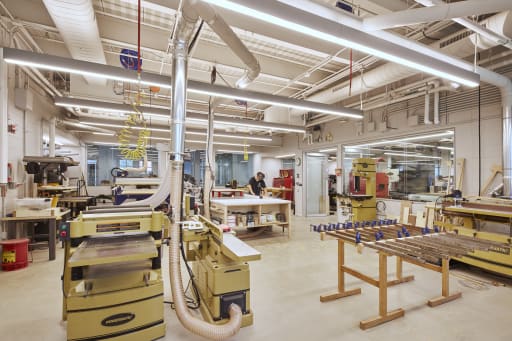
In contrast, workshops are specialized spaces tailored for practical, hands-on learning. They contain machinery and equipment that simulate real-world industry settings, allowing students to engage directly with the tools and technologies they will encounter in their future careers. The physical layout of a workshop is premeditated to optimize workflow efficiency, reduce congestion, and promote safety. Given the presence of heavy equipment, strict maintenance protocols and operating procedures are fundamental to ensure both productivity and the well-being of the users.
2. Learning Methodologies
Theoretical vs. Practical Learning
Classrooms primarily revolve around the dissemination of theoretical knowledge. Lessons are delivered by instructors through lectures, discussions, and demonstrations, with student performance measured through tests and written assignments. This model emphasizes cognitive skills such as critical thinking, logical analysis, and memorization. In many cases, assessments are conducted after instruction to gauge students' understanding of the material.
Workshops, on the other hand, emphasize experiential learning. Hands-on engagement with physical equipment allows students to immediately apply theoretical concepts to practical tasks. This integrative approach reinforces learning by connecting abstract ideas to tangible outcomes. Assessment in workshops is ongoing and often diagnostic, meaning that feedback is provided in realtime to correct errors, refine techniques, and ensure safety protocols are followed. The active participation required in such environments results in a dynamic learning experience that can often lead to faster skill acquisition compared to traditional classrooms.
Personalization and Adaptability
In both contexts, personalization plays a crucial role in enhancing learning outcomes. In classrooms, differentiated instruction strategies are implemented to meet diverse student needs. This may involve varying the depth of material, using multiple teaching styles, and adapting lesson plans to address individual challenges. In workshops, personalized guidance is even more critical because the use of machinery requires specific competencies that must be mastered under supervision. Tailored training and adjustments based on diagnostic assessments help ensure that each student develops the necessary skills at a pace that suits their individual learning curve.
3. Resource Availability and Utilization
Classroom Resources
The educational resources in a classroom are often expendable and scalable. Digital modules, textbooks, and online learning platforms provide a wide range of materials. These resources can be updated with relative ease, reflecting new research, expert opinions, and pedagogical advancements. The classroom setting is highly adaptable due to the flexibility of its infrastructure, which can support both large group interactions and individualized instruction.
Workshop Tools and Equipment
In a workshop environment, the primary resources are the machinery and tools required for hands-on training. These resources are specialized and are typically reflective of industry standards. Access to such equipment allows students to gain practical experience that is immediately applicable in professional contexts. However, the cost and upkeep of these resources demand rigorous maintenance protocols. Regular checks, safety certifications, and timely repairs are imperative to prevent accidents and ensure continued operational efficiency.
4. Safety and Operational Protocols
Health and Safety in Classrooms
While safety in a classroom primarily deals with ensuring a safe learning atmosphere (e.g., fire drills, emergency exits, ergonomic furniture), it does not typically involve the high risk associated with industrial equipment. Safety protocols in classrooms are geared toward preventing accidents such as falls or misuse of technological devices.
Rigorous Safety in Workshops
Workshops, due to the presence of heavy machinery, impose stringent health and safety measures. Students must adhere to strict operational protocols, including the use of personal protective equipment (PPE), proper storage of personal belongings to avoid trip hazards, and compliance with machinery-specific guidelines. Lighting standards in these environments can vary by task – for example, general workspace lighting may be set around 500 lux, while areas requiring finer detail may require up to 1000 lux. Additionally, adequate ventilation and noise control measures are critical to maintain a safe and conducive learning environment.
Application to Teaching and Skill Acquisition
1. Supervision and Interaction
Teacher as Instructor and Mentor
In traditional classrooms, the teacher is often the primary disseminator of knowledge, leading discussions and delivering structured content. The interaction is typically instructor-led, with students participating within a guided framework. In workshops, the instructor’s role evolves into that of a mentor or coach, supervising students who are performing tasks that require immediate technical precision. This shift necessitates a more hands-on, individualized approach to ensure that all students operate machinery safely and effectively.
2. Skill Acquisition Timeline
Incremental vs. Immediate Feedback
The classroom model usually involves incremental feedback through periodic tests and assignments. The pace of learning can be adjusted over longer periods, and students often have the opportunity to review and internalize concepts before applying them. In contrast, workshops demand immediate feedback. As students interact directly with machinery, success—or mistakes—are quickly evident. This necessitates real time corrective actions, which can enhance the learning process by reinforcing practical knowledge through immediacy and repetition.
3. Preparing for Real-World Applications
Academic Knowledge vs. Industry Readiness
Although classrooms excel at delivering foundational knowledge and abstract concepts, the workshop environment is instrumental in preparing students for specific careers. The hands-on experience provided by workshops simulates real-world conditions, thereby smoothing the transition from academic learning to professional application. This is particularly valuable in fields that rely heavily on technical skills and machine operation, where theoretical understanding must be paired with practical competency.
Comprehensive Comparison Table
| Aspect | Classroom Environment | Workshop Environment |
|---|---|---|
| Purpose | Theoretical learning, cognitive development, and discussion-based interaction | Practical skills development, hands-on training, and immediate application of concepts |
| Infrastructure | Desks, chairs, whiteboards, projectors, and flexible seating arrangements | Machinery, specialized tools, predetermined layouts, and strict maintenance protocols |
| Learning Methodology | Instructor-led lectures, group discussions, and structured assessments | Experiential learning with immediate feedback and supervised hands-on tasks |
| Safety Considerations | General safety protocols with minimal risk factors | Stringent safety measures, use of PPE, scheduled maintenance, and regulated workflow |
| Feedback Mechanism | Assessment through tests, assignments, and periodic evaluations | Real-time feedback during tasks, diagnostic assessments, and continuous improvement |
| Teacher/Instructor Role | Knowledge transmitter, guide during lectures, facilitator of discussions | Mentor, coach, and supervisor ensuring safe and effective operation of equipment |
| Student Interaction | Collaborative group work, intellectual discussions, and academic interaction | Independent or team-based work with a focus on technical skill enhancement |
Practical Implications and Long-Term Benefits
1. Enhancing Educational Outcomes
The duality of classroom and workshop environments reflects the diverse needs of modern education. While classrooms effectively build foundational knowledge, workshops excel in fostering technical proficiency and real-world readiness. The integration of hands-on activities with theoretical instruction boosts student engagement, improves retention, and ultimately encourages a more comprehensive learning experience.
Furthermore, educators can leverage the strengths of both environments by adopting hybrid models that incorporate classroom instruction with practical sessions. Such approaches enable students to benefit from structured learning as well as experiential practice. This not only solidifies the learning process but also enables easier transition from academic settings to professional spaces.
2. Operational Efficiency and Maintenance
In both contexts, regular maintenance—be it the updating of curriculum materials or the servicing of machinery—is crucial. Just as buildings and classrooms require periodic upkeep for an optimal learning environment, machinery in a workshop setting must be meticulously maintained. This distinct yet analogous requirement underlines the importance of routine diagnostics, scheduled inspections, and continuous feedback loops in ensuring that both educational and operational resources function at their peak.
3. Safety and Risk Management
Regardless of the learning environment, safety is of paramount importance. In classrooms, maintaining order and ensuring a clean, distraction-free environment contributes to mental well-being and academic success. In workshops, on the other hand, safety protocols prevent physical accidents, reduce hazards, and protect both students and equipment. The emphasis on safety in workshops fosters a culture of respect and responsibility, encouraging students to appreciate the critical importance of adhering to guidelines and best practices.
Supporting Resources and Further Reading
A wealth of resources exists that further explores the nuances of these two learning environments. Detailed discussions in academic literature and industry guidelines provide additional context and best practices for integrating practical skills with theoretical knowledge. The following URLs offer additional insights into understanding these dynamics:
References
- Health & Safety Considerations for Workspaces - Learning Space Solutions
- Machinery Use in School Workshops - Design Technology
- Comparing Classroom Environments - EGUSD
-
Workshop-Based Teaching Effectiveness - PMC
- Online Courses versus Workshops - DigitalDefynd
Recommended Further Queries
Last updated March 21, 2025