
Unlocking Claude 3.7 Sonnet: Free Access Without the Hassle
Discover how to tap into the power of Anthropic's advanced AI model without logins or subscriptions.
Key Highlights for Free Access to Claude 3.7 Sonnet
- Access through Third-Party Platforms: Explore platforms like Jenova AI and Monica AI that offer free access to Claude 3.7 Sonnet, often without requiring a login.
- Limited Free Tiers: Be aware of the limitations of free access, such as usage caps or the availability of "extended thinking" features.
- Alternative Models: Consider Claude 3.5 Sonnet as a free alternative if Claude 3.7 Sonnet access is restricted or unavailable.
Understanding Claude 3.7 Sonnet
Claude 3.7 Sonnet, developed by Anthropic, stands out as a highly intelligent and versatile AI model. It's recognized as the first hybrid reasoning model available, adept at both near-instant responses and more deliberate, step-by-step thinking. This makes it suitable for a wide array of applications, from coding to complex data analysis.
What Makes Claude 3.7 Sonnet Special?
This model distinguishes itself through several key features:
- Hybrid Reasoning: It combines quick response capabilities with in-depth reasoning.
- Coding Prowess: Excels in agentic coding, managing software development lifecycle tasks from planning to debugging.
- Large Context Window: Supports a 200K token context window, allowing it to handle extensive data inputs.
- Extended Output Tokens: Offers up to 128K output tokens (in beta), which is particularly useful for code generation and planning.
Ways to Access Claude 3.7 Sonnet for Free
While direct access to Claude 3.7 Sonnet through Anthropic's platform may require a subscription, several avenues offer free access, often without the need for a login.
Leveraging Third-Party Platforms
Several platforms provide access to Claude 3.7 Sonnet, sometimes for free:
- Jenova AI: This platform allows free usage of Claude 3.7 Sonnet and integrates real-time web access, YouTube, Reddit, GitHub, Google Maps, and image search.
- Monica AI: Monica AI offers seamless access to multiple AI models, including Claude 3.5 Sonnet, O1-Preview, and O1-Mini, enhancing your AI experience without needing additional software installations.
Free Tiers and Limitations
Although these platforms offer free access, it's essential to be aware of potential limitations:
- Usage Caps: Free access might be limited in terms of the number of requests or the duration of use.
- Feature Restrictions: Some advanced features, like "extended thinking mode," may only be available to paid users.
- Model Availability: The availability of specific models, such as Claude 3.7 Sonnet, can fluctuate based on demand and platform policies.
The Claude Free API
Claude AI provides a limited free tier for its API, which allows users to test basic functionalities such as code analysis and simple automation tasks. This can be accessed via platforms that offer Claude 3.7 Sonnet.
Tools and Platforms for Enhanced Access
To get the most out of Claude 3.7 Sonnet, consider using tools and platforms designed to enhance your experience.
Apidog: Streamlining API Testing
Apidog is a tool that simplifies testing and debugging APIs. Its features include automatic response validation, CI/CD integration, and scenario simulation, making it suitable for testing Claude 3.7 Sonnet's large context window and complex reasoning capabilities. You can download Apidog for free from their official website.
GitHub Copilot: Integrating Claude 3.7 Sonnet in Development Environments
GitHub Copilot allows you to use Claude 3.7 Sonnet directly within your coding environment. However, it's important to note that Claude 3.7 Sonnet is available in Copilot Business and Enterprise plans, requiring administrators to grant access via Copilot settings. It is not available in Copilot Free but can be accessed by upgrading to a Copilot Pro plan.
Claude 3.7 Sonnet in Action: Use Cases and Applications
Claude 3.7 Sonnet's capabilities make it ideal for various applications, particularly those requiring advanced reasoning and coding skills.
Software Development
Claude 3.7 Sonnet excels in software development tasks, including:
-
Agentic Coding: Completing tasks across the entire software development lifecycle.
-
Complex Coding Tasks: Demonstrating strong performance in both planning and problem-solving.
-
Code Generation: Generating rich code, aided by its extended output token support.
Chatbots and Conversational AI
With its enhanced reasoning and human-like tone, Claude 3.7 Sonnet is perfect for creating chatbots that can connect data and take actions across various systems and tools. Its large context window and low hallucination rates make it reliable for answering questions based on extensive knowledge bases.
Data Analysis and Insights
Claude 3.7 Sonnet can understand nuanced instructions and context, correct its own mistakes, and derive sophisticated analysis and insights from complex data, making it invaluable for data-driven decision-making.
Comparing Claude 3.7 Sonnet with Other Models
When evaluating AI models, it’s helpful to compare Claude 3.7 Sonnet with its competitors to understand its strengths and weaknesses.
Claude 3.7 Sonnet vs. Grok 3
Here's a brief comparison between Claude 3.7 Sonnet and Grok 3, another notable language model:
| Feature | Claude 3.7 Sonnet | Grok 3 |
|---|---|---|
| Context Window | 200K tokens | Not specified |
| Reasoning Capabilities | Hybrid reasoning (instant and step-by-step) | Extended reasoning |
| Access | Anthropic API, Amazon Bedrock, Google Vertex AI, select third-party platforms | Grok.com, X platform |
| Ideal Use Cases | Coding, chatbot development, data analysis | Research, information gathering |
Claude 3.7 Sonnet is available through Anthropic’s API, Amazon Bedrock, and Google Vertex AI. Grok 3 is accessible at Grok.com and the X platform. Each model is suited to different tasks based on its features and capabilities.
Visualizing Claude 3.7 Sonnet: Applications and Interfaces
Exploring different interfaces and applications helps demonstrate the versatility and potential of Claude 3.7 Sonnet in various contexts.
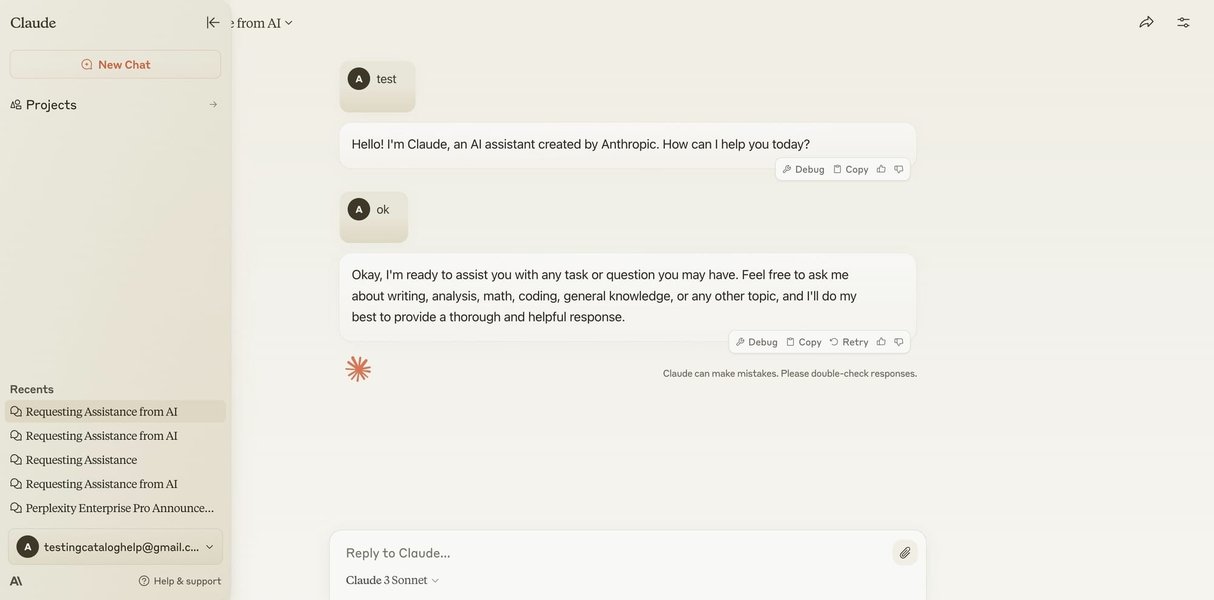
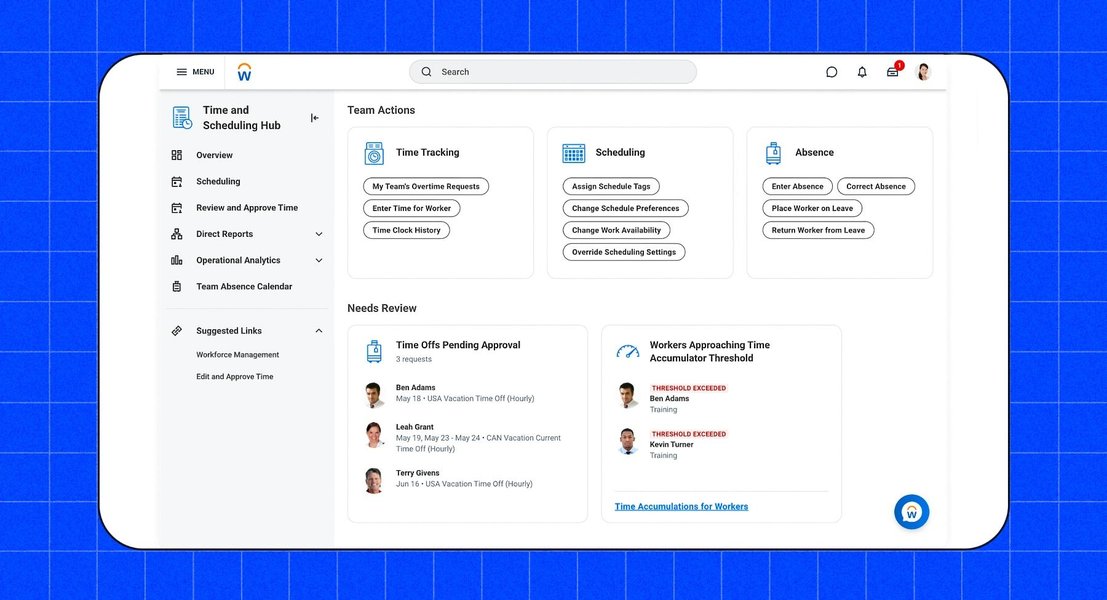
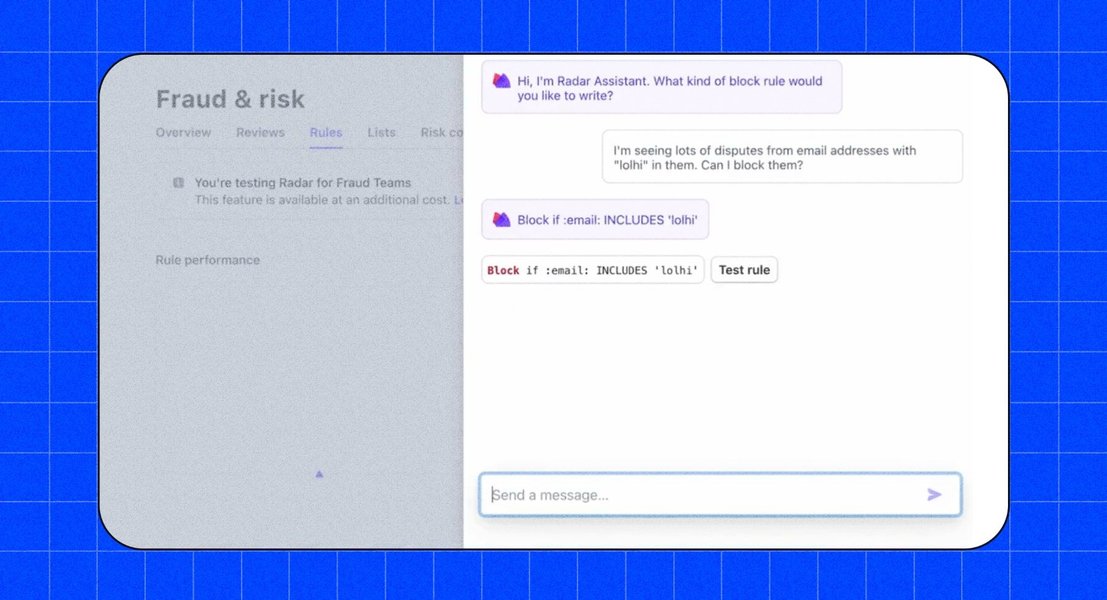
The images above illustrate different ways AI chatbots and interfaces, like those powered by Claude 3.7 Sonnet, are being integrated into various platforms. From streamlined sidebars akin to ChatGPT to AI-driven user interfaces in enterprise applications, these visuals show the tangible impact and evolving design of AI in daily workflows.
Video Tutorial: FREE Claude 3.7 AI Agents
This video demonstrates how to create fully free Claude 3.7 Sonnet AI agents. It's relevant because it shows how to automate processes using Claude 3.7 Sonnet, providing practical steps for leveraging this AI model in real-world applications without incurring costs. The tutorial walks through setting up and utilizing these agents, making it accessible for users looking to enhance their workflows with AI.
Frequently Asked Questions
References
Last updated April 10, 2025