
Mastering the Brilliance: A Comprehensive Guide to Clear Coating Polished Brass
Unlock Lasting Luster: Techniques and Considerations for Protecting Your Brass
Key Highlights for Long-Lasting Brass Protection
- Thorough Preparation is Paramount: Achieving a durable clear coat on brass hinges entirely on meticulous cleaning and polishing. Any trace of oil, tarnish, or polishing residue will compromise adhesion and lead to premature failure.
- Choosing the Right Coating Matters: Lacquers, polyurethanes, epoxies, and specialized clear coats like Everbrite and ProtectaClear each offer distinct advantages in terms of durability, application, and resistance to environmental factors like moisture and UV light.
- Application Technique Ensures Flawless Finish: Whether spraying, wiping, or brushing, applying thin, even coats in optimal environmental conditions is crucial to prevent common issues like bubbles, crazing, and uneven finishes.
Polished brass exudes a timeless elegance, but its inherent tendency to tarnish when exposed to oxygen and moisture can be a continuous challenge. To preserve its gleaming appearance without the burden of constant polishing, applying a clear protective coating is the most effective solution. This comprehensive guide delves into the essential steps, various coating options, and expert tips to ensure your polished brass maintains its shine for years to come.
The Foundation of Flawless Finish: Preparation is Key
Achieving an Immaculate Surface for Optimal Adhesion
The success of any clear coating on brass hinges critically on the preparation of the surface. A "squeaky clean" surface is non-negotiable, as even microscopic traces of contaminants can lead to adhesion failures, discoloration, or "tarnish blooms" underneath the clear coat. This is arguably the most crucial step in the entire process.
Initial Cleaning and Polishing
Begin by thoroughly cleaning and polishing the brass to your desired finish. If the brass has an existing coating, it must be completely removed. Acetone or traditional paint strippers (containing methylene chloride, if necessary) can be used to soften and strip old lacquers. For heavy tarnish, a strong brass cleaner like Brasso or a mixture of lemon juice and salt can be effective. However, be aware that Brasso can leave a film, which necessitates an additional cleaning step.
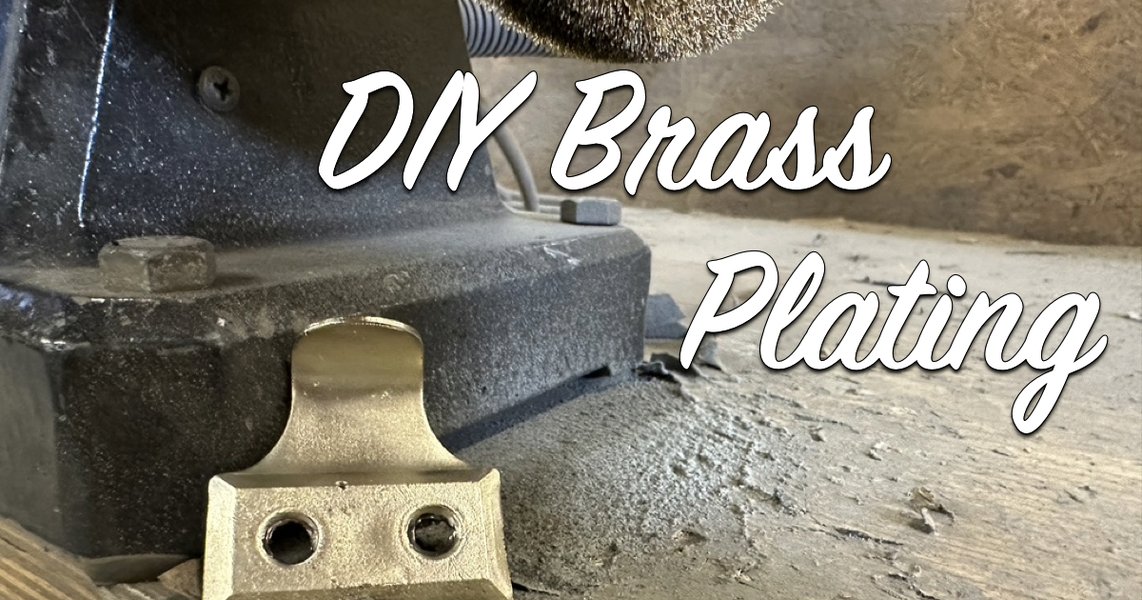
Careful preparation is key for a lasting clear coat on brass.
Crucial Degreasing and Residue Removal
After polishing, it is imperative to remove all oily soils, polishing compounds, corrosion products, and any other contaminants. This is where many DIY attempts fail. Hot water and liquid dishwashing detergent can be used to wash away rouge and its wax binder. A final wipe-down with a solvent cleaner such as xylene, denatured alcohol, or lacquer thinner is highly recommended. This step ensures that no residue, especially from polishing agents, remains to repel the coating or cause "fisheye" defects. Always wear gloves during and after this stage to prevent transferring skin oils onto the freshly cleaned surface.
Choosing the Right Clear Coating for Your Brass
Exploring Diverse Protective Finishes
The market offers a variety of clear coatings, each with distinct properties suited for different applications and desired levels of durability. The choice depends on factors like exposure to moisture, UV light, high-touch surfaces, and desired gloss level.
Lacquer Coatings
Lacquer is a traditional and widely used clear coat for brass. It provides a glossy finish and creates a barrier against air, preventing tarnish. When properly applied, lacquers can last for up to 10 years, making them suitable for decorative items. Automotive spray lacquers are often recommended, applied in 2-3 thin coats from about 8 inches away. Mohawk Lacquer for Brass is an example of a water-clear, non-yellowing option. However, lacquers can gradually lose their shine over time and may crack if not applied correctly or if exposed to extreme conditions.
Polyurethane and Epoxy/Polyamide Finishes
Polyurethane, particularly clear gloss Varathane, is noted for its toughness and durability. It offers excellent protection, especially in environments exposed to moisture. Two-component epoxy clear coatings are highly regarded for their robust, durable finish and superior protection against damaging elements like moisture. These are often recommended for applications requiring higher resistance, such as brass inlays in countertops or outdoor pieces.
Specialized Protective Coatings: Everbrite, ProtectaClear, and CrobialCoat
For superior long-term protection and ease of application, specialized coatings like Everbrite™ and ProtectaClear® are frequently cited as top performers. These products are specifically designed for metal protection, offering UV stability, non-yellowing properties, and excellent adhesion, even on highly polished brass. ProtectaClear, in particular, is highlighted for its toughness (H8 pencil hardness) and suitability for highly polished, mirror-finish brass and high-touch surfaces like handrails. CrobialCoat™ further enhances protection with silver-ion antimicrobial technology, ideal for high-contact items.
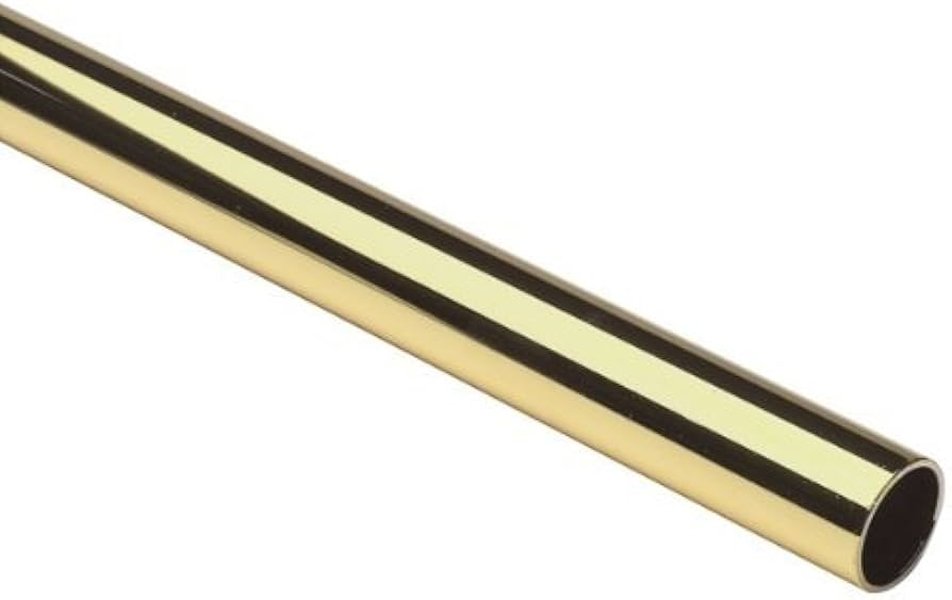
A clear coat preserves the shine of polished brass.
Alternative and Advanced Coatings
- Clear Waxes: While not as permanent as other coatings, clear waxes, such as purified carnauba wax, can provide an invisible protective layer, particularly for museum pieces or items that are regularly maintained.
- Powder Coatings and E-coat: For industrial applications or maximum durability, powder coatings and cathodic electrodeposition (e-coat) are advanced options that offer extremely robust and long-lasting finishes. These typically require specialized equipment.
- Physical Vapor Deposition (PVD): Although not a clear coat in the traditional sense, PVD is a high-end manufacturing process that creates a highly durable, tarnish-resistant finish by depositing a thin film of metal onto the brass. This is often seen on "lifetime polished brass" faucets.
Application Techniques for a Pristine Finish
Ensuring Smooth, Durable, and Bubble-Free Results
Once the brass is meticulously prepared and the coating is selected, proper application is crucial for a smooth, durable, and bubble-free finish. Different coatings may have specific instructions, but general principles apply.
Optimal Conditions and Methods
Apply coatings in cool temperatures, ideally around 70°F (21°C), and below 80°F (27°C). Ensure a well-ventilated area. Coatings can typically be applied by spraying, wiping, or brushing. For spray applications, multiple thin coats are always better than one thick coat, as this helps prevent drips, runs, and bubbles. Maintain a consistent distance from the surface, usually about 8 inches for aerosol sprays.
Learn how to apply lacquer specifically for brass to achieve a professional finish.
This video demonstrates the practical application of Mohawk Lacquer for Brass, showcasing techniques to achieve a smooth and protective finish. It's highly relevant as proper application is as important as the choice of coating itself, ensuring the longevity and aesthetic appeal of the treated brass.
Avoiding Common Pitfalls
- Bubbles and Surface Irregularities: These are often caused by improper cleaning, airborne contamination, or applying too thick a coat. Ensure the surface is perfectly clean and dust-free before application.
- Fisheyes: If the brass was polished with products like Brasso, a film might remain that repels the new coating, causing "fisheye" effects. A thorough wipe-down with mineral spirits or appropriate solvent before coating is essential.
- Crazing: Some coatings, particularly older lacquers, can craze (develop fine cracks) after a few years if not properly applied or if exposed to significant temperature fluctuations. Using high-quality, UV-resistant products helps mitigate this.
- Darkening Under Clear Coat: While a clear coat protects against tarnish, some brass may still slightly darken or "turn" under the clear coat over many years, especially if it's a golden-tinted lacquer. This is often less noticeable than full tarnish.
Comparative Analysis of Brass Protective Coatings
Assessing Performance Across Key Attributes
To help visualize the strengths of various clear coating options for polished brass, the radar chart below provides an opinionated comparison based on common user experiences and product claims. The ratings are relative, highlighting general performance trends.
This radar chart illustrates the typical performance profile of different clear coating types for brass. Standard Lacquer is a good all-rounder for indoor decorative items. Polyurethane offers improved durability and moisture resistance. Everbrite/ProtectaClear excels in overall protection, especially for high-touch and outdoor applications, making them very popular choices. Epoxy/Polyamide coatings provide strong, durable finishes, particularly against moisture. PVD is included as a benchmark for ultimate durability, though it's a factory-applied process, not a DIY coating, hence its low score in "Ease of Application."
Choosing the Best Coating Based on Application Environment
Tailoring Protection to Specific Needs
The ideal clear coat often depends on where the brass item will be used and the environmental challenges it faces. Different environments demand different levels of protection.
Indoor Applications
For indoor decorative items, such as lamps, figurines, or picture frames, where exposure to moisture and abrasion is minimal, a clear lacquer or a good quality clear acrylic spray can suffice. These offer good aesthetic retention and moderate protection against air-induced tarnish and fingerprints.
High-Touch Surfaces and Furniture
Brass items that are frequently touched, like door handles, railings, or cabinet pulls, require a more durable coating to withstand physical wear and tear, as well as oils from hands. ProtectaClear is specifically designed for high-touch metals, offering strong protection against fingerprints, tarnish, and abrasion. Polyurethane or epoxy/polyamide clear finishes are also strong contenders for such applications.
Moisture-Prone and Outdoor Environments
For brass exposed to moisture, humidity, or outdoor elements (e.g., marine brass, outdoor architectural panels, or countertop inlays), a highly resistant coating is essential. These environments can lead to "corrosion spots" under less robust coatings. Everbrite™ and ProtectaClear® are excellent choices as they are UV stable and designed to protect against harsh outdoor conditions, preventing yellowing, cracking, or peeling. Some automotive-grade clear coats or specialized marine lacquers like Permalac are also suitable for extreme outdoor exposure.
| Coating Type | Best Use Cases | Pros | Cons | Typical Longevity (Years) |
|---|---|---|---|---|
| Standard Lacquer (e.g., Nitrocellulose, Spray Lacquer) | Indoor decorative items, musical instruments | Easy to apply, good gloss, common and affordable. | Can darken/yellow over time, may crack, less durable for high-touch/outdoor use. | 3-10 (Indoor) |
| Polyurethane (e.g., Varathane) | Furniture, general indoor items, moderate moisture exposure | Very tough, good abrasion and moisture resistance, clear gloss. | Can be thicker, requires good ventilation, may yellow slightly over long periods. | 5-15 (Indoor/Protected Outdoor) |
| Epoxy/Polyamide Clear Finish | High-moisture areas, industrial applications, outdoor items | Highly durable, excellent adhesion, superior moisture and chemical resistance. | Requires precise mixing (two-component), professional application often recommended. | 10-20+ (Challenging Environments) |
| Everbrite™ / ProtectaClear® | High-touch surfaces, outdoor architectural brass, jewelry, sinks | Specifically designed for metals, UV stable, non-yellowing, excellent adhesion, high durability. | Higher cost, requires specific cleaning/neutralizing steps. | 10-20+ (Indoor/Outdoor) |
| Clear Wax (e.g., Museum Wax) | Antique pieces, items requiring a natural feel, minimal handling | Invisible finish, easy reapplication, reversible. | Not permanent, minimal abrasion resistance, requires frequent reapplication. | 0.5-2 (Dependent on handling) |
| PVD (Physical Vapor Deposition) | Factory-finished hardware (e.g., faucets, door handles) | Extreme durability, highly tarnish-resistant, scratch-resistant, permanent. | Not a DIY application, requires specialized industrial equipment. | Lifetime (Factory-applied) |
This table summarizes the characteristics, ideal applications, advantages, and disadvantages of various clear coat options, helping you make an informed decision for your specific brass protection needs.
Long-Term Maintenance and Reapplication
Preserving the Clear Coat's Integrity
Even with the most durable clear coats, periodic inspection and maintenance can extend the life of the finish and the brilliance of your brass. While the goal of a clear coat is to reduce constant polishing, it doesn't mean zero maintenance.
Care for Coated Brass
Routine dusting and occasional washing with mild, soapy water can help keep your coated brass clean. Avoid abrasive cleaners or harsh chemicals, as these can degrade or remove the clear coat. For high-touch items, simply wiping with a soft cloth can remove fingerprints and light grime.
When to Reapply
The lifespan of a clear coat varies greatly depending on the product used, application quality, and environmental exposure. Factory-applied coatings can last decades, while DIY applications might require reapplication every few years. Look for signs of wear, such as dulling, cracking, peeling, or the reappearance of tarnish spots underneath the coating. If these signs appear, it's time to consider stripping the old coat (if possible) and reapplying a fresh layer after thorough preparation.
Frequently Asked Questions About Clear Coating Brass
What causes brass to tarnish?
Can I clear coat brass without polishing it first?
How do I remove an old clear coat from brass?
Will clear coating prevent fingerprints on brass?
Is a clear coat food-safe for brass kitchen items?
Can I bake the clear coat onto brass for better durability?
Conclusion
Applying a clear coat to polished brass is an excellent way to preserve its beauty and minimize the need for frequent polishing. The key to a successful and long-lasting finish lies in thorough surface preparation, selecting the appropriate coating for the item's environment and use, and meticulous application. By understanding the different types of clear coats available and their properties, you can confidently protect your brass pieces, ensuring they retain their brilliant luster for years to come.
Recommended Further Exploration
- Discover effective methods for safely removing tarnish from antique brass items.
- Explore various polishing techniques to achieve a mirror-like finish on brass.
- Delve into the composition and characteristics of different brass alloys.
- Learn broader maintenance strategies for preserving outdoor metal fixtures, including brass.
References

Last updated May 21, 2025