
Climate Action as a Mediator between Climate Worry and Subjective Wellbeing
Exploring why proactive behavior uplifts happiness without alleviating deep-seated distress
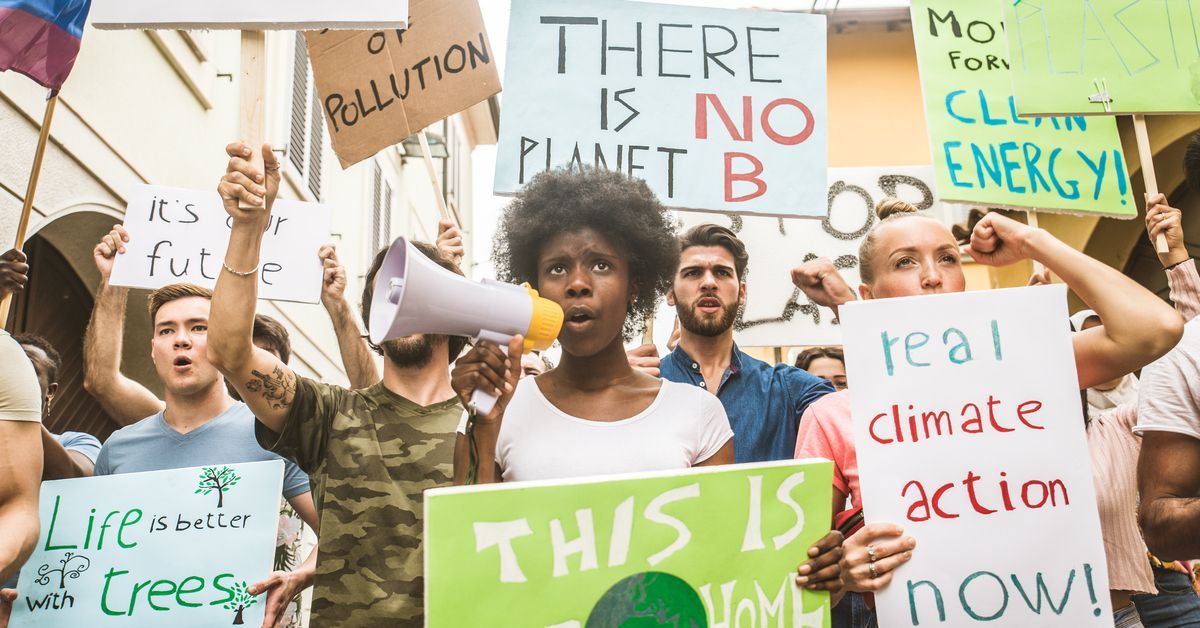
Key Highlights
- Empowerment and Agency: Engaging in climate action fosters personal empowerment and a sense of control that enhances subjective well-being.
- Social Connectivity and Meaning: Participating in community efforts builds social bonds and imbues life with meaning, which supports happiness and life satisfaction.
- Limited Impact on Deep-Seated Distress: While climate actions alleviate feelings of helplessness and promote fulfillment, they do not directly counter clinical symptoms of depression, anxiety, or stress.
Introduction
The relationship between environmental concerns, specifically climate worry, and mental health outcomes is complex. Recent studies and literature have examined how taking climate action may serve as an important mediator in the connection between climate worry and overall subjective well-being. However, the impact on deeper psychological distress—often measured through specific inquiries into depression, anxiety, and stress—appears to be more limited. This detailed analysis provides logical points, evidence from the literature, and integrated empirical arguments to explain why engaging in climate action might enhance subjective well-being without necessarily alleviating psychological distress.
In this study, subjective well-being is understood as a composite measure reflecting life satisfaction, happiness, and positive affect, while psychological distress is evaluated through more granular and clinical symptoms including feelings of depression, anxiety, and stress. The distinction lies in the way each construct is measured and responded to by individuals. Whereas subjective well-being is more sensitive to positive reinforcements and the empowerment associated with proactive behaviors, psychological distress often implicates internal emotional and cognitive patterns that are less easily shifted through external actions.
The Role of Climate Action in Mediating Climate Worry
Empowerment and Cognitive Dissonance Reduction
Enhancing Personal Agency
One of the fundamental mechanisms through which climate action mediates the effect of climate worry on subjective well-being is by instilling a sense of agency. When individuals engage in activities that aim to mitigate climate change—whether through personal behavioral adjustments or community initiatives—they often experience a psychological boost. This proactive engagement helps to resolve cognitive dissonance: the unsettling state that arises when there is a misalignment between one’s environmental values and inaction in the face of climate change. The resulting resolution often leads to positive emotional reinforcement, thereby improving general life satisfaction and happiness.
This sense of agency is associated with the release of positive neurotransmitters such as dopamine and endorphins. As individuals act according to their environmental values, they reinforce a self-image as effective, caring, and responsible citizens. The cognitive dissonance produced by climate worry is effectively countered by actions that demonstrate personal commitment, thus elevating subjective well-being as one perceives a contribution toward a larger, meaningful cause.
Social Connectivity and Community Support
Strengthening Social Bonds
Social engagement forms another critical pathway through which climate action enhances subjective well-being. Taking part in climate action often necessitates joining or forming groups with like-minded individuals. These community-led efforts provide robust social support networks. The collective nature of these actions not only disseminates feelings of solidarity, hope, and validation, but also diminishes the sense of isolation that can accompany pervasive climate worry.
Social interactions within these networks promote a sense of belonging and mutual commitment, which often translates to improved mood and satisfaction. This community dynamic acts as a buffer for negative emotions and is a crucial factor that elevates the overall subjective well-being of individuals. However, it is important to note that although these networks foster positive emotions, they tend not to directly address the entrenched symptoms of psychological distress, which are more reliant on individual psychological and medical interventions.
Reinforcing Identity and Purpose
Constructing Meaningful Lifestyles
Involvement in climate action contributes significantly to personal identity construction. Individuals who actively partake in sustainable practices often perceive themselves as committed stewards of the planet. This self-identification not only reinforces their environmental values but also gives them a sense of meaning and purpose in life. Such positive identity congruence can lead to an experience of fulfillment and joy, which is an integral component of subjective well-being.
Engaging in climate action also provides a clear narrative that one is contributing toward a noble cause. This narrative can serve to uplift mood, create optimism, and infuse life with an additional dimension of satisfaction. The feeling of “doing the right thing” has been shown to improve well-being through the positive reinforcement of personal values. Nevertheless, the mechanism by which this reinforcement occurs often lacks the intensity required to remedy deeper psychological symptoms like chronic anxiety, depression, or stress.
Differentiating Subjective Wellbeing from Psychological Distress
Measurement and Conceptual Differences
Subjective Wellbeing
Subjective well-being is primarily measured through indicators such as life satisfaction, overall happiness, and positive affect. These measurements are designed to capture a person’s holistic perception of their life quality. Pro-environmental actions that lead to a sense of achievement, community involvement, and personal progress can significantly boost these metrics by contributing to a more optimistic life outlook.
Studies have demonstrated that when individuals participate in climate action, they often report higher levels of happiness and a stronger sense of self-efficacy. This uplift in subjective well-being is largely due to the positive feelings associated with empowered decision-making and community support.
Psychological Distress
Psychological distress, on the other hand, is assessed through more narrowly defined clinical symptoms such as depression, anxiety, and stress. These symptoms are typically measured using targeted questions that capture the frequency and intensity of such negative emotional states. Psychological distress is deeply rooted in biological and neurochemical processes; hence, even though climate action may offer intermittent relief, it often fails to alleviate the underlying pathology of these conditions.
For example, an individual may feel a momentary boost in mood after participating in a community environmental cleanup, yet still experience pervasive anxiety or depression due to unresolved internal conflicts, genetic predispositions, or chronic stressors. The complexity of these symptoms means that external positive experiences, while beneficial, are not sufficient on their own to transition one out of severe psychological distress.
The Psychological Impact of Pro-Environmental Behaviors
Immediate Emotional Benefits
The immediate emotional benefits of climate action include increased feelings of joy, hope, and purpose. Engaging in actions that align with a person’s ethical and environmental values can trigger a release of neurotransmitters that uplift mood. As these positive biochemical responses take place, the individual benefits from an enhanced state of subjective well-being. This phenomenon is often related to the reward processes in the brain, which reinforce behaviors that are aligned with personal values.
However, while these biochemical rewards can elevate overall mood and satisfaction, they may not be sufficient to counteract the deeper and more persistent symptoms associated with long-term psychological distress. Clinical issues such as severe depression and anxiety involve complex neurochemical imbalances and often require targeted therapeutic or pharmacological interventions in addition to lifestyle modifications.
Long-Term Resilience versus Immediate Relief
Long-term resilience and sustained improvements in subjective well-being are often seen among individuals who consistently engage in pro-environmental behaviors. This ongoing commitment builds a resilient mindset, characterized by greater psychological flexibility and adaptability in the face of climate change. These qualities contribute to a more enduring state of happiness as individuals feel empowered to make meaningful contributions.
In contrast, the immediate relief provided by such actions might be transient when it comes to reducing clinical levels of distress. Psychological disorders, by their nature, are driven by a combination of chronic biological, psychological, and social factors. Thus, while climate action can play a role in mitigating certain emotional states related to climate worry, its effect on entrenched distress symptoms is typically limited.
Empirical Evidence and Literature Synthesis
Empirical Support from Large-Scale Studies
Empirical research has explored the interconnections among climate worry, climate action, and both subjective well-being and psychological distress using various methodologies and populations across multiple countries. Several studies have indicated that individuals who are highly worried about climate change might channel their emotions into constructive behaviors. For instance, data from cross-national surveys indicate that those with heightened climate worry are more likely to engage in both individual and collective pro-environmental activities. When individuals participate in these activities, they often report improved levels of subjective well-being as measured by happiness and life satisfaction indices.
However, when psychological distress is measured through specific items focused on depressive, anxious, or stressful feelings, the mediating impact of climate action tends to be less pronounced. The literature points towards a differential mechanism at work: while frequent participation in climate actions may reinforce positive feelings and elevate life satisfaction, it rarely addresses the clinically significant symptoms of psychological distress. These studies highlight a crucial distinction in how different mental health outcomes respond to behavior-based interventions.
Theoretical Perspectives and Conceptual Models
Theoretically, the relationship between climate worry and subjective well-being can be viewed through the lens of coping mechanisms. Climate action serves as a form of problem-focused coping that mitigates feelings of helplessness by actively engaging with the problem. This mode of coping is especially effective at enhancing positive outlooks on life because it provides a psychological reward that reinforces constructive behavior. In contrast, psychological distress is often rooted in more deeply embedded negative cognitive patterns and emotional responses. These are less susceptible to change through action-oriented coping and more likely require direct therapeutic intervention.
Models of psychological functioning suggest that while proactive behavior contributes to an overall sense of well-being by shifting focus from worry to actionable outcomes, it does not necessarily reverse underlying neurobiological dysfunctions that manifest as clinical distress. Thus, the mediating role of climate action is most potent with respect to subjective assessments of life quality rather than clinical symptoms.
A Comparative Overview in Table Format
| Aspect | Subjective Wellbeing | Psychological Distress |
|---|---|---|
| Nature of Measurement | Life satisfaction, happiness, and positive affect | Clinical symptoms such as depression, anxiety, and stress |
| Mediator Role of Action | Enhances empowerment, community engagement, and personal growth | Limited impact; underlying neurobiological factors persist |
| Immediate Effects | Boosts mood via neurotransmitter release (dopamine, endorphins) | Transient relief, insufficient to fully address clinical distress |
| Role of Social Connectivity | Strongly improves sense of belonging and communal support | While beneficial, does not counteract entrenched personal distress |
| Long-Term Impact | Promotes resilient and optimistic outlooks | Often requires targeted interventions beyond behavioral changes |
Implications for Climate Communication and Policy
Practical Benefits of Promoting Climate Action
Recognizing the distinct benefits of climate action on subjective well-being holds significant implications for climate communication strategies and policy-making. Framing climate action not only as an environmental necessity but also as a personal path to increased happiness and life satisfaction can serve as an effective motivational tool. Communications that highlight stories of empowerment, community success, and the personal rewards of proactive behavior are likely to resonate with broader audiences, inspiring more individuals to act.
Policies and community programs that support sustainable initiatives—from local recycling efforts to larger-scale renewable energy projects—can foster environments where individuals feel their actions lead to tangible improvements in both their immediate and long-term emotional well-being. This approach leverages the rewarding aspects of climate action, effectively bridging the gap between climate worry and a happier, more engaged populace.
Limitations and the Need for Holistic Approaches
Although climate action is a potent mediator for enhancing subjective well-being, it is important to recognize its limitations when addressing psychological distress. The entrenched symptoms of depression, anxiety, and stress often require comprehensive therapeutic interventions that include psychological counseling, medical treatments, and holistic lifestyle changes. Consequently, while encouraging proactive climate behaviors is beneficial for overall happiness, it should be coupled with mental health support systems to more effectively tackle the complex dynamics of psychological distress.
A more integrated mental health paradigm could involve community-based initiatives that not only focus on environmental actions but also incorporate mental health awareness and support services. Such programs would ideally provide the dual benefits of fostering community engagement and offering targeted interventions for those suffering from severe distress.
Conclusion
In summary, the literature robustly indicates that climate action significantly mediates the relationship between climate worry and subjective well-being through mechanisms associated with empowerment, community connectivity, and identity reinforcement. By engaging in climate action, individuals can transform feelings of anxiety and helplessness into positive, actionable behaviors that enhance their overall life satisfaction and emotional fulfillment.
However, when it comes to alleviating psychological distress—specifically, deep-seated symptoms of depression, anxiety, and stress—the benefits of climate action are more nuanced and limited. Although positive actions provide temporary emotional uplifts, clinical distress remains largely influenced by underlying neurobiological and psychological factors that require specialized treatments. Therefore, while promoting climate action is valuable for enhancing subjective well-being and combating climate worry, it should be complemented by targeted mental health interventions that address the more entrenched symptoms of psychological distress.
The findings from various studies and theoretical frameworks underscore the importance of differentiating between general well-being and clinical distress in climate-related psychological research. As society continues to address the challenges posed by climate change, it is crucial for policymakers, mental health professionals, and community organizers to adopt this dual approach—promoting proactive environmental behavior while also providing robust mental health support to those in need.
References
- Frontiers in Psychology - Frontiers
- Climate Communication - Yale
- Cape Weather - Yale Climate Connections
- Nature - Nature
- MDPI - Sustainability
Recommended Searches
Last updated February 27, 2025