
Climate Change and Its Impact on Rivers Worldwide
Analyzing the effects of global warming on river ecosystems, water quality, and flow patterns.
Key Highlights
- Altered River Flows: Climate change disrupts river flow seasonality, particularly in northern latitudes, impacting water security and ecosystems.
- Rising Water Temperatures: Increasing temperatures in rivers lead to reduced oxygen levels and increased algal blooms, harming aquatic life.
- Increased Flooding and Droughts: Climate change exacerbates hydroclimatic extremes, leading to more frequent and intense floods and droughts, affecting water quality and availability.
How Climate Change is Reshaping River Ecosystems
Climate change significantly impacts river ecosystems, primarily through altered water temperatures and flow regimes. These changes affect water quality, biodiversity, and the availability of water resources for human use. River flow, which integrates the water balance over land, is highly sensitive to changes in precipitation, evapotranspiration, and soil moisture. As global warming intensifies, these factors undergo substantial shifts, leading to observable and projected changes in river systems worldwide.
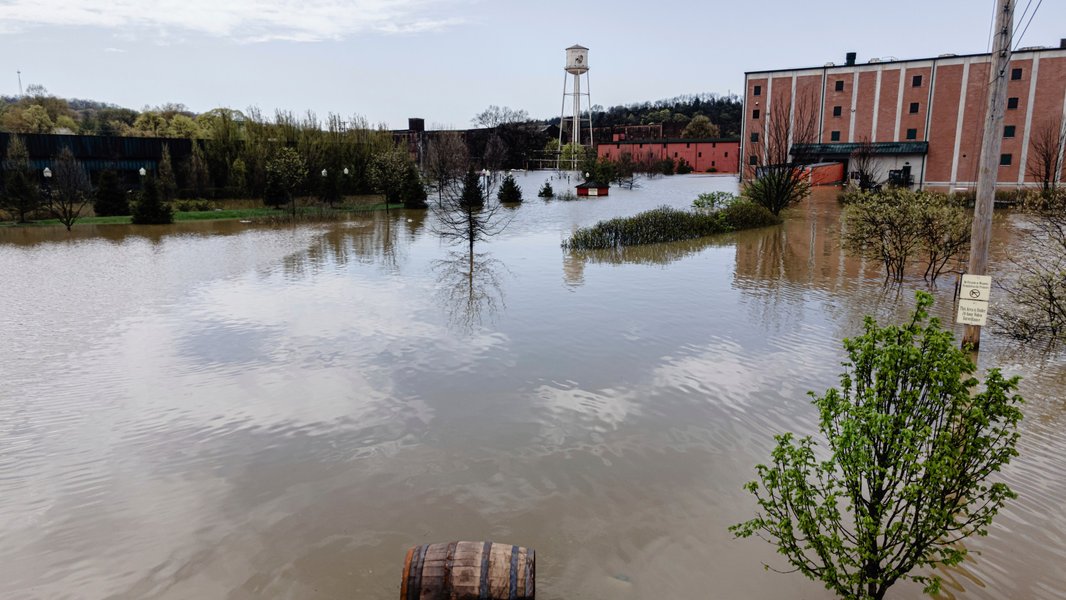 Swollen rivers causing floods after days of heavy rainfall.
Changes in River Flow and Seasonality
One of the most significant impacts of climate change on rivers is the disruption of their seasonal flow. Research indicates that in the far northern latitudes of America, Russia, and Europe, river flow is becoming less seasonal. This poses a threat to water security and ecosystems, as many plants and animals depend on predictable flow patterns for their life cycles. The timing of high flow is crucial for reservoir management and ecological balance.
Specifically, climate change is causing:
- Decreased Seasonal Flow Variability: Climate change is weakening river seasonality, creating challenges for water management.
- Increased High Flows and Decreased Low Flows: Many regions are experiencing increases in high flows, which can cause erosion and damaging floods, alongside decreases in low flows, which can diminish water quality and harm aquatic life.
- Shifts in Winter-Spring Runoff: Changes in the timing of annual high winter-spring flow are evident, affecting water storage and ecological processes.
The Role of Atmospheric Rivers
Atmospheric rivers, concentrated corridors of water vapor in the atmosphere, play a significant role in extreme weather events, particularly on the West Coast of continents. These events can cause intense rainfall and flooding, and climate change is expected to exacerbate these effects.
Climate change is likely to intensify the flooding caused by atmospheric rivers, making them more difficult to manage. The increased frequency and intensity of these events pose significant challenges for infrastructure and emergency management.
Impacts on Water Temperature and Quality
Rising water temperatures are another critical consequence of climate change affecting rivers. Higher temperatures can reduce dissolved oxygen levels and increase the frequency of algal blooms, both of which can lead to fish kills and significant harm to river ecosystems. Warming water also has direct and indirect impacts on aquatic life, exacerbating issues such as eutrophication, pollution, and the spread of disease.
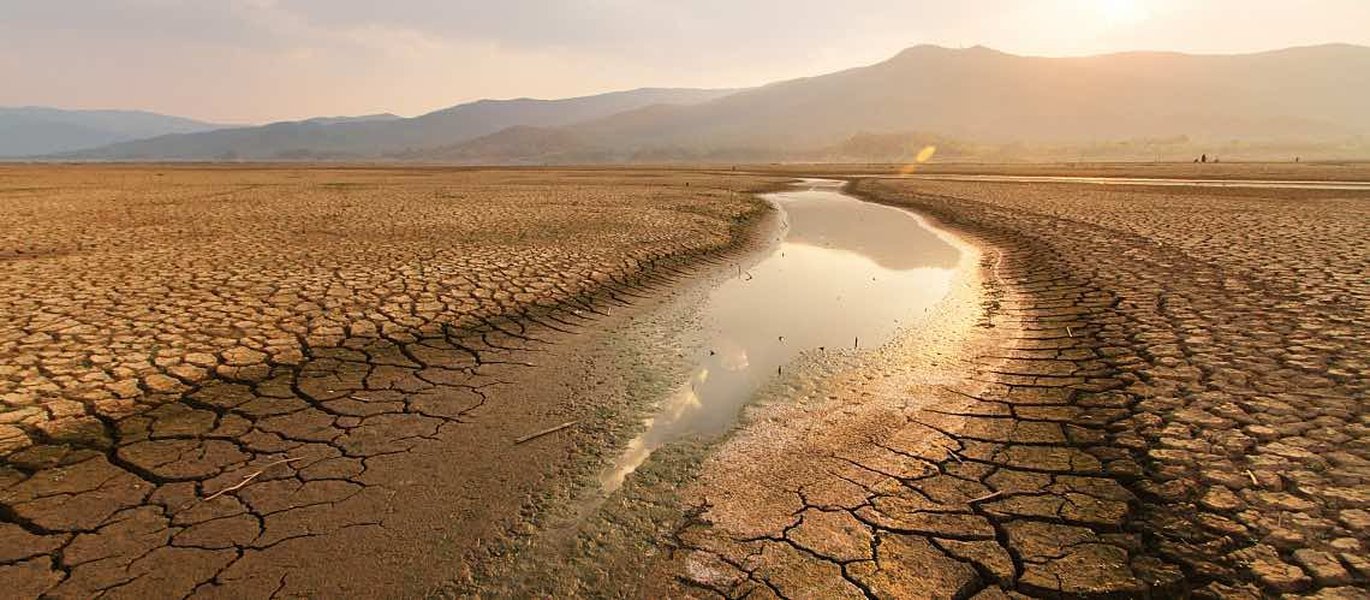 Dry rivers due to extreme drought conditions.
Specific Effects of Rising Water Temperatures:
- Reduced Water Quality: Rising air temperatures warm the water, reducing water quality and threatening river ecosystems.
- Increased Algal Blooms: Higher temperatures cause more frequent algal blooms, which can deplete oxygen levels and harm aquatic life.
- Ecological Impacts: Warming water has both direct and indirect impacts on aquatic life, aggravating pervasive issues such as pollution and disease.
These changes not only affect the health of river ecosystems but also impact human activities that rely on these water resources. For example, reduced water quality can affect drinking water supplies, agriculture, and recreational uses of rivers.
Regional Variations and Specific Examples
The impacts of climate change on rivers vary significantly by region. Some areas are experiencing increased river flows and flooding, while others are facing droughts and reduced water availability. These regional differences highlight the complex and multifaceted nature of climate change impacts on river systems.
Examples of Regional Impacts:
- Europe: Summer flows are projected to decrease in most of Europe, even in regions where annual flows are projected to increase. Runoff in near-natural rivers increased in western and northern Europe during the period 1963–2000, particularly in winter, but decreased in southern and parts of eastern Europe, particularly in summer.
- United States: The Southwest is facing increased pressure on water supplies due to rising temperatures, drought, and reduced snowfall. Changes in streamflow, with some areas experiencing increases in maximum streamflow and others decreases in minimum streamflow, further complicate water management.
- Global Trends: Global hydrological simulations project a clear positive global river discharge trend from ∼2000, with strong increases in the flows of rivers originating in central Africa and South Asia and those discharging into the Arctic Ocean, partially offset by reduced flow in Patagonian rivers.
These regional variations underscore the need for localized strategies to mitigate and adapt to the impacts of climate change on river systems.
Interactive Table: Climate Change Impacts on Rivers
To better illustrate the diverse impacts of climate change on rivers, the following table summarizes key effects and their consequences:
| Impact | Description | Consequences |
|---|---|---|
| Rising Water Temperatures | Increase in river water temperature due to climate change and anthropogenic heat emissions. | Reduced dissolved oxygen, increased algal blooms, harm to aquatic life, and aggravated pollution. |
| Changes in River Flow | Disruptions in seasonal river flow patterns, with increased high flows and decreased low flows. | Erosion, flooding, diminished water quality, harm to fish, and disruption of economic activities. |
| Extreme Weather Events | More frequent and intense storms, floods, and droughts. | Degraded water quality, increased risk of catastrophic floods, and reduced water availability. |
| Altered Precipitation Patterns | Shifts in the timing and location of precipitation, leading to changes in runoff and water levels. | Water supply shortages, reduced dilution of pollutants, and increased stress on water resources. |
| Impact on Ecosystems | Changes in water temperature, flow, and quality affecting aquatic habitats and biodiversity. | Fish kills, altered species distribution, and reduced ecosystem resilience. |
This table provides a concise overview of the multifaceted impacts of climate change on river systems, highlighting the interconnectedness of these effects and their far-reaching consequences.
The Role of Human Intervention and Management
While climate change is a primary driver of the changes observed in river systems, human interventions also play a significant role. Water and land management practices, such as reservoir construction, water extraction, and land use changes, can exacerbate or mitigate the impacts of climate change on rivers.
However, it's essential to recognize that changes in water and land management are not the primary cause of global changes in rivers. Climate conditions can largely explain the observed trends in flow volumes.
Management Strategies for a Changing Climate:
-
Sustainable Water Management: Implementing practices that ensure the long-term availability and quality of water resources.
-
Ecosystem Restoration: Restoring natural infrastructure, such as wetlands and forests, to enhance resilience to climate change impacts.
-
Infrastructure Improvements: Addressing aging infrastructure to reduce stormwater runoff and sewer overflows.
By integrating climate change considerations into water management practices, communities can better protect their river systems and ensure the sustainable use of water resources.
Future Projections and Implications
Future projections suggest that the impacts of climate change on rivers will continue to intensify in the coming decades. Global hydrological simulations project a clear positive global river discharge trend, but with significant regional variations.
These projections underscore the urgent need for proactive measures to mitigate climate change and adapt to its impacts on river systems. This includes reducing greenhouse gas emissions, improving water management practices, and investing in infrastructure that can withstand the challenges of a changing climate.
This video explains how climate change impacts rivers and watersheds, emphasizing the effects of warmer temperatures and altered precipitation patterns. It highlights the importance of understanding these impacts for effective water management.
FAQ
How does climate change affect river flow?
Climate change can alter river flow by changing precipitation patterns, increasing evapotranspiration, and affecting snowmelt. This can lead to both higher and lower flows, as well as changes in the timing of seasonal flows.
What are the main impacts of rising water temperatures on rivers?
Rising water temperatures can reduce dissolved oxygen levels, increase algal blooms, and harm aquatic life. It also exacerbates issues such as pollution and the spread of diseases in river ecosystems.
How do extreme weather events affect river water quality?
Extreme weather events like floods and droughts can degrade river water quality by increasing pollutant runoff, concentrating pollutants during low flows, and overwhelming water treatment facilities.
What can be done to mitigate the impacts of climate change on rivers?
Mitigation strategies include reducing greenhouse gas emissions, implementing sustainable water management practices, restoring natural infrastructure, and improving water infrastructure to handle extreme weather events.
Are there regional differences in how climate change affects rivers?
Yes, the impacts of climate change on rivers vary significantly by region. Some areas are experiencing increased flooding, while others are facing droughts and reduced water availability. These differences highlight the need for localized adaptation strategies.
References
Last updated April 16, 2025