
Climate Change Mitigation Strategies
Exploring Four Comprehensive Approaches in a Changing World
Key Highlights
- Transition to Renewables: Rapid shift from fossil fuels to renewable energy.
- Efficiency & Sustainable Use: Enhanced energy efficiency and sustainable land use practices.
- Integrated Climate-Smart Techniques: Combining technological solutions with natural systems restoration.
Climate change poses unprecedented challenges globally, touching on every aspect of life. Mitigation strategies, therefore, are essential to not only reduce greenhouse gas emissions but also to create more resilient societies. This comprehensive explanation outlines four well-explained strategies that governments, industries, and communities can harness to face the effects of climate change.
1. Transitioning to Renewable Energy Sources
From Fossil Fuels to Clean Power
One of the most effective measures for reducing greenhouse gas emissions is transitioning away from fossil fuels. Fossil fuels – coal, oil, and natural gas – remain the primary contributors to carbon dioxide emissions. A deliberate shift toward renewable energy sources such as solar, wind, geothermal, and hydroelectric power directly decreases the amount of carbon released into the atmosphere.
Key Points
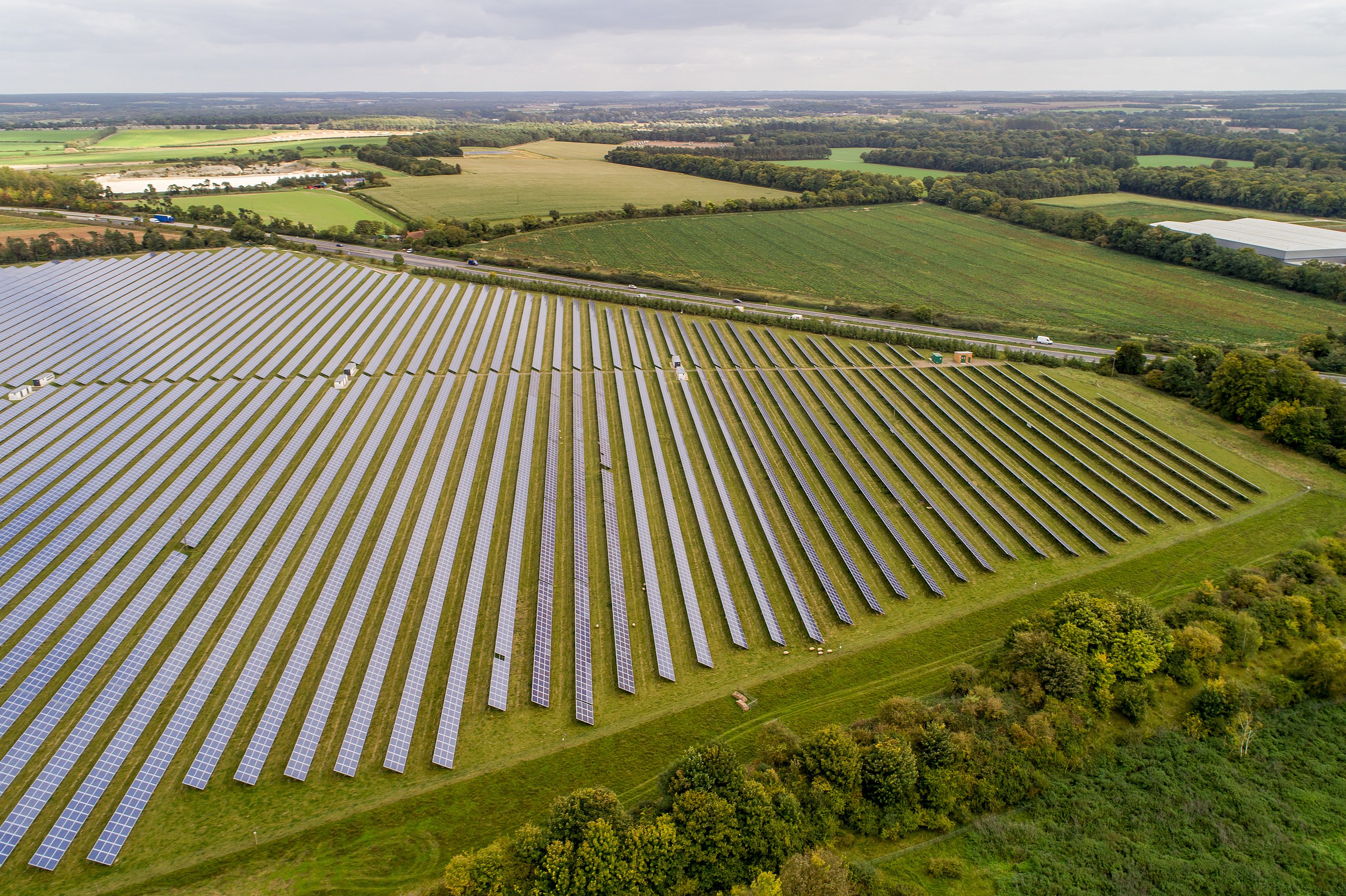
- Renewable Infrastructure: Building substantial infrastructure for solar farms, wind parks, and hydroelectric power stations is fundamental. These facilities harness natural processes and provide a sustainable alternative to carbon-intensive power plants.
- Policy Support: Governments play a critical role by establishing incentives, subsidies, and regulatory frameworks that support the renewable energy sector. These policies encourage private investment, spur technological innovation, and ultimately lead to economies of scale.
- Job Creation and Economic Diversification: Transitioning to renewable energy not only helps reduce emissions but also creates new employment opportunities in installation, maintenance, and technological refinement, thereby boosting local economies.
- Energy Security: Diversifying energy sources reduces dependence on volatile fossil fuel markets and increases energy security. In the long term, renewable energy resources offer stable prices and sustainable energy supply.
With ongoing technological advances and increased public awareness, renewable energy serves as the cornerstone in the fight against climate change. The development of microgrids and smart grids further supports resilience, enabling communities to better manage energy distribution, especially during emergencies.
2. Enhancing Energy Efficiency
Maximizing Output While Minimizing Waste
An equally critical strategy involves enhancing energy efficiency across residential, commercial, and industrial sectors. This approach emphasizes getting the maximum output with the minimum energy input. Energy efficiency means using improved technologies and innovative practices to reduce the overall energy demand, thereby lowering emissions with little to no compromise on performance.
Key Points
- Building Design and Retrofitting: Modern architectural designs incorporate energy-efficient systems such as superior insulation, passive solar heating, and advanced window technologies. Existing buildings can be retrofitted with updated HVAC systems, LED lighting, and energy management systems, reducing energy loss.
- Transportation Efficiency: The transport sector is a major consumer of energy and contributor to emissions. Transitioning to electric vehicles, promoting public transport, and encouraging non-motorized travel (e.g., walking and cycling) are vital. Enhancing fuel efficiency standards for conventional vehicles also plays an important role.
- Industrial Optimization: Industries can reduce energy consumption by upgrading equipment, implementing continuous process improvements, and adopting best practices in energy management. This encompasses a wide range of technologies from variable speed drives to heat recovery systems that capture waste heat and repurpose it efficiently.
- Technology Integration: Innovations like smart meters, IoT-based monitoring systems, and digital twins allow for real-time tracking and management of energy consumption. This data-driven approach fosters better decision-making and continuous improvement in energy usage.
Enhancing energy efficiency is not only about installing new technologies but optimizing existing operations and fostering a culture of conscious energy use. As a result, it leads to reduced utility costs, lower environmental footprints, and enhanced system reliability.
3. Sustainable Land Use and Forestry Practices
Leveraging Natural Systems for Carbon Sequestration
Natural ecosystems, particularly forests, wetlands, and mangroves, perform a critical function as carbon sinks. Sustainable land use and forestry practices are essential for sequestering atmospheric carbon dioxide. By protecting and restoring these ecosystems, countries can achieve a balance between economic activities and environmental conservation.
Key Points
- Afforestation and Reforestation: Planting trees in previously non-forested areas (afforestation) or restoring and replanting trees in deforested regions (reforestation) enhances the natural capacity for carbon absorption. These initiatives not only capture carbon but also restore biodiversity and support local communities.
- Conservation of Natural Ecosystems: Protecting existing forests, especially tropical rainforests, is paramount. Establishing conserved areas and sustainable management practices prevents deforestation and degradation, ensuring that these ecosystems continue sequestering carbon dioxide.
- Sustainable Agricultural Practices: Integrating agroforestry, permaculture, and crop rotation into farming practices can improve soil carbon storage. These methods contribute simultaneously to food production and environmental health.
- Regenerative Practices: In addition to basic conservation, regenerative agriculture works to restore soil health through minimal tillage, cover cropping, and organic amendments. Such practices improve the resilience of ecosystems, foster carbon sequestration, and reduce the need for synthetic inputs.
Sustainable land use and forestry are multi-layered strategies that involve community participation, policy measures, and innovative practices. They provide co-benefits including enhanced biodiversity, improved soil fertility, reduced erosion, and increased resilience against climate variability.
4. Climate-Smart Agriculture and Carbon Capture
Innovative Approaches in Agriculture and Industry
In addition to renewable energy and sustainable land management, climate change mitigation also includes advanced practices in agriculture and innovative technological interventions such as Carbon Capture and Storage (CCS). These strategies work together to minimize emissions from the agriculture sector and heavy industries while improving productivity.
Key Points
- Climate-Smart Agriculture: This approach incorporates agricultural practices that reduce greenhouse gas emissions while adapting to climate change. Techniques include using cover crops to manage soil organic matter, implementing crop rotation, and employing conservation tillage. Farmers also benefit from practices that enhance soil moisture retention and reduce dependency on chemical fertilizers.
- Regenerative Agriculture: Regenerative methods focus on restoring soil health and promoting biodiversity. The integration of livestock and crops, along with agroforestry practices, plays a significant role by improving soil structure and increasing carbon sequestration in the soil.
- Carbon Capture and Storage (CCS): CCS is a technological solution that captures carbon dioxide emissions from power plants and industrial processes. The captured CO₂ is either stored underground in geological formations or utilized in the production of building materials like concrete. CCS serves as an important transitional strategy while renewable energy infrastructure continues to be developed.
- Adoption of Sustainable Industrial Practices: In tandem with CCS, industries are encouraged to adopt energy-efficient processes and invest in cleaner technologies. Implementing strict emission regulations, upgrading old equipment, and integrating waste heat recovery systems are methods that have proven effective at the industrial level.
Climate-smart agriculture and carbon capture initiatives represent a unique blend of nature-based solutions and technological innovation. They provide not only pathways to reduce emissions but also to enhance food security, promote sustainable livelihoods, and ensure industrial competitiveness in a low-carbon economy.
Summary Table of Mitigation Strategies
| Strategy | Description | Key Benefits |
|---|---|---|
| Transition to Renewable Energy | Shifting power production from fossil fuels to renewable sources like solar, wind, geothermal, and hydroelectric energy. It includes infrastructure development, supportive policymaking, and promotion of energy security. | Lower emissions, economic growth via job creation, energy independence, and sustainable futures. |
| Enhancing Energy Efficiency | Optimizing energy use in buildings, transportation, and industries with better designs, modern technologies, and digital solutions for monitoring. | Reduced energy demand, cost savings, lower emissions, and improved reliability of energy systems. |
| Sustainable Land Use and Forestry Practices | Conserving natural ecosystems through afforestation, reforestation, and sustainable land management to ensure carbon sequestration and safeguard biodiversity. | Enhanced carbon sinks, biodiversity conservation, restored ecosystems, and improved soil health. |
| Climate-Smart Agriculture and Carbon Capture | Incorporating practices that blend regenerative agricultural methods with technological innovation such as CCS to reduce emissions and boost productivity. | Reduced greenhouse gases, improved food security, sustainable industrial practices, and enhanced resilience in agriculture. |
References
- Climate Change Mitigation - Wikipedia
- 5 Strategies to Achieve Climate Mitigation - World Resources Institute
-
Climate Adaptation and Mitigation - NASA
- Reducing Emissions - European Environment Agency
-
IMF - Climate Mitigation Strategies
Recommended Related Queries
Last updated March 16, 2025