
Decoding Climate Variability and Change: A Comprehensive Analysis
Exploring the Dynamics of Earth's Climate System in 2025
Key Highlights of Climate Variability and Change
- Global Temperature Records: January 2025 marked the warmest January on record, underscoring the continued trend of rising global temperatures and the urgency of climate mitigation efforts.
- Extreme Weather Events: Changes in climate variability are increasingly influencing the frequency and intensity of extreme precipitation events, with some regions experiencing significantly higher risks of extreme rainfall.
- Polar Ice Loss Impact: The melting of polar ice contributes significantly to sea-level rise and can even shift the Earth's poles, highlighting the far-reaching consequences of polar ice loss on the global climate system.
Understanding Climate Variability and Change
Climate variability and change are critical areas of study in the realm of environmental science, encompassing a wide range of temporal and spatial scales. These phenomena involve complex interactions between the ocean, atmosphere, land, and ice, influencing weather patterns, ecosystems, and human societies. Understanding these dynamics is essential for predicting future climate scenarios and developing effective adaptation and mitigation strategies.
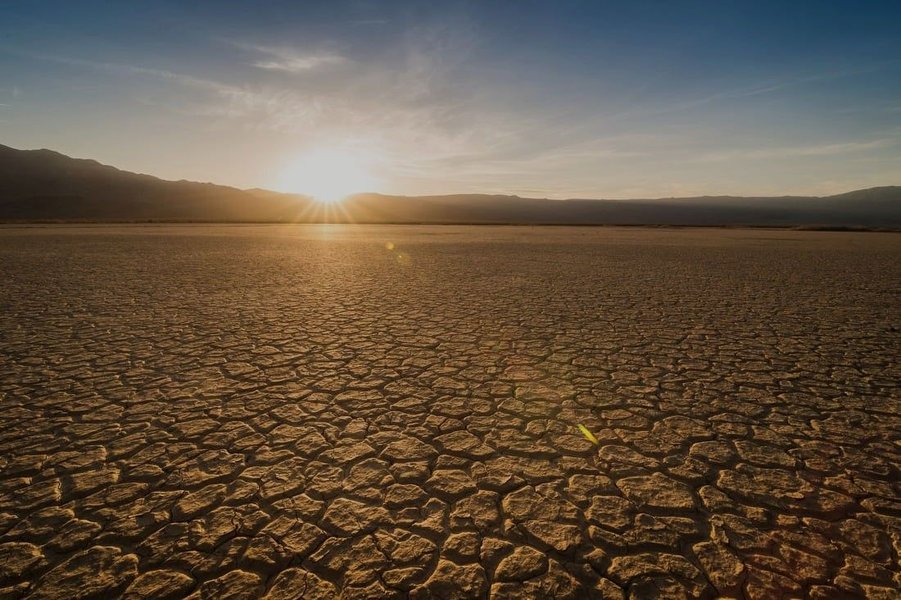
The effects of climate change are far-reaching, impacting various aspects of our planet.
The study of climate variability and change includes analyzing historical climate data, developing climate models, and assessing the impacts of climate change on various sectors. Various journals such as the International Journal of Climatology, Journal of Climate, and Nature Climate Change play a crucial role in publishing research that advances the understanding of the dynamics and physics of the climate system on large spatial scales.
The Role of Scientific Journals
Scientific journals are at the forefront of disseminating knowledge and fostering research in climatology. These journals cover a broad spectrum of topics, from atmospheric and biophysical sciences to engineering and social sciences, providing a platform for researchers to share their findings and insights. The International Journal of Climatology, for instance, stimulates and reports research in climatology, emphasizing its multidisciplinary implications. Similarly, the Journal of Climate advances the understanding of climate system dynamics. Nature Climate Change publishes high-impact research papers that describe significant and cutting-edge research on global climate change impacts and its implications for the economy, policy, and the world.
Key Factors Influencing Climate Change
Several factors contribute to climate change, including rising global temperatures, sea-level rise, and shrinking glaciers. Global temperatures have increased by approximately 2°F (1.1°C) from 1850 to 2023, primarily due to increased greenhouse gas emissions. This warming trend is causing glaciers to shrink and sea levels to rise at an accelerated rate.
Greenhouse Gas Emissions
Anthropogenic climate change is largely driven by society's dependence on fossil fuels, leading to increased greenhouse gas emissions. These emissions trap heat in the atmosphere, causing global warming and subsequent climate changes. Efforts to reduce greenhouse gas emissions are crucial for mitigating the impacts of climate change.
Changes in Precipitation Patterns
Climate variability can significantly influence precipitation patterns, leading to more frequent and intense extreme weather events. Changes in variability have a stronger influence on the number of extreme precipitation days than changes in the mean state. Understanding these changes is essential for developing strategies to manage water resources and mitigate flood and drought risks.
Observed Climate Trends in 2025
Recent reports indicate that 2024 saw unprecedented global temperatures, with January 2025 being the warmest January on record. The global surface temperature was 1.33°C (2.39°F) above the 20th-century average, highlighting the urgency of addressing climate change. These record temperatures occurred despite the development of La Niña, a climate pattern that typically has a cooling effect on global temperatures.
Impact on Extreme Weather Events
Climate change is exacerbating extreme weather events, including heatwaves, floods, and wildfires. These events have significant impacts on human health, infrastructure, and ecosystems. For example, rising temperatures can lead to heat stress and respiratory illnesses, while floods can contaminate water supplies and displace communities.
Observed Changes in Lake Chad Basin
Studies in the Lake Chad Basin reveal an extremely strong increasing trend in temperature, with an average rate of 0.022 °C per year, which is significantly higher than the global average. Understanding these regional climate trends is crucial for water resource management and planning in the face of climate change.
The Role of Climate Modeling
Climate modeling is a vital tool for understanding and predicting future climate scenarios. These models use complex algorithms and data inputs to simulate the interactions between various components of the Earth's climate system. NASA supports the development of climate data sets and computer models that leverage observations from satellites, aircraft, and ships.
Advancements in Climate Models
Advancements in climate modeling are enhancing the ability to predict changes in the Earth’s climate from sub-seasonal to multi-decadal time scales. These models incorporate observations of sea surface height, temperature, and salinity; ocean currents and vector winds; sea ice extent and thickness; glacial topography, motion, and mass change; aerosol and cloud processes; and more.
Impacts on Human and Natural Systems
Climate change poses significant risks to both human and natural systems. Rising temperatures, extreme weather events, and sea-level rise can disrupt ecosystems, threaten food security, and displace communities. Addressing these impacts requires a combination of mitigation and adaptation strategies.
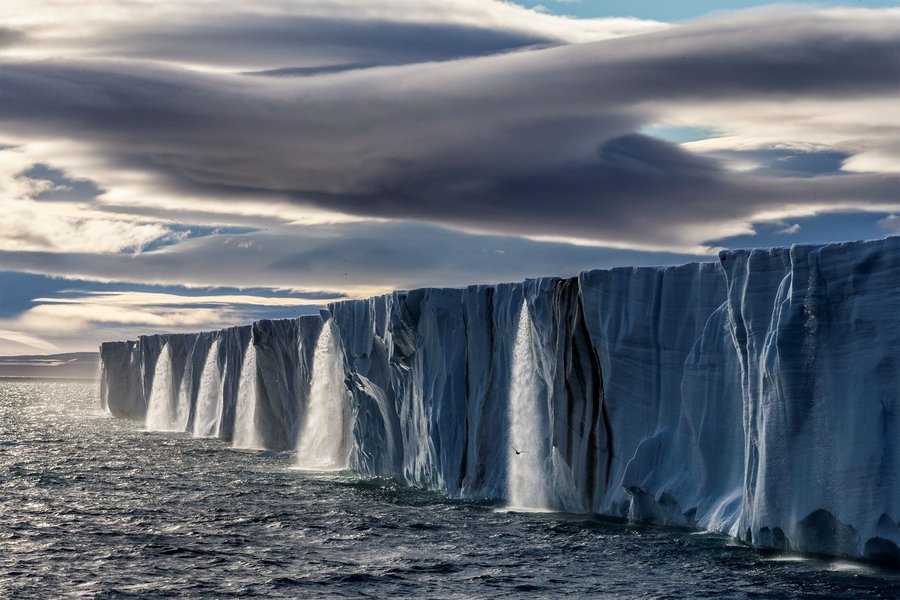
Melting glaciers contribute to rising sea levels, impacting coastal communities and ecosystems.
Health Impacts
Climate change has numerous direct and indirect effects on human health. Increased temperatures can lead to heatstroke and dehydration, while changes in air quality can exacerbate respiratory illnesses. Extreme weather events can also cause injuries, displacement, and mental health issues.
Economic Impacts
The economic impacts of climate change are far-reaching, affecting sectors such as agriculture, tourism, and infrastructure. Extreme weather events can disrupt supply chains, damage property, and decrease productivity. Investing in climate resilience and adaptation measures can help reduce these economic risks.
Mitigation and Adaptation Strategies
Addressing climate change requires a two-pronged approach: mitigation and adaptation. Mitigation involves reducing greenhouse gas emissions to slow down the rate of climate change, while adaptation involves adjusting to the current and future impacts of climate change.
Mitigation Measures
Mitigation measures include transitioning to renewable energy sources, improving energy efficiency, and implementing sustainable land management practices. Reducing deforestation and promoting reforestation can also help sequester carbon dioxide from the atmosphere.
Adaptation Strategies
Adaptation strategies include building climate-resilient infrastructure, developing drought-resistant crops, and implementing early warning systems for extreme weather events. These measures can help communities and ecosystems better cope with the impacts of climate change.
Climate Change and Policy
Effective climate policy is essential for driving mitigation and adaptation efforts. International agreements, such as the Paris Agreement, set goals for reducing greenhouse gas emissions and provide a framework for international cooperation. Governments, businesses, and individuals all have a role to play in implementing climate policies.
The Paris Agreement
The Paris Agreement aims to limit global warming to well below 2°C above pre-industrial levels and pursue efforts to limit the temperature increase to 1.5°C. Achieving this goal requires significant reductions in greenhouse gas emissions and a global transition to a low-carbon economy.
Role of Climate Services
As climate change intensifies, the need for climate services that help communities and decision-makers understand, anticipate, and respond to climatic variations is also growing. These services provide information and tools for managing climate risks and adapting to changing conditions.
Climate Change Impacts: A Summary Table
To consolidate the key impacts of climate change across different sectors, the following table summarizes the major effects and potential mitigation and adaptation strategies. Understanding these impacts and strategies is crucial for informed decision-making and effective climate action.
| Sector | Impact | Mitigation Strategy | Adaptation Strategy |
|---|---|---|---|
| Human Health | Increased heat-related illnesses, respiratory issues, and vector-borne diseases | Reduce greenhouse gas emissions, improve air quality | Develop heat action plans, enhance healthcare infrastructure, control disease vectors |
| Agriculture | Crop failures, reduced yields, increased water stress | Promote sustainable land management, reduce emissions from agricultural practices | Develop drought-resistant crops, improve irrigation efficiency, diversify farming systems |
| Water Resources | Water scarcity, increased flooding, altered precipitation patterns | Conserve water, reduce water pollution | Build water storage infrastructure, implement flood management strategies, improve water use efficiency |
| Coastal Areas | Sea-level rise, coastal erosion, increased storm surges | Reduce greenhouse gas emissions | Construct coastal defenses, relocate vulnerable communities, implement land-use planning |
| Ecosystems | Habitat loss, species extinction, altered ecosystem functions | Reduce deforestation, promote reforestation | Restore degraded habitats, protect biodiversity hotspots, establish wildlife corridors |
Responsible Use of AI in Climate Modeling
The integration of Artificial Intelligence (AI) is being explored to enhance climate modeling, projections, and services. This technology supports the processing and analysis of vast datasets, offering new insights into climate patterns and predictions. However, responsible integration is paramount to ensure ethical and accurate applications in climate science.
Considerations for AI in Climate Governance
The use of AI in climate governance needs to adhere to principles that ensure transparency, accountability, and fairness. These principles are essential for fostering trust and ensuring that AI applications support equitable and effective climate action.
Frequently Asked Questions (FAQ)
What are the main drivers of climate change?
The primary driver of climate change is the increase in greenhouse gas emissions from human activities, such as burning fossil fuels, deforestation, and industrial processes. These emissions trap heat in the atmosphere, leading to global warming and subsequent climate changes.
How does climate variability affect extreme weather events?
Climate variability can significantly influence the frequency and intensity of extreme weather events, such as heatwaves, floods, and droughts. Changes in climate variability can lead to more frequent and severe extreme weather events, impacting human and natural systems.
What are the key mitigation strategies for climate change?
Key mitigation strategies for climate change include transitioning to renewable energy sources, improving energy efficiency, reducing deforestation, and implementing sustainable land management practices. These measures aim to reduce greenhouse gas emissions and slow down the rate of climate change.
What are the main adaptation strategies for climate change?
Main adaptation strategies for climate change include building climate-resilient infrastructure, developing drought-resistant crops, implementing early warning systems for extreme weather events, and restoring degraded habitats. These measures help communities and ecosystems better cope with the impacts of climate change.
What is the role of international agreements in addressing climate change?
International agreements, such as the Paris Agreement, set goals for reducing greenhouse gas emissions and provide a framework for international cooperation on climate change. These agreements play a crucial role in coordinating global efforts to mitigate and adapt to climate change.
References
Last updated April 15, 2025