
Exploring Comprehensive Clinical Assessment Strategies
A deep dive into methods for evaluating Mara’s psychological state
Key Highlights
- Multi-Modal Evaluation: Integrating interviews, tests, and observations.
- Context-Specific Insights: Differentiated evaluations for home, school, and leisure.
- Holistic Approach: Combining cognitive, emotional, behavioral, and neurological assessments.
Introduction to Clinical Assessment in Mara’s Case
Clinical assessment is a fundamental process for collecting information on an individual’s mental health, drawing on methods that combine observation, standardized psychological testing, neurological evaluations, and clinical interviews. For the hypothetical 16-year-old Mara, who exhibits contrasting behavior patterns—anger and anxiety at home and school against a relatively happy demeanor in social leisure settings—this multifaceted approach helps clinicians pinpoint the dynamics underlying her emotional fluctuations, cognitive distractions, and obsessive interests. Unlike a one-dimensional evaluation, a comprehensive assessment using these four methods allows clinicians to gain an in-depth understanding of her psychosocial context, strengths, and areas of challenge.
Detailed Analysis and Application of Assessment Methods
1. Clinical Interviews
Purpose and Implementation
Clinical interviews are integral to gathering qualitative, narrative data directly from Mara. Through both structured and open-ended questions, the clinician explores her attitudes, perceptions, and inner experiences, thereby capturing the nuances of her behavior and emotional state in different environments. In Mara’s scenario, interviews would focus on:
- Gathering background details such as family dynamics, school experiences, and social contexts.
- Discussing her emotional experiences at home versus the relaxation observed in leisure activities.
- Exploring her academic challenges despite her cognitive abilities and intelligence, assessing feelings of distractibility and memory issues.
- Investigating her obsessive interest in boys and fantasies of escape, which could reflect deeper emotional conflicts or unmet needs for support.
The clinical interview thus provides a platform for Mara to articulate her lived experiences and for the clinician to observe nonverbal cues like tone, hesitations, and body language—all of which are essential in understanding the overall clinical picture.
2. Psychological Testing
Standardized Measures and Their Role
Psychological tests offer a rigorous, standardized way of quantifying Mara’s emotional, cognitive, and behavioral functioning. These evaluations help to objectively measure aspects such as anxiety, depression, personality traits, and cognitive performance. In Mara’s case, several testing instruments can be employed:
- Cognitive Assessments: Tests like intelligence scales and working memory evaluations help explain the discrepancy between her evident brightness and poor academic performance. They measure cognitive processing speed, attention, and memory functions.
- Emotional and Psychiatric Inventories: Instruments such as the Beck Anxiety Inventory (BAI) and Beck Depression Inventory (BDI) provide insights into the intensity of her anxiety and potential depressive symptoms, quantifying mood disturbances that may vary between her environments.
- Personality Assessments: Tools such as the MMPI or other personality inventories determine underlying personality traits that might contribute to her anger or obsessive behaviors. They can help identify maladaptive patterns or specific areas where her emotional processing may be challenged.
Together, these tests help in developing a profile that is both statistically reliable and contextually meaningful, guiding targeted treatment approaches for her attention deficits and emotional regulation difficulties.
3. Neurological Testing and Biological Assessments
Investigating Cognitive and Biological Underpinnings
Neurological testing plays a crucial role when symptoms suggest that cognitive distractions and memory problems could be influenced by an underlying neurobiological issue. In Mara’s context, the following procedures may be relevant:
- Neuropsychological Testing: Furnishes detailed insights into areas such as processing speed, executive functioning, attention span, and memory. These tests are particularly important due to her perceived cognitive brilliance that is not reflected in academic outcomes.
- Medical Imaging and Neurological Evaluations: Tests like an EEG or an MRI might be recommended to rule out neurological disorders or conditions that could affect her concentration and memory retention. This can uncover physiological issues such as subtle brain dysfunctions or neurological developmental differences.
- Biological Markers: In certain cases, assessments for hormonal imbalances or endocrine disruptions could also be considered if there is evidence suggesting a link between her mood dysregulation and biological factors.
These procedures ensure that the treatment plan not only addresses psychological and behavioral symptoms but is also sensitive to any underlying physiological factors that might be impacting her cognitive performance and emotional well-being.
4. Observational Methods
Gathering Real-Time Behavioral Data
Observation is a direct method of assessment that focuses on the naturalistic evaluation of Mara’s behavior across different settings. Clinicians can identify patterns, triggers, and variations in her behavior by observing:
- Contextual Behavior: How Mara behaves at home versus school, compared to her relaxed demeanor when engaged in leisure activities like shopping. This contrast can indicate environmental triggers for her anxiety and anger.
- Interpersonal Interactions: Observations from teachers, parents, or peers can provide multiple perspectives on her social interactions and cognitive engagement. Teachers might note her concentration issues in the classroom while parents may observe heightened irritability at home.
- Task-Oriented Behavior: Monitoring her performance during schoolwork or structured tasks can help discern the moments when distraction or forgetfulness most acutely impacts her performance.
This method not only validates findings from interviews and test results but also highlights disparities between structured settings and her natural social environment, reinforcing the dynamic nature of her clinical presentation.
Integrative Comparison Table of Assessment Methods
The table below summarizes the key aspects of each assessment method in the context of Mara’s symptoms, providing a side-by-side comparison for clarity and ease of reference.
| Assessment Method | Key Focus Areas | Application in Mara’s Case |
|---|---|---|
| Clinical Interviews | Background, emotional insights, narrative data | Exploring her family dynamics, academic challenges, and obsessive fantasies |
| Psychological Testing | Cognitive abilities, emotional state, personality traits | Administering tests such as the BAI, BDI, and intelligence assessments to objectify symptoms |
| Neurological Testing | Cognitive processing, neurological integrity, biological factors | Using EEG/MRI and neuropsychological tests to examine attention deficits and memory issues |
| Observations | Behavior in diverse settings, social interactions, nonverbal cues | Assessing discrepancies in behavior at home, school, and during leisure activities |
Visualizing the Assessment Approach with a Radar Chart
The radar chart below represents an opinionated analysis of the key strengths of each assessment method as applied to Mara's case. It visually delineates the relative emphasis placed on various aspects such as emotional insight, cognitive evaluation, biological assessment, and observational accuracy. This chart serves as a visual aide to understand the diverse domains that contribute to a holistic clinical assessment.
Enhancing Comprehension with Visual Media
Embedded Images for Contextual Understanding
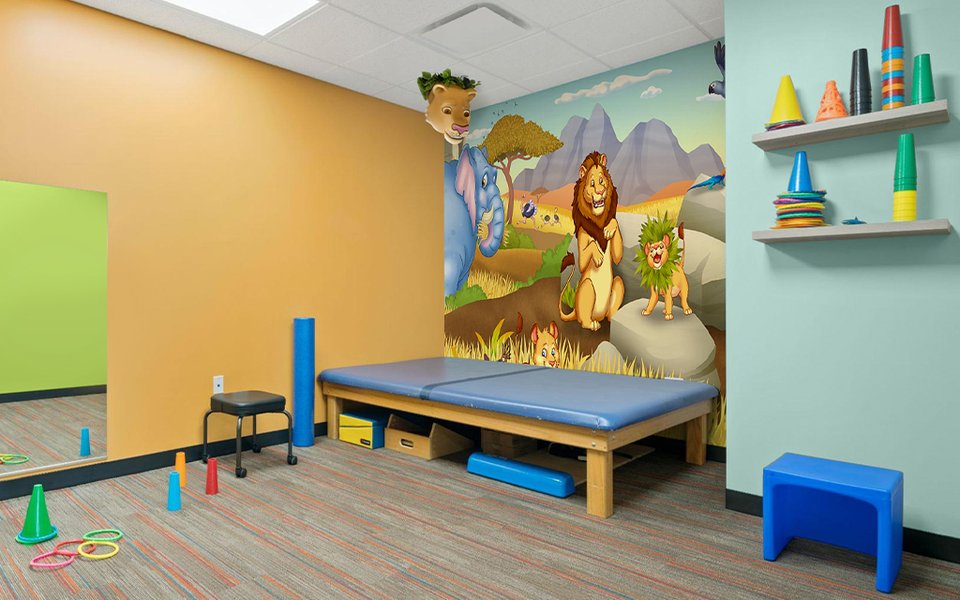
The following images provide a visual representation of critical environments in which clinical assessments often take place. The first image illustrates a clinical setting, where a therapist conducts interviews and administers tests, symbolizing the structured environment necessary for standardized assessments. The second image captures a candid moment in a school or leisure environment, representing the diverse contexts that clinicians must consider when evaluating behavior.


Educational Insights Through a Relevant Video
Below is an embedded video that offers a detailed overview of clinical assessment processes used by experienced practitioners. This video is particularly relevant as it explains how structured interviews, psychological tests, behavioral observations, and neurological examinations are combined to create an integrative assessment, much like the approach used for Mara.
Interactive FAQ Section
References
- Module 3: Clinical Assessment, Diagnosis and Treatment - WSU OpenText
-
Clinical Assessment - ScienceDirect
- Psychological Assessment - Lumen Learning
- Clinical Assessment - OpenPress USask
- Psychological Assessment Overview - All Psychology Careers
Recommended Related Queries
Last updated April 3, 2025