
A Comprehensive Guide to Clothing
Exploring the history, types, materials, and cultural impact of clothes
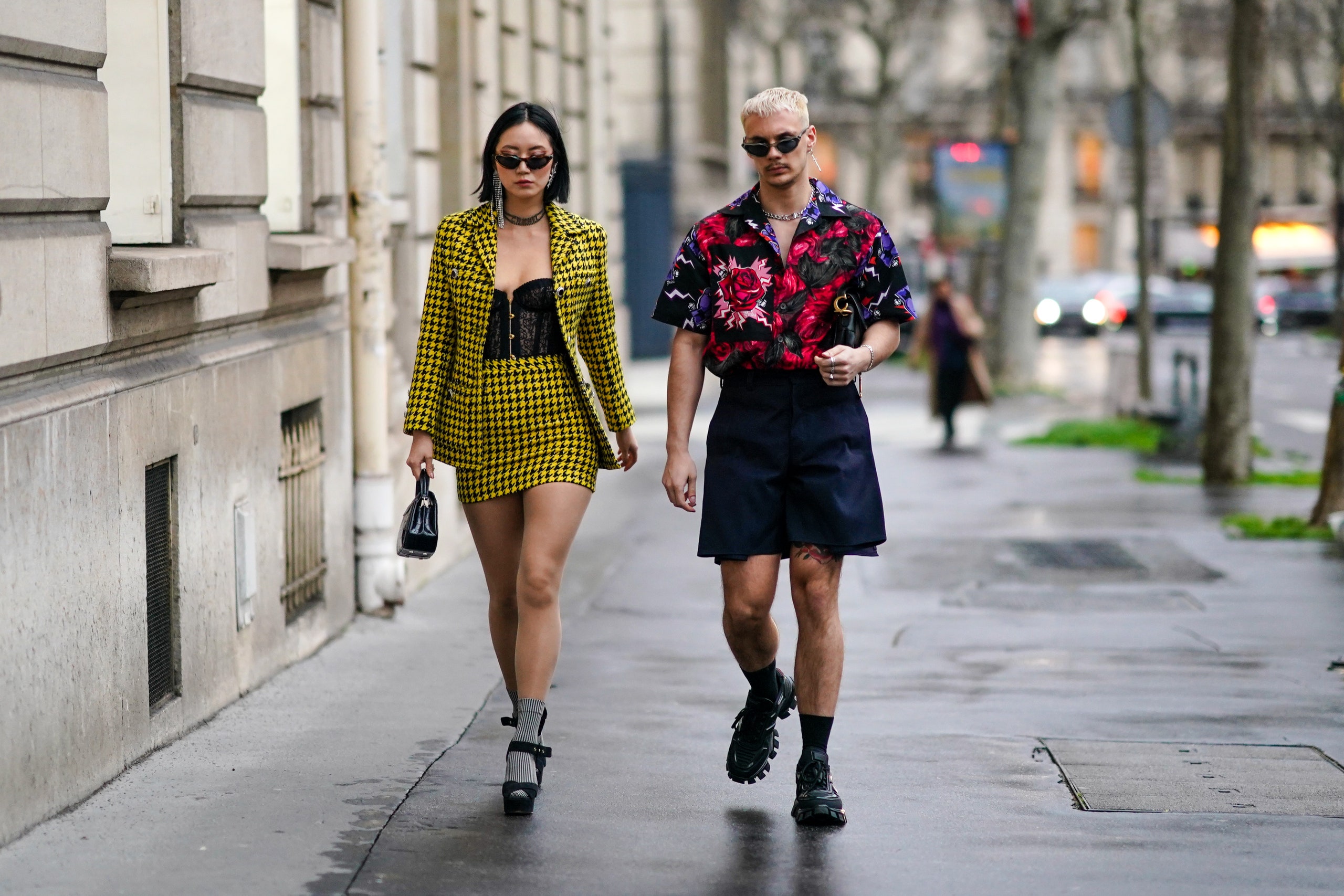
Key Takeaways
- Historical Evolution: Clothing evolved from basic protection to an art form that reflects culture, status, and technology.
- Variety & Functionality: The spectrum of clothing includes everyday wear, formal attire, athletic apparel, and specialized garments designed for purpose and style.
- Cultural and Social Impact: What we wear plays a vital role in self-expression, interpersonal communication, and adherence to social and professional norms.
Introduction
Clothing is a fundamental aspect of human civilization, serving multiple roles in daily life such as protection, self-expression, and cultural representation. Over thousands of years, clothing has evolved from simple animal skins and woven fibers to sophisticated ensembles that incorporate modern technology and sustainable practices. This guide provides an in-depth look into the fascinating world of clothing: its history, types, materials, design, and cultural significance.
Historical Evolution of Clothing
Early Origins and Functional Beginnings
The history of clothing dates back to when early humans began utilizing natural resources to shield themselves from environmental hazards. Early garments likely consisted of leaves, animal hides, and woven fibers that provided basic protection against the elements. These rudimentary outfits gradually transformed into more elaborately designed garments as humans developed new textile techniques and recognized the importance of self-presentation.
Cultural and Social Developments
As human societies evolved, clothing transitioned from purely functional wear to markers of social status, profession, and cultural identity. In ancient civilizations such as Egypt, Greece, and Rome, clothing was not only practical but also a means to distinguish societal hierarchies. Over time, regional styles emerged, reflecting unique cultural values, religious beliefs, and local materials. The symbolism of clothing became an intrinsic part of cultural rituals and traditions, a trend that continues today.
Modern Fashion and Technological Advancements
In contemporary society, clothing encapsulates a wide spectrum of styles and functions. The modern fashion industry is a multi-billion dollar enterprise with global reach, blending age-old traditions with cutting-edge technology. Today’s designers innovate using sustainable materials, digital fashion design, and ethical manufacturing practices, ensuring that clothing remains relevant while addressing modern concerns such as sustainability and social responsibility.
Types of Clothing
Clothing can be categorized in many ways based on its purpose, style, and social context. Whether you are selecting a wardrobe for everyday use or looking to invest in specialized attire for certain events or activities, understanding these categories can help enhance personal style and functionality.
Everyday and Casual Wear
Casual Clothing
Casual wear consists of comfortable and versatile garments meant for daily activities. Typical items include jeans, t-shirts, hoodies, and sneakers. Designed for both convenience and style, casual wear is a cornerstone of modern fashion. It is adaptable to various settings, ranging from informal gatherings to relaxed work environments.
Business Attire
Business wear is designed to convey professionalism in workplace settings. Suits, blouses, trousers, and professional dresses fall under this category. The objective is to exude a polished and competent image that aligns with professional standards and corporate cultures.
Specialized and Functional Clothing
Athletic and Sportswear
Sportswear is tailored for physical activity, emphasizing functionality, breathability, and flexibility. These garments often incorporate sweat-wicking fabrics and designs that support movement. Athletic wear ranges from running shoes and gym shorts to specialized gear used in sports and outdoor activities.
Protective Clothing
Protective garments include items like work uniforms, space suits, diving suits, and specialized battle wear. They are engineered to provide safety and durability in extreme conditions. These garments often feature reinforced materials and designs tailored to specific hazards, such as heat, chemicals, or physical impact.
Formal and Special Occasion Wear
Formal Attire
Formal wear is reserved for special events such as weddings, galas, and high-stakes business meetings. Formal clothing includes tuxedos, cocktail dresses, evening gowns, and suits. These outfits are often characterized by elegant cuts, premium fabrics, and ornate details, all meant to convey refinement and sophistication.
Traditional and Cultural Garments
Every culture has its own distinctive set of garments which convey heritage and local tradition. These include items like saris, kilts, and abayas, which are made using traditional methods and materials. They often carry rich symbolic meanings and are worn during ceremonies and festivals.
Undergarments and Intimate Apparel
Lingerie and Innerwear
Lingerie and innerwear are essential components of a wardrobe intended to provide support, comfort, and a touch of style. For women, this includes bras, panties, camisoles, and slips, while men's innerwear ranges from briefs to boxers. The choice of fabric—often cotton for its softness or silk for its luxury—plays a crucial role in the comfort and functionality of these items.
Outerwear and Accessories
Coats, Jackets, and Shawls
Outerwear items such as coats, jackets, capes, and shawls serve both practical and aesthetic purposes. They are designed to provide additional warmth and style during cooler weather. Materials vary from heavyweight wool and leather to lightweight synthetics, ensuring versatility across different climates and fashion trends.
Headgear and Accessories
Accessories like hats, scarves, ties, and gloves complement an outfit and help create a personal statement. Headgear, in particular, ranges from everyday baseball caps to unique statement pieces like berets and fedoras, each contributing to the overall visual appeal of the attire.
A Detailed Comparison of Clothing Categories
| Category | Examples | Primary Functions |
|---|---|---|
| Casual Wear | Jeans, T-shirts, Hoodies | Comfort, everyday use, informal gatherings |
| Business Attire | Suits, Blouses, Trousers | Professional appearance, formal work environment |
| Formal Wear | Tuxedos, Evening Gowns, Cocktail Dresses | Elegance, ceremonial and special occasions |
| Sportswear | Tracksuits, Running Shoes, Gym Shorts | Performance, mobility, athletic activities |
| Protective Clothing | Work Uniforms, Space Suits, Diving Suits | Safety, specialized functions, hazard protection |
| Traditional Garments | Saris, Kilts, Abayas | Cultural identity, tradition, ceremonial uses |
Fabric, Materials, and Sustainability
Common Fabrics and Their Properties
The choice of fabric is one of the most fundamental aspects in the design and manufacture of clothing. Common fabrics include cotton, denim, linen, polyester, silk, and wool. Cotton is prized for its breathability and hypoallergenic nature, making it popular for casual and everyday wear. Wool, with its excellent insulation properties, is favored for winter garments and outerwear.
Synthetic fibers like polyester and spandex offer durability and elasticity, making them ideal for sportswear and activewear. Designers now frequently integrate eco-friendly materials such as bamboo, hemp, and recycled fabrics into collections in response to growing environmental awareness. Sustainable practices in the apparel industry not only aim to reduce waste but also emphasize ethical labor practices, ensuring that clothing production benefits both society and the planet.
Advancements in Textile Technology
Modern innovations have dramatically influenced the design and functionality of clothing. Technological progress has led to the development of smart textiles—fabrics that can monitor body temperature, incorporate LED displays, or adjust to changing conditions. Breathable, moisture-wicking, and quick-drying materials have revolutionized the world of sportswear, while chemical-free dyeing and recycling techniques are reshaping sustainable fashion.
Design, Manufacturing, and Style Evolution
From Concept to Creation
The journey of a piece of clothing begins with inspiration and research. Designers draw from historical trends, modern art, and technological advancements to create clothing that resonates with current consumer needs. The process involves sketching designs, selecting fabrics, creating patterns, and prototyping before mass production. Advances in digital design tools and 3D modeling have allowed for more precise tailoring and customization.
The Role of Fashion in Self-Expression
Clothing is far more than a utilitarian means of covering the body—it is an extension of individual identity. The way one dresses can reflect personal values, cultural heritage, and even political opinions. From casual streetwear that communicates rebellion and nonconformity, to meticulously curated business attire that exudes confidence and professionalism, every outfit narrates its own story. For many, developing a personal style is a lifelong journey of experimentation and self-discovery.
Fashion experts emphasize that one’s wardrobe should be a balancing act between comfort and aesthetic appeal. The synergy between the designed garment and the personality of its wearer often leaves lasting first impressions, a phenomenon well-documented in social settings. The rise of social media and global connectivity has only increased the significance of image and presentation, with clothing becoming a powerful medium for personal and professional branding.
Building a Wardrobe that Works
Whether you are starting from scratch or looking to reinvent your style, building an effective wardrobe requires both planning and experimentation. Start by establishing a foundation with essential, versatile items: a well-tailored blazer, a quality pair of jeans, a few timeless dresses or shirts, and durable outerwear. From there, you can gradually introduce trendy pieces and statement accessories that resonate with your personality. It is also wise to consider the care instructions and longevity of fabrics, as well as how seasonal trends might influence your choices.
Cultural Impact and Societal Significance of Clothing
Clothing as Cultural Identity
Throughout history, clothing has been a window into the cultural and social practices of communities across the globe. Traditional garments often embody centuries of heritage, with designs, colors, and fabrics carrying symbolic meanings. For instance, particular patterns or color combinations may denote regional identity or social status. In modern times, traditional wear remains a point of pride, frequently showcased during cultural festivals, national celebrations, and fashion runways.
Fashion and Social Communication
The appeal of clothing goes beyond the aesthetics—it is a tool for nonverbal communication. Studies have shown that individuals form lasting impressions within seconds of meeting someone primarily based on their attire. In professional environments, adhering to a dress code can signal competence and respectability. In more casual or creative contexts, fashion allows individuals to communicate their moods, affiliations, or personal revolutions. Clothing, therefore, is a complex symbol used to navigate and negotiate social spaces.
Trends, Ethics, and The Future of Fashion
Ethical considerations have become central to contemporary fashion debates. The global fashion industry now grapples with challenges related to environmental sustainability, labor rights, and resource management. Consumers are increasingly aware of the impact of their purchases and are gravitating toward brands that prioritize cruelty-free, ethical manufacturing practices. Upscaling the recycling of textiles, investing in biodegradable fabrics, and supporting fair labor practices are some of the strategies employed by eco-conscious brands.
Furthermore, the integration of technology such as augmented reality (AR) for virtual try-ons or blockchain for supply chain transparency signifies an exciting future for fashion. These advancements are poised to redefine how we conceptualize clothing and its journey from design to consumer.
Practical Tips for Enhancing Your Wardrobe
Identifying Your Personal Style
Finding and honing your personal style is a dynamic process. Begin by identifying pieces that resonate with your daily activities, personal values, and the image you want to project. Experiment with different combinations, and do not be afraid to break traditional rules when appropriate. Whether you lean toward a minimalistic, edgy, or classic aesthetic, understanding your body shape and color preferences can significantly impact your wardrobe decisions.
Tips on Shopping and Maintenance
Smart shopping is key to building a wardrobe that lasts. Check the fit, fabric care instructions, and quality of construction before making purchases. Consider building a capsule wardrobe—one that prioritizes versatile, classic pieces that can be mixed and matched. Always seek feedback from trusted sources or read reviews online to ensure that garments meet your expectations in terms of durability and comfort. Regular maintenance and proper storage of your clothes also help extend their lifespan.
Fashion as a Lifelong Journey
Your approach to fashion might evolve over time, influenced by changing personal tastes, life experiences, and broader societal transformations. Engaging with fashion as a continuous learning process can be both enjoyable and enriching. As trends ebb and flow, remember that authenticity in style and confidence are often the best accessories anyone can wear. Making thoughtful choices and investing in quality pieces are long-term strategies that pay dividends not only in your appearance but in personal well-being.
Conclusion and Final Thoughts
Clothing is an intricate tapestry woven from our shared human history, technological advances, and cultural narratives. From its humble beginnings as a shield against nature’s extremes to its modern incarnation as a canvas for self-expression, each piece of clothing carries with it a story. Whether you are drawn to the comforting familiarity of everyday wear or the dramatic flair of high fashion, the ways in which you dress speak volumes about who you are.
By understanding the evolution, functionality, and cultural significance of clothing, you can make more informed choices in your wardrobe. Embrace the endless possibilities that fashion offers, and allow your clothing to be a reflection of your unique journey. Remember that in the dynamic world of fashion, the right balance between comfort, style, and authenticity is the secret to making every outfit a statement.
References
https://www.thecreativecurator.com/types-of-clothes/
https://styleupladies.com/types-of-clothing/
https://threadcurve.com/types-of-clothing/
https://www.minimizemymess.com/blog/fashion-styles
https://www.textileindustry.net/different-types-of-clothing/
https://fashionhistory.fitnyc.edu/
https://en.wikipedia.org/wiki/History_of_fashion_design
https://study.com/academy/lesson/the-history-of-fashion-trends-design.html
https://glamobserver.com/the-history-of-fashion-through-the-decades/
https://www.vogue.com/tag/misc/fashion-through-the-decades
https://guides.library.ucla.edu/costume/fashionhistory
https://fashinnovation.nyc/the-history-of-fashion-from-the-1900s-to-today/
https://fashionology.in/history-of-world-fashion/
https://www.dailyfashionstudy.com/the-history-of-fashion-a-journey-through-time/
Last updated February 17, 2025