
Exploring the Dynamic Commercial Landscape of Cartoon Network on June 28, 2004
Unveiling the transformative era and strategic branding through on-air commercials
Key Highlights
- Brand Transition and CN City Era - The shift from a classic checkerboard to the new CN logo symbolized a radical change in branding.
- Diverse Commercial Content - Commercials ranged from toy promotions and fast food ads to channel-specific promos, encapsulating the vibrant culture of the channel.
- Program and Audience Engagement - The commercials played a pivotal role in launching new shows and bolstering audience engagement during this transitional period.
In-depth Analysis
Overview of the Transition
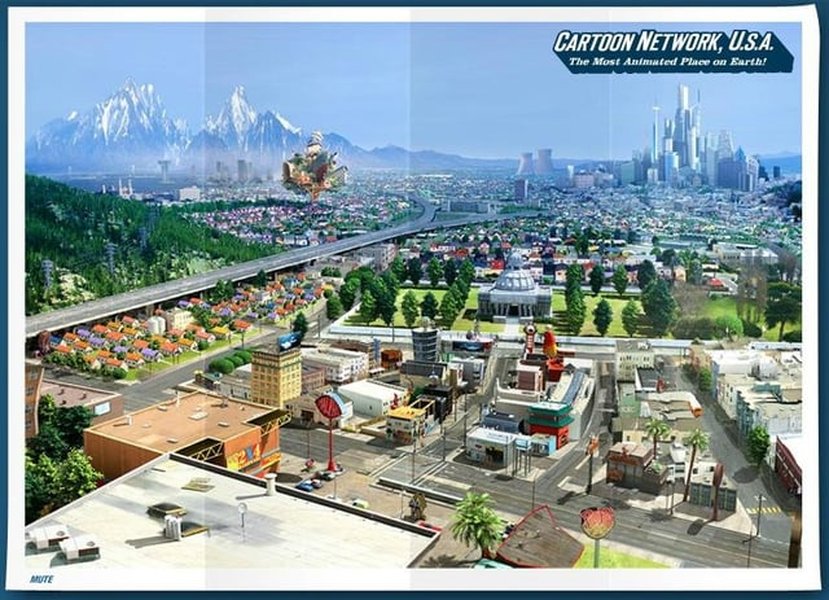
On June 28, 2004, Cartoon Network was in the midst of its dynamic transformation often referred to as the "CN City" era. This transition, initiated a couple of weeks earlier on June 14, 2004, marked a significant departure from the iconic checkerboard logo toward a more urban aesthetic characterized by the CN City theme. Not only was this period crucial from a branding perspective, but it also coincided with a renewal of programming that introduced new and innovative animated series while phasing out some legacy shows.
The rebranding was not merely cosmetic; it set the stage for intensified marketing strategies. The commercials airing on this day were a reflection of the evolving artistic and promotional direction of the network. They featured a range of content from teasers for new shows, such as "Foster's Home for Imaginary Friends" and "Hi Hi Puffy AmiYumi," to nostalgic nods towards long-time favorites like "Johnny Bravo" and "Samurai Jack." This period was characterized by creativity and a fresh urban style explicitly aimed at engaging both children and adolescents.
Evolution of Commercial Content
The commercial segments of June 28, 2004, encapsulated a variety of themes and promotions. The dynamic lineup included:
- Brand and Identity Promos: The network’s promotional spots showcased the new CN City branding, emphasizing a modern, urban alternative to the earlier, more classical visual identity.
- Program Introductions and Teasers: Commercial segments were designed to create buzz for upcoming shows, ensuring viewers were primed for new narratives while being comforted by familiar characters.
- Merchandising and Licensing: Alongside program teasers, there were commercials for related merchandise including toys, collectible action figures, clothing, and accessories featuring beloved characters.
- General Consumer Products: Typical advertisements included promotions for fast food, breakfast cereals, and snacks, capitalizing on the diverse interests of the channel’s young audience.
Impact on Programming and Viewer Engagement
The strategic timing of these commercials was crucial. By intertwining branding innovations with upcoming series launches, Cartoon Network harnessed the power of cross-promotion. The commercials not only provided awareness for new programs but also reinforced a consistent thematic direction that resonated with audiences. This era leveraged the nostalgic feelings of long-time viewers while attracting a new generation through captivating visuals, urban aesthetics, and catchy slogans.
The network’s commitment towards a cohesive narrative and a vibrant on-air personality ensured that every advertisement contributed to a larger story—one where branding and content merged to create a unique identity. This integration amplified audience engagement across various demographics, particularly in an era when digital platforms were beginning to influence viewing habits.
Visual Representations
Mindmap of the CN City Era and Commercial Elements
The following diagram provides a simplified mindmap capturing the key elements of the evolution in Cartoon Network commercials during this period:
This simplified mindmap highlights the transition from early branding to the refined CN City era and showcases how the commercials evolved in parallel with the network’s programming and identity.
Radar Chart: Evaluating the Commercial Elements
Below is a radar chart that conceptually evaluates various elements that contributed to the success of the commercials during this period. The chart assesses components such as Branding Impact, Visual Creativity, Audience Engagement, Program Promotion, and Market Diversification. Each element has been analyzed based on how strongly it influenced the overall effectiveness of the commercial strategy.
Commercial Categories and Their Characteristics
Detailed Table of Commercial Types
Below is a table summarizing the various commercial categories that were typically featured during the mid-2000s and specifically around June 28, 2004.
| Category | Description | Examples |
|---|---|---|
| Toys and Action Figures | Commercials promoting play items related to popular animated characters and shows. | Cartoon Network merchandise, character-based toy lines. |
| Fast Food & Snacks | Ads for food chains and snack brands, targeting young audiences. | McDonald's, Burger King, kids' snack foods. |
| Cereals and Breakfast Foods | Commercials for kid-friendly cereals and breakfast items. | Kellogg's, General Mills, Post Cereals. |
| Cartoon Network Promotions | In-house ads for upcoming shows, special events, and themed programming. | Teasers for new series, branded bumpers. |
| Educational Toys & Games | Ads focusing on educational and interactive products. | LeapFrog, VTech gadgets. |
| Clothing & Accessories | Ads featuring apparel and accessories inspired by animated series. | Character-themed clothing lines, backpacks, hats. |
Supplementary Multimedia
Representative YouTube Commercial Compilation
For a more interactive exploration, consider watching a video compilation that captures the essence of the CN City era commercials. This video provides visual context and showcases the creativity and promotional style emerging during that time.
Frequently Asked Questions
What is the significance of the CN City era for Cartoon Network?
What types of commercials were featured on June 28, 2004?
How did these commercials influence program launches?
Where can I find archived commercials from this era?
References
- Cartoon Network Commercial Archive - Archive.org
- CN Logo Transition Discussion - Reddit
- Broadcast Archives Wiki - DCBA
- Cartoon Network Wiki 2004 - Fandom
- CN Commercials June 2004 Compilation - YouTube
Recommended Topics for Further Exploration
Last updated March 29, 2025