
College Dean for Natural and Computational Sciences
Insight into Leadership Roles, Responsibilities, and Outreach in CNCS
Key Highlights
- Leadership Responsibilities: Overseeing academic programs, faculty, and fostering an innovative research culture.
- Curriculum and Research Focus: Balancing traditional natural sciences with contemporary computational advancements.
- Community Engagement: Building partnerships and promoting inclusive learning environments.
Understanding the Role of a College Dean in CNCS
Duties and Responsibilities
A dean of a College of Natural and Computational Sciences (CNCS) holds a pivotal leadership role in driving the strategic vision of the college. In many institutions, the dean is responsible for both academic and administrative management across various departments that typically include fields such as Biology, Chemistry, Mathematics, Physics, and Computer Science. Their role covers a broad spectrum of duties:
Administrative Oversight
College deans are tasked with managing the overall operations of the college. This includes supervising faculty recruitment, development, and performance, managing institutional budgets, and ensuring the efficient allocation of resources. They function as a liaison between the college and senior university administration, advocating for improved infrastructure and funding, and providing strategic guidance that enhances the institution's reputation.
Academic Leadership
On the academic side, the deans ensure that educational programs are up-to-date and reflective of the latest scholarly and technological advances. They play a crucial part in curriculum development by integrating contemporary computational methods with traditional natural science courses. This melding equips students with the ability to tackle modern challenges in research, technology development, and practical applications. Moreover, deans tend to promote an environment that is conducive to research and intellectual curiosity, often encouraging interdisciplinary collaborations.
Student and Faculty Engagement
The dean's role is also intimately connected with student and faculty development. They work closely with faculty to implement innovative teaching methods and ensure that academic programs maintain high standards of excellence. Many deans actively support undergraduate and graduate research, create scholarship opportunities, and facilitate internships or partnerships with industry and other educational institutions. They aim to foster a culture where both students and faculty can thrive academically and professionally.
Academic Programs and Departmental Structure in CNCS
Program Diversity and Innovation
Colleges of Natural and Computational Sciences often host a range of departments that work synergistically to provide a robust academic experience. Programs typically offered include:
- Computer Science and Engineering: Covering foundational theory, software development, and emerging fields like artificial intelligence and data science.
- Mathematics: With specialties in pure mathematics, applied mathematics, and statistics, preparing students for both theoretical exploration and practical data analysis.
- Natural Sciences: Including biology, chemistry, environmental science, and physics, contributing to innovations in research and real-world problem-solving.
Many deans promote curricular innovations that incorporate interdisciplinary study models, ensuring a blend of computational techniques with natural sciences, which is vital for addressing modern scientific challenges.
Enhancing Research and Technological Integration
The integration of computational methods with traditional natural sciences is a recurring theme in CNCS. Deans play a significant role in encouraging research initiatives that harness technology and data analytics:
Promoting Interdisciplinary Research
The modern college environment is ripe with opportunities for cross-disciplinary collaboration. By bringing together experts from various fields, the dean helps facilitate innovative research projects that address complex issues such as climate change, health care, and sustainable development. The approach is holistic, ensuring that faculty and students can collaborate with partners both within and outside the institution.
Technological Modernization
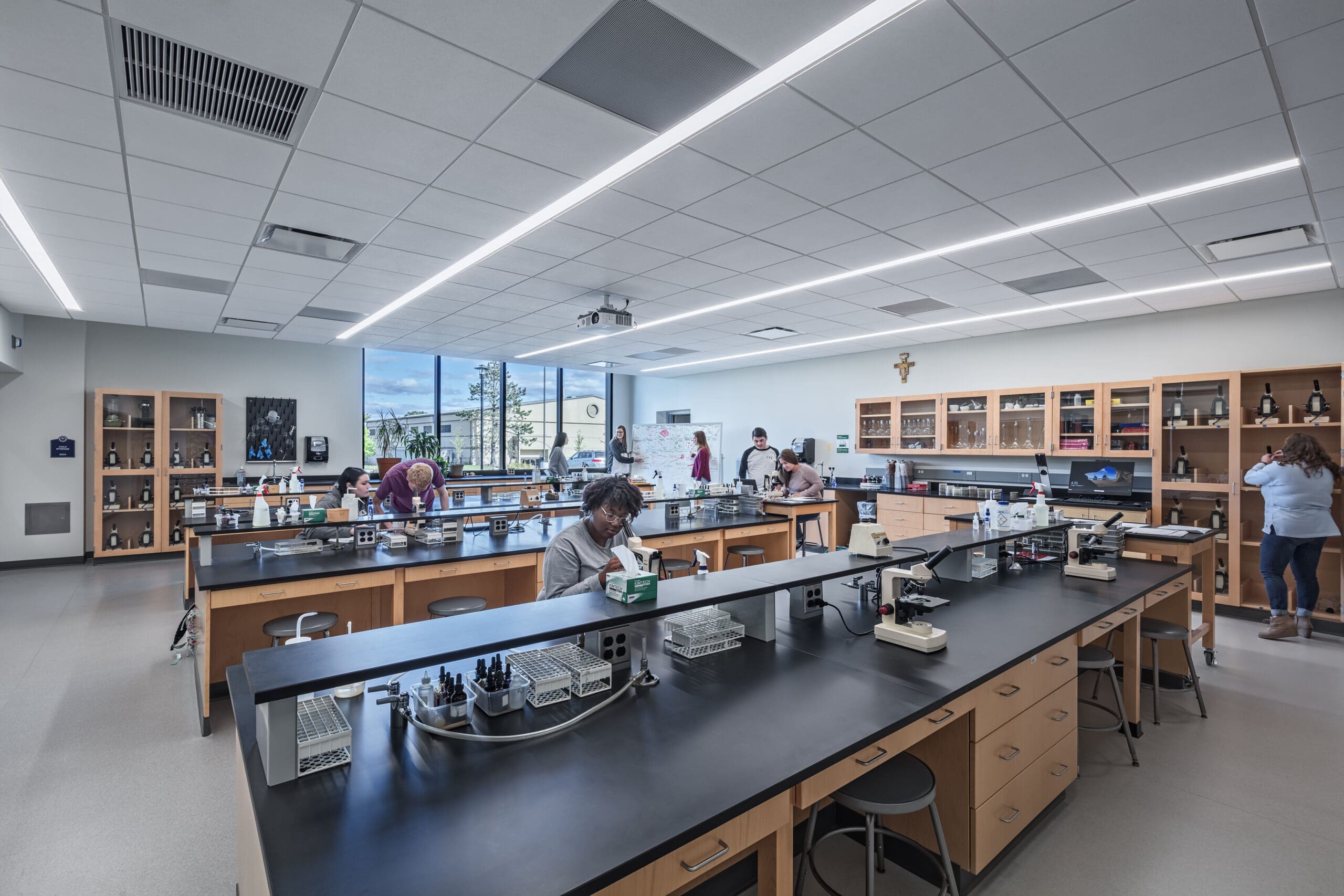
They often spearhead initiatives to upgrade laboratory facilities, invest in software and computational tools, and create research centers dedicated to emerging areas like data science and environmental modeling. This technological modernity not only enhances the learning experience but also ensures that the college remains competitive on a global front.
Real-World Examples of CNCS Deans
Profiles from Various Institutions
Across the globe, several universities have established their own College of Natural and Computational Sciences, each guided by a dean who is instrumental in charting the course for academic excellence and research innovation.
For example, at the University of Maryland’s College of Computer, Mathematical, and Natural Sciences, the dean has been a key figure since 2018. Similarly, Hawaii Pacific University’s College of Natural and Computational Sciences has recognized leadership in Dean Brenda Jensen, who emphasizes a community-focused and research-rich environment. In Ethiopia, institutions like Addis Ababa University and Debre Berhan University have deans who actively engage with both academic and administrative challenges to create thriving academic ecosystems.
Sample Profiles Comparison
| Institution | College Name | Dean/Contact | Notable Focus |
|---|---|---|---|
| University of Maryland | College of Computer, Mathematical, and Natural Sciences | Amitabh Varshney | Academic innovation and interdisciplinary research |
| Hawaii Pacific University | College of Natural and Computational Sciences | Brenda Jensen, Ph.D. | Community engagement and research initiatives |
| Addis Ababa University | College of Natural and Computational Sciences | Tilaye Feyissa, Prof. | Bridging traditional natural sciences with modern computational methods |
| Morgan State University | School of Computer, Mathematical, and Natural Sciences | Dr. Paul Tchounwou | Technology integration and academic excellence |
A Sample Welcome Message from a CNCS Dean
Crafting a Vision for the Future
A welcome message from a dean sets the tone for the college and serves as an invitation to explore diverse opportunities in natural and computational sciences. Below is a sample welcome message that encapsulates the vision and strategic priorities of a CNCS dean:
"Welcome to the College of Natural and Computational Sciences. I am honored to serve as your dean and proud to lead a community dedicated to excellence in education, research, and innovation. Our college is uniquely positioned to offer a comprehensive educational experience—spanning state-of-the-art laboratories, collaborative research centers, and an interdisciplinary curriculum that blends traditional natural sciences with modern computational techniques.
Our mission is to empower you with not only the theoretical foundations needed for academic success but also the practical skills necessary to thrive in today’s technologically advanced world. We are committed to nurturing creativity, critical thinking, and a deep commitment to solving global challenges—from environmental sustainability to advancements in healthcare and technology.
As you embark on your academic journey, know that you are joining a vibrant community of scholars, researchers, and educators. My goal is to ensure that you have access to the best resources, mentorship, and opportunities to innovate. I encourage you to take full advantage of our modern facilities, participate in groundbreaking research, and collaborate across disciplines.
Together, let’s unlock the mysteries of natural phenomena and harness computational techniques to shape a better future. Welcome to your new academic home; welcome to the frontier of discovery.
Sincerely,
[Dean’s Name]
Dean, College of Natural and Computational Sciences
Interfacing with the Broader University Community
Building Partnerships and Steering Growth
Beyond the confines of academic departments, the dean’s role extends to creating synergies within the broader university and external communities. This involves:
- Resource Advocacy: Representing the college in university-wide committees and external boards to secure funding opportunities, state grants, and private partnerships.
- Community Outreach: Initiating programs that connect students and faculty with industry leaders, government agencies, and non-profit organizations.
- International Collaborations: Establishing linkages with global research institutions and fostering academic exchange programs that broaden the horizons of both faculty and students.
By acting as a bridge between multiple stakeholders, the dean ensures that the college not only stays at the forefront of scientific innovation but also remains responsive to societal needs and contemporary challenges. This leadership is essential for sustaining academic excellence and expanding the impact of research initiatives.
The Future Trajectory for CNCS Colleges
Adapting to Emerging Trends
The landscape of natural and computational sciences is ever evolving. As new challenges emerge—from climate change to rapid technological innovation—deans are expected to navigate these uncertainties and adapt academic strategies accordingly. Contemporary issues drive the need for curricula that incorporate climate modeling, sustainable energy practices, and advanced data analytics. In turn, these adaptive strategies not only enrich the educational experience but also ensure that graduates are well-equipped to be future leaders in their fields.
Innovation in Teaching and Learning
Deans are embracing digital transformation in education. This means integrating online learning platforms, virtual labs, and collaborative research tools that break geographical boundaries and democratize access to world-class science education.
Sustainable Academic Ecosystems
Fostering a sustainable academic environment is another priority. This includes ensuring that practices across research and teaching are both environmentally responsible and economically viable, thereby contributing to the larger goal of sustainability within academia.
References
- Dean Message - University of Maryland CMNS - University of Maryland
- College of Natural and Computational Sciences - Hawaii Pacific University
-
Contacts - Addis Ababa University CNCS - Addis Ababa University
- Dean's Office - Morgan State University - Morgan State University
- Dean’s Message - Ambo University CNCS - Ambo University
Recommended Related Queries
Last updated March 17, 2025