
Developing a Co-Parenting Communication Application: A Product Requirements Overview
Key Features and Functionality for a Successful Platform
Navigating the complexities of co-parenting can be challenging, requiring clear, documented communication and streamlined organization. Co-parenting applications have emerged as valuable tools to facilitate this, offering a structured environment for parents to manage schedules, share information, and communicate effectively. This document outlines the key product requirements for an application similar to TalkingParents, focusing on features that promote accountability, reduce conflict, and provide a reliable record of interactions.
Key Highlights for a Co-Parenting App
- Secure and Unalterable Messaging: A core requirement is a messaging system where all communications are timestamped and cannot be edited or deleted, providing a reliable record for accountability.
- Comprehensive Shared Calendar: The app must include a robust shared calendar for managing custody schedules, appointments, and activities, with clear visibility for both parents.
- Documented Financial Features: Tools for tracking and managing shared expenses and payments are essential, ensuring transparency and clear records of financial contributions.
Introduction: The Need for a Structured Co-Parenting Platform
Co-parenting, especially after separation or divorce, can present unique communication challenges. Misunderstandings, lack of documentation, and high-conflict interactions can negatively impact the children involved. A dedicated co-parenting application serves to mitigate these issues by providing a centralized, secure, and accountable platform for all child-related communication and organization. The goal is to create an environment that fosters clarity, reduces conflict, and ensures that important information is shared and accessible to both parents.
Target Audience
The primary users of this application are co-parents who need a structured and documented way to communicate and manage responsibilities related to their children. This includes parents who are divorced, separated, or were never legally married, regardless of whether their co-parenting relationship is peaceful or high-conflict. Legal professionals, such as attorneys and mediators, may also utilize the platform to access communication records.
Goals and Objectives
The main objectives of the application are to:
- Improve communication and reduce conflict between co-parents.
- Provide a secure and unalterable record of all communications and transactions.
- Streamline the management of custody schedules, appointments, and activities.
- Facilitate the tracking and management of shared child-related expenses and payments.
- Offer easy access to important child information.
- Provide documentation that can be used in legal proceedings if necessary.
Core Features and Functionality
Secure Messaging
A fundamental feature is a secure messaging system designed specifically for co-parent communication.
Key Requirements:
- Unalterable Records: All messages must be timestamped upon sending and viewing and cannot be edited or deleted by either party. This ensures the integrity of the communication record.
- Organized Conversations: The ability to organize messages by topic or keyword search should be included to facilitate finding specific information quickly.
- Notifications: Users should be able to receive notifications (email, SMS, push) for new messages to ensure timely responses.
- Privacy: Message previews should be disabled in notifications to protect privacy if a child has access to the device.
- Professional Accounts: The option for legal professionals to access communication records with user permission is crucial for court admissibility.
Shared Calendar
A shared calendar is essential for managing custody schedules and coordinating children's activities and appointments.
Key Requirements:
- Custody Schedule Management: Tools to easily input and visualize complex custody schedules, including recurring events and one-off changes.
- Event Coordination: Ability to add and manage children's appointments, school events, extracurricular activities, and other important dates.
- Visibility and Notifications: Both parents should have clear visibility of the calendar and receive notifications for new events or changes.
- Timestamping: All entries and modifications to the calendar should be timestamped.
Accountable Payments and Expenses
Managing shared financial responsibilities requires a transparent and documented system.
Key Requirements:
- Expense Tracking: Features to log shared expenses, including the ability to upload receipts or documentation.
- Payment Facilitation: A secure method for making and receiving payments directly within the app, such as for child support or shared expenses.
- Detailed Records: Comprehensive records of all expense entries and payments, including dates, amounts, and descriptions. These records should be unalterable and exportable.
Accountable Calling
For sensitive conversations, a feature that records and transcribes phone and video calls can be invaluable, providing an irrefutable record.
Key Requirements:
- Call Recording and Transcription: Secure recording and accurate transcription of all calls made through the app.
- Privacy: Option to keep personal phone numbers private while using the calling feature.
- Accessible Records: Easy access to call recordings and transcripts within the app.
Here is a video providing an overview of TalkingParents, which includes some of these features:
An overview of the TalkingParents co-parenting communication service.
Additional Features for Enhanced Co-Parenting
Info Library
A centralized place to store and share important information about the child.
Key Requirements:
- Customizable Cards: Ability to create categories for different types of information (e.g., medical contacts, school information, allergies).
- Secure Storage: Safe storage of sensitive information that is accessible to both parents.
Personal Journal
A private space for parents to document interactions or personal notes related to co-parenting.
Key Requirements:
- Private Entries: Journal entries should be private and not accessible to the co-parent.
- Timestamping: All journal entries should be timestamped.
Vault File Storage
Secure storage for important documents, photos, and videos related to the child.
Key Requirements:
- Document Upload and Storage: Ability to upload and store various file types securely.
- Organized File System: Features to organize files for easy retrieval.
- Sharing Capabilities: Option to share specific files with the co-parent or legal professionals.
Tone Analysis (Optional but Recommended)
An AI-powered feature that analyzes the tone of messages and flags potentially aggressive or demeaning language can help reduce conflict.
Key Requirements:
- Real-time Analysis: Analysis of message tone before sending.
- Suggestions for Rephrasing: Optional suggestions to help users rephrase messages for more constructive communication.
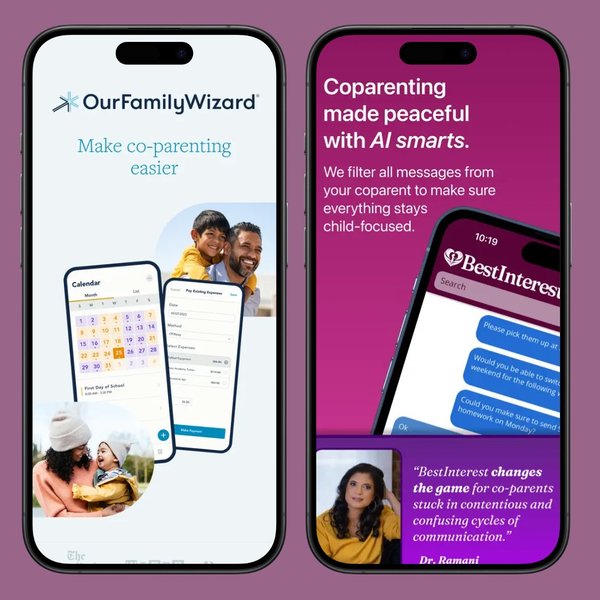
Some co-parenting apps offer features like tone analysis to promote healthier communication.
Technical Requirements and Considerations
Platform
The application should be available on multiple platforms to ensure accessibility for all users.
Key Requirements:
- Web Application: A fully functional web-based platform.
- Mobile Applications: Native applications for both iOS and Android devices.
Security and Data Integrity
Given the sensitive nature of the information shared, robust security measures are paramount.
Key Requirements:
- Encryption: All data, both in transit and at rest, must be encrypted.
- Secure Authentication: Implement strong user authentication methods.
- Unalterable Database: The underlying database structure must ensure that records, once created, cannot be altered or deleted.
- Regular Backups: Implement a system for regular and secure backups of all data.
Court Admissibility of Records
A key value proposition is the ability for records to be used in court.
Key Requirements:
- Electronically Certified Records: Users should be able to request electronically certified PDF records directly from the app.
- Printed Records: Option to request physical printed records via the website.
- Compliance: Ensure the platform and its record-keeping comply with legal standards for admissibility in relevant jurisdictions.
User Interface and User Experience (UI/UX)
The application should be intuitive and easy to use, even for individuals who are not tech-savvy.
Key Requirements:
- Clean and Intuitive Design: A user interface that is easy to navigate and understand.
- Accessibility: Design considerations for users with disabilities.
- Consistent Experience: A consistent user experience across all platforms (web and mobile).
Integrations (Optional)
Consider potential integrations with other relevant services.
Key Requirements:
- Calendar Synchronization: Potential integration with external calendar applications (e.g., Google Calendar, Outlook).
- Payment Gateways: Secure integration with reliable payment processing services.
Monetization Strategy
A tiered pricing model is common among co-parenting apps, offering different levels of features based on subscription.
Potential Tiers:
- Free Tier: Limited features (e.g., basic messaging and calendar) to allow users to experience the app.
- Standard Tier: Includes core features like secure messaging, shared calendar, and expense tracking.
- Premium Tier: Offers advanced features such as accountable calling, increased file storage, and potentially tone analysis.
Offering a risk-free trial period can also encourage user adoption.
Competitive Landscape
The co-parenting app market includes several established players, each with its own strengths and weaknesses. Understanding the competitive landscape is crucial for positioning the new application effectively.
Some notable competitors include:
| App Name | Key Features | Pricing Model | Court Admissibility |
|---|---|---|---|
| OurFamilyWizard | Secure Messaging, Shared Calendar, Expense Tracking, Journal, Info Library, ToneMeter | Paid Subscription (Various Tiers) | Accepted by courts |
| TalkingParents | Secure Messaging, Shared Calendar, Accountable Payments, Accountable Calling, Info Library, Personal Journal, Vault File Storage | Free (Limited Features), Paid Subscription (Standard and Premium) | Records are unalterable and can be certified for court |
| AppClose | Messaging, Calendar, Expenses, Payments | Free | Approved in many courts, attorney recommended |
| Coparently | Scheduling, Messaging, Expense Tracking | Paid Subscription | Offers records for court |
| 2houses | Shared Calendars, Expense Tracking, Messaging, Journal, Document Storage | Paid Subscription (Free Trial) | Offers mediator access to messages and document storage for court |
| BestInterest | Message Filtering (AI-powered), Unalterable Records, Shared Schedule | Subscription (Can be used solo) | Secure storage of court-approved records |
While several apps offer core features, differentiators such as advanced communication tools (like accountable calling or AI-powered tone analysis), user-friendliness, and pricing structure can influence user choice. The ability to use an app unilaterally (as offered by BestInterest) can also be a significant advantage in high-conflict situations where one parent is unwilling to cooperate.
Co-parenting apps can facilitate smoother discussions between parents.
Future Enhancements (Potential Roadmap)
Once the core features are established, consider adding further functionalities to enhance the user experience and provide greater value.
Potential Future Features:
- Location Check-ins: Allowing parents to securely share their location during transitions.
- Guided Parenting Plans: Tools to help parents create and document their parenting plan within the app.
- Resource Library: Providing access to articles, tips, and resources on effective co-parenting.
- Integration with Legal Systems: Streamlined process for submitting records directly to courts (where technically and legally feasible).
Metrics for Success
Measuring the success of the application will involve tracking key metrics related to user engagement, satisfaction, and legal utility.
Key Metrics:
-
User Adoption and Retention Rates: The number of new users and how many continue to use the app over time.
-
Feature Usage: Tracking which features are used most frequently.
-
Communication Volume: The number of messages, calendar entries, and expense entries.
-
User Feedback and Ratings: Collecting feedback through app store reviews and user surveys.
-
Court Admissibility Rate: Tracking how often the app's records are successfully used in legal proceedings.
FAQ
What is a co-parenting app?
A co-parenting app is a digital tool designed to help parents who are separated or divorced manage communication, schedules, expenses, and other child-related information in a structured and documented environment.
Why use a co-parenting app instead of text or email?
Co-parenting apps offer features like unalterable records, timestamping, and organized communication that are typically not available in standard text messaging or email. This provides a secure and verifiable history of interactions, which can be crucial in high-conflict situations or legal proceedings.
Are co-parenting app records admissible in court?
Many co-parenting apps, including TalkingParents and OurFamilyWizard, provide features for generating electronically certified or printable records that are designed to be admissible in court. However, it is always advisable to confirm with legal counsel regarding the admissibility of records in a specific jurisdiction.
Can I use a co-parenting app if my co-parent refuses?
Some co-parenting apps, like BestInterest, offer features that allow one parent to use the app unilaterally, providing a documented record of their communication attempts and shared information even if the other parent does not actively participate.
What features are most important in a co-parenting app?
Essential features often include secure and unalterable messaging, a shared calendar for scheduling, and tools for tracking and managing shared expenses. Additional valuable features can include accountable calling, information storage, and tone analysis.
References
Last updated May 9, 2025