
Exploring the Effectiveness of Coaching Strategies in Ormoc City Regional Sports Academy
A comprehensive conceptual literature review on coaching excellence in sports education
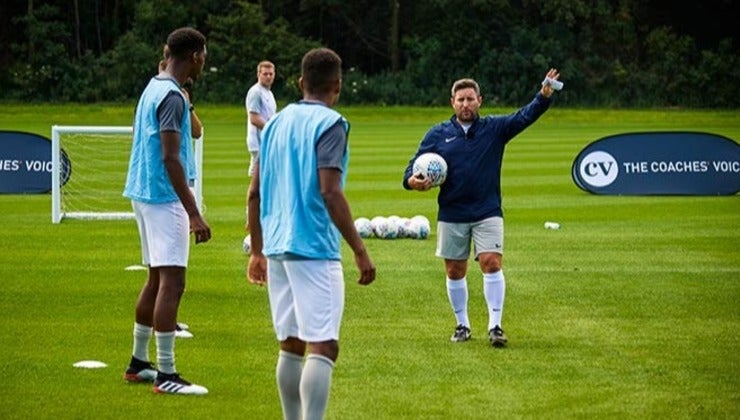
Highlights
- Holistic Coaching Approaches: Integrating technical development, psychological resilience, and personalized learning.
- Innovative Technology Use: Employing video analysis and data-driven feedback to enhance performance.
- Community and Academic Integration: Leveraging sports as a vehicle for broader educational and societal development.
Introduction and Background
The landscape of sports coaching has evolved significantly, incorporating innovative strategies that go beyond traditional skill development. At the Ormoc City Regional Sports Academy, effective coaching is instrumental in fostering both athletic prowess and overall personal growth. This conceptual literature review examines the multifaceted effectiveness of coaching strategies, providing a framework that integrates theoretical constructs and practical applications.
The academy stands out as the only Senior High School in Region VIII offering a dedicated Sports Track, making it a unique case study in the implementation of advanced coaching methodologies. The exploration includes an analysis of performance enhancement techniques, psychological development, athlete-centered approaches, and the integration of academic and community engagement. These dimensions collectively illustrate how educators and coaches can significantly impact athlete development and community well-being.
Theoretical Frameworks and Models
Foundational Theories
At the core of effective coaching strategies is the understanding of various theoretical frameworks that provide the foundation for athlete development. These models outline the role of coaching not only as a technical task but as an intricate process that encompasses psychological, social, and educational dimensions.
Long-Term Athlete Development (LTAD) Model
The LTAD model emphasizes age-appropriate training that targets both physical and mental development. By adapting training programs to the developmental stage of athletes, coaches can ensure a balanced approach that fosters continuous improvement. This model informs strategies for goal setting and incremental performance evaluation, ensuring that athletes develop at an optimal rate.
Athlete-Centered Coaching
Athlete-centered coaching prioritizes the individual needs of athletes. Acknowledging that each athlete comes with unique abilities, learning styles, and motivational triggers, this approach promotes tailored coaching practices that optimize performance. Coaches who adopt this approach facilitate personalized feedback and skill development plans that address the specific challenges and strengths of each athlete.
Social and Psychological Theories in Coaching
Social learning theory and motivational psychology are critical for understanding the nuances of coach-athlete interactions. Positive communication, relationship building, and psychological resilience are essential components that help create a supportive environment. When athletes are encouraged to take ownership of their development, not only do their technical skills improve, but their self-confidence and mental toughness are also enhanced.
Key Elements of Effective Coaching Strategies
Developing a Holistic Framework
Effective coaching in sports, particularly in the context of Ormoc City Regional Sports Academy, requires a blend of technical expertise, strategic planning, and humanistic engagement. The following sections describe the key elements that are instrumental in realizing this balance:
Performance Enhancement Techniques
One of the central tenets of effective coaching is the emphasis on performance enhancement. Coaches utilize various strategies to ensure that athletes acclimate to real game conditions. Tools such as video analysis are employed to offer visual feedback, allowing both the coach and athlete to identify technical faults and reinforce positive performance behaviors. This continuous feedback is pivotal for adjusting training methodologies and ensuring ongoing improvement.
Positive Communication and Relationship Building
Communication forms the backbone of an effective coaching strategy. Establishing clear, open lines of communication allows for the creation of a trust-based environment where athletes can express concerns, receive constructive feedback, and set realistic goals. By fostering strong relationships, coaches help build a supportive environment that encourages sustained effort, resilience, and team cohesion.
Individualized Training and Athlete-Centered Approaches
An athlete-centered approach ensures that coaching is tailored to individual learning styles and performance levels. Personalized training programs consider each athlete's unique capabilities and challenges, thereby promoting more efficient skill acquisition. This strategy not only caters to technical development but also addresses the psychological and emotional needs of the athletes.
Integration of Technology and Analytical Tools
The integration of modern technology, particularly video analysis, represents an innovative strategy that significantly enhances coaching effectiveness. By recording training sessions and competitive performances, coaches can conduct detailed analyses to pinpoint areas that require improvement. Techniques such as slow-motion replays, comparative analysis, and statistical tracking facilitate objective assessments, which in turn help tailor training interventions with high precision.
Goal Setting and Feedback Mechanisms
Goal setting is a critical component of coaching that helps athletes focus their efforts on clear, measurable outcomes. Utilizing frameworks such as the SMART criteria (Specific, Measurable, Achievable, Relevant, Time-bound), coaches establish benchmarks that guide the development process. Coupled with continuous, constructive feedback—which emphasizes actionable advice rather than criticism—this approach reinforces the path towards achieving both short-term milestones and long-term aspirations.
Impact on Athlete Performance and Development
Athletic Skill Acquisition and Psychological Growth
The impact of effective coaching extends well beyond the improvement of athletic skills. By employing a holistic coaching strategy, the Ormoc City Regional Sports Academy nurtures not only physical dexterity but also psychological fortitude. The confluence of technical training and mental conditioning leads to the comprehensive development of athletes.
When performance-enhancing techniques are integrated with personalized coaching, athletes experience a significant boost in their confidence and competence. The emphasis on psychological development helps athletes manage performance pressure, develop resilience, and foster a growth mindset. This dual-focus on physical and mental development is indicative of modern coaching philosophies that recognize the interconnected nature of athletic performance and personal wellbeing.
Academic and Community Benefits
Coaching strategies that emphasize holistic development have ripple effects beyond the sports field. In educational institutions like the Ormoc City Regional Sports Academy, effective sports coaching is linked with improved academic performance. The underlying principles of discipline, time management, and goal attainment resonate through the classroom, promoting a culture of excellence in academics as well.
Community engagement is another significant benefit. As coaching strategies incorporate collaborative practices and community outreach, there is a mutual reinforcement between the academy and its surrounding environment. Local sports programs, public demonstrations, and cooperative events contribute to a vibrant community culture, encouraging broader participation and support for regional sports initiatives.
Comparative Analysis Table
| Dimension | Key Strategy | Impact |
|---|---|---|
| Performance Enhancement | Video Analysis, Real-time Feedback | Improved technical skills and accurate performance assessment |
| Psychological Development | Positive Communication, Mental Resilience Training | Greater confidence, stress management, and adaptive learning |
| Athlete-Centered Approach | Personalized Training, Individual Goal Setting | Tailored approaches leading to optimized growth and skill improvement |
| Integration of Technology | Advanced Analytical Tools, Data-driven Decision Making | Enhanced monitoring and adjustment of training methodologies |
| Community Engagement | Local Outreach, Sports Clinics | Strengthened ties between the academy and the local community |
Challenges and Future Directions
Identifying Implementation Challenges
While the benefits of diversified coaching strategies are widely acknowledged, practical implementation is not devoid of challenges. Resource limitations, including funding constraints and inadequate facilities, can impede the consistent application of advanced coaching methods. Additionally, resistance to change within traditional sporting cultures may hinder the adoption of innovative techniques.
Another significant challenge is the need for continuous professional development. Coaches must stay abreast of the latest advancements in sports science, ensuring that their methodologies remain relevant and effective. Institutional support for training and development initiatives is crucial to bridging this gap.
Adaptability and Professional Growth
Looking forward, there is an imperative to cultivate adaptability both at individual and institutional levels. Future directions include:
- Investing in ongoing coach education and certification programs;
- Expanding the use of data analytics and technological advancements;
- Developing interdisciplinary collaborations that embrace sports science, psychology, and education;
- Encouraging community partnerships to enhance resource availability and shared learning experiences.
As the academy evolves, it is essential that coaching frameworks remain flexible to incorporate emerging trends. Strategic collaborations with academic institutions and sports research centers can further promote a culture of continuous improvement and innovation.
Bridging Coaching with Broader Development Goals
Integrating Academic and Life Skills
The modern coach plays a dual role as both a technical advisor and a mentor who fosters academic and life skills. The interconnection between athletic training and academic success is well documented, as structured coaching strategies help inculcate discipline, time management, and resilience. Students at the Ormoc City Regional Sports Academy not only refine their sporting abilities but also become well-rounded individuals, capable of transferring these skills to academic and other life domains.
In addition to formal coaching, the mentorship provided by coaches contributes to life skills development. This includes learning how to work within a team, managing setbacks, and embracing the value of perseverance. The coaching environment, therefore, serves as a training ground for both sports and holistic life management.
Community Impact and Social Responsibility
The success of coaching strategies is also measured by their broader societal impact. The academy’s initiatives extend into the community through outreach programs and local competitions that not only nurture young talent but also promote social cohesion. By aligning sports with community values, the academy demonstrates a commitment to social responsibility, creating a supportive environment that encourages community pride and collective achievement.
Final Thoughts on the Effectiveness of Coaching Strategies
Effective coaching strategies are the linchpin of athletic and personal development at the Ormoc City Regional Sports Academy. Through a balanced approach that merges performance enhancement, psychological support, personalized training, and technological innovations, coaching methods transcend traditional instruction. By fostering a culture of continuous improvement, accountability, and mutual support, the academy not only raises athletic performance but also builds a strong foundation for academic excellence and community engagement.
This comprehensive review underscores the importance of a multifaceted coaching approach that is adaptable to evolving challenges and dynamic sporting environments. As future research and practical applications continue to refine these strategies, the cumulative benefits will manifest across athlete performance, academic achievement, and societal development. The insights derived from these coaching practices serve as a valuable blueprint for other institutions aiming to create a robust and holistic sports education framework.
References
- Top Strategies For Effective Sports Coaching - Jugadu Sports
- 8 Coaching Strategies for Effective Athlete Growth - ClassCard App
- Coaching Strategies in Sport: Preparing for Competition - APU
-
Effective Coaching Principles and Theories for Sports - Track & Field Coach
- Ormoc City Regional Sports Academy - School & College Listings
Recommended Further Queries
Last updated March 4, 2025