
Exploring the Effectiveness of Coaching Strategies in Ormoc City Regional Sports Academy
A comprehensive conceptual literature review on coaching effectiveness and athlete development
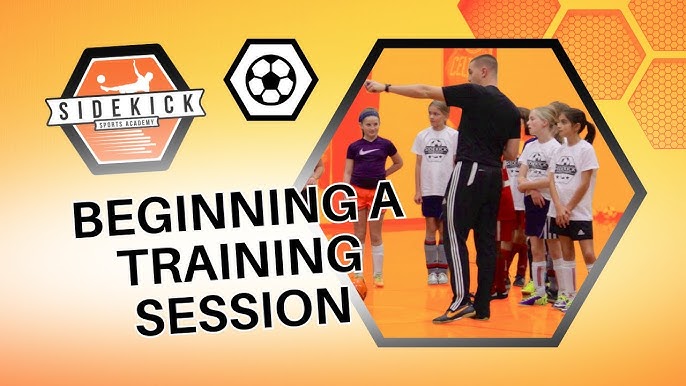
Key Highlights
- Holistic Development: Effective coaching integrates technical skills, psychological support, and life skills development.
- Customized Coaching: Emphasis on tailored programs, individualized feedback, and adaptive communication enhances athlete growth.
- Data-Informed Practices: Use of video analysis, performance metrics, and evidence-based strategies improves overall performance.
Introduction
In the realm of sports education and coaching, the dynamic environment of the Ormoc City Regional Sports Academy provides an ideal setting to explore the effectiveness of diverse coaching strategies. This conceptual literature review delves into the multifaceted nature of coaching, highlighting the neurospecific interactions that drive both technical and personal development in athletes. Embracing a holistic perspective, modern coaching not only emphasizes physical training but also integrates psychological resilience, life skills, and academic support, hence molding well-rounded individuals ready to tackle challenges both on and off the field.
Theoretical Underpinnings of Coaching Strategies
Coaching and Athlete Development
At the foundation of effective sports coaching lies the belief that coaching transcends simple technical instruction. It is a process that nurtures athletes through personalized and situational learning experiences. Central to this philosophy is the recognition that sports training embodies a continuum: from mastery of movements to the development of mental toughness and strategic thinking.
This literature review synthesizes key theoretical frameworks that assert the importance of comprehensive coaching strategies. Through consistent goal-setting, personalized feedback, and a supportive environment, coaches facilitate a learning ecosystem that fosters continuous improvement. The emphasis lies on transforming each training session into a constructive opportunity for growth, allowing athletes to reflect on their performance and apply this knowledge in subsequent competitions.
Holistic Athlete Development
A holistic approach in coaching recognizes that athlete development is multifaceted. It considers physical prowess, technical abilities, and mental fortitude alongside personal growth. Coaches are tasked with fostering environments that promote:
- Technical mastery through skill-specific training and simulation of real-game scenarios.
- Psychological resilience by building strategies that reinforce a growth mindset, openness to learning, and the ability to overcome setbacks.
- Personal development where life skills such as communication, teamwork, and discipline are nurtured alongside sporting talents.
These components are integrated within a coaching framework that supports not only athletic performance but also academic achievements and overall well-being. Positive reinforcement, constructive critique, and mutual respect form the core of a sustainable coaching relationship, leading to a balanced development of both performance and personality.
Key Components of Effective Coaching Strategies
Goal-Setting and Feedback Mechanisms
One of the pivotal elements in effective coaching is the establishment of clear, measurable goals. Goal-setting carries dual significance: it provides athletes with a roadmap for success and creates benchmarks for performance evaluation. In this realm, feedback plays a critical role. Systematic and constructive feedback directs athletes' attention to specific areas of improvement, reinforcing learning and promoting sustained athletic development.
The integration of modern tools such as video analysis and performance metrics into this feedback loop has enhanced the precision of coaching practices. By visually mapping performance and pinpointing technical shortcomings, coaches empower athletes to internalize their mistakes and celebrate incremental improvements.
Athlete-Centered Approaches
Understanding Individual Needs
Effective coaching is inherently athlete-centered. It requires deep insight into each athlete's unique strengths, weaknesses, and developmental needs. Coaches operating on this model adjust their training programs to align with individual capabilities, thereby maximizing both performance potential and personal growth.
An athlete-centered approach is characterized by fostering autonomy, encouraging self-assessment, and cultivating a sense of ownership over one’s training journey. By nurturing an environment where athletes feel supported, respected, and motivated, coaches contribute to a culture of continuous improvement.
Tailored Training Programs
Recognizing that each athlete has distinct needs, customized training programs become essential. Tailored programs emphasize a balance between rigorous physical conditioning, technical refinement, and psychological preparation, ensuring each athlete receives the appropriate level of challenge and support.
For instance, customized regimens might involve specific drills aimed at addressing a recurring technical issue or adapting strength training exercises to meet varying physical demands. The success of these programs can be measured through consistent monitoring and periodic adaptations based on performance data.
Communication and Relationship Building
A cornerstone of effective coaching is the establishment of strong, trust-based relationships. Communication is not merely about instruction; it is a means of building rapport and mutual respect. Engaging with athletes on a personal level creates an environment where feedback is openly exchanged, fostering trust and encouraging a proactive attitude toward self-improvement.
Effective communication strategies typically involve clear articulation of expectations, regular check-ins, and structured debrief sessions after training or competitive events. This ensures that athletes are not only aware of their performance metrics but are also motivated to address any identified gaps proactively.
Integrating Technology in Coaching
The evolution of coaching methodologies has been significantly bolstered by technological advancements. Digital tools such as video analysis software provide immediate and visual feedback, enabling coaches and athletes to review performance intricacies frame by frame. This symbiosis of technology and coaching aids in identifying technical faults, refining techniques, and strategizing for competitive scenarios.
The use of performance tracking systems and software enhances the coach’s ability to monitor progress regularly and make data-informed decisions. As these methods integrate into the coaching environment of Ormoc City Regional Sports Academy, they contribute to a measurable impact on athlete performance.
Impact of Coaching Strategies on Athlete Performance
Performance Enhancement Through Structured Training
The primary objective of effective coaching is to significantly enhance athlete performance. A structured approach that combines technical training, psychological conditioning, and tactical development is pivotal in fostering competitive excellence. Coaches utilize various methods, such as skill-specific drills and live game simulations, to create realistic and challenging environments that prepare athletes for high-stakes competitions.
Additionally, the continuous refinement of these strategies, supported by periodic performance evaluations and adaptive techniques, ensures long-term athlete development. This results in improved agility, endurance, and cognitive capability during competitions.
Psychological Conditioning and Mental Resilience
Beyond the physical aspects, effective coaching emphasizes psychological conditioning. Developing mental resilience is as crucial as nurturing physical strength. Coaches create opportunities for athletes to navigate challenges, thereby instilling confidence and enhancing focus under pressure.
Incorporating stress management techniques, mental visualization exercises, and scenario-based problem-solving in training sessions fosters a robust psychological framework. By reinforcing a mindset centered on growth and adaptability, athletes are better equipped to handle the pressures associated with competitive sports.
Academic and Life Skills Integration
Sports academies like Ormoc City not only serve as training grounds for athletic prowess but also as platforms for comprehensive personal development. Effective coaching in such environments bridges the gap between sporting excellence and academic achievement. By integrating life skills, coaches instill values such as discipline, teamwork, and effective time management.
This dual emphasis ensures that as athletes progress in their sporting careers, they also acquire the necessary tools to succeed academically and in their personal lives, thereby preparing well-rounded individuals for future endeavors.
Evaluating Coaching Effectiveness
Metrics and Performance Indicators
The success of coaching strategies can be quantitatively and qualitatively assessed using several key performance indicators. These include:
| Indicator | Description | Measurement Tool |
|---|---|---|
| Skill Improvement | Monitoring technical proficiency and skill development | Video analysis and performance tests |
| Mental Resilience | Assessing improvements in focus and stress management | Psychological assessments and coach observations |
| Goal Achievement | Tracking progress toward predefined objectives | Performance metrics and feedback sessions |
| Academic Integration | Measuring the impact of sports on academic outcomes | Student performance and time management evaluations |
These indicators not only provide insights into the effectiveness of coaching strategies but also highlight areas for potential refinement. Consistent data collection and feedback loops contribute significantly to the continuous improvement of coaching practices.
Community Engagement and Infrastructure Investment
The broader impact of coaching strategies extends beyond individual athlete development. Community engagement and the quality of training facilities play critical roles in shaping a sports academy's overall success. When communities actively support sports programs and invest in quality infrastructure, the resultant synergy propels both athlete performance and institutional reputation.
In regions like Ormoc City, successful integration of community resources into sports programs has provided additional support systems, such as motivators, mentors, and financial aids, which in turn enhance the effectiveness of coaching strategies and athlete development.
Challenges and Future Prospects
Identified Challenges
Despite many successes, challenges remain that can impact the effectiveness of coaching strategies. Issues such as limited resources, infrastructural constraints, and the need for continuous professional development are prevalent. Coaches must also navigate diverse athlete backgrounds and cultural influences, which may require adaptive strategies to ensure consistent progress.
Another challenge is maintaining an equilibrium between technological integration and personal interaction. While data-driven analysis is invaluable, the human element — understanding emotions, building trust, and personalized mentorship — remains irreplaceable in fostering long-term success and resilience.
Opportunities for Growth
Addressing these challenges involves investing in capacity building initiatives and professional development programs for coaches. Enhanced training workshops, seminars on modern coaching techniques, and collaborative platforms for sharing best practices are promising avenues for growth.
Moreover, forging partnerships with academic institutions and sports science research centers can facilitate the exchange of innovative ideas and methodologies. Continued advancements in technology and performance analytics promise further enhancements in coaching effectiveness, setting the stage for transformative changes in sports education.
Practical Implications for Ormoc City Regional Sports Academy
Implementation of Best Practices
For the Ormoc City Regional Sports Academy, applying the identified best practices involves a multifaceted approach. Implementation should focus on:
- Integrating structured goal-setting and feedback mechanisms to map athlete progress over time.
- Adopting a balanced training methodology that emphasizes both technical and psychological facets of performance.
- Harnessing technology to offer precise, data-driven insights without compromising the human aspects of mentorship and support.
- Establishing continuous professional development for coaches to remain abreast of emerging trends and refining techniques.
The direct implications of these practices include enhanced athlete performance, improved academic integration, and the development of a robust sports culture that extends into the community. Each of these strategic implementations contributes to building a sustainable and competitive sports program that benefits all stakeholders.
Empowering Athlete Potential
A critical aspect of effective coaching is safeguarding and maximizing athlete potential. Empowered athletes are those who perform confidently on the field, excel academically, and carry forward the principles of discipline and teamwork into their daily lives. By embedding these values into the core of coaching strategies, coaches create an atmosphere where success is measured not only by the scoreboard but also by long-term personal growth.
In essence, the holistic approach at the academy nurtures future leaders who achieve excellence both as athletes and as citizens, thereby reinforcing the transformative power of sports.
References
- Top Strategies For Effective Sports Coaching - Jugadu Sports
- 8 Coaching Strategies for Effective Athlete Growth - ClassCard
-
Coaching Strategies in Sport: Preparing for Competition - APUS
- Effective Sports Coaching Techniques - Prepare Like A Pro
-
5 Coaching Strategies Scientifically Proven to Work - Track and Field Coach
Recommended Related Queries
Last updated March 4, 2025