
Chandrapur Coal Mine Collapse
In-depth analysis of the tragic coal mine collapse and its implications
Key Insights
- Historical Incident Overview: The Chandrapur collapse in 2016 highlights longstanding safety issues with aging mine infrastructures and inadequate preventive measures.
- Safety and Environmental Concerns: Repeated mining incidents in Chandrapur and surrounding regions emphasize the urgent need for stricter safety protocols and environmental oversight.
- Regulatory and Community Impacts: The tragedy has spurred calls for enhanced mining safety standards, stricter regulatory compliance, and improved measures to safeguard local communities.
Background and Context
The Chandrapur coal mine collapse is a significant event that has attracted widespread attention due to its tragic impact on the mining community and the long-term implications for safety practices within the industry. The incident, which occurred on December 27, 2016, at the Western Coalfields Limited (WCL) owned Dhanora coal mine in the Chandrapur district of Maharashtra, India, serves as a stark reminder of the inherent risks in coal mining operations. Coal mining, despite being integral to the region's economy, is fraught with hazards including unstable geological formations, inadequate structural support, and operational oversights.
Detailed Analysis of the Chandrapur Collapse
Incident Overview
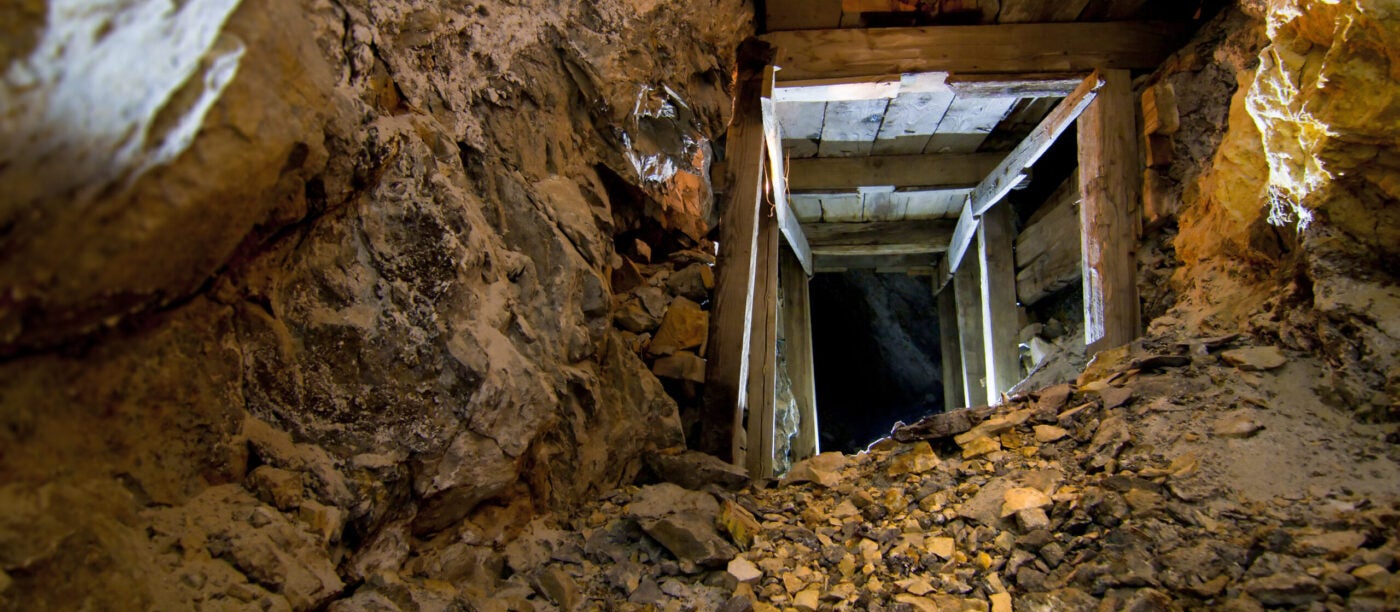
On December 27, 2016, a section of the mine's roof collapsed, causing a catastrophic failure within the Dhanora coal mine. Reports indicate that between 8 to 10 miners were working in the affected area when the collapse occurred. Rescue operations were swiftly initiated with the involvement of teams from Western Coalfields Limited, the National Disaster Response Force (NDRF), and local authorities. Despite the prompt response, the challenging terrain and continuous risk of further collapses complicated the rescue efforts, ultimately leading to the tragic outcome where all miners in the collapse were lost.
Key Event Details
- Date: December 27, 2016
- Location: Dhanora coal mine, Chandrapur district, Maharashtra, India
- Ownership: Western Coalfields Limited (WCL)
- Number of Miners: Approximately 8-10 miners
- Outcome: Fatal collapse resulting in the loss of all miners present
Investigations following the collapse revealed several critical issues, including the utilization of aging support systems and the inherent instability of old and weathered rock formations. The collapse was attributed to insufficient reinforcement measures and potential over-extraction, which compromised the structural integrity of the mine. These findings led to an outcry from both the mining community and local residents, urging a comprehensive review and overhaul of mining safety regulations.
Broader Safety and Environmental Concerns
Recurring Incidents and Their Implications
The Chandrapur collapse is not an isolated incident. Over the past few years, there have been numerous reports of ground collapses and other accidents not only at Chandrapur but also in similar coal mining regions. For example, recent data includes incidents where house collapses and pit falls—such as a 20-foot-deep pit collapse—have endangered local residents. Furthermore, separate incidents at nearby coal mines, including explosions and roof collapses, have resulted in fatalities among miners.
Additional Incidents in the Region
Several other events have highlighted systemic issues within the mining operations in Maharashtra:
- In one incident, a woman fell into a 20-foot-deep pit after the ground collapsed near a government coal mine. This incident underscores the vulnerability not only of the workers but also of the surrounding communities.
- Another incident saw a house collapse into a 70-foot-deep sinkhole near the Ghugus mine, forcing the evacuation of 160 houses, thereby affecting a large segment of the local population.
- Fatalities among miners have also been reported, including a miner who lost his life during an incident of ground collapse beneath a drilling rig in February 2025.
- An explosion at a WCL mine resulted in the deaths of two workers, further cementing the reputation of coal mining as a perilous occupation under current operational conditions.
Environmental and Health Impacts
Beyond immediate physical dangers, coal mining activities have long-term environmental and health implications. The release of coal dust, methane emissions, and the operation of coal power plants have exacerbated respiratory health issues among local residents. Increased rates of premature deaths and health complications have been reported in Chandrapur and nearby regions, which has raised concerns among environmentalists and public health advocates.
Regulatory and Operational Repercussions
The Need for Reform
The tragic events at Chandrapur have compelled both governmental bodies and independent safety organizations to re-evaluate and strengthen mining regulations. Post-collapse investigations have identified failures in adherence to safety protocols, including neglect in regular maintenance, outdated infrastructure, and a systemic underestimation of geological risks. These insights have led to several recommended reforms:
- Implementation of modern support systems that use advanced materials and techniques to secure the structural integrity of mines.
- Regular and rigorous inspections to evaluate the health of mining structures and enforce compliance with updated safety standards.
- Enhanced training programs for mine workers and emergency response teams so that they are better prepared for crisis situations.
- Strict monitoring of coal extraction practices to prevent over-extraction which may lead to increased pressure on mine structures.
- Greater investment in alternative energy sources and improved environmental oversight to reduce the overall reliance on coal mining, thus mitigating risks to communities and workers.
Role of Government and Industry
Following the collapse, there was considerable pressure on mining companies and government regulatory agencies to enforce stricter operational guidelines. This includes adopting contemporary risk management strategies and ensuring that all mines are equipped with technological aids for early detection of structural weaknesses. Enhanced regulatory frameworks not only aim to reduce future incidents but also to rebuild the trust of local communities adversely affected by these tragedies.
Comparative Analysis of Coal Mining Incidents
When comparing the Chandrapur collapse to other coal mining incidents, several common factors emerge that underline the universal nature of the challenges faced by the coal mining industry. A detailed table summarizing key incidents in this region provides a consolidated view of the various accidents, shedding light on common causes and outcomes.
| Incident Date | Location | Event Type | Details | Outcome |
|---|---|---|---|---|
| December 27, 2016 | Dhanora coal mine, Chandrapur, Maharashtra | Mine Collapse | Roof collapse due to unstable rock formations and inadequate support | 8-10 miners killed |
| August 2024 | Chandrapur region | Ground Collapse | Ground collapse near a government coal mine; woman fell into a 20-foot pit | Injury to local resident |
| Recent (2025) | Chandrapur area | Explosion | Explosion in a Western Coalfields Limited mine | Two workers killed |
| Recent (February 2025) | Chandrapur region | Ground Failure | Collapse beneath a drilling rig | Miner fatality |
This comparative analysis highlights that while the specifics of each incident may vary, common underlying issues such as poor maintenance, over-extraction, and inadequate safety measures are prevalent across these events.
Technological Interventions and Future Directions
Innovative Solutions to Enhance Safety
Recent technological advancements offer promising prospects for transforming safety protocols in coal mining operations. Modern monitoring systems, including real-time structural health monitoring, geotechnical sensors, and automated warning systems, can detect early signs of potential collapses. Such technologies not only improve worker safety but also help in preventing environmental hazards that arise from unexpected mine failures.
Adoption of Smart Technologies
Mining companies are beginning to adopt smart technologies that integrate Internet of Things (IoT) devices, machine learning algorithms, and remote sensing to continuously assess the stability of mine structures. These systems can alert operators to anomalies that may indicate structural weaknesses or increased stress in the rock formations. Implementation of these technologies is expected to revolutionize the coal mining industry by proactively identifying risks before they escalate into catastrophic events.
Policy Reforms and Industry Collaboration
Addressing the long-term challenges in the coal mining industry calls for not only technological adoption but also rigorous policy reforms. Collaborative efforts between regulatory bodies, industrial experts, and community stakeholders can foster a safer mining environment. In the wake of the Chandrapur collapse, policy makers have been urged to push for:
- Increased funding for research into safer mining practices.
- Development of unified safety standards that are strictly enforced across all mining operations.
- Better disaster response frameworks that ensure quick and effective rescue operations in the aftermath of an incident.
- Educational initiatives designed to raise awareness about the risks associated with mining, both among workers and local communities.
Community Impact and Social Considerations
Effects on Local Populations
The impact of the Chandrapur collapse extends far beyond the loss of life within the mine itself; it has profound social and economic consequences for the local community. Families impacted by such tragedies often face long-term psychological trauma, financial instability, and a deep-seated mistrust of mining operations. Areas with active mining sites are frequently burdened with environmental degradation, which in turn affects local agriculture, water quality, and overall public health.
Resettlement and Community Safety Measures
In some instances, local authorities have responded to mining-related disasters by evacuating affected areas and implementing resettlement plans. However, these measures are often reactive rather than preventive. Moving forward, a proactive approach is necessary—one that not only prioritizes the safety of mine workers but also the long-term well-being of resident communities. Modern planning strategies should integrate environmental impact assessments with community resource management to develop resilient and sustainable local economies.
Integration with Broader Mining Trends
Global and National Perspectives
While the Chandrapur coal mine collapse is a critical event in the Indian mining sector, it reflects a broader global trend where the industrial demand for coal and the emerging need for environmental sustainability often clash. International examples of mine collapses and related disasters underscore the universal vulnerability of such operations in the face of aging infrastructure, inadequate safety measures, and shifting regulatory landscapes.
Balancing Economic Needs and Safety
Coal mining, as an economic activity, has been indispensable for industrial growth. However, the challenges of ensuring worker safety and environmental protection have become increasingly prominent. The collapse in Chandrapur serves as a catalyst for a more balanced discussion on reconciling economic benefits and the responsibility to safeguard human life and local environments. Countries worldwide are now investing in transitional energy models, which include enhancing the safety and efficiency of existing mining operations while also exploring renewable energy alternatives.
References
- Tiger on my Farm - Mining.com
- Maharashtra: Woman falls into 20-feet pit after ground collapse - India TV News
- 160 Houses Evacuated Near Ghugus Sinkhole - Times of India
- Maharashtra: Two Killed in Explosion at WCL Mine - Zee News
- MP: Three Die After Roof Collapse in Betul - MSN
Recommended Further Queries
Last updated March 23, 2025