
Coal Tar Sludge Utilization in Coal Blends for Coking
Exploring Sustainable Practices in Coking Operations
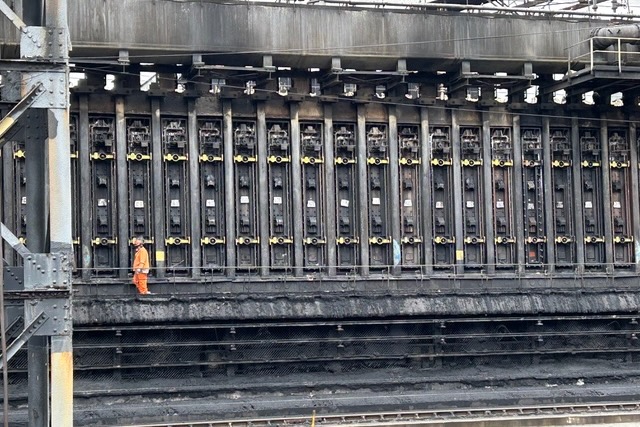
Key Highlights
- Merging Hazardous Waste Recycling with Coke Quality: The integration of coal tar sludge into coal blends not only addresses waste disposal challenges but also enhances coke production efficiency.
- Economic and Environmental Benefits: The practice reduces disposal costs, lowers environmental risks, and recovers valuable carbon content, thereby saving significant operational costs.
- Technical Considerations and Process Optimization: Emphasis on proper mixing techniques and controlled blending ratios (typically between 5% to 15%) ensures uniform distribution and optimal performance.
Introduction
Coal tar sludge, a hazardous byproduct generated during the coking process in steel production, has emerged as a focus area due to its environmental implications and potential for cost-effective reuse. This material, which contains a mixture of coal solids, coke particles, and organic components—including polycyclic aromatic hydrocarbons (PAHs)—is classified as hazardous waste. However, innovative recycling methods have enabled its conversion into a valuable input for enhancing the coking process. By incorporating coal tar sludge into coal blends, industries are able to reduce waste disposal challenges, mitigate environmental impacts, and improve the economic efficiency of coke production.
Understanding Coal Tar Sludge
Composition and Characterization
Coal tar sludge is primarily produced during the separation of tar from coal and coke in coking operations. Its composition typically includes:
- Coal and coke solids ranging from 10% to 50% of the total sludge composition.
- Viscous organic materials, including a significant presence of PAHs.
- Other residual contaminants that contribute to its classification as hazardous under environmental regulations.
Due to these characteristics, proper management and utilization are critical for adhering to environmental standards while capitalizing on its latent energy and material value.
Hazardous Waste Considerations
Recognized as a hazardous waste, coal tar sludge requires careful handling and disposal. The stringent guidelines governing its disposal often make traditional landfilling impractical, both from an environmental and economic perspective. By transforming this waste into a resource within the coking process, industries address the dual challenges of waste management and resource optimization.
Utilization Methods in Coal Blends
Direct Blending with Coal Charge
The primary approach involves mixing coal tar sludge directly with coal before the charge is introduced into coke ovens. This method integrates the sludge in varying blend ratios, usually ranging from 5% to 15% of the total coal mass. The advantages of this approach include:
- Recycling Waste and Enhancing Coke Quality: Incorporating sludge helps in reclaiming pollutants, thereby converting a disposal challenge into a resource for improved coke production. When blended accurately, the sludge not only supplements the carbon content but also aids in controlling the bulk density of the coal blend.
- Cost Savings and Operational Efficiency: Reusing coal tar sludge reduces disposal costs substantially. For example, some steel plants have reported annual savings in the order of several hundred thousand dollars, attributed to lesser dependency on expensive bulk density control oils and improved carbon recovery.
- Mitigating Environmental Impact: Recycling hazardous waste in this way diminishes the environmental footprint by avoiding landfill disposal and reducing the risk of contaminant release into surrounding ecosystems.
Fluidization Techniques for Enhanced Mixing
In cases where the viscosity and heterogeneity of coal tar sludge present challenges, fluidization methods are employed. This process involves mixing the sludge with a suitable coal tar solvent and applying heat to reduce viscosity. The end product is a pumpable dispersion that can be more uniformly blended with coal. Although this method is primarily geared towards producing a fuel-like dispersion, it also facilitates the even distribution of sludge in coal blends, ensuring consistent performance during coking.
Engineers have developed techniques to ensure that the sludge is fluidized effectively, thereby preventing issues such as:
- Accumulation of sludge at the bottom of coke ovens, which could lead to non-uniform carbon recovery.
- Formation of concentration gradients that could affect the thermal profile and reaction kinetics within the oven.
Indirect Utilization in Value-Added Products
Beyond direct blending, coal tar sludge can be converted into intermediary materials that support the coking process indirectly. For instance:
- Chemical Conversion: The sludge is processed to extract products such as coal tar pitch, naphthalene oil, and creosote oil. These chemicals are integral in various industrial applications, including the production of high-quality coke.
- Fuel Production: The fluidized sludge can be repurposed as an industrial fuel, which is then used in ancillary processes (e.g., in blast furnaces or other combustion systems) that complement the coking operation.
While these indirect methods do not mix the sludge directly into the coke blend, they represent alternative pathways for utilizing a hazardous byproduct in a manner that supports overall industrial efficiency.
Technical Considerations and Process Optimization
Mixing and Distribution Strategies
For the effective utilization of coal tar sludge within coal blends, it is crucial to maintain an even distribution of the sludge across the coal charge. This is achieved through:
- Proper Mixing Techniques: Advanced mixing systems are used to ensure homogeneous blending. The sludge is pre-mixed with coal tar solvent if needed, to facilitate even distribution and prevent clumping.
- Controlled Blending Ratios: Maintaining a blend ratio of approximately 5% to 15% helps in securing the mechanical properties required for optimal coking, without adversely altering coke quality.
- Bulk Density Management: Studies indicate that adding coal tar sludge functions as a bulk density control agent, which helps manage the overall weight and reactivity of the coal mixture during the coking process.
Quality Improvement in Coke Production
Applying coal tar sludge in controlled quantities can lead to improved coke quality. When designed efficiently, the recycled sludge contributes to the overall homogeneity of the charge, which in turn enhances the physical characteristics and reactivity of the final coke product. Notably:
- Carbon Recovery: The recycling process maximizes the recovery of carbon from materials that would otherwise be disposed of, providing a double benefit by boosting the carbon content of the coke.
- Enhanced Combustion Properties: A uniform blend of coal and sludge ensures that the combustion process within the coke ovens remains stable, leading to a more consistent thermal profile and higher-quality coke output.
Monitoring and Regulatory Considerations
Given the hazardous nature of coal tar sludge, adherence to environmental guidelines is paramount. This includes:
- Strict Compliance with RCRA Standards: The Resource Conservation and Recovery Act (RCRA) classifies this sludge as hazardous waste, demanding strict regulatory oversight. Industries must ensure that the blending processes meet all environmental safety standards.
- Regular Monitoring: Continuous monitoring of the blending and coking processes ensures that no harmful emissions or byproducts are inadvertently released into the environment.
- Process Innovation: Ongoing research and the adoption of new technologies are critical for further optimizing the utilization process. These efforts focus on improving mixing methods, reducing any adverse impacts on coke quality, and ensuring full compliance with evolving environmental regulations.
Economic and Environmental Impacts
Cost Efficiency and Savings
One of the most compelling reasons for incorporating coal tar sludge into coal blends is the significant cost savings realized in the process. Recycling the sludge minimizes expenses related to:
- Disposal Costs: By circumventing traditional landfill disposal and adhering to regulatory guidelines in a sustainable way, companies are able to reallocate funds toward process improvements and operational expenses.
- Bulk Density Control Materials: The sludge itself aids in managing bulk density in coal blends. This reduces the reliance on external bulk density control oils, leading to additional economic benefits.
- Carbon Recovery: The recycling process actively contributes to recovering valuable carbon, which has a direct, positive impact on the overall efficiency and economics of coke production.
Environmental Benefits and Sustainability
Environmental gains from this utilization strategy are multifold:
- Waste Minimization: Repurposing coal tar sludge converts a potential environmental pollutant into a usable resource, thereby reducing the waste stream and its associated risks.
- Pollution Reduction: Recycling hazardous materials helps mitigate the risk of soil and water contamination that traditional sludge disposal methods might impart.
- Sustainable Industrial Practices: This approach reinforces a circular economy model, where waste products are not simply discarded but reintegrated into the industrial cycle with enhanced economic and environmental outcomes.
Comparative Analysis: Direct Blending vs. Indirect Utilization Methods
Direct Blending Advantages and Challenges
| Aspect | Advantages | Challenges |
|---|---|---|
| Waste Recycling | Reduces disposal needs and recovers carbon | Requires precise control to maintain blend homogeneity |
| Coke Quality | Enhances coke quality if blended correctly | Potential for uneven distribution causing quality issues |
| Cost Savings | Cuts costs on waste management and auxiliary additives | Initial process optimization and technology investment |
Direct blending is widely adopted when the sludge’s physical properties are compatible with coal. However, its execution requires robust mixing technology to prevent localized high concentrations that could detract from coke performance.
Indirect Utilization: Converting Sludge into Value-Added Products
In scenarios where direct blending poses too many operational risks, converting coal tar sludge into refined products such as coal tar pitch or naphthalene oil offers an alternative. This conversion process enables:
- Optimized material recovery where the sludge is processed to meet specific industrial standards.
- Increased flexibility in its application across various facets of the coking and chemical industries.
- Improved handling characteristics, as the conversion reduces viscosity and enhances the fluidity of the final product.
Although indirect utilization does not immediately enhance coke quality through direct recycling, it significantly contributes to reducing overall hazardous waste while still supporting ancillary processes integral to the coking industry.
Future Directions and Innovations
Technological Improvements
As the industrial sector increasingly emphasizes sustainability, research continues to evolve in areas such as:
- Advanced Mixing Technologies: New systems are being developed to ensure more precise blending and distribution of coal tar sludge within coal blends, including automated monitoring and real-time adjustment capabilities.
- Enhanced Solvent Systems: The search for optimal solvents that can efficiently fluidize coal tar sludge without compromising the integrity of the coal blend is ongoing. Innovations here could further reduce the viscosity of the sludge, thereby improving both blending and combustion performance.
- Integration with Digital Process Controls: Incorporating digital control systems in the blending process allows for better regulation of temperature, ratio, and mixing duration, all of which are critical for achieving consistent coke quality.
Sustainability and Circular Economy
The ultimate goal of utilizing coal tar sludge in coal blends is to foster a more sustainable and circular industrial economy. Integrating waste recycling into primary production processes, such as coking, not only improves resource efficiency but also provides a practical example of how hazardous materials can be repurposed safely and effectively.
With constant improvements in process technology and adherence to increasingly rigorous environmental standards, future advancements may further enhance the direct and indirect utilization of coal tar sludge. The convergence of economic efficiency and environmental stewardship is driving innovation in this area.
Conclusion
The utilization of coal tar sludge within coal blends for coking represents a significant advancement in industrial sustainability. By integrating a hazardous waste material into the coking process, industries mitigate environmental risks, reduce costly waste disposal measures, and enhance the overall efficiency of coke production. The direct blending of coal tar sludge with coal, maintained within controlled ratios and processed with advanced mixing techniques, directly improves coke quality and contributes to substantial economic savings. Moreover, indirect methods such as converting the sludge into valuable chemical products further demonstrate the viability of a circular economy model.
Technological innovations continue to drive improvements, ensuring that proper dispersion and regulatory compliance are achieved. Moving forward, advancements in solvent usage, digital process control, and process optimization will likely further enhance both the direct and indirect applications of coal tar sludge in coking operations. This integrated approach exemplifies the practical and environmentally responsible reuse of industrial waste in ways that deliver tangible economic benefits while safeguarding environmental integrity.
References
- RCRA Closure of Coal Tar Decanter Sludge (K087) Mixing Area - Cox-Colvin
- Recycle of Tar Decanter Sludge for Coal Blend Bulk Density Control - OSTI.GOV
- Recycling of Tar Decanter Sludge through the Addition of Coke Oven Batteries in Charge Coal Feed - ResearchGate
- Tar Cleaning in Coking Plants - Flottweg
Recommended Related Queries
Last updated February 26, 2025