
Coal Tar Density Comparison in Coking Processes
An in-depth analysis of how stamped charge coking influences coal tar properties
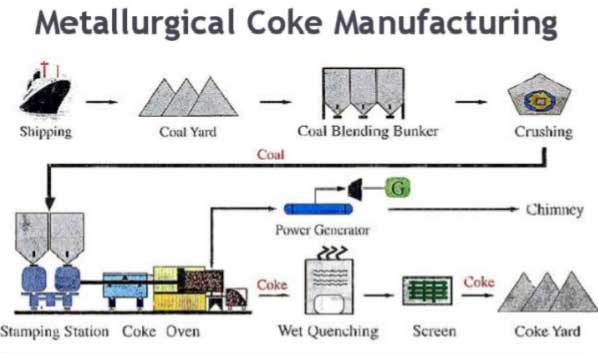
Key Highlights
- Standard Density Ranges: Coal tar densities typically range between 1.14–1.25 g/cm³ for coke-oven coal tar, regardless of the coking method.
- Impact Factors: The density of coal tar is predominantly governed by the carbonization temperature and the nature of the coal, not by the charging technique.
- Stamped Charge Process: This process improves coal charge compaction and coke quality, but does not provide clear evidence that it produces a lighter coal tar compared to conventional processes.
Understanding Coal Tar Density
Coal tar is a complex byproduct generated during the coking process, which is used primarily in the production of metallurgical coke. Its density, a measure of mass per unit volume (usually expressed in g/cm³), is an important property that reflects its composition and production conditions. Across various coking methods, coal tar density is influenced by several factors. Chief among these are the temperature at which carbonization occurs and the type of coal used. In typical coke-oven operations, the density of coal tar is known to fall within the range of 1.14–1.25 g/cm³. Alternative processes, such as low-temperature coking or gasification, can yield coal tar with slightly different density profiles, generally ranging from 0.96 to 1.05 g/cm³ for low-temperature tar and 1.05 to 1.14 g/cm³ for gasification tar.
Stamped Charge Coking Process vs. Conventional Processes
The stamped charge coking process is a specialized method wherein coal is compacted into a high-density coal cake before being charged into the coke oven. This higher compaction – with typical densities achieving values around 800 to 1,189 kg/m³ – is designed to improve the quality of the final coke product. The enhanced density leads to better control over the coking environment, which in turn may influence the by-products’ properties, including coal tar.
Process Characteristics
Stamped Charge Approach
In stamped charge coking, the coal is mechanically compacted, leading to a uniformly dense charge. This method facilitates the use of coals that might be considered suboptimal for traditional coking due to their high volatility or poor inherent coking properties. Moreover, the integrity of the coal cake can enable more efficient heat transfer during coking, potentially affecting the thermal degradation pathways of the coal and the resulting chemical makeup of the by-products.
Conventional Coking Process
Traditional coking processes typically involve a less intense pre-compaction method for charging coal into the oven. While this still produces coal tar as a byproduct, the uniformity and density of the coal charge are generally lower compared to the stamped charge method. The overall differences in handling and thermal profiles between the two processes are more pronounced in the quality of the coke produced rather than in the intrinsic properties of the coal tar.
Analyzing Coal Tar Density in Both Processes
When assessing the density of coal tar from both the stamped charge and conventional coking processes, it is essential to consider that the density is primarily a function of external factors such as carbonization temperature and inherent coal composition. While the stamped charge method has been shown to improve the uniformity and density of the coal charge, this does not directly translate into a notable difference in the density of coal tar produced. Data consistently indicates that the density ranges for coke-oven coal tar remain similar even when derived from different coking methods, with typical figures falling within the 1.14 to 1.25 g/cm³ band.
Factors Influencing Coal Tar Density
The production conditions during the coking process have a significant impact on coal tar density. Though the stamped charge technique offers a more consistent and controlled coking environment, the following factors dominate the determination of coal tar density:
Carbonization Temperature
Elevated carbonization temperatures tend to induce further breakdown of complex organic molecules present in coal, affecting the molecular composition and density of the resulting coal tar. The degree of thermal cracking and subsequent reaction pathways are critical in establishing the final density.
Coal Composition
The type of coal used in the coking process also plays a pivotal role. Variations in the volatile matter and chemical make-up of the coal will influence the by-product distribution, including the yield and density of the coal tar.
Physical and Chemical Adjustments
Process modifications, such as the use of binders like coal tar pitch during the stamped charge process, can optimize the coal cake’s physical properties. However, while these modifications improve the coking process and enhance the quality of the final coke, they do not provide evidence for a significantly lighter coal tar in terms of density when compared with traditional methods.
Comparative Data on Coal Tar Density
To further elucidate the comparison, consider the following table summarizing the typical density ranges of coal tar based on processing conditions:
| Coal Tar Type | Density Range (g/cm³) | Typical Processing Condition |
|---|---|---|
| Coke-oven Coal Tar | 1.14 – 1.25 | High-temperature coking |
| Low-temperature Coal Tar | 0.96 – 1.05 | Low-temperature coking |
| Gasification Coal Tar | 1.05 – 1.14 | Coal gasification processes |
It is evident from the above table that while different coal tar types exhibit varying density ranges due to their processing environments, the key factor in maintaining these ranges is the thermal and chemical processing conditions rather than the method of coal charging. Therefore, despite the improved charging density achieved through the stamped charge method, there is no conclusive data to support that the resulting coal tar is lighter (i.e., has a lower density) than that produced via the conventional coking process.
Synthesis and Final Analysis
Integrating the available data and the process characteristics, it becomes apparent that the primary determinants for coal tar density are the carbonization temperature and the intrinsic properties of the coal utilized in the coking process. The improvements observed in coke quality and charge density via the stamped charge process do not fundamentally alter the chemical makeup that governs coal tar density. Secondarily, while the process may influence the amount or distribution of byproducts like coal tar, the resulting density values remain consistent within the expected ranges for coke-oven coal tar.
In conclusion, available research and data suggest that there is insufficient evidence to claim that coal tar produced via the stamped charge coking process is lighter than that from the usual coking process. The density profiles remain largely unchanged due to overriding factors such as carbonization conditions and coal quality, which are the primary influencers of coal tar density.
Conclusion and Final Thoughts
After a detailed analysis of the both the stamped charge coking process and conventional coking methods, it is clear that the difference in coal tar density is not primarily driven by the method of charging used. The stamped charge process, known for its improved coal charge density and coke quality, does not provide conclusive evidence for producing a lighter coal tar. Instead, the density of coal tar is predominantly determined by factors such as the carbonization temperature and the inherent properties of the coal used. Hence, based on current evidence and understanding, we cannot definitively state that coal tar from stamped charge coking is lighter than that from the traditional coking process.
References
- Coal Tar - PubChem
-
Stamped and pressed coal cakes for carbonisation in by-product coke production - ScienceDirect
-
Coal Tar Overview - ScienceDirect Topics
Recommended Further Exploration
 cokemaking.wordpress.com
Last updated February 24, 2025