
Unveiling the Illicit Path: The Chemical Transformation of Coca to Cocaine
An in-depth exploration of the hazardous and illegal process of cocaine production, its origins, and its profound societal impact.
This information is provided for educational and awareness purposes only. The production, distribution, and possession of cocaine are illegal in most parts of the world and carry severe legal consequences. The processes described involve extremely dangerous, toxic, and flammable chemicals, posing significant risks to health, safety, and the environment. This content does not endorse or encourage any illegal activity.
Key Insights into Cocaine Production
- Complex Chemical Journey: Cocaine synthesis is a multi-stage process that begins with harvesting leaves from the Erythroxylum coca plant and involves several chemical extractions and transformations.
- Extreme Dangers Involved: The manufacturing process utilizes volatile solvents, corrosive acids, and other toxic substances, leading to high risks of explosions, chemical burns, poisoning, and long-term health damage for those involved.
- Devastating Global Impact: Illicit cocaine production fuels deforestation, chemical pollution, organized crime, violence, corruption, and widespread public health crises related to addiction.
The Coca Leaf: Origin of a Notorious Alkaloid
The Erythroxylum Coca Shrub
Cocaine originates from the leaves of the Erythroxylum coca plant and its related species. These shrubs are primarily cultivated in the Andean regions of South America, with Colombia, Peru, and Bolivia being the most significant producers. The leaves naturally contain several alkaloids, the most prominent and psychoactive of which is cocaine, typically present in concentrations of 0.5% to 1% by dry weight. For centuries, indigenous Andean cultures have chewed coca leaves for their mild stimulant effects, to combat fatigue, hunger, and altitude sickness. However, the extraction and concentration of cocaine alkaloid transform it into a potent and highly addictive substance.
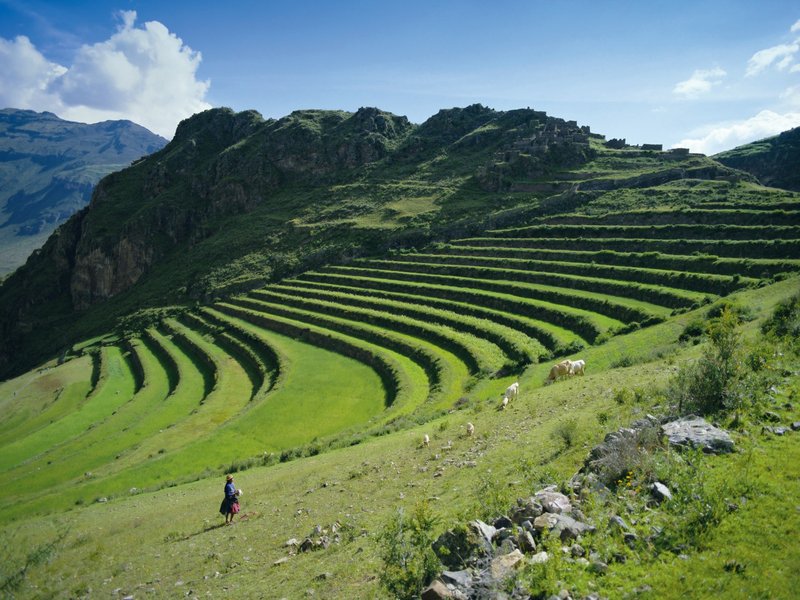
Agricultural terraces, similar to these near Cusco, Peru, are often used for coca cultivation in the Andean highlands.
From Harvest to Hydrochloride: The Stages of Illicit Cocaine Production
The transformation of coca leaves into powdered cocaine (cocaine hydrochloride) is a multi-step chemical process, typically carried out in clandestine, rudimentary laboratories often located in remote jungle areas. Each stage involves specific chemical treatments and carries significant risks.
Stage 1: Cultivation and Harvesting
Coca plants are typically grown in rural, often isolated, areas. Farmers, sometimes under duress or for economic survival, cultivate the plants, which mature over several months. The leaves are harvested by hand multiple times a year. A single plantation can contain thousands of plants, requiring significant manual labor.
Stage 2: Extraction of Coca Paste ("Paco")
This initial extraction aims to isolate the cocaine alkaloids from the bulky leaf material.
Maceration and Soaking
The harvested coca leaves are dried and then typically chopped or pulverized. They are then soaked and mashed in a pit or container with water and an alkaline substance, such as lime (calcium oxide), cement, or sodium carbonate. This alkaline environment helps to free the cocaine alkaloid from its salts within the leaf structure.
Solvent Extraction
An organic solvent, commonly gasoline, kerosene, or diesel fuel, is added to the mixture. The cocaine alkaloid, being soluble in organic solvents, dissolves into this liquid phase. The mixture is stirred or trampled for an extended period to ensure maximum extraction. Afterward, the solvent layer, now containing the dissolved cocaine alkaloids, is separated from the leaf residue and aqueous solution. This solvent is then often partially evaporated or filtered, resulting in a crude, impure, brownish substance known as coca paste (also called "paco" or "basuco"). Coca paste itself is sometimes smoked in some regions and is highly addictive and damaging.
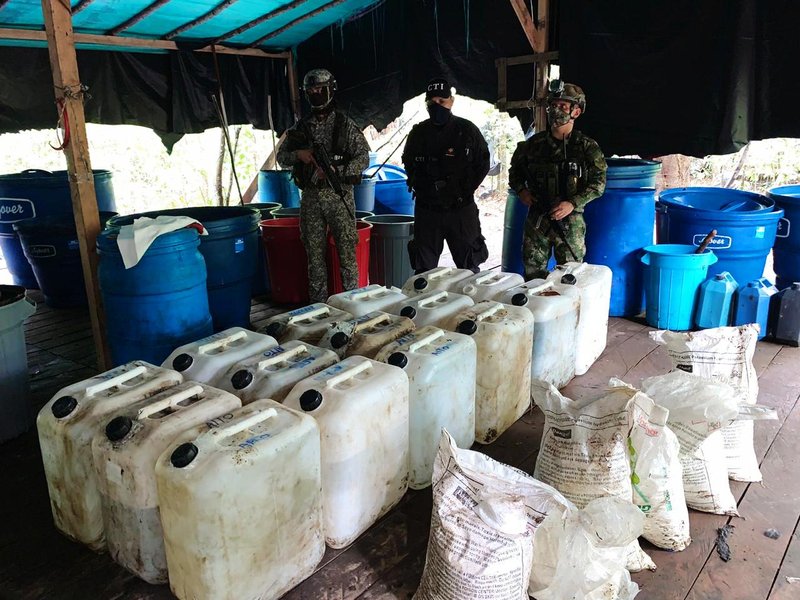
Remains of a clandestine cocaine laboratory, highlighting the rudimentary conditions and chemicals involved.
Stage 3: Refining to Cocaine Base
Coca paste is still quite impure, containing around 30-90% cocaine alkaloids along with other substances. The next step refines this paste into cocaine base.
Acidification and Purification
The coca paste is typically dissolved in an acidic solution, often dilute sulfuric acid or hydrochloric acid. This converts the cocaine alkaloid (a base) into its salt form, which is water-soluble. Many impurities, which are not soluble in acidic water, can then be filtered out. The acidic aqueous solution containing cocaine salt is then made alkaline again, often by adding ammonia or another strong alkali. This process causes the cocaine base to precipitate out of the solution as a solid. The solid cocaine base is then filtered and dried. This form is more pure than coca paste.
Stage 4: Conversion to Cocaine Hydrochloride (Powder Cocaine)
To produce the common white powder form of cocaine, cocaine hydrochloride, the cocaine base undergoes a final chemical conversion.
Salt Formation and Crystallization
The purified cocaine base is dissolved in a suitable organic solvent, such as acetone, ether, or methyl ethyl ketone. Hydrochloric acid (often concentrated or in gaseous form) is then carefully added to this solution. The hydrochloric acid reacts with the cocaine base to form cocaine hydrochloride, which is a salt. Cocaine hydrochloride is largely insoluble in these organic solvents and thus precipitates out as a crystalline solid. This solid is then filtered, washed (often with cold solvent to remove residual impurities), and dried thoroughly. The result is the familiar white, powdery substance known as cocaine hydrochloride, or "coke." The purity at this stage can be high, but it is often "cut" or diluted with other substances before street-level sale.
Stage 5: Creation of "Crack" Cocaine (Freebase Form)
Crack cocaine is a smokeable form of cocaine made by converting cocaine hydrochloride back into its freebase form, but through a simpler process than the initial base extraction.
Basification and Heating
Powdered cocaine hydrochloride is dissolved in water, and a base, typically baking soda (sodium bicarbonate) or sometimes ammonia, is added to the solution. This mixture is then heated, often boiled, until the cocaine freebase separates as an oily substance. Upon cooling, this substance solidifies and can be broken into small, rock-like pieces ("rocks"). This process removes the hydrochloride component, lowering the vaporization point and allowing it to be smoked for a rapid and intense high. This form is particularly addictive.
The Chemical Arsenal: Substances Used in Cocaine Synthesis
The illicit production of cocaine relies on a range of hazardous chemicals, many of which are readily available but dangerous to handle. The specific chemicals can vary based on local availability and cost.
| Stage of Production | Key Chemicals Commonly Used | Purpose in the Process | Primary Hazards |
|---|---|---|---|
| Coca Leaf Maceration & Paste Extraction | Gasoline, Kerosene, Diesel Fuel, Lime (Calcium Oxide), Cement, Sodium Carbonate, Water | Soak leaves, free alkaloid, dissolve cocaine base | Highly flammable, toxic fumes, skin irritants, environmental contamination |
| Cocaine Base Refinement | Sulfuric Acid, Hydrochloric Acid (dilute), Ammonia, Potassium Permanganate (sometimes used as an oxidizer for impurities) | Dissolve paste, remove impurities, precipitate cocaine base | Corrosive, toxic fumes, strong oxidizer (KMnO4), potential for violent reactions |
| Cocaine Hydrochloride Production | Acetone, Ether, Methyl Ethyl Ketone (MEK), Toluene, Hydrochloric Acid (concentrated) | Dissolve cocaine base, react to form salt, crystallize product | Highly flammable, volatile, toxic fumes, irritant, explosive potential (ether peroxides) |
| "Crack" Cocaine Production | Cocaine Hydrochloride, Water, Baking Soda (Sodium Bicarbonate), Ammonia | Convert cocaine HCl to freebase form for smoking | Product is highly addictive; process involves heating chemicals. |
Note: The use of potassium permanganate has been targeted by international controls, leading traffickers to seek alternatives or adapt methods.
A Web of Dangers: Visualizing the Risks in Cocaine Production
The entire lifecycle of cocaine production is fraught with multifaceted risks, impacting individuals involved in production, traffickers, end-users, and entire communities and ecosystems. The following chart provides an illustrative conceptualization of these risk categories. The values are not based on precise data but aim to represent the relative severity and interplay of different dangers associated with various roles within the illicit cocaine trade.
This chart visualizes how different groups involved in or affected by cocaine production face varying degrees of risk across several domains, from direct physical harm due to chemicals and violence to severe legal consequences and broad environmental degradation.
Mapping the Illicit Network: From Plant to Street
The production of cocaine is not merely a series of chemical steps but an intricate ecosystem involving various inputs, processes, outputs, and far-reaching consequences. This mindmap illustrates the interconnected elements of this illicit trade.
Erythroxylum coca leaves
Water"] id1_2["Chemicals"] id1_2_1["Solvents
(Gasoline, Kerosene, Acetone, Ether)"] id1_2_2["Acids
(Sulfuric Acid, Hydrochloric Acid)"] id1_2_3["Bases/Alkalis
(Lime, Cement, Ammonia, Baking Soda)"] id1_3["Labor
(Often exploited or coerced)"] id1_4["Equipment
(Rudimentary tools, containers, heating sources)"] id2["Processes"] id2_1["Cultivation & Harvesting
(Agricultural phase)"] id2_2["Extraction to Coca Paste
(Initial alkaloid isolation)"] id2_3["Refinement to Cocaine Base
(Purification step)"] id2_4["Conversion to Cocaine HCl
(Powder cocaine formation)"] id2_5["Production of Crack Cocaine
(Freebase form for smoking)"] id2_6["Adulteration/Cutting
(Dilution for profit)"] id3["Outputs"] id3_1["Coca Paste ('Paco')"] id3_2["Cocaine Base"] id3_3["Cocaine Hydrochloride (Powder)"] id3_4["Crack Cocaine (Rocks)"] id3_5["Chemical Waste & Pollution"] id4["Consequences"] id4_1["Legal
Arrests, Imprisonment, Asset Forfeiture"] id4_2["Health (Producers & Users)
Toxicity, Burns, Addiction, Overdose, Organ Damage"] id4_3["Environmental
Deforestation, Soil Erosion, Water Contamination"] id4_4["Socio-Economic
Violence, Corruption, Displacement, Public Health Burden, Economic Instability in regions"]
This mindmap provides a structured overview of the complex web surrounding cocaine production, from the raw materials to the devastating societal repercussions.
A Glimpse into Cocaine's Chemical Past
The First Synthesis
While illicit cocaine production overwhelmingly relies on extraction from coca leaves due to cost and scale, cocaine has also been synthesized entirely in laboratories. The first total synthesis of cocaine was a landmark achievement in organic chemistry, accomplished by the German chemist Richard Martin Willstätter in 1901. His work, for which he later received the Nobel Prize in Chemistry (though for other research, primarily on plant pigments), not only confirmed the complex structure of the cocaine molecule but also demonstrated the power of synthetic organic chemistry. The Willstätter synthesis was a multi-step, intricate process. He also completed the first synthesis of (-)-cocaine, the naturally occurring isomer, in 1903. These synthetic routes are far too complex and economically unviable for large-scale illicit production, which continues to depend on the coca plant as its primary raw material.
The Reality of Street Cocaine: Dilution and Deception
Cutting Agents and Adulterants
The cocaine powder sold on the street is rarely pure cocaine hydrochloride. To increase volume and maximize profits, traffickers and dealers "cut" or adulterate cocaine with a variety of substances. Common cutting agents can range from relatively harmless inactive powders like baking soda, lactose, talcum powder, or cornstarch, to local anesthetics like lidocaine or benzocaine that mimic cocaine's numbing effect. More dangerously, cocaine can be adulterated with other psychoactive substances, including amphetamines, or highly potent and dangerous drugs like levamisole (an anti-parasitic drug with its own side effects, including agranulocytosis) or fentanyl (a powerful synthetic opioid that significantly increases the risk of fatal overdose). These adulterants not only reduce the purity of the drug but also introduce additional, often unpredictable, health risks for users.
Beyond the Chemistry: The Devastating Impact
The consequences of illicit cocaine production extend far beyond the chemical processes and the individuals directly involved in its manufacture or use. The global cocaine trade has profound and destructive effects on societies, economies, and the environment.
Environmental Toll
Large-scale coca cultivation is a significant driver of deforestation in fragile Andean ecosystems, leading to loss of biodiversity and soil erosion. The clearing of land for coca fields, often in national parks or protected areas, destroys vital habitats. Furthermore, the chemicals used in cocaine processing – including solvents, acids, and bases – are frequently dumped indiscriminately into the soil and waterways, causing severe pollution, harming aquatic life, and contaminating water sources used by local communities.
The Human Cost
Individuals involved in coca farming and cocaine processing, often impoverished and with few alternatives, face exploitation, dangerous working conditions, and constant exposure to toxic chemicals. The illicit drug trade fuels violence, corruption, and instability in producing and transit countries. Criminal organizations involved in the cocaine trade engage in turf wars, intimidation, and bribery, undermining governance and public safety. On a global scale, cocaine addiction leads to devastating public health crises, tearing apart families, overwhelming healthcare systems, and contributing to a cycle of crime and suffering.
This video discusses the "industrialization" of cocaine production and its significant role in the drug's global impact, highlighting the scale of the issue.
Frequently Asked Questions About Cocaine Production
Is it possible to make cocaine entirely synthetically, without coca leaves?
Yes, cocaine was first fully synthesized in a laboratory by Richard Martin Willstätter in 1901. However, synthetic routes are very complex, multi-step processes that are not economically feasible for large-scale illicit production. The overwhelming majority of cocaine available on the illegal market is derived from the extraction of alkaloids from coca leaves due to the relative ease and lower cost of this method compared to total synthesis.
What are the main countries involved in coca cultivation for cocaine production?
The primary coca cultivating countries, which subsequently are the main sources of illicit cocaine, are located in the Andean region of South America. These are principally Colombia, Peru, and Bolivia. Colombia has historically been the largest producer of cocaine.
Why is the process of making cocaine considered so dangerous?
Cocaine production is extremely dangerous for several reasons:
- Toxic Chemicals: It involves handling corrosive acids (like sulfuric acid), strong bases (like ammonia), and highly toxic and flammable organic solvents (like gasoline, kerosene, ether, and acetone). Exposure can cause severe burns, respiratory damage, neurological problems, and poisoning.
- Risk of Explosions and Fires: Many solvents used are highly volatile and flammable. Rudimentary lab setups, often with open flames or poor ventilation, create a high risk of explosions and fires.
- Unregulated Conditions: Clandestine labs lack safety protocols, proper equipment, and trained personnel, increasing the likelihood of accidents.
- Environmental Contamination: Waste chemicals are often dumped improperly, polluting the environment and posing risks to nearby communities.
What is the chemical difference between cocaine hydrochloride (powder) and "crack" cocaine?
Cocaine hydrochloride is the salt form of cocaine (cocaine HCl). It is a white powder that is typically snorted or injected. It is water-soluble but decomposes at high temperatures, making it unsuitable for smoking.
"Crack" cocaine is the freebase form of cocaine. It is produced by chemically converting cocaine hydrochloride back into its base form, usually by dissolving it in water with baking soda and heating it. This process removes the hydrochloride. The resulting solid "rocks" have a lower melting/vaporization point, allowing them to be smoked. Smoking delivers the drug to the brain much faster than snorting, leading to a quicker, more intense, but shorter-lasting high, which contributes to its high addictive potential.
Explore Further
- What are the long-term health effects of cocaine use?
- How does international law address cocaine trafficking?
- What are the environmental consequences of coca cultivation in South America?
- What treatment options are available for cocaine addiction?
References
Last updated May 6, 2025