
Revolutionizing Cocoa: How Bioreactors are Enhancing Farm-Level Fermentation Quality
Exploring the advanced technology transforming traditional cocoa processing for superior chocolate.
The journey from cocoa bean to chocolate bar is a complex one, with fermentation being a critical stage that significantly influences the final flavor and quality. Traditionally, cocoa fermentation at the farm level relies on methods like heaps or wooden boxes, which, while time-honored, can lead to inconsistencies. Enter bioreactors: sophisticated systems designed to provide a controlled environment, promising to elevate cocoa quality, enhance efficiency, and offer new avenues for sustainable cocoa production.
Key Insights: Upgrading Cocoa Fermentation
- Enhanced Control: Bioreactors allow precise management of temperature, aeration, and pH, leading to more uniform and predictable fermentation outcomes.
- Improved Quality & Efficiency: By optimizing conditions, bioreactors can reduce fermentation time, minimize spoilage, and develop superior flavor precursors in cocoa beans.
- Sustainability & Innovation: Bioreactor technology supports sustainable practices by reducing waste and opens doors to novel approaches like cell-based cocoa production.
The Challenge with Traditional Cocoa Fermentation
Cocoa fermentation is a spontaneous process driven by a succession of microorganisms, primarily yeasts, lactic acid bacteria (LAB), and acetic acid bacteria (AAB). In traditional farm-level practices, freshly harvested cocoa beans, surrounded by their mucilaginous pulp, are typically fermented in heaps on the ground (often covered with banana leaves) or in wooden boxes. While these methods are simple and low-cost, they present several challenges:
- Variable Conditions: Exposure to fluctuating ambient temperatures, humidity, and uncontrolled microbial populations leads to inconsistent fermentation. This variability can significantly impact the final flavor profile of the chocolate.
- Temperature Management: Achieving and maintaining the optimal temperature range (typically 45°C to 50°C) is difficult. Overheating can kill beneficial microbes, while insufficient heat can slow down or halt fermentation.
- Aeration Issues: Proper aeration is crucial, especially for the acetic acid bacteria phase. Manual turning in heaps or boxes can be inconsistent, leading to anaerobic spots or uneven fermentation.
- pH Fluctuations: The pH of the fermenting mass changes dynamically. Traditional methods offer little control over these shifts, which can affect microbial activity and enzyme action. Optimal fermentation generally sees pH drop from around 6.5 to approximately 4.5-5.5.
- Microbial Unpredictability: The natural microflora initiating fermentation can vary greatly depending on the farm's location, hygiene practices, and the specific cocoa variety. This unpredictability makes it challenging to achieve a consistent product.
- Contamination Risks: Open or semi-open systems are more susceptible to contamination by undesirable microorganisms, leading to off-flavors or spoilage.
These challenges often result in a heterogeneous batch of beans with varying degrees of fermentation, impacting the overall quality and market value of the cocoa.
Bioreactors: A Technological Leap for Cocoa Fermentation
Bioreactors offer a solution to many of the inconsistencies found in traditional cocoa fermentation. These are essentially controlled vessels designed to optimize the conditions for microbial activity, thereby enhancing the development of crucial flavor precursors.
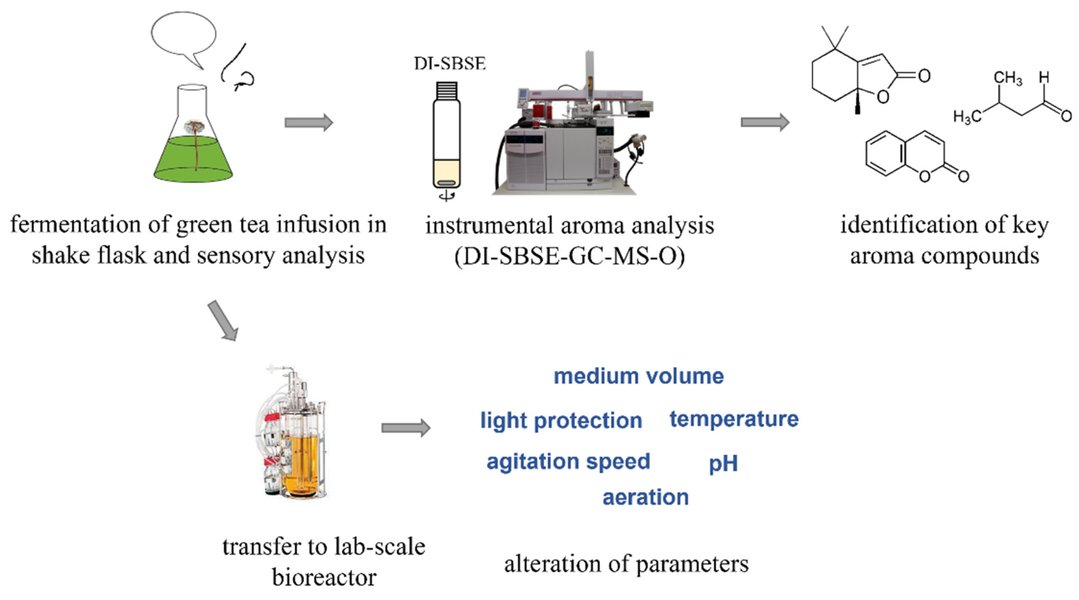
An example of a controlled fermentation setup, illustrating the principles applied in bioreactor design for cocoa.
Core Principles and Design Features
Farm-level bioreactors are engineered to provide a stable and optimized environment. Key features often include:
- Material and Insulation: Many designs utilize materials like wood, which provides good natural insulation. This helps maintain the critical temperature range of 45°C to 50°C, crucial for the metabolic activity of the desired microbial consortia.
- Temperature Control: Some advanced bioreactors incorporate heating or cooling elements and sensors (like ESP32-based systems) to precisely regulate temperature, preventing overheating or under-heating which can impair fermentation.
- Aeration Systems: Controlled aeration is vital. Bioreactors can feature systems for introducing air at specific stages, particularly for the aerobic acetic acid bacteria. This might involve forced air or mechanisms for efficient mixing.
- Mixing and Turning: To ensure homogeneity and adequate oxygen exposure throughout the bean mass, bioreactors may include baffles or automated/manual turning mechanisms. This is an improvement over manual turning in heaps, which can be labor-intensive and inconsistent.
- Drainage: Proper drainage of the "sweatings" (liquid by-product rich in sugars and acids) is important. Bioreactors often have perforated bottoms and collection systems to manage this liquid, preventing waterlogging which can lead to undesirable microbial growth.
- Capacity: Designs are scalable, with models suitable for small to medium-scale farmers, typically handling batches from 25 kg to 100 kg or more. This ensures efficient processing even for smaller harvests.
The Science of Controlled Fermentation in Bioreactors
The fermentation process in a bioreactor follows the same fundamental microbial succession as traditional methods, but with enhanced control:
- Yeast Phase (Anaerobic): Initially, yeasts (e.g., Saccharomyces cerevisiae) thrive in the anaerobic, sugar-rich pulp. They convert sugars into ethanol and carbon dioxide, and produce various aromatic compounds. The heat generated helps raise the temperature of the bean mass.
- Lactic Acid Bacteria (LAB) Phase (Microaerophilic): As conditions become more acidic and ethanol levels rise, LAB (e.g., Lactobacillus species) become active. They convert sugars and citric acid into lactic acid, further lowering the pH and contributing to flavor development.
- Acetic Acid Bacteria (AAB) Phase (Aerobic): With increased aeration (often facilitated by mixing in bioreactors), AAB (e.g., Acetobacter species) oxidize the ethanol produced by yeasts into acetic acid. This reaction generates significant heat, further raising the temperature to levels that kill the cocoa bean embryo, halting germination and initiating crucial biochemical changes within the bean that develop flavor precursors.
Bioreactors allow for the precise monitoring of these phases through sensors for temperature, pH, and sometimes even gas composition. This control helps ensure each microbial group performs its role optimally.
Impact on Cocoa Quality and Flavor Profile
The controlled environment within a bioreactor has a profound impact on the final quality of the cocoa beans:
- Consistency: By minimizing environmental variables, bioreactors produce more uniform batches of fermented beans, reducing the batch-to-batch variability common in traditional methods.
- Flavor Development: Optimal conditions promote the development of desirable flavor precursors. Studies have shown that beans fermented in bioreactors can exhibit balanced profiles, with reduced bitterness and astringency, and enhanced fruity, floral, or nutty notes. Specific compounds like gallic acid, epicatechin, theobromine, and caffeine, which contribute to the sensory and health properties of cocoa, can be more consistently managed.
- Reduction of Defects: Controlled aeration and temperature prevent the growth of mold and undesirable bacteria, reducing defects like off-flavors (e.g., hammy, moldy) and under-fermented or over-fermented beans.
- Efficiency: Fermentation times can often be reduced, sometimes from the traditional six days to around four days, while still achieving high fermentation indices (e.g., up to 99% fully fermented beans).
Quality fermentation, achievable with bioreactors, is key to producing premium cocoa beans.
Comparing Traditional vs. Bioreactor Fermentation
The advantages of bioreactors become clearer when directly compared to traditional fermentation methods. The following table summarizes key differences:
| Feature | Traditional Fermentation (Heap/Box) | Bioreactor Fermentation |
|---|---|---|
| Control of Environment | Low; highly dependent on ambient conditions and manual intervention. | High; parameters like temperature, aeration, and pH can be precisely managed. |
| Consistency | Often variable, leading to heterogeneous bean quality. | Significantly improved, resulting in more uniform fermentation. |
| Fermentation Time | Typically 5-7 days, can vary. | Can be reduced, often to 4-5 days, with optimal microbial activity. |
| Bean Quality | Risk of defects (e.g., mold, acidity issues, under/over-fermentation). | Enhanced flavor precursor development, reduced defects, higher overall quality. |
| Microbial Management | Relies on spontaneous, naturally occurring microbiota; risk of undesirable strains. | Allows for controlled inoculation with starter cultures, promoting beneficial microbes. |
| Labor & Monitoring | Requires regular manual turning and subjective assessment. | Can incorporate automated mixing and sensor-based monitoring, reducing manual labor. |
| Scalability | Simple to scale up in volume but difficult to maintain consistency at larger scales. | Modular designs can be adapted for various farm sizes, maintaining control. |
| Initial Cost | Low for basic setups (e.g., heaps, simple boxes). | Higher initial investment for equipment and potentially sensors. |
| Technical Skill Required | Relies on traditional knowledge and experience. | Requires some technical understanding for operation and maintenance. |
This comparison highlights the potential of bioreactors to standardize and improve a crucial step in the cocoa value chain, particularly benefiting farmers aiming for premium markets.
Visualizing Fermentation Control: Bioreactors vs. Traditional Methods
To better understand the advantages of bioreactors, the following radar chart compares key aspects of cocoa fermentation control between traditional methods and bioreactor systems. Higher scores (further from the center) indicate better performance or control in that specific aspect.
As the chart illustrates, bioreactors offer superior control over most critical fermentation parameters, leading to higher consistency and efficiency compared to traditional methods which often rely on less predictable natural conditions.
Innovations and Future Prospects
The field of cocoa fermentation is continually evolving, with bioreactor technology at the forefront of several exciting developments:
Starter Cultures
One of the most significant advancements is the use of defined starter cultures. By inoculating the cocoa pulp with specific strains of yeasts and bacteria known for their positive contributions to flavor development, farmers can achieve more predictable and desirable fermentation outcomes. Bioreactors provide the ideal environment for these starter cultures to thrive and dominate the fermentation process.
Sensor Integration and Automation
Modern bioreactors are increasingly incorporating sensors to monitor key parameters in real-time. For example, ESP32 microcontrollers can be used to track temperature and humidity, providing data that can be used to adjust conditions automatically or alert the farmer to any deviations. This level of monitoring and control was previously unattainable in traditional farm-level fermentation. AI-driven models are also being developed to predict fermentation index and pH, further optimizing the process.
Cell-Based Cocoa Production
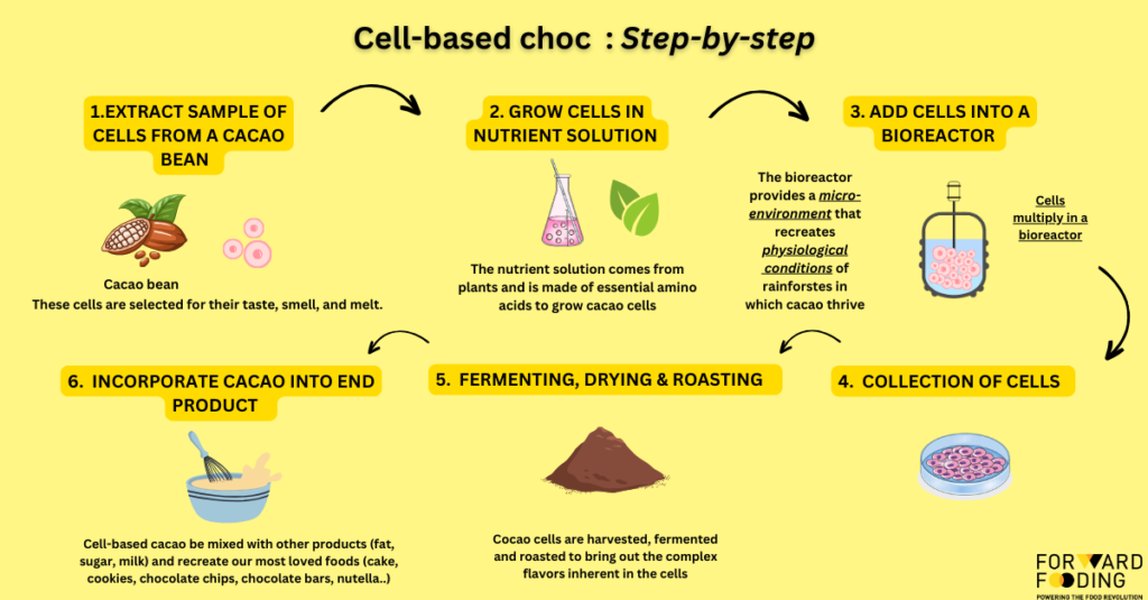
Beyond fermenting harvested beans, bioreactors are also pivotal in the emerging field of cell-based cocoa production. This involves cultivating cocoa plant cells in a nutrient-rich medium within a bioreactor. These cells can be stimulated to produce cocoa compounds like cocoa butter and cocoa solids. After harvesting, these cell-derived products can then undergo a controlled fermentation and roasting process, similar to traditional beans. This technology offers a potential pathway to produce cocoa sustainably, independent of traditional agricultural constraints and climate change impacts.
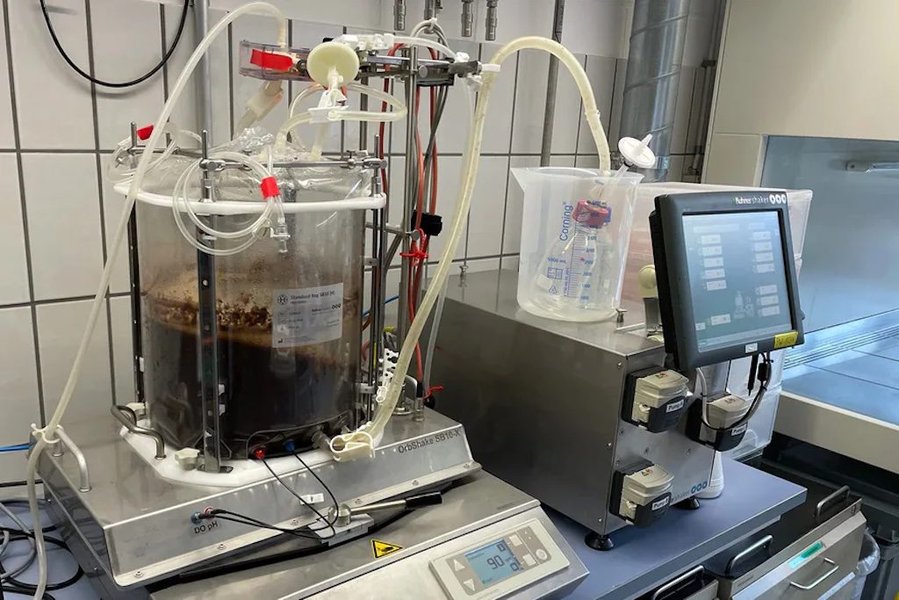
A bioreactor used in research for cultivating cocoa cells, highlighting the future potential of this technology.
Understanding the Cocoa Fermentation Ecosystem with Bioreactors
The following mindmap illustrates the key components and relationships in cocoa fermentation, emphasizing the role and benefits of using bioreactors at the farm level.
This mindmap shows how bioreactors address the challenges of traditional methods by providing a controlled system that optimizes various parameters critical for high-quality cocoa bean fermentation.
Practical Implementation and Challenges
While bioreactors offer significant advantages, their successful adoption at the farm level involves certain considerations:
- Initial Investment: The cost of purchasing or constructing a bioreactor, especially one with advanced sensors and controls, can be a barrier for some small-scale farmers. However, simpler, cost-effective designs are also being developed.
- Technical Know-How: Operating and maintaining a bioreactor effectively requires a degree of technical knowledge. Farmers need training on how to manage the fermentation parameters, monitor the process, and troubleshoot any issues.
- Adaptation to Local Contexts: Bioreactor designs and protocols may need to be adapted to specific local conditions, including climate, cocoa varieties, and available resources.
- Support Systems: Successful technology transfer often requires support from research institutions, agricultural extension services, and cooperatives to provide training, technical assistance, and access to necessary inputs like starter cultures.
Despite these challenges, the potential benefits in terms of improved quality, consistency, and market access make bioreactors a promising technology for the future of cocoa farming.
This video demonstrates the construction of a fermentation box, a step towards more controlled on-farm cocoa processing, sharing principles with bioreactor design.
Frequently Asked Questions (FAQ)
Recommended Further Queries
- What are the specific microbial starter cultures used in cocoa fermentation bioreactors?
- How does cell-based cocoa production in bioreactors compare to traditional cocoa farming in terms of sustainability?
- What are the cost-benefit analyses for smallholder farmers adopting cocoa bioreactor technology?
- How does the chemical profile of cocoa beans differ when fermented in bioreactors versus traditional methods?
References
- Bioreactor for quality cocoa fermentation at farm level - ResearchGate
- Effect of Fermentation Methods and Turning Interval on the Quality of Cocoa - SpringerLink
- Building the capacity of small scale cocoa farmers to conduct on-farm fermentation - Academia.edu
- Factors affecting cacao fermentation at the farm scale - MyFoodResearch
- IoT Based Temperature and Humidity Monitoring System for Cocoa Fermentation Bioreactor using ESP32 - IEEE Xplore
- Mini-Bioreactor and Mini-Dryer for Processing Small Quantities of Cocoa - Google Patents
- New fermentation and roasting processes for cocoa beans - Italian Food Tech
Revolutionizing Cocoa: How Bioreactors are Enhancing Farm-Level Fermentation Quality
Exploring the advanced technology transforming traditional cocoa processing for superior chocolate.
The journey from cocoa bean to chocolate bar is a complex one, with fermentation being a critical stage that significantly influences the final flavor and quality. Traditionally, cocoa fermentation at the farm level relies on methods like heaps or wooden boxes, which, while time-honored, can lead to inconsistencies. Enter bioreactors: sophisticated systems designed to provide a controlled environment, promising to elevate cocoa quality, enhance efficiency, and offer new avenues for sustainable cocoa production.
Key Insights: Upgrading Cocoa Fermentation
- Enhanced Control: Bioreactors allow precise management of temperature, aeration, and pH, leading to more uniform and predictable fermentation outcomes.
- Improved Quality & Efficiency: By optimizing conditions, bioreactors can reduce fermentation time, minimize spoilage, and develop superior flavor precursors in cocoa beans.
- Sustainability & Innovation: Bioreactor technology supports sustainable practices by reducing waste and opens doors to novel approaches like cell-based cocoa production.
The Challenge with Traditional Cocoa Fermentation
Cocoa fermentation is a spontaneous process driven by a succession of microorganisms, primarily yeasts, lactic acid bacteria (LAB), and acetic acid bacteria (AAB). In traditional farm-level practices, freshly harvested cocoa beans, surrounded by their mucilaginous pulp, are typically fermented in heaps on the ground (often covered with banana leaves) or in wooden boxes. While these methods are simple and low-cost, they present several challenges:
- Variable Conditions: Exposure to fluctuating ambient temperatures, humidity, and uncontrolled microbial populations leads to inconsistent fermentation. This variability can significantly impact the final flavor profile of the chocolate. Achieving good fermentation typically requires a minimum volume of wet beans, such as 25 kg, to generate sufficient heat.
- Temperature Management: Achieving and maintaining the optimal temperature range (typically 45°C to 50°C) is difficult. Temperatures closer to 50°C generally yield better quality dried cocoa. However, uncontrolled processes can lead to overheating, which can kill beneficial microbes, or insufficient heat, which can slow down or halt fermentation.
- Aeration Issues: Proper aeration is crucial, especially for the acetic acid bacteria phase. Manual turning in heaps or boxes can be inconsistent, leading to anaerobic spots or uneven fermentation.
- pH Fluctuations: The pH of the fermenting mass changes dynamically, typically dropping from an initial pH of around 6.5 to a final pH of approximately 4.5–5.5. Traditional methods offer little control over these shifts, which can affect microbial activity and enzyme action.
- Microbial Unpredictability: The natural microflora initiating fermentation can vary greatly depending on the farm's location, hygiene practices, and the specific cocoa variety. This unpredictability makes it challenging to achieve a consistent product.
- Contamination Risks: Open or semi-open systems are more susceptible to contamination by undesirable microorganisms, leading to off-flavors or spoilage.
These challenges often result in a heterogeneous batch of beans with varying degrees of fermentation, impacting the overall quality and market value of the cocoa.
Bioreactors: A Technological Leap for Cocoa Fermentation
Bioreactors offer a solution to many of the inconsistencies found in traditional cocoa fermentation. These are essentially controlled vessels designed to optimize the conditions for microbial activity, thereby enhancing the development of crucial flavor precursors.
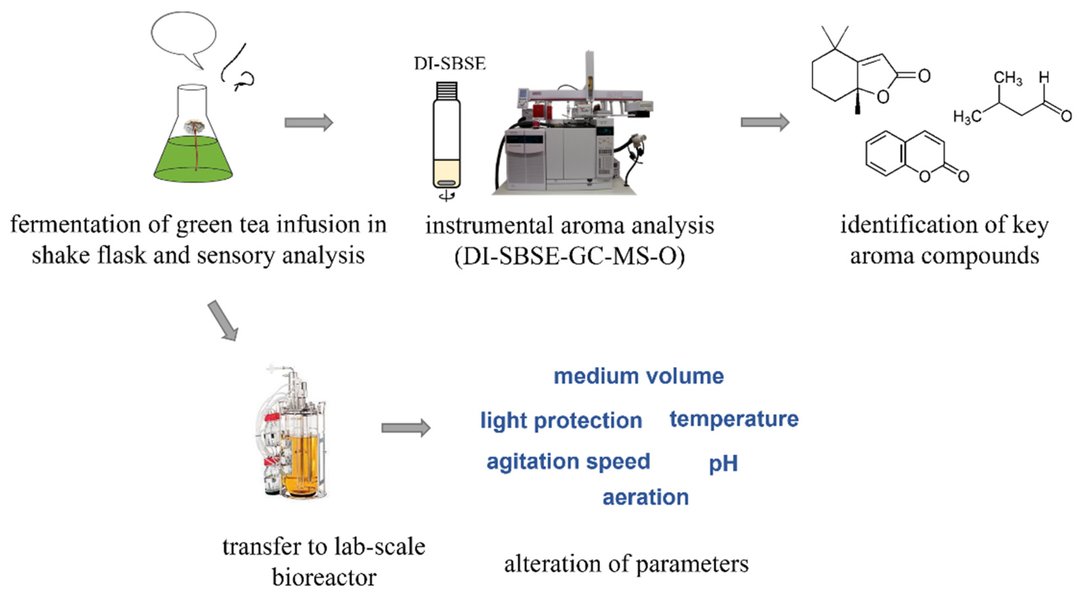
An example of a controlled fermentation setup, illustrating the principles applied in bioreactor design for cocoa.
Core Principles and Design Features
Farm-level bioreactors are engineered to provide a stable and optimized environment. Key features often include:
- Material and Insulation: Many designs utilize materials like wood, which provides good natural insulation. This helps maintain the critical temperature range of 45°C to 50°C, crucial for the metabolic activity of the desired microbial consortia.
- Temperature Control: Some advanced bioreactors incorporate heating or cooling elements and sensors (like ESP32-based systems) to precisely regulate temperature, preventing overheating or under-heating which can impair fermentation. The aim is to keep temperatures within the optimal 35-50°C range, often stabilizing closer to 50°C for best results.
- Aeration Systems: Controlled aeration is vital. Bioreactors can feature systems for introducing air at specific stages, particularly for the aerobic acetic acid bacteria. This might involve forced air or mechanisms for efficient mixing.
- Mixing and Turning: To ensure homogeneity and adequate oxygen exposure throughout the bean mass, bioreactors may include baffles or automated/manual turning mechanisms. Intermittent mixing, for example, every 24 hours, enhances oxygen availability.
- Drainage: Proper drainage of the "sweatings" (liquid by-product rich in sugars and acids) is important. Bioreactors often have perforated bottoms and collection systems to manage this liquid, preventing waterlogging which can lead to undesirable microbial growth.
- Capacity: Designs are scalable, with models suitable for small to medium-scale farmers, typically handling batches from 25 kg to around 60-100 kg or more. This ensures efficient processing even for smaller harvests.
The Science of Controlled Fermentation in Bioreactors
The fermentation process in a bioreactor follows the same fundamental microbial succession as traditional methods, but with enhanced control over critical physicochemical parameters:
- Yeast Phase (Anaerobic): Initially, yeasts (e.g., Saccharomyces cerevisiae) thrive in the anaerobic, sugar-rich pulp. They convert sugars into ethanol and carbon dioxide, and produce various aromatic compounds. The heat generated helps raise the temperature of the bean mass.
- Lactic Acid Bacteria (LAB) Phase (Microaerophilic): As conditions become more acidic and ethanol levels rise, LAB (e.g., Lactobacillus species) become active. They convert sugars and citric acid into lactic acid, further lowering the pH and contributing to flavor development.
- Acetic Acid Bacteria (AAB) Phase (Aerobic): With increased aeration (often facilitated by mixing in bioreactors), AAB (e.g., Acetobacter species) oxidize the ethanol produced by yeasts into acetic acid. This reaction generates significant heat, further raising the temperature to levels that kill the cocoa bean embryo, halting germination and initiating crucial biochemical changes within the bean that develop flavor precursors.
Bioreactors allow for the precise monitoring of these phases through sensors for temperature, pH, and sometimes even gas composition. Monitoring parameters like residual sugars, alcohol and acid production, polyphenols, and alkaloids throughout the process helps ensure optimal conditions. For example, one study reported ethanol production around 10.0 mg/g and acid levels of 0.22% in a bioreactor system.
Impact on Cocoa Quality and Flavor Profile
The controlled environment within a bioreactor has a profound impact on the final quality of the cocoa beans:
- Consistency: By minimizing environmental variables, bioreactors produce more uniform batches of fermented beans, reducing the batch-to-batch variability common in traditional methods.
- Flavor Development: Optimal conditions promote the development of desirable flavor precursors. Studies have shown that beans fermented in bioreactors can exhibit balanced profiles, with reduced bitterness and astringency, and enhanced fruity, floral, or nutty notes. Specific compounds like gallic acid (e.g., 3.4 mg/g), epicatechin (e.g., 0.77 mg/g), theobromine (e.g., 0.10 mg/g), and caffeine (e.g., 0.31 mg/g), which contribute to the sensory and health properties of cocoa, can be more consistently managed.
- Reduction of Defects: Controlled aeration and temperature prevent the growth of mold and undesirable bacteria, reducing defects like off-flavors (e.g., hammy, moldy) and under-fermented or over-fermented beans.
- Efficiency: Fermentation times can often be reduced, sometimes from the conventional six days to about four days, while still achieving high fermentation indices (e.g., up to 99% fully fermented beans). This increased throughput can lead to improved revenues.
Quality fermentation, achievable with bioreactors, is key to producing premium cocoa beans, transforming them into the precursors of fine chocolate.
Comparing Traditional vs. Bioreactor Fermentation
The advantages of bioreactors become clearer when directly compared to traditional fermentation methods. The following table summarizes key differences:
| Feature | Traditional Fermentation (Heap/Box) | Bioreactor Fermentation |
|---|---|---|
| Control of Environment | Low; highly dependent on ambient conditions and manual intervention. | High; parameters like temperature, aeration, and pH can be precisely managed. |
| Consistency | Often variable, leading to heterogeneous bean quality. | Significantly improved, resulting in more uniform fermentation. |
| Fermentation Time | Typically 5-7 days, can vary. | Can be reduced, often to 4-5 days, with optimal microbial activity. |
| Bean Quality | Risk of defects (e.g., mold, acidity issues, under/over-fermentation). | Enhanced flavor precursor development, reduced defects, higher overall quality. |
| Microbial Management | Relies on spontaneous, naturally occurring microbiota; risk of undesirable strains. | Allows for controlled inoculation with starter cultures, promoting beneficial microbes. |
| Labor & Monitoring | Requires regular manual turning and subjective assessment. | Can incorporate automated mixing and sensor-based monitoring, reducing manual labor. |
| Post-Harvest Losses | Higher risk due to uncontrolled conditions and potential spoilage. | Reduced spoilage and off-flavors due to better process control. |
| Scalability | Simple to scale up in volume but difficult to maintain consistency at larger scales. | Modular designs can be adapted for various farm sizes (e.g., 60-100 kg batches), maintaining control. |
| Initial Cost | Low for basic setups (e.g., heaps, simple boxes). | Higher initial investment for equipment and potentially sensors. |
| Technical Skill Required | Relies on traditional knowledge and experience. | Requires some technical understanding and training for operation and maintenance. |
This comparison highlights the potential of bioreactors to standardize and improve a crucial step in the cocoa value chain, particularly benefiting farmers aiming for premium markets.
Visualizing Fermentation Control: Bioreactors vs. Traditional Methods
To better understand the advantages of bioreactors, the following radar chart compares key aspects of cocoa fermentation control between traditional methods and bioreactor systems. Higher scores (further from the center) indicate better performance or control in that specific aspect. Scores are on a 1-10 scale, where 10 represents optimal control/performance.
As the chart illustrates, bioreactors offer superior control over most critical fermentation parameters, leading to higher consistency and efficiency compared to traditional methods which often rely on less predictable natural conditions.
Innovations and Future Prospects in Cocoa Processing
The field of cocoa fermentation is continually evolving, with bioreactor technology at the forefront of several exciting developments aimed at improving quality, efficiency, and sustainability.
Use of Starter Cultures
One of the most significant advancements enabled by bioreactors is the effective use of defined starter cultures. By inoculating the cocoa pulp with specific strains of yeasts (e.g., Saccharomyces cerevisiae, Pichia kudriavzevii) and bacteria (e.g., Lactobacillus fermentum, Acetobacter pasteurianus) known for their positive contributions to flavor development, farmers can achieve more predictable and desirable fermentation outcomes. Bioreactors provide the ideal controlled environment for these starter cultures to thrive and dominate the fermentation process, steering it towards a consistent and high-quality product. This approach helps to modulate the production of volatile compounds responsible for the characteristic chocolate aroma and taste.
Sensor Integration and Automation for Precision Fermentation
Modern bioreactors are increasingly incorporating sensors to monitor key parameters in real-time. For example, ESP32 microcontrollers can be used to track temperature and humidity continuously. This data can then be used to make automatic adjustments to the fermentation conditions or alert the farmer to any deviations from the optimal profile. This level of monitoring and control, often referred to as precision fermentation, was previously unattainable in traditional farm-level fermentation. Furthermore, research is exploring AI-driven models to predict fermentation index and pH, which could further optimize the process and reduce manual oversight.
Cell-Based Cocoa Production: A Sustainable Alternative?
Beyond improving the fermentation of harvested cocoa beans, bioreactors are playing a crucial role in the innovative field of cell-based cocoa production. This groundbreaking approach involves cultivating cocoa plant cells (or genetically modified microbes) in a nutrient-rich medium within a bioreactor. These cells are grown and differentiated to produce key cocoa compounds like cocoa butter, cocoa solids, and specific flavor molecules. After harvesting, these cell-derived products can then undergo processes similar to traditional cocoa, including fermentation and roasting, to create ingredients for chocolate manufacturing. This technology holds the potential to offer a more sustainable source of cocoa, mitigating challenges related to climate change, deforestation, and disease pressure faced by conventional cocoa farming. While still in developmental stages, it represents a long-term vision for diversifying cocoa sourcing.
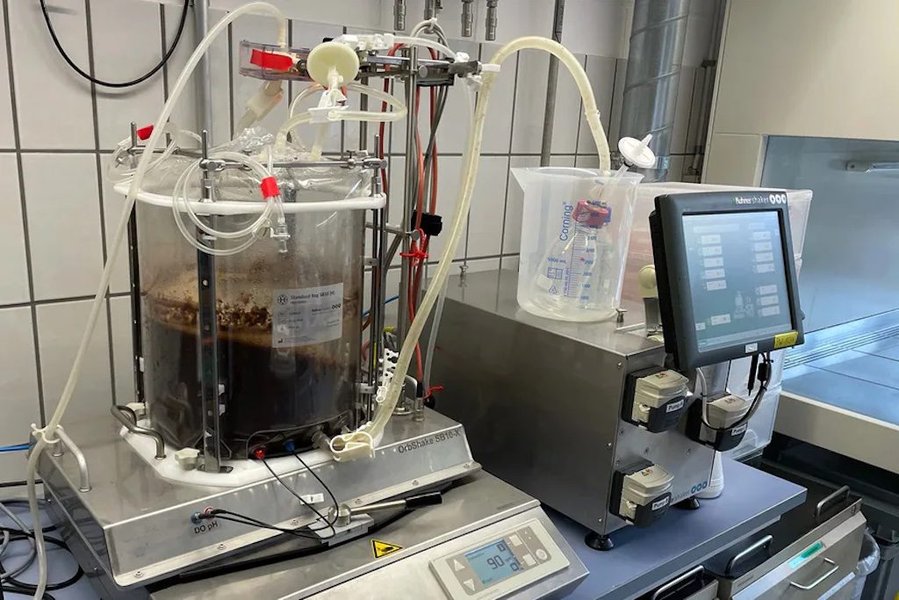
A laboratory bioreactor setup, indicative of the technology used for cell-based cocoa research, aiming to produce cocoa components sustainably.
Understanding the Cocoa Fermentation Ecosystem with Bioreactors
The following mindmap illustrates the key components and relationships in cocoa fermentation, emphasizing the role and benefits of using bioreactors at the farm level. This visual tool helps to contextualize how bioreactors integrate into and improve upon the traditional cocoa processing chain.
This mindmap highlights how bioreactors offer a structured approach to cocoa fermentation, addressing the inherent variabilities of traditional methods by enabling precise control over critical process parameters. This leads to significant improvements in the quality and consistency of cocoa beans, benefiting farmers and the chocolate industry.
Practical Implementation and Challenges
While bioreactors offer significant advantages for farm-level cocoa fermentation, their successful adoption involves certain considerations and hurdles:
- Initial Investment: The cost of purchasing or constructing a bioreactor, especially one with advanced sensors and automation features, can be a significant barrier for many small-scale farmers. Simpler, locally adaptable designs using materials like wood can be more accessible, but still represent an upfront cost.
- Technical Know-How and Training: Operating and maintaining a bioreactor effectively requires a new set of skills and technical understanding. Farmers need comprehensive training on how to manage the fermentation parameters (temperature, aeration, mixing), monitor the process, utilize starter cultures if applicable, and perform basic maintenance and troubleshooting. Support from research institutions and extension services is crucial for technology transfer.
- Adaptation to Local Contexts: Bioreactor designs and protocols developed in one region may not be directly transferable to another. They need to be adapted to specific local conditions, including prevailing climate, cocoa varieties, farm size, and available infrastructure and resources.
- Scalability for Diverse Farm Sizes: While designs can be modular, ensuring that bioreactors are efficiently scalable for very small holdings as well as larger cooperative-level operations is an ongoing challenge. The minimum batch size for effective fermentation (e.g., 25 kg) must still be met.
- Access to Support and Inputs: For optimal performance, especially when using starter cultures, farmers need reliable access to these inputs and ongoing technical support. This requires well-organized supply chains and advisory services.
- Perception and Acceptance: Introducing new technologies often requires overcoming traditional practices and skepticism. Demonstrating tangible benefits in terms of quality improvement and increased income is key to wider adoption.
Despite these challenges, collaborative efforts between research bodies, development organizations, and farmer groups are paving the way for more widespread and effective use of bioreactors in cocoa producing regions. The long-term benefits of enhanced quality, consistency, and potential for premium pricing make this technology a promising avenue for improving the livelihoods of cocoa farmers and the sustainability of the cocoa sector.
This video provides a practical guide on building a cacao fermentation box. While not a fully automated bioreactor, such improved boxes represent a step towards more controlled on-farm cocoa processing, sharing principles like insulation and defined volume that are foundational to bioreactor design.
Frequently Asked Questions (FAQ)
Recommended Further Queries
- How can smallholder cocoa farmers access and implement bioreactor technology effectively?
- What are the differences in sensory profiles of chocolate made from bioreactor-fermented versus traditionally fermented cocoa beans?
- Explore the latest advancements in sensor technology for monitoring cocoa fermentation in bioreactors.
- What is the environmental impact of using bioreactors for cocoa fermentation compared to traditional methods?
References
Last updated May 6, 2025