
Local Practices of Coconut Sugar Production in Villa Conseulo
Exploring Traditional Methods, Sustainability, and Cultural Heritage
Key Takeaways
- Traditional Techniques: Coconut sugar production in Villa Conseulo relies on age-old methods of sap collection and processing.
- Sustainability: The practice supports environmental sustainability by utilizing renewable coconut palm resources.
- Cultural Significance: The production process is deeply intertwined with the community's cultural and social fabric.
Introduction
Coconut sugar, an increasingly popular natural sweetener, is produced through the extraction and processing of sap from coconut palm trees. In Villa Conseulo, a locality renowned for its rich tradition in coconut cultivation, the production of coconut sugar is not merely an economic activity but a cornerstone of cultural heritage. This background study delves into the local practices of coconut sugar production in Villa Conseulo, examining the traditional techniques, sustainability measures, economic impact, and the cultural significance that binds the community together.
Background Study
Historical Context and Significance
Coconut sugar production in Villa Conseulo is a practice steeped in history, with methods passed down through generations. The coconut palm, a versatile and sustainable resource, has been integral to the community's livelihood for decades. The longstanding tradition of tapping coconut sap and transforming it into sugar reflects the community's ability to maintain and adapt indigenous knowledge in response to changing economic and environmental conditions.
Production Process
Sap Collection
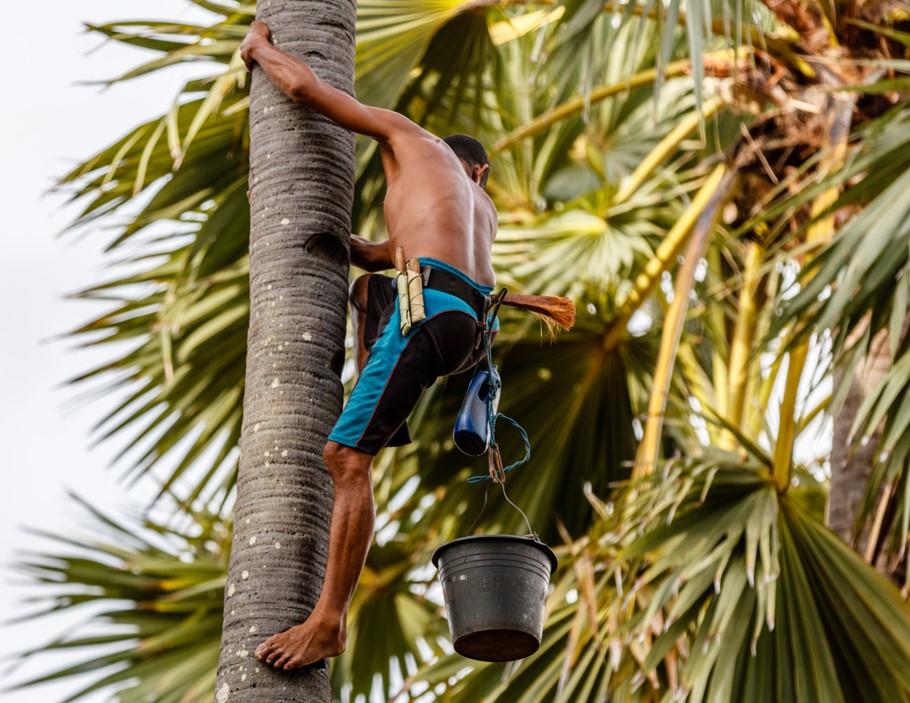
The first step in coconut sugar production involves the meticulous collection of sap from the coconut palm trees. In Villa Conseulo, farmers traditionally tap the flower buds of the coconut palms to extract the sap. This process requires skill and precision to ensure the tree remains healthy and productive. The sap is collected daily, typically during the early morning and late afternoon hours when the sap flow is most abundant. Bamboo containers are used to collect the sap, a practice that minimizes environmental impact and utilizes locally available materials.
Boiling and Evaporation
Once the sap is collected, it undergoes a boiling process to evaporate the water content. Large woks made from locally sourced materials are used for this purpose. The sap is heated over open flames, and continuous stirring is essential to prevent burning and ensure even concentration of sugars. The boiling process transforms the sap into a thick syrup, which can vary in color and consistency based on the duration and intensity of heating.
Crystallization and Granulation
After achieving the desired syrup consistency, the mixture is further heated to facilitate crystallization. The syrup is then poured into molds or allowed to cool and solidify naturally. Once cooled, the coconut sugar is sieved to achieve uniform granularity. This step is crucial for ensuring the quality and marketability of the final product. The granules of coconut sugar can range from light to dark brown, with variations influenced by the specific processing techniques employed.
Sustainability Practices
Sustainability is a cornerstone of coconut sugar production in Villa Conseulo. Coconut palm trees, capable of producing sap for up to 20 years, provide a renewable resource that supports long-term economic stability without the need for replanting. This is in stark contrast to other sugar production methods, such as sugarcane farming, which may require more intensive land use and replanting efforts.
The minimal use of machinery in the production process further contributes to its eco-friendly nature. Traditional methods rely on natural resources and manual labor, reducing the carbon footprint associated with more industrialized sugar production. Additionally, the practices employed ensure that the natural habitat surrounding coconut plantations is preserved, maintaining biodiversity and ecological balance.
Economic Impact
Coconut sugar production plays a significant role in the local economy of Villa Conseulo. It provides employment opportunities for farmers, artisans, and small-scale producers, fostering a sense of economic resilience within the community. The income generated from coconut sugar sales supports household livelihoods and stimulates local markets.
Moreover, the growing global demand for natural and organic sweeteners presents opportunities for market expansion. By adhering to traditional and sustainable production methods, Villa Conseulo can position its coconut sugar as a premium product in both domestic and international markets. This not only boosts local income but also enhances the community's economic standing.
Cultural Significance
Beyond its economic benefits, coconut sugar production is deeply embedded in the cultural identity of Villa Conseulo. The process is more than just an economic activity; it is a communal practice that fosters social cohesion and preserves cultural heritage. Daily routines of sap collection and sugar processing are intertwined with social interactions, strengthening community bonds.
Communal gatherings during sugar processing times serve as opportunities for sharing knowledge, traditions, and fostering a collective sense of purpose. This cultural integration ensures that the knowledge and skills associated with coconut sugar production are retained and transmitted to future generations, safeguarding the community's heritage.
Challenges and Opportunities
Challenges
Despite its many benefits, coconut sugar production in Villa Conseulo faces several challenges. Access to capital and modern equipment can be limited for small-scale producers, hindering the ability to scale operations and improve efficiency. Additionally, fluctuations in market demand and competition from other sweeteners can impact profitability.
Environmental factors, such as climate change and variability in sap yield, also pose risks to consistent production. Ensuring the health and productivity of coconut palm trees is paramount, requiring ongoing investment in sustainable agricultural practices and tree management.
Opportunities
The increasing global preference for natural and low-glycemic sweeteners presents a significant opportunity for Villa Conseulo's coconut sugar industry. By leveraging this trend, local producers can expand their market reach and diversify their income streams. Training programs and capacity-building initiatives can enhance local skills, enabling producers to adopt more efficient and sustainable practices.
Additionally, integrating traditional methods with modern technologies can improve production quality and efficiency without compromising cultural integrity. Innovations in packaging, branding, and distribution can also facilitate market expansion, making Villa Consuelo's coconut sugar more accessible to consumers worldwide.
Economic and Social Impact
The production of coconut sugar significantly contributes to the economic stability of Villa Consulo. It provides a reliable source of income for many families, reducing dependence on volatile agricultural markets. The industry's resilience, particularly during economic downturns, underscores its importance in sustaining the local economy.
Socially, coconut sugar production fosters community engagement and cooperation. Shared responsibilities in sap collection and sugar processing cultivate a strong sense of community and mutual support. Moreover, the preservation of traditional practices enhances community pride and cultural identity, promoting social cohesion and resilience.
Future Directions
To harness the full potential of coconut sugar production, Villa Consulo can pursue several strategic initiatives:
| Strategic Initiative | Description | Expected Outcome |
|---|---|---|
| Enhance Production Techniques | Introduce sustainable and efficient methods to increase yield and quality. | Improved product consistency and higher production volumes. |
| Market Expansion | Develop branding and distribution channels for international markets. | Increased revenue and broader market presence. |
| Community Engagement | Promote community-based projects and cooperative models. | Enhanced social cohesion and shared economic benefits. |
| Training and Capacity Building | Provide education and resources to improve production skills. | Higher quality products and greater production efficiency. |
Integration with Modern Technologies
While maintaining traditional practices is essential, integrating modern technologies can offer significant benefits. Advanced boiling equipment, improved sap collection systems, and efficient packaging solutions can enhance the overall production process. However, it is crucial to ensure that such integrations do not disrupt the cultural practices and communal aspects of coconut sugar production.
Technology can also aid in improving the scalability of production, allowing Villa Consulo to meet growing demand without compromising sustainability. Additionally, digital marketing and e-commerce platforms can open new avenues for selling coconut sugar, making it accessible to a global audience.
Policy Development and Support
Government policies play a pivotal role in supporting sustainable agricultural practices. By providing grants, subsidies, and technical assistance, policymakers can empower local producers to adopt better practices and expand their operations. Policy initiatives focused on promoting organic and sustainable products can also enhance the marketability of coconut sugar from Villa Consulo.
Furthermore, establishing quality standards and certifications can help build consumer trust and ensure that the coconut sugar meets international quality requirements. Such measures can facilitate easier entry into global markets and command premium prices for high-quality products.
Conclusion
The local practices of coconut sugar production in Villa Consulo exemplify a harmonious blend of tradition, sustainability, and economic viability. By adhering to age-old methods of sap collection and sugar processing, the community not only sustains its economic foundation but also preserves its cultural heritage. The challenges faced by producers, including access to capital and market fluctuations, are counterbalanced by the opportunities presented by increasing global demand and the potential for technological integration.
Moving forward, strategic initiatives focused on enhancing production techniques, expanding markets, and fostering community engagement will be vital in ensuring the continued success and resilience of coconut sugar production in Villa Consulo. Policy support and sustainable practices will further solidify the industry's role in promoting economic growth and environmental stewardship. Ultimately, the coconut sugar production in Villa Consulo stands as a testament to the community's dedication to sustainable and culturally rich agricultural practices, offering valuable lessons for similar communities worldwide.
References
Last updated February 12, 2025