
Unlocking Workplace Harmony: Your Essential Guide to Code of Conduct Templates
Crafting clear expectations for a thriving, ethical, and respectful organizational culture.
A Code of Conduct template serves as a vital blueprint for organizations aiming to establish and maintain a professional, ethical, and positive environment. It's more than just a document; it's a declaration of your organization's values and a practical guide for everyday behavior. This guide will provide you with comprehensive insights and examples to help you understand and utilize Code of Conduct templates effectively.
Key Insights at a Glance
- Foundation for Culture: A Code of Conduct is fundamental in shaping an ethical, inclusive, and professional workplace, clearly outlining expected behaviors and standards.
- Customization is Crucial: While templates offer a strong starting point, they must be tailored to reflect an organization's unique values, industry, size, and specific legal obligations.
- Comprehensive Coverage: Effective codes address a wide array of topics including ethical behavior, legal compliance, anti-harassment, confidentiality, conflict of interest, and reporting mechanisms.
What is a Code of Conduct Template?
Defining the Framework for Ethical Behavior
A Code of Conduct template is a pre-designed document that provides a structured outline of the expected standards of behavior, ethical principles, and professional guidelines for individuals within an organization. This can include employees, contractors, volunteers, or members of a community. Think of it as a foundational script that an organization can adapt to its specific context, ensuring clarity on what is considered acceptable and unacceptable conduct. These templates are designed to be customizable, allowing businesses and groups of all sizes—from small startups to large corporations—to establish a clear framework that supports their mission and values.
The primary purpose of using a template is to save time and ensure all critical areas are covered. It helps in promoting a positive, respectful, and productive environment by clearly communicating expectations regarding integrity, legal compliance, and interpersonal interactions.
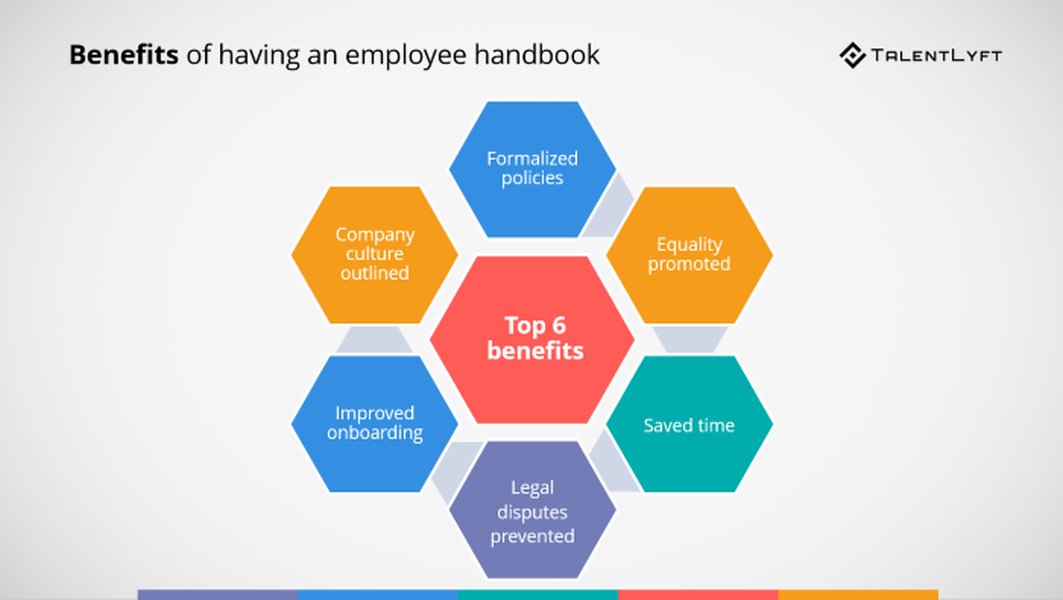
An employee handbook often contains the company's Code of Conduct, outlining key policies and expectations.
Core Components of a Comprehensive Code of Conduct
Building Blocks for a Strong Ethical Foundation
A robust Code of Conduct template typically incorporates several key sections. While the specifics may vary, the following components are generally considered essential for a comprehensive document:
1. Purpose and Scope
This section clarifies why the Code of Conduct exists and to whom it applies. Example: "This Code of Conduct outlines the expected standards of behavior for all employees, directors, officers, contractors, and representatives of [Organization Name]. It is designed to foster a culture of integrity, respect, and professionalism."
2. Core Principles and Values
Articulates the fundamental values that underpin the organization's culture and operations. Example: "Our core values include: Integrity – We act honestly and ethically in all our dealings. Respect – We treat everyone with dignity and fairness. Accountability – We take responsibility for our actions. Compliance – We adhere to all laws and regulations."
3. Ethical Behavior and Professionalism
Sets expectations for general conduct, honesty, integrity, and professional demeanor in all interactions. Example: "We are committed to maintaining a professional environment. This includes courteous communication, appropriate attire consistent with your role, and a collaborative approach to work."
4. Compliance with Laws and Regulations
Emphasizes the necessity of adhering to all applicable local, national, and international laws relevant to the organization's operations. Example: "All employees must comply with all applicable laws, rules, and regulations in the jurisdictions where we operate. Ignorance of the law is not an excuse for non-compliance."
5. Conflict of Interest
Provides guidelines on identifying, disclosing, and managing potential or actual conflicts of interest to ensure decisions are made in the best interest of the company. Example: "Employees must avoid any situation that could create a conflict of interest, or the appearance of one, between their personal interests and the interests of [Organization Name]. Any potential conflict must be disclosed immediately to your manager or Human Resources."
6. Confidentiality and Protection of Company Assets
Covers the responsible handling of sensitive company information, client data, intellectual property, and the proper use of company resources. Example: "Protecting confidential information, including customer data, financial records, and strategic plans, is paramount. Company assets, including equipment and technology, should be used responsibly and for legitimate business purposes."
7. Respect, Diversity, Equity, and Inclusion (DEI)
Outlines the commitment to a diverse, equitable, and inclusive workplace, strictly prohibiting discrimination, harassment, and bullying in any form. Example: "We are dedicated to creating a workplace where everyone feels safe, valued, and respected. Discrimination, harassment, or bullying based on race, color, religion, sex, national origin, age, disability, sexual orientation, gender identity, or any other protected characteristic is strictly prohibited."
8. Health and Safety
Details expectations for maintaining a safe working environment and adhering to health and safety protocols. Example: "The safety and well-being of our employees is a top priority. All employees are expected to follow established health and safety procedures and report any unsafe conditions or practices."
9. Use of Company Resources and Technology
Specifies the appropriate use of company-provided tools, equipment, internet access, email, and other communication systems. Example: "[Organization Name] provides resources to help you perform your job effectively. These resources, including computers, software, and internet access, should be used primarily for business purposes and in a manner that reflects positively on our organization."
10. Reporting Mechanisms and Non-Retaliation
Provides clear procedures for reporting suspected violations of the Code, including options for anonymous reporting, and guarantees protection against retaliation for good-faith reporting. Example: "We encourage employees to speak up if they witness or suspect a violation of this Code. Reports can be made to your manager, Human Resources, or through our confidential ethics hotline at [Phone Number/Website]. [Organization Name] prohibits any form of retaliation against individuals who report concerns in good faith."
11. Consequences of Non-Compliance (Enforcement)
Outlines potential disciplinary actions for violations, which can range from warnings to termination of employment or contract, and may include legal action. Example: "Violations of this Code of Conduct may lead to disciplinary action, up to and including termination of employment or contract, and may also result in legal proceedings where applicable. The severity of the action will depend on the nature of the violation."
12. Acknowledgment
Often, organizations require employees to formally acknowledge that they have read, understood, and agree to abide by the Code of Conduct. Example: "All employees are required to review this Code of Conduct annually and sign an acknowledgment form confirming their understanding and commitment to its principles."
Visualizing Key Elements: A Mindmap Overview
Mapping the Structure of a Comprehensive Code of Conduct
To better understand how these components fit together, the following mindmap illustrates the typical structure and key areas covered in a comprehensive Code of Conduct. This visual representation can help in organizing your thoughts as you develop or customize your own document.
This mindmap provides a clear, hierarchical view of the essential sections that form a robust Code of Conduct, guiding organizations in covering all necessary aspects for fostering an ethical and compliant environment.
Customizing Your Code of Conduct Template
Tailoring the Template to Your Organization's DNA
While templates offer a solid foundation, customization is key to creating a Code of Conduct that is truly effective and resonant for your organization. Here are some important considerations:
- Reflect Your Values and Culture: The Code should be an authentic representation of your organization's mission, vision, and core values. Use language that aligns with your company culture – whether it's formal and traditional or more modern and approachable.
- Industry-Specific Requirements: Certain industries have unique ethical considerations or regulatory requirements. For example, healthcare organizations will have stringent rules around patient data (HIPAA in the US), while financial institutions will have specific compliance needs.
- Organizational Size and Structure: A small startup might have a simpler Code than a large multinational corporation with complex operations. Tailor the level of detail and the reporting structures accordingly.
- Legal Review: It is highly recommended to have your Code of Conduct reviewed by legal counsel. This ensures compliance with all relevant employment laws, anti-discrimination laws, and other legal obligations in your operating jurisdictions.
- Use Clear and Positive Language: Frame expectations in a positive and encouraging tone where possible. Instead of just listing prohibitions, explain the desired behaviors. For example, instead of "Do not harass others," use "We are committed to a workplace free from harassment, where everyone is treated with respect and dignity."
- Include Practical Examples: Abstract rules can be hard to interpret. Provide real-world scenarios or examples to illustrate how the Code applies in day-to-day situations. This makes the Code more relatable and easier to understand.
- Accessibility: Ensure the Code is easily accessible to all employees, perhaps on the company intranet, in an employee handbook, and during onboarding. Consider different languages if you have a diverse workforce.
- Training and Communication: A Code of Conduct is only effective if employees know it exists and understand its contents. Implement regular training sessions and communication campaigns to reinforce its importance.
Remember, a Code of Conduct is a living document. It should be reviewed and updated periodically (e.g., annually or when significant organizational or legal changes occur) to ensure it remains relevant and effective.
Focus Areas in Codes of Conduct: A Comparative Look
How Emphasis Varies Across Organizational Contexts
The emphasis placed on different aspects within a Code of Conduct can vary significantly depending on the organization's size, type, and operational complexity. The radar chart below offers a conceptual comparison of how different organizational contexts might prioritize key elements within their Codes of Conduct. The scores (on a scale of 1 to 10, where 10 is highest emphasis) are illustrative and represent general tendencies rather than absolute measures.
This chart illustrates that while core principles like inclusivity are vital across the board, areas like legal rigor and operational detail might be more extensively covered in larger enterprises due to their complex structures and broader regulatory landscapes. Start-ups might prioritize flexibility and fostering a strong ethical foundation from the outset. Open-source projects often place a very high emphasis on community inclusivity and respectful collaboration.
Understanding the Nuances: Code of Conduct vs. Code of Ethics
Distinguishing Between Rules and Principles
While the terms "Code of Conduct" and "Code of Ethics" are often used interchangeably or together, there's a subtle but important distinction:
- A Code of Conduct primarily focuses on behavior. It outlines specific rules, actions, and guidelines that individuals are expected to follow (the "what" and "how"). It's more directive and practical, addressing specific situations and desired behaviors. For example, rules about attendance, dress code, or use of company property.
- A Code of Ethics focuses on principles and values. It describes the overarching moral philosophy and ideals that guide the organization's decision-making and culture (the "why"). It's more aspirational and sets a broader ethical tone. For example, statements about commitment to integrity, social responsibility, or fairness.
Many organizations integrate both aspects into a single comprehensive document, often titled "Code of Conduct and Ethics." Both are vital for fostering an ethical and compliant workplace culture. The Code of Conduct provides the specific rules, while the Code of Ethics provides the moral compass.
Code of Conduct in Action: An Introductory Overview
Visual Learning: Defining Expectations
The following video provides a brief introduction to the concept of a Code of Conduct and why it's important for businesses to clearly define expectations for ethics and behavior. It touches upon key elements like integrity and honesty, which form the bedrock of any effective code.
This video serves as a good starting point for understanding the purpose and general components that go into creating a meaningful Code of Conduct, emphasizing its role in establishing clear expectations within an organization.
Variations in Code of Conduct Templates
Adapting to Different Contexts and Needs
Code of Conduct templates can be tailored for various specific situations and organizational types. The table below highlights some common variations and their typical focus areas:
| Type of Code of Conduct | Primary Focus Areas | Typical Audience | Key Objectives |
|---|---|---|---|
| General Workplace Code of Conduct | Professionalism, anti-harassment, ethical behavior, compliance with company policies, use of resources. | Employees, contractors. | Foster a respectful, productive, and legally compliant work environment. |
| Open-Source Project Code of Conduct | Inclusive and respectful communication, collaboration guidelines, conflict resolution, reporting mechanisms for unacceptable behavior. | Contributors, maintainers, community members. | Create a welcoming and collaborative environment for all participants, regardless of background. |
| Community Event Code of Conduct | Respectful interaction, anti-harassment, safety, inclusivity for all attendees, speakers, and organizers. | Event attendees, speakers, staff, volunteers, sponsors. | Ensure a safe, positive, and inclusive experience for everyone involved in the event. |
| Supplier/Vendor Code of Conduct | Ethical business practices, labor rights, environmental standards, anti-corruption, compliance with laws. | Suppliers, vendors, business partners. | Ensure that partners operate ethically and responsibly, aligning with the organization's values and standards. |
| Non-Profit/Board Member Code of Conduct | Fiduciary duty, conflict of interest, confidentiality, ethical fundraising, adherence to mission. | Board members, volunteers, staff. | Uphold public trust, ensure responsible governance, and maintain the integrity of the organization's mission. |
This table illustrates that while core ethical principles often overlap, the specific rules and emphasis of a Code of Conduct will necessarily shift to address the unique challenges and expectations of different environments.
Frequently Asked Questions (FAQ)
Your Common Queries Answered
What is the main purpose of a Code of Conduct?
The main purpose of a Code of Conduct is to clearly define an organization's expectations for behavior and ethical standards. It aims to promote a positive, respectful, safe, and professional environment, ensure compliance with laws and regulations, protect the organization's reputation, and provide a framework for addressing misconduct.
How often should a Code of Conduct be updated?
A Code of Conduct should be reviewed and updated regularly, typically on an annual basis. More frequent updates may be necessary due to changes in laws, regulations, industry standards, or significant organizational changes (e.g., mergers, acquisitions, expansion into new markets). It's a living document that should adapt to the evolving environment.
Who does a Code of Conduct typically apply to?
A Code of Conduct typically applies to all individuals associated with an organization, including full-time and part-time employees, executives, board members, contractors, consultants, temporary staff, and sometimes volunteers or even suppliers, depending on its scope.
What's the difference between a Code of Conduct and general company policies?
A Code of Conduct often serves as an overarching document outlining ethical principles and general behavioral expectations. Specific company policies (e.g., IT usage policy, travel expense policy, attendance policy) provide detailed rules and procedures for particular areas. The Code of Conduct may refer to these more detailed policies, and they should all be consistent with each other. The Code sets the ethical tone, while policies provide specific operational guidelines.
Should employees be required to sign an acknowledgment of the Code of Conduct?
Yes, it is a common and highly recommended practice for organizations to require employees to read the Code of Conduct and sign an acknowledgment form. This confirms that they have received, read, understood, and agree to abide by its standards. This acknowledgment can be important for legal and compliance purposes.
Recommended Further Exploration
Deepen Your Understanding
- How can our organization effectively implement a new Code of Conduct to ensure widespread adoption?
- What are some specific examples of using positive and encouraging language when drafting a Code of Conduct?
- What are the potential legal implications if our small business does not have a formal Code of Conduct?
- What are the best practices for training employees on our company's Code of Conduct policies to ensure understanding and compliance?
References
Sources and Further Reading
Last updated May 8, 2025