
Literature Review: Comparative Analysis of Coffee Processing Methods in Gulmi, Nepal
Exploring Quality, Cost, and Socio-economic Impacts
Key Insights
- Quality versus Cost Trade-Off: Wet processing methods yield superior quality while incurring higher costs, whereas dry processing reduces costs but can compromise consistency.
- Method Diversity and Regional Impact: The region of Gulmi, Nepal, employs a variety of coffee processing methods (natural, washed, honey) that directly influence flavor profiles and market value.
- Socio-Economic and Technical Considerations: Factors such as water availability, technical training, and infrastructure are critical in determining the optimal processing method for boosting local economic benefits.
Introduction
Coffee production in Gulmi, Nepal has increasingly become a significant contributor to the local economy, with the region gaining prominence for its high-quality organic coffee. The processing methods implemented post-harvest play a critical role in determining both the quality and the market value of the coffee. This literature review synthesizes findings from multiple studies, focusing on the comparative analysis of the different processing techniques adopted in Gulmi and evaluates their impact in terms of quality and cost.
Overview of Coffee Processing Methods
Primary Coffee Processing Techniques
Washed (Wet) Process
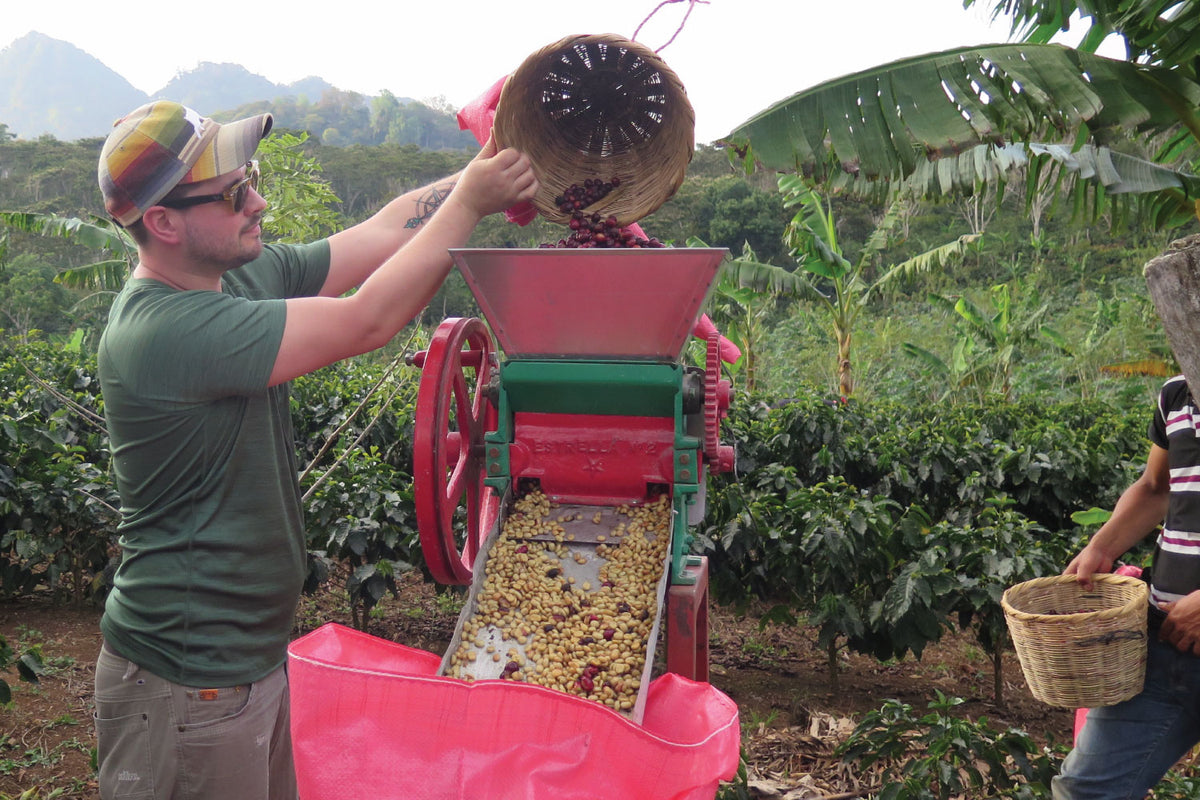
The washed or wet processing method involves de-pulping the coffee cherries to remove the fruit’s flesh, followed by fermentation to eliminate the residual mucilage. This method requires extensive water use and specialized fermentation facilities. Notable for achieving a bright acidity, clean flavor, and a lighter body, the wet process is highly regarded by specialty coffee markets. However, it also comes with higher operational costs due to the infrastructure needed, which can make it less accessible to smallholder farmers with limited resources.
Natural (Dry) Process
In the natural or dry processing method, the entire coffee cherry is dried in the sun with the fruit intact, allowing the bean to absorb the sugars and flavors from the surrounding pulp. This simplicity results in a cost-effective process given its minimal need for infrastructure. The natural method can result in a fuller-bodied coffee with pronounced fruity flavors; however, the quality may vary significantly depending on drying conditions such as humidity and temperature. Additionally, there is an increased risk of mold if drying is not managed properly.
Honey (Semi-Washed) Process
Falling between the extremes of washed and natural processes, the honey process involves removing some of the fruit pulp while leaving a layer of mucilage on the bean during drying. This method aims to balance the clean profile obtained from wet processing with the cost and simplicity benefits of the dry method. The resulting coffee is often characterized by complex, sweet, and fruity flavors; however, it requires careful management during the drying phase to avoid spoilage, necessitating moderate investment in labor and infrastructure.
Quality Considerations
Coffee quality is a multifaceted attribute influenced by several factors, among which the post-harvest processing is critical. Research indicates that up to 40% of the final quality of coffee is determined during the primary processing stage. Different processing techniques impart distinct sensory characteristics. Wet processed coffees are often preferred in specialty markets for their clarity and vibrant acidity, whereas naturally processed beans offer a fuller body and unique fruity notes that might appeal more to certain consumer segments.
The clean and consistent profile of washed coffee enhances its appeal for export to premium markets where consumer expectations favor clarity in flavor. However, the water-intensive nature and additional labor required contribute to higher production costs. On the other hand, the natural method, while inferior in producing consistently high-quality coffee, offers economic advantages by significantly reducing processing costs.
Cost Analysis
The cost implications of coffee processing methods are a critical consideration for producers in Gulmi. The wet process, despite offering superior quality, requires significant investments in water management systems, fermentation tanks, and skilled labor. Such infrastructure demands elevate the unit cost of production, which in turn can limit profitability for small-scale farmers unless offset by premium market prices. Conversely, the natural process is notably more accessible in terms of investment since it primarily relies on sun drying and labor, which minimizes infrastructural requirements.
The honey process provides a balanced compromise wherein some cost benefits of the natural process are maintained, yet additional care during drying processes is mandated to preserve quality. The economic trade-off in this scenario is sensitive to local climatic conditions, operational efficiency, and market price differentials between lower-cost and premium coffee segments.
Research conducted in the region has quantified some of these differences, revealing that while wet processed coffee may command higher market prices, the corresponding costs involved in its processing can narrow the profit margins for rural producers. For instance, studies have demonstrated that the benefit-cost ratio in Gulmi is appreciable when balancing the increased production costs against the elevated market value obtained for high-quality coffee.
Comparative Analysis Table of Processing Methods
| Processing Method | Quality Attributes | Cost Implications | Market Appeal |
|---|---|---|---|
| Washed (Wet) | Bright acidity, clean flavor, consistent profile | High due to water use and infrastructure requirements | High, especially in specialty coffee markets |
| Natural (Dry) | Fruity flavors, full-bodied, variable consistency | Low infrastructure costs; increased labor for drying management | Moderate to high, depending on consumer preference |
| Honey (Semi-Washed) | Sweet, complex flavor profile, balance between clean and fruity | Moderate costs with careful drying management required | Niche markets and premium segments |
Regional and Socio-economic Impact
Coffee Production in Gulmi
Gulmi, recognized for its varying altitudinal range from 465 to 2,690 meters, offers unique microclimates that are ideal for coffee cultivation. The selection of processing methods in this region not only affects the quality and cost, but also has significant socio-economic implications. Coffee production in Gulmi contributes to local employment and generates additional income for farmers, which is crucial for rural economic development.
Several studies have documented that the shift towards more premium coffee production has the potential to uplift rural incomes. For example, one economic analysis showed that the average annual income per ropani from coffee cultivation in Gulmi could be improved with higher quality outputs obtained through tailored processing methods. Moreover, the establishment of Coffee Research Centers and extension services have played an essential role in educating farmers and facilitating the adoption of improved processing techniques.
Influence of Technical and Market Factors
The adoption of precise processing techniques depends greatly on technical and infrastructural availability. The wet process’s reliance on water and technology implies that regions with limited water resources or technical expertise may find it challenging to implement consistently. In contrast, natural processing aligns better with the resources available to small farmers but may require additional oversight to ensure quality standards are met.
Market dynamics also influence the selection of a processing method. Consumer preference for specialty coffees has encouraged a move towards washed processing, despite the higher associated costs, because of its enhanced flavor transparency and marketability. Meanwhile, natural and honey processes appeal to segments that place a higher value on fruity and distinctive profiles, thus broadening the market spectrum for Nepalese coffee in international markets.
Comparative Economic Analysis
Evaluating the cost versus quality trade-offs involves analyzing both direct production costs and the subsequent market pricing. Studies suggest that while the investment in wet processing is higher due to additional equipment and labor obligations, the premium pricing acquired from quality-conscious consumers can justify these costs in many scenarios. Specifically, washed coffees tend to fetch higher prices, reflecting consumer willingness to pay for enhanced flavor complexity and clarity, thus potentially offsetting the initial higher investment.
On the other hand, the natural process, characterized by lower direct processing costs, is more readily adoptable by small-scale farmers. However, the inherent variability and risk of quality issues may restrict access to premium markets. The honey process emerges as a mid-point option, balancing operational expenditures with improved flavor profiles that command respectable pricing. These economic insights underscore the importance of aligning processing strategies with local capability and market requirements.
Technical and Future Perspectives
Advancements in Processing Technologies
Future studies are encouraged to focus on innovations in coffee processing techniques to optimize both quality and cost efficiency. For instance, emerging practices like controlled anaerobic fermentation are being explored to further enhance the flavor complexity of washed coffees. Integrating modern technology with traditional practices could enable the fine-tuning of processing conditions, thereby reducing inconsistencies and waste.
Additionally, training programs and the establishment of local research centers have proven to be invaluable. These initiatives help educate farmers about the nuances of each processing method, enabling them to make informed decisions that align with both their technical capacities and market opportunities. Such initiatives could also contribute to establishing standardized processing protocols, which would further contribute to maintaining high quality standards and reducing economic risks associated with suboptimal processing conditions.
Sustainability and Environmental Considerations
An important aspect of processing method evaluation is environmental sustainability. The high water usage in the washed process represents a significant concern in areas facing water scarcity. Future research is likely to focus on water recycling techniques and sustainable practices that allow for the retention of quality while mitigating environmental impacts. Additionally, exploring solar-powered drying systems for natural processing could further reduce the carbon footprint associated with this method.
These efforts not only help protect the local ecology but also contribute to a more resilient and sustainable production ecosystem. Embracing sustainable technological innovations in coffee processing could ensure that the sector remains robust in the face of environmental challenges, thereby securing the livelihood of local communities in Gulmi.
Integrative Summary
In summary, the literature consistently underscores a delicate balance in selecting coffee processing methods in Gulmi, Nepal. The key trade-offs revolve around the quality of the coffee and the direct and indirect costs associated with each method. The washed process, with its enhanced quality attributes, invites higher market value despite its elevated production costs. The natural process, while economically attractive, poses risks in quality consistency that may hinder market access. The honey process offers a hybrid solution, combining moderate cost benefits with appreciable flavor complexity.
Beyond these technical insights, the broader socio-economic implications reveal that choosing the appropriate processing method is also intertwined with local resource availability, technical know-how, and market positioning. This multifaceted decision-making process effectively determines the economic viability of coffee production in the region. As Gulmi continues to gain recognition on the global coffee map, targeted improvements in processing techniques that consider both cost and quality aspects will become crucial in sustaining growth, enhancing farmer incomes, and meeting the sophisticated demands of international consumers.
References
-
Gulmi: A Land of Coffee, Hills, and Cultural Richness - Nepal Database
- Socio-economic Analysis of Coffee Growers - ResearchGate
- Productivity Factors in Coffee Cultivation - Academia.edu
- Natural vs. Washed Processing Methods - Fathom Coffee
- Coffee Processing Methods Overview - Craft Coffee Guru
Recommended Further Queries
Last updated March 11, 2025