
How a Coffee Becomes the Best in Town
Exploring the Essential Ingredients and Strategies for a Superior Coffee Experience
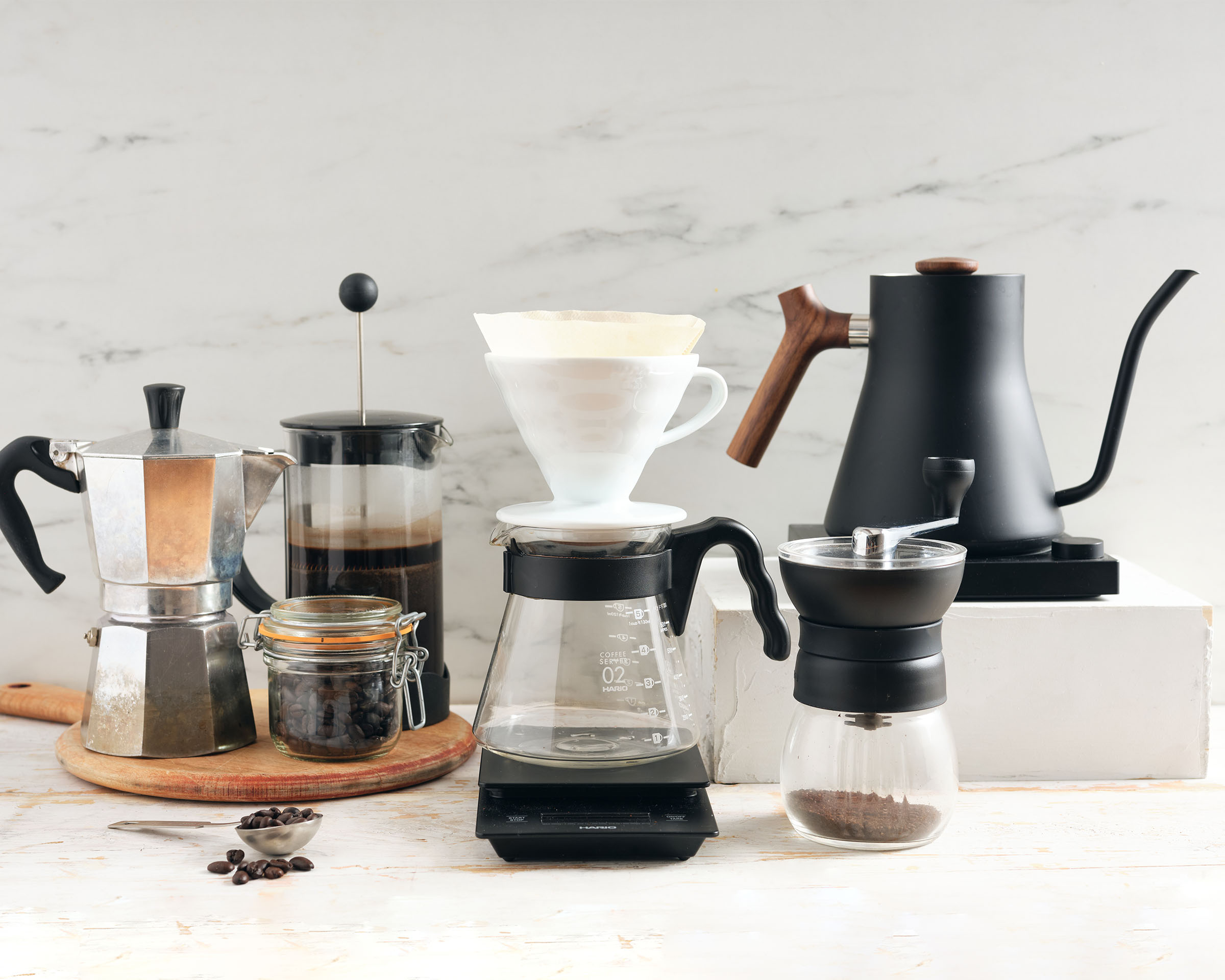
Key Takeaways
- Quality Ingredients and Craftsmanship: The foundation of outstanding coffee rests on superior beans, precise roasting, and consistent brewing techniques.
- Exceptional Customer Experience: An inviting ambiance, expert staff, and community engagement are vital to securing customer loyalty.
- Innovation and Continuous Improvement: Ongoing experimentation, precise technical measures, and targeted business management keep a coffee shop ahead of trends.
The Pillars of Exceptional Coffee
Establishing a reputation as the best coffee in town is a multifaceted challenge that combines high-quality ingredients, masterful brewing techniques, a unique brand identity, and remarkable customer service. The process goes beyond simply serving a good cup of coffee; it involves a holistic approach that touches every aspect of the coffee-making and customer interaction process.
1. Excellence in Ingredients and Sourcing
At the heart of every great coffee is the quality of its beans. The journey to becoming the best begins with sourcing carefully chosen coffee beans. To achieve a consistently excellent flavor profile:
High-Quality Coffee Beans
Superior quality coffee requires beans that are fresh, ethically sourced, and often grown in renowned coffee-producing regions. Utilizing beans from reputable farms or small-batch roasters can greatly enhance flavor complexity. Each bean’s origin contributes unique characteristics such as acidity, body, and aromatic nuances, which can be optimized through precise roasting techniques.
Precision in Roasting
Roasting is an art that transforms raw beans into the flavorful coffee that customers love. An expert roaster employs detailed technical knowledge to bring out each bean’s best attributes, ensuring fresh and consistent results. Optimal roasting also involves tight control over roasting time and temperature to guarantee that the beans are roasted to their peak condition, ideally consumed within 30 days of roasting to preserve flavor.
2. Mastery of Brewing Techniques
Brewing is where the potential of high-quality ingredients is fully realized. Perfecting brewing techniques ensures that every cup meets high standards. The process involves multiple technical and sensory elements:
Grind, Water, and Temperature
Grind size is critical. Different brewing methods require varying grind sizes; for example, French press calls for a coarse grind, while espresso demands a fine grind. Grinding the coffee just before brewing preserves the aromatics and flavor compounds that can quickly deteriorate. Equally important is the water used, which should be of high quality and free of impurities. The ideal water temperature for most brewing methods ranges from 195°F to 205°F. Too low a temperature leads to under-extraction, while too high may cause over-extraction and bitterness.
Consistency in Extraction
Achieving the right balance in the coffee-to-water ratio is key. Precise measurements by weight rather than volume help maintain consistency in flavor and strength. Whether using traditional drip methods, French press, pour-over, or espresso machines, the extraction process must be carefully monitored. Advanced brewing techniques often include a “bloom” stage, where cold coffee grounds are pre-wetted to release excess carbon dioxide, followed by a measured pour to ensure even saturation of all grounds.
Choice of Brewing Equipment
Investment in high-quality brewing equipment plays a vital role in delivering a superior coffee experience. This includes professional-grade espresso machines, burr grinders, and precision scales. High-performance equipment, when maintained regularly, can consistently produce a coffee that meets even the most exacting standards.
3. The Role of the Customer Experience
A memorable customer experience complements the quality of the coffee and forms the backbone of a successful coffee shop. The ambiance, customer service, and overall store experience help differentiate a coffee shop from its competitors.
Ambiance and Environment
The physical environment of a coffee shop is crucial to its success. Creating a welcoming, comfortable space that encourages lingering plays an essential role in customer retention. Elements such as cozy seating, ambient lighting, and thoughtful interior design contribute to an atmosphere that invites customers to relax and enjoy their coffee.
Exceptional Service and Staff Training
Staff expertise can elevate the overall experience. Well-trained baristas who are knowledgeable about different coffee beans, brewing methods, and flavor profiles can provide personalized recommendations that enhance the customer experience. Consistent training ensures that every cup served meets the shop’s high standards and contributes to a positive brand reputation.
Engagement and Unique Brand Identity
An effective brand identity not only distinguishes a coffee shop but also creates a connection with its community. A strong brand narrative built around ethical sourcing, sustainability, or unique recipes can make customers feel a deeper loyalty. Community engagement activities, such as local events, workshops, and partnerships with local businesses or causes, help foster a sense of belonging and reinforce the coffee shop’s standing as a community hub.
4. Innovations and Adaptation
Continuous improvement is vital for staying ahead in a competitive market. Innovations in brewing techniques, menu development, and customer engagement can keep a coffee shop in tune with the ever-evolving tastes of its clientele.
Menu Innovation
An inventive and frequently updated menu can attract a diverse group of customers. Introducing signature drinks, seasonal specials, and new flavor combinations keeps the experience fresh and exciting. This approach not only appeals to regular patrons looking for something new but also captures the interest of first-time visitors.
Experimentation with Techniques
Ongoing experimentation with various brewing methods such as AeroPress, siphon coffee, and alternative pour-over techniques can yield unique flavor profiles. Rigorous testing paired with customer feedback allows a coffee shop to fine-tune these methods and discover new ways to enhance taste and aroma.
Embracing Technology
Adopting modern technologies in the brewing and business management processes can lead to improved efficiency and consistency. Automated point-of-sale systems, digital inventory tracking, and online marketing platforms help streamline operations and create a more seamless customer experience. Additionally, an active online presence through social media and a well-designed website can engage customers and expand the coffee shop's reach.
Strategies for Perfecting the Brew
Achieving a consistently high-quality brew involves attention to myriad technical details throughout the coffee preparation process. Many advanced techniques ensure that every cup served is of impeccable quality.
Detailed Breakdown of Brewing Steps
Step 1: Grinding and Measuring
Precision in measuring coffee according to weight rather than volume is a fundamental best practice. Using a scale allows for exact ratios between coffee and water, ensuring that flavorful compounds are optimally extracted. A burr grinder is preferred for its ability to produce consistently sized particles, which is crucial as different brewing methods require different grind sizes.
Step 2: Water Quality and Temperature Management
The importance of water in coffee preparation cannot be overstated. Since coffee is predominantly water, the quality of the water directly affects the final flavor. Filtered water should be used to avoid unwanted tastes resulting from chlorine or mineral imbalances. Maintaining the right water temperature, typically between 195°F and 205°F, ensures the correct extraction rate, avoiding bitterness from over-extraction or sour notes from under-extraction.
Step 3: Pre-Heating and Pre-Wetting
Pre-heating the brewing equipment, along with pre-wetting filters in methods like the pour-over, plays a crucial role in maintaining the proper brewing temperature. By avoiding temperature drops during the brewing process, you ensure that the coffee extracts evenly, preserving the full spectrum of the bean’s flavor and aroma.
Step 4: The Bloom Process
During the bloom phase, a small amount of water is added to freshly ground coffee to release carbon dioxide trapped in the beans. This step, which typically lasts about 30 seconds, allows the coffee grounds to “bloom” and prepares them for the full extraction process. A proper bloom ensures even saturation and improved extraction, leading to a richer, better-balanced cup.
Step 5: Final Extraction
The complete extraction process involves a measured and consistent pouring technique. Whether using manual pour-over methods or automated espresso machines, ensuring that all coffee grounds are uniformly saturated is vital. This comprehensive approach results in a coffee drink that is complex, aromatic, and free from uneven extraction issues.
Business Management and Community Engagement
Beyond the technical aspects of coffee production, the strategic management of a coffee shop also significantly affects its reputation and success. Effective business practices and community engagement play a crucial role in creating a loyal customer base and a thriving local presence.
Operational Excellence
Consistent Quality Control
Standardized procedures, regular equipment maintenance, and systematic training programs ensure that every cup of coffee meets established quality benchmarks. These routines foster consistency, which is essential for building a positive reputation and maintaining customer trust over time.
Financial and Logistical Management
Sound business management involves precise inventory control, efficient cost management, and the use of modern point-of-sale systems to streamline operations. These elements not only improve efficiency but also enhance the overall customer experience through reduced waiting times and seamless transaction processes.
Community Involvement and Brand Identity
Local Engagement
Participating in local events, hosting workshops, and creating partnerships with nearby businesses all contribute to a deeper connection with the community. Such activities foster a loyal customer base and position the coffee shop as a valued community hub. Customers are more likely to remain loyal to a brand that shares their local identity and values.
Sustainability and Ethical Practices
Many modern coffee shops differentiate themselves by emphasizing ethical sourcing, sustainable practices, and a commitment to environmental responsibility. These initiatives not only contribute to a positive brand image but also resonate with consumers who increasingly value social responsibility. Transparency in sourcing, fair trade practices, and eco-friendly packaging are ways to build credibility and trust.
Comparative Overview: Key Components of a Top-Tier Coffee Shop
The following table summarizes the critical components that contribute to a coffee shop's status as the best in town:
| Component | Description | Impact |
|---|---|---|
| Quality Ingredients | Fresh, ethically sourced beans and precise roasting | Foundation for superior flavor and aroma |
| Brewing Techniques | Precise grind, optimal water quality and temperature, accurate extraction | Ensures consistency and highlights unique flavor profiles |
| Customer Experience | Inviting ambience, excellent service, and community involvement | Builds lasting loyalty and differentiates from competitors |
| Innovation | Creative menu offerings, experimentation with new methods | Keeps the experience fresh and aligns with evolving customer tastes |
| Business Management | Efficient operations, financial prudence, and technological integration | Supports sustainability and growth of the coffee shop |
Conclusion and Final Thoughts
To become recognized as the best coffee in town, an establishment must commit to excellence across multiple areas—starting from the careful selection and handling of high-quality beans, through precise and consistent brewing practices, and extending to a warm, engaging customer environment and innovative business practices. A combination of technical mastery, attention to detail in every cup, and a strong, unique presence in the community sets the stage for a coffee shop to excel. The careful balance of craftsmanship, technology, and personal touch not only elevates the quality of the coffee itself but also creates an experience that resonates deeply with local consumers. By continuously refining all facets of the business, from product to service, a coffee shop can carve out its niche as the preferred destination for coffee aficionados and casual drinkers alike.
References
https://www.wikihow.com/Make-Perfect-Coffee
https://caffeinefiend.co/how-to-make-the-best-coffee/
https://elevencoffees.com/tips-for-making-better-coffee/
https://www.thekitchn.com/best-coffee-brewing-method-22977756
https://www.homegrounds.co/the-secret-to-amazing-coffee-brewing/
https://koronapos.com/blog/how-to-run-a-successful-coffee-shop/
https://royalcoffee.com/crafting-the-perfect-coffee-shop-menu-tips-and-tricks/
https://www.caffeluxxe.com/blogs/news/11-tips-for-brewing-better-coffee-at-home
Last updated February 17, 2025