
Genetic Diversity Study on Coffee Accessions Related to Quality Traits
Exploring how genetic variability influences coffee flavor, aroma, and resilience
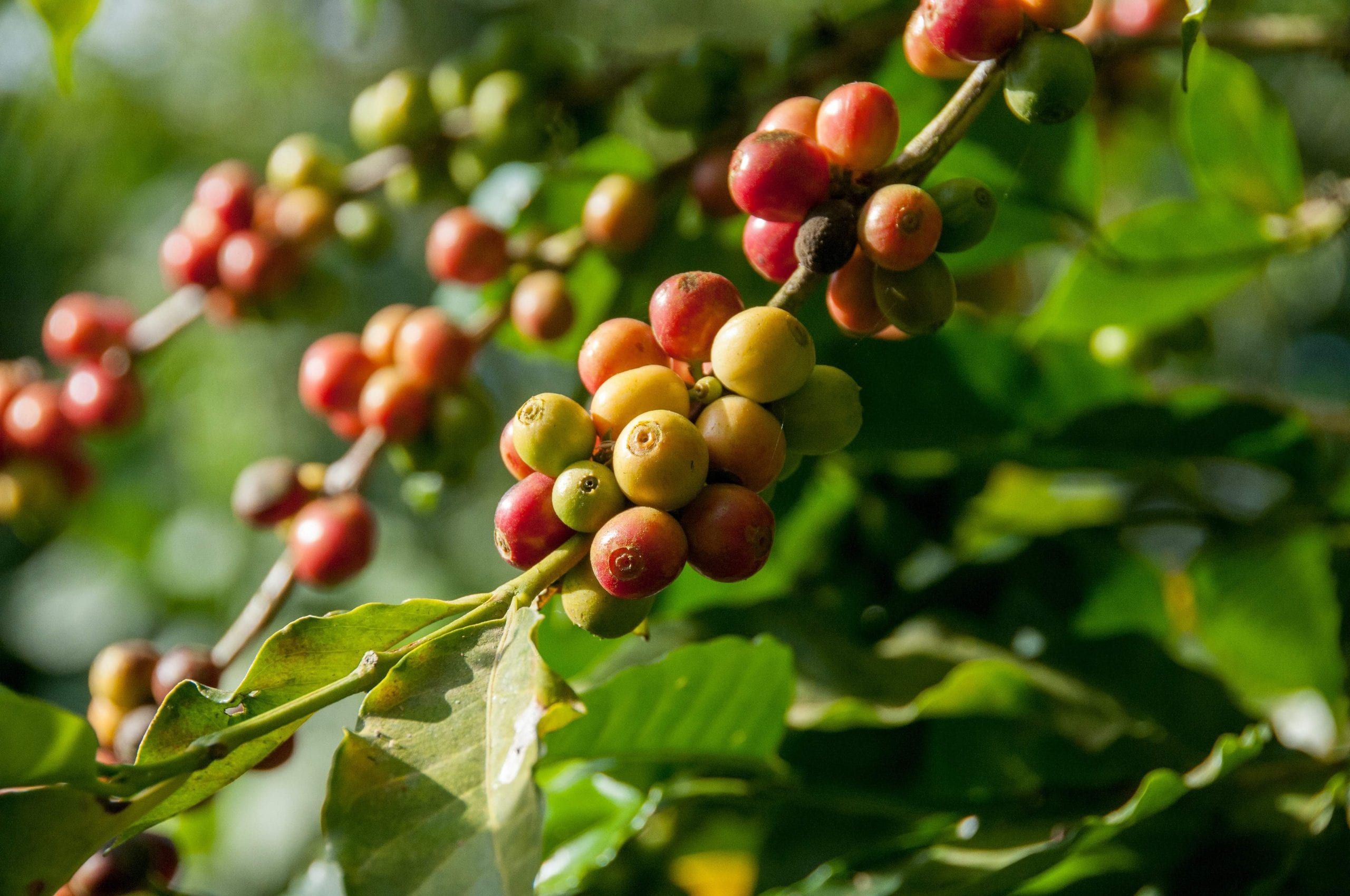
Highlights
- Influence on Quality Traits: Genetic diversity underpins key quality traits such as flavor, aroma, acidity, and overall cup quality in coffee.
- Environmental and Genetic Interplay: Both genotype and environmental conditions collaboratively shape the biochemical profile that defines coffee quality.
- Conservation and Breeding: Identifying and conserving diverse coffee accessions is crucial for breeding programs aimed at developing resilient and high-quality coffee varieties.
Introduction
Coffee is one of the most widely consumed beverages globally, with its quality traits intrinsically linked to both genetic and environmental factors. The study of genetic diversity in coffee accessions has gained prominence as researchers aim to understand the mechanisms that contribute to differences in flavor, aroma, acidity, and other parameters that dictate the cup quality. This comprehensive exploration not only helps in enhancing coffee quality but also provides essential insights for breeding programs to develop improved and resilient varieties.
In this discussion, we will delve into the facets of genetic diversity in coffee, focusing on quality traits. The emphasis is on how genetic variability influences the biochemical composition of coffee beans, the molecular techniques used to measure this diversity, and the potential for employing this diversity in breeding programs to improve coffee quality. Discussions also extend to conservation implications and the integration of environmental factors in defining coffee’s quality profile.
Genetic Diversity and its Impact on Coffee Quality
Genetic Background and Coffee Species
Coffee production is predominantly based on two species, namely Arabica (Coffea arabica) and Robusta (Coffea canephora). Arabica, which contributes to approximately 60-65% of global production, is recognized for its superior quality characterized by a milder, aromatic cup with lower caffeine content. However, cultivated Arabica varieties are often derived from a narrow genetic base such as the Typica and Bourbon lineages. This restricted genetic range can limit the capacity for enhancing certain quality traits and defending against diseases or environmental stresses.
On the other hand, Robusta coffee displays a higher level of genetic diversity due to its cross-pollinating nature and broader geographic distribution. Such diversity is essential not only for traits related to disease resistance and climate adaptability but also represents a potential reservoir of genes that could be incorporated into breeding programs aimed at refining coffee quality.
Influence on Quality Traits
The quality of coffee is a complex trait that includes organoleptic properties such as flavor, aroma, acidity, and body. Genetic variability influences the expression of these traits. For example, studies have indicated that the accumulation of sugars like sucrose and secondary metabolites such as trigonelline is largely under genetic control. Trigonelline, in particular, is strongly correlated with aroma intensity and overall flavor profile, whereas high concentrations of caffeine and chlorogenic acids can adversely affect taste by introducing bitterness.
Elements such as bean size, shape, and chemical composition further contribute to determining the overall cup quality. Genetic mapping and cluster analysis techniques have revealed distinct groups among coffee accessions, suggesting that different genetic pools are associated with specific quality profiles. This differentiation is crucial for identifying accessions that exhibit superior traits and could be prioritized in breeding programs.
Environmental and Genetic Interactions
While the genetic makeup of coffee accessions sets the baseline for quality, environmental conditions play a pivotal role in the expression of quality traits. Variables such as altitude, shade, soil composition, and microclimatic factors impact the accumulation of flavor compounds during seed development. For instance, higher altitudes and shaded growing conditions have been shown to boost the levels of sugars, thereby contributing to a sweeter and more complex cup profile.
The interplay between the genotype and the environment is essential not only in defining the final sensory properties of coffee but also ensuring that quality traits are stably expressed across different growing conditions. This dynamic relationship has key implications for both commercial production and the conservation of coffee germplasm.
Molecular Approaches to Assessing Genetic Diversity
Molecular Markers and Genetic Analysis Techniques
A range of molecular markers has been employed to unravel the genetic diversity present among coffee accessions. Commonly used markers include:
| Marker Type | Application | Key Advantages |
|---|---|---|
| SSR (Simple Sequence Repeats) | Mapping genomic regions affecting quality traits | High reproducibility; multi-allelic detection |
| RFLP (Restriction Fragment Length Polymorphism) | Genetic diversity and linkage mapping | Robust and well-established |
| RAPD (Random Amplified Polymorphic DNA) | Screening for genetic variation among accessions | Simple and cost-effective |
| AFLP (Amplified Fragment Length Polymorphism) | Detailed analysis of genetic variation | High resolution of genetic differentiation |
These markers have facilitated the identification of genomic regions that influence characteristics such as sucrose and trigonelline content, flavor profiles, and aroma, thereby enabling breeders to pinpoint candidate genes for quality traits. Advanced techniques such as whole-genome resequencing are increasingly used to provide comprehensive genetic profiles of coffee accessions.
Cluster Analysis and Genetic Mapping
Genetic diversity studies often use statistical methods such as Principal Component Analysis (PCA) and Hierarchical Cluster Analysis (HCA) to group accessions based on their genetic relatedness and phenotypic performance. These analyses help illustrate the genetic structure within coffee collections and identify subpopulations with distinct quality traits. For instance, PCA has demonstrated that flavor, acidity, and aroma traits account for substantial variation among different accessions.
The identification of distinct clusters is critically important as it enables researchers to cross genetically diverse accessions, thereby enhancing heterosis or hybrid vigor. This approach is particularly beneficial for developing coffee varieties that exhibit both high cup quality and improved resilience to biotic and abiotic stresses.
Breeding and Conservation Implications
Utilization in Breeding Programs
The recognition of significant genetic diversity among coffee accessions provides crucial opportunities for breeding programs. Breeders can leverage identified genetic variations to select parent lines that combine superior quality traits with traits related to yield, disease resistance, and environmental adaptability. Moreover, the integration of molecular marker-assisted selection accelerates the breeding cycle by precisely targeting desirable traits.
For example, by crossbreeding accessions from distinct genetic clusters (e.g., those with high aroma intensity from wild Ethiopian collections with those known for enhanced sucrose content), breeders aim to develop new varieties that capture the best of both worlds. These advanced varieties could provide a competitive edge in specialty coffee markets where sensory quality commands a premium price.
Conservation of Genetic Resources
As the genetic base of commercial Arabica populations is relatively narrow, the conservation of wild and traditional coffee varieties is imperative. Wild populations, especially in regions recognized as centers of origin such as Ethiopia, harbor untapped genetic diversity that is vital for long-term crop improvement. Loss of these genetic resources—due to factors like habitat destruction, climate change, and agricultural modernization—poses a significant risk not only to coffee quality but also to the overall sustainability of coffee production.
Both ex-situ conservation (in gene banks and research collections) and in-situ conservation (preserving coffee trees in their natural habitats) play critical roles. Initiatives aimed at building awareness among stakeholders and enacting global conservation strategies are essential components of maintaining a diverse genetic pool that can be effectively utilized by future breeding programs.
Case Studies and Regional Insights
Arabica Coffee in Ethiopia and Beyond
Ethiopia, widely regarded as the birthplace of Arabica coffee, offers a prime example of genetic diversity in coffee. Studies of Ethiopian coffee accessions have revealed a significantly higher degree of genetic polymorphism when compared to cultivated varieties found in commercial plantations worldwide. This diversity is reflected in the countless flavor profiles available in Ethiopian coffees, which range from fruity and floral to deep, wine-like notes.
Ethiopian coffee is not only celebrated for its sensory attributes but also for its genetic robustness. The diverse genetic background found in wild populations provides a valuable asset for enhancing traits such as drought resistance and disease tolerance in commercial breeding programs.
Studies in Saudi Arabia
Research undertaken in regions such as southwestern Saudi Arabia has highlighted considerable variation among local coffee accessions. Investigations using morphological and pomological traits have provided evidence that accessions can be genetically grouped into distinct clusters, each exhibiting unique quality traits. Such studies employ both PCA and Hierarchical Cluster Analysis to elucidate underlying genetic structures and provide guidance for region-specific breeding programs.
In these studies, accessions that exhibited both high yield and superior quality were identified, illustrating that even within a relatively narrow gene pool, significant phenotypic variation exists that can be taken advantage of in breeding efforts.
Advancements in Genetic Mapping
The application of advanced genetic mapping techniques has aided in the identification of specific genomic regions that correlate with desirable quality traits. Marker-assisted selection, driven by analyses using SSR and other molecular markers, is progressively refining the precision with which breeders can select for quality traits. Such mapping studies not only enhance our understanding of the genetic architecture behind flavor and aroma but also accelerate the development of improved cultivars that can meet the demands of evolving consumer preferences.
These advances have been pivotal in bridging the gap between traditional phenotypic evaluations and modern molecular biology, leading to more informed and efficient breeding strategies.
Integrating Genetic Diversity with Quality Enhancement
Synergistic Approaches
An integrated approach that marries the genetic potential of coffee accessions with targeted breeding strategies is essential for sustained quality enhancement. A synergistic approach involves:
- Screening and Selection: Detailed phenotypic and molecular screening of accessions to identify those with superior quality traits forms the cornerstone of effective breeding programs.
- Hybridization: Crossing genetically divergent accessions to harness hybrid vigor, thereby potentially boosting yield and quality concurrently.
- Environmental Optimization: Fine-tuning agronomic practices in tandem with genetic improvements to maximize the expression of quality traits across diverse growing conditions.
This integrated strategy not only mitigates the risks associated with a narrow genetic base but also leverages the inherent strengths of genetically diverse populations. Ultimately, it paves the way for creating commercial varieties that deliver both consistency in cup quality and resilience against environmental challenges.
Challenges and Future Directions
Despite clear evidence of the importance of genetic diversity, several challenges remain. The limited genetic base of commercially cultivated Arabica coffee underscores the risk of vulnerability to emerging diseases and climate variability. Furthermore, while molecular tools have increased the granularity of genetic maps, the polyploid nature of Arabica coffee and complex gene interactions can sometimes obscure clear relationships between genotype and phenotype.
Future research is expected to focus on:
- Refining marker-assisted selection approaches to better target quality-related genes.
- Expanding the genetic base by incorporating traits from wild populations and less exploited landraces.
- Integrating genomic selection techniques with traditional breeding to enhance prediction accuracy of quality traits.
Innovations in genomics and phenomics are likely to play a transformative role in bridging current knowledge gaps. By leveraging whole-genome sequencing and high-throughput phenotyping, the future of coffee breeding promises even greater strides in combining quality with resilience.
Conclusion
The genetic diversity inherent in coffee accessions is a fundamental determinant of key quality traits such as flavor, aroma, and acidity. As studies have demonstrated, the interaction of genetic variability with environmental factors not only defines the sensory profile of coffee but also influences its resilience to stresses. Utilization of molecular markers and advanced statistical analysis has provided deep insights into the genomic regions responsible for these traits. This knowledge forms the bedrock for modern breeding programs that aim to develop superior coffee varieties, both in terms of sensory quality and agronomic performance.
Effective conservation strategies are essential for preserving the rich genetic resource pool of wild and traditional coffee varieties. With an integrated approach that combines genetic screening, hybridization, and environmental optimization, producers can overcome the bottleneck of a narrow genetic base while harnessing the full potential of coffee’s natural diversity. As the coffee industry moves towards a more sustainable and quality-focused future, ongoing research continues to highlight the importance of genetic diversity studies in shaping the evolution of coffee breeding programs.
In summary, genetic diversity studies not only illuminate the relationship between genotype and quality traits but also pave the way for the development of coffee varieties that are both exceptional in flavor and robust in the face of changing environmental conditions.
References
- ACSESS - Agro‐morphological characterization and diversity analysis of coffee accessions - Wiley Online Library
- Global Conservation Strategy for Coffee Genetic Resources - Springer
-
Genetic Diversity and Structure in Wild Robusta Coffee - NIH PMC
- Climate Change and Coffee Quality: Genetic Diversity Insights - Frontiers in Plant Science
-
Influence of Genotype and Environment on Coffee Quality - ScienceDirect
- World Coffee Research Core Collection - World Coffee Research
Recommended Queries
Last updated February 25, 2025