
The Morning Rush: Unraveling Why Coffee and Jogging Lead to Loose Bowels
Discover the physiological synergy between your morning brew and your run that accelerates your digestive system.
Many individuals experience a rapid need to use the restroom, often with loose stools, after a morning combination of coffee and exercise like jogging. This is a common physiological response, and understanding the underlying mechanisms can help explain why your body reacts this way. It's typically due to the combined stimulatory effects of coffee on your digestive system and the physical impact of jogging.
Key Insights: The Quick Digest
- Coffee's Stimulant Power: Coffee, primarily due to caffeine and other compounds, significantly speeds up colonic muscle contractions and hormonal responses that promote bowel movements.
- Exercise Amplification: Jogging further stimulates the gut through physical jostling and by altering blood flow, which can accelerate the transit of waste.
- A Common Duo-Effect: The combination of coffee's chemical stimulation and jogging's physical effects creates a potent recipe for rapid digestion and looser stools, often referred to as "runner's trots."
The Science Behind Your Morning Routine's Impact
Your experience is a result of two primary factors working in concert: the physiological effects of coffee on your digestive system and the impact of physical exercise (jogging) on your gastrointestinal (GI) tract.
Coffee's Call to Action: How Your Brew Gets Things Moving
Coffee is well-known for its ability to stimulate the digestive system. Several components and effects contribute to this:
Caffeine and Colonic Activity
Caffeine is a natural stimulant that doesn't just wake up your brain; it also energizes your gut. It increases peristalsis, the wave-like muscle contractions that move food and waste through your digestive tract. This accelerated movement means less time for water absorption in the colon, leading to softer, looser stools.
Hormonal Triggers
Coffee consumption stimulates the release of certain hormones that play a crucial role in digestion. These include:
- Gastrin: This hormone signals the stomach to release gastric acid and also promotes colonic activity.
- Cholecystokinin (CCK): CCK also plays a role in stimulating digestion and can increase colonic motility.
The surge in these hormones contributes to the urge to defecate shortly after drinking coffee.

Coffee contains compounds that can significantly impact digestive processes, especially when combined with exercise.
The Gastrocolic Reflex
Drinking coffee, especially on an empty stomach or first thing in the morning, can trigger the gastrocolic reflex. This is a natural physiological response where the act of stretching the stomach with food or drink signals the colon to start contracting and move existing contents towards the rectum, making way for the new intake. Coffee appears to potentiate this reflex.
Acidic Compounds and Warmth
Beyond caffeine, coffee contains various acids, such as chlorogenic acids, and melanoidins (formed during roasting). These compounds can also contribute to increased bowel motility. Even decaffeinated coffee can have a mild laxative effect due to these components. Additionally, the warmth of the coffee can help relax and stimulate the muscles of the digestive tract.
Lactose Considerations
If you add milk or cream to your coffee, and you have some degree of lactose intolerance, this could further contribute to loose stools and digestive urgency.
Jogging's Jolt to the System: Physical Effects on Digestion
Exercise, particularly running or jogging, also has a significant impact on your GI system:
Mechanical Stimulation (Jostling)
The repetitive up-and-down motion of jogging physically shakes and stimulates your internal organs, including your intestines. This mechanical agitation can increase gut motility, speeding up the passage of stool.
Altered Blood Flow
During exercise, your body diverts blood flow away from the digestive organs (a state known as mild intestinal ischemia) towards the working muscles (legs, in this case). This temporary reduction in blood flow to the gut can impair its ability to absorb water and nutrients efficiently, which can lead to looser, more watery stools.
Increased General Motility
Physical activity, in general, tends to increase gastrointestinal motility. For some, this is beneficial (e.g., for constipation), but when combined with other stimulants like coffee, it can lead to overly rapid transit.
The Synergistic Effect: Coffee Meets Jogging
When you drink coffee and then go for a jog, you're essentially creating a "perfect storm" for rapid bowel movements:
- Coffee initiates the process by stimulating colonic contractions, triggering hormonal releases, and activating the gastrocolic reflex.
- Jogging then amplifies these effects through physical jostling and by altering blood flow patterns, further accelerating the movement of contents through your intestines.
This combined effect is why many people, especially runners, experience what's colloquially known as "runner's trots" or exercise-induced gastrointestinal (EIGS) symptoms. Your 15-minute jog is sufficient to compound the effects of the coffee.
This video explains why coffee, even on its own, can stimulate bowel movements, providing context for its role in your morning routine.
Visualizing the Impact Factors
The following chart provides an opinionated visualization of how various factors might contribute to increased bowel motility. The scores are illustrative, representing relative impact rather than precise measurements. A higher score indicates a greater potential to stimulate bowel movements.
This chart illustrates that factors like caffeine intake and morning GI activity inherently have a moderate to high impact. When combined with exercise intensity and individual sensitivity, the likelihood of experiencing effects like loose stools increases. Hydration and meal timing can modulate these effects.
Mapping the Causes
The following mindmap visually breaks down the contributing factors to your experience, illustrating the interplay between coffee consumption and jogging.
After Coffee & Jogging"] CoffeeEffects["Coffee's Effects"] CaffeineStimulation["Caffeine: Stimulates Colon"] HormoneRelease["Hormonal Release (Gastrin, CCK)"] GastrocolicReflex["Gastrocolic Reflex Activation"] AcidicCompounds["Acidic Compounds & Other Stimulants"] WarmLiquid["Warm Liquid Effect"] JoggingEffects["Jogging's Effects"] PhysicalJostling["Physical Jostling of Intestines"] ReducedBloodFlow["Reduced Blood Flow to Gut"] IncreasedMotility["Increased Gut Motility"] CombinedImpact["Combined Impact"] Synergy["Synergistic Action"] AcceleratedTransit["Accelerated Intestinal Transit"] RunnersTrots["Known as 'Runner's Trots'"]
This mindmap highlights how both coffee and jogging independently stimulate the digestive system, and their combination leads to the outcome you're experiencing.
Comparing Digestive Stimulants: Coffee vs. Jogging
The table below summarizes and compares the primary ways coffee and jogging stimulate your digestive system, contributing to loose bowel movements.
| Factor | Coffee's Primary Mechanisms | Jogging's Primary Mechanisms | Combined Outcome |
|---|---|---|---|
| Stimulation Type | Chemical & Hormonal | Mechanical & Physiological (Blood Flow) | Amplified stimulation |
| Effect on Gut Motility | Increases peristalsis, triggers gastrocolic reflex | Increases motility via physical movement and reduced blood flow | Significantly increased motility |
| Key Compounds/Actions | Caffeine, acids, gastrin, cholecystokinin | Physical jostling, diversion of blood from GI tract | Rapid transit of gut contents |
| Impact on Stool Consistency | Can lead to less water absorption due to faster transit | Can lead to less water absorption due to reduced blood flow and rapid transit | Looser, more watery stools |
| Timing of Effect | Often within 20-60 minutes of consumption | During and immediately after exercise | Typically shortly after the combined activity |
This table demonstrates that while coffee and jogging affect the gut through different pathways, their effects converge to promote faster digestion and looser stools.
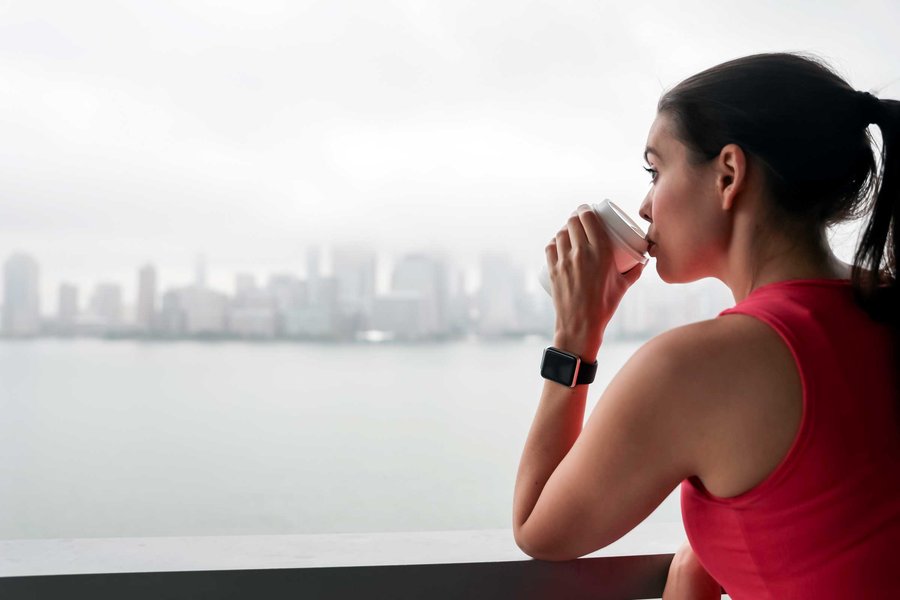
The timing of coffee intake relative to exercise can influence digestive responses.
Managing Your Morning Routine
While this is a common physiological response, if it's bothersome, there are strategies you can try to manage it:
- Adjust Timing: Try drinking your coffee earlier, allowing more time (e.g., 60-90 minutes) before your jog. Alternatively, try jogging before your coffee to see if separating these activities helps.
- Modify Coffee Intake:
- Consider a smaller amount of coffee.
- Experiment with decaffeinated coffee to see if caffeine is the primary trigger for you (though other compounds in coffee can still have an effect).
- Pay attention to what you add to your coffee (milk, sweeteners), as these can also play a role.
- Dietary Considerations:
- Avoid eating a large meal right before your coffee and jog.
- Ensure you are adequately hydrated, as dehydration can sometimes worsen GI issues.
- Be mindful of high-fiber, fatty, or spicy foods consumed the night before or in the morning, as these can also affect bowel movements.
- Exercise Modifications: While your jog is short, if symptoms are very problematic, you could experiment with even lower intensity activity or a different type of exercise to see if it makes a difference.
- Listen to Your Body: Pay attention to how different adjustments affect you. What works for one person might not work for another.
When to Consult a Healthcare Professional
Usually, this phenomenon is not a cause for medical concern. However, you should consult a doctor if you experience:
- Persistent, severe abdominal pain or cramping.
- Blood in your stool.
- Signs of dehydration (e.g., extreme thirst, dark urine, dizziness).
- Unexplained weight loss.
- If the loose stools are very frequent, disrupt your daily life significantly, or last for more than 48 hours without improvement.
A healthcare provider can help rule out underlying conditions such as Irritable Bowel Syndrome (IBS), food intolerances, or other gastrointestinal issues.
Frequently Asked Questions (FAQ)
Is it normal to experience this after coffee and jogging?
Yes, it's quite common. The combination of coffee's stimulant effects on the gut and the physical impact of jogging often leads to increased bowel motility and looser stools. Many runners and active individuals report similar experiences, often referred to as "runner's trots."
Can I still drink coffee and jog if this happens?
Absolutely, as long as the symptoms are manageable and not causing significant discomfort, dehydration, or other health issues. You might want to experiment with the timing of your coffee and jog, or the amount of coffee, to find a routine that minimizes the effect if it's bothersome.
Would switching to decaffeinated coffee help?
It might. Caffeine is a major stimulant, so removing it could lessen the effect. However, coffee contains other compounds (like acids and melanoidins) that can also stimulate the digestive system, so decaf coffee might still have some effect, albeit potentially milder. It's worth trying to see if it makes a difference for you.
Does what I eat before my coffee and jog make a difference?
Yes, it can. Eating a large meal, or foods high in fat, fiber, or known to cause gas, shortly before your coffee and jog could exacerbate the symptoms. Some people find having a small, easily digestible snack (like a banana) before coffee can help, while others prefer to exercise on an empty stomach. Experimentation is key to finding what works best for your system.
Recommended Further Exploration
- Investigate the detailed mechanisms of the gastrocolic reflex and its common triggers.
- Explore dietary strategies for athletes to minimize gastrointestinal distress during exercise.
- Learn about the differential impacts of various caffeinated beverages on the digestive system.
- Discover comprehensive management techniques for exercise-induced gastrointestinal symptoms in athletes.
References
Last updated May 19, 2025