
Strategizing for Success: Crafting Your School's Cognia Root Cause Analysis Response
A teacher's guide to developing impactful ideas for student performance, stakeholder engagement, and physical infrastructure analysis.
Navigating the requirements for Cognia accreditation involves deep reflection on your school's practices. As you attend the mandatory training sessions, the task of preparing two root cause analysis (RCA) schemes can seem daunting. This guide provides a structured approach to help you formulate a comprehensive email response, offering thoughtful ideas for analysis across student performance, stakeholder engagement, and physical infrastructure. These suggestions aim to cover both areas of strength and opportunities for growth, empowering you to contribute meaningfully to this important process.
Key Insights for Your RCA Brainstorm
- Embrace a Dual Focus: Your root cause analyses can highlight both commendable successes (positive outcomes) and areas ripe for development (needing improvement), providing a balanced view of your school's operations.
- Collaborative Input is Crucial: Soliciting observations and ideas from your colleagues will enrich the analyses, ensuring a multifaceted perspective on the chosen topics.
- Structure for Clarity: Presenting distinct ideas for each of the three Cognia-mandated areas—student performance, stakeholder engagement, and physical infrastructure—will ensure comprehensive coverage.
Crafting Your Collaborative Email: Ideas for Cognia's Root Cause Analysis
Below is a suggested framework for your email reply. It incorporates your attendance at the Cognia training, outlines potential RCA ideas, and invites collaboration from your colleagues. Remember to personalize it with specific details relevant to your school.
Subject: Ideas for Cognia Root Cause Analysis Schemes - Seeking Your Input
Hi team,
Thank you for the opportunity to contribute to our upcoming Cognia submission. As you know, I'm currently participating in the three mandatory, live (remote) Cognia training sessions, which run through Wednesday. These sessions have been quite insightful, particularly regarding the requirement for our school to develop and submit two root cause analysis (RCA) schemes by the end of May.
The trainers emphasized that these analyses should focus on:
- Student Performance
- Stakeholder Engagement
- Physical Infrastructure
Importantly, each RCA can delve into an area where we are excelling (a positive outcome) or an area that presents opportunities for improvement, similar to the example provided for student performance challenges.
To get the ball rolling and ensure we capture a wide range of perspectives, I've brainstormed some initial thoughts based on my observations. I would greatly appreciate your feedback, additional ideas, or any specific instances you've noticed that are working well or could be enhanced. Your insights are invaluable as we aim to formulate impactful analyses.
Initial Ideas for Root Cause Analysis Schemes:
1. Student Performance

Classroom environment conducive to active student learning and performance.
-
Positive Outcome Idea: Success in Differentiated Small-Group Instruction
Observed Symptom: Consistently strong student understanding and application of concepts following teacher-led small-group sessions, evidenced by improved assessment scores and active classroom participation. This might be particularly true when teachers are assigned to instruct based on their strongest standards.
Potential Root Causes to Explore: Targeted instruction based on diagnostic data, strong teacher expertise in specific standards, frequent formative assessment within small groups, high student-teacher interaction, personalized feedback, collaborative planning among teachers.
-
Area for Improvement Idea: Inconsistent Student Engagement in Asynchronous Learning Modules
Observed Symptom: A noticeable decline in completion rates and quality of work for independent asynchronous learning modules, especially in subjects requiring sustained self-directed study (e.g., complex problem-solving, advanced reading comprehension).
Potential Root Causes to Explore: Lack of immediate feedback loops, varying digital literacy levels or home technology access, perceived irrelevance of tasks to broader learning goals, insufficient scaffolding for independent work, environmental distractions at home.
2. Stakeholder Engagement

Collaboration among various stakeholders is key to school community strength.
-
Positive Outcome Idea: Successful Community Partnerships for After-School Enrichment
Observed Symptom: Thriving partnerships with local community organizations providing diverse after-school programs (e.g., tutoring, arts, sports), leading to high student participation and positive feedback from students and parents.
Potential Root Causes to Explore: Dedicated staff liaison for partner relationships, clear mutual benefits for school and organizations, programming tailored to student interests and community needs, effective communication about programs, strong community volunteer support.
-
Area for Improvement Idea: Low Parent Participation in School Governance Meetings
Observed Symptom: Consistently low attendance at PTA/PTO or school improvement committee meetings despite various communication efforts, limiting diverse parental perspectives in decision-making.
Potential Root Causes to Explore: Inconvenient meeting times/formats, perceived lack of influence on decisions, communication barriers (language, preferred channels), childcare or transportation challenges for in-person events, meeting agendas not resonating with immediate parent concerns.
3. Physical Infrastructure
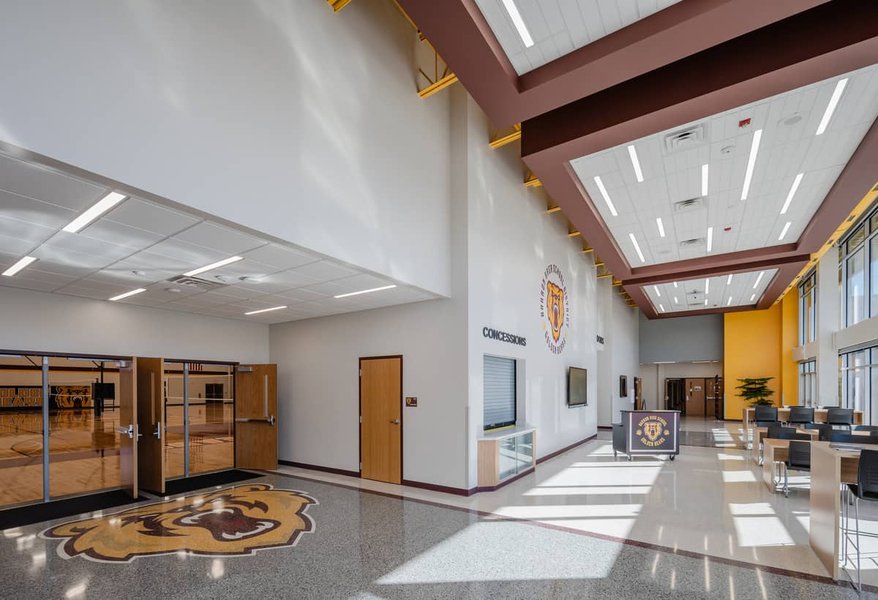
Well-designed physical infrastructure supports a positive learning environment.
-
Positive Outcome Idea: Well-Maintained and Accessible Outdoor Learning Spaces
Observed Symptom: Consistent use of school outdoor spaces (e.g., garden, nature trail, outdoor classroom) by teachers across subjects, showing regular upkeep and promoting hands-on learning.
Potential Root Causes to Explore: Dedicated maintenance staff or volunteer group, integration into curriculum planning, accessibility features for all students, community involvement in development, clear guidelines for use.
-
Area for Improvement Idea: Inadequate or Outdated Classroom Technology
Observed Symptom: Frequent technical issues with classroom technology (e.g., aging interactive whiteboards, slow internet), disrupting lessons and limiting digital resource use.
Potential Root Causes to Explore: Insufficient budget for technology upgrades/maintenance, lack of a clear technology refresh cycle, limited IT support response time, absence of comprehensive tech training for staff, rapid advancements outpacing school's ability to adapt.
These are just starting points, and I'm eager to hear your thoughts, experiences, and any other areas you believe warrant exploration for our Cognia RCAs. Please feel free to share any observations—big or small—by [suggest a reply-by date, e.g., end of next week] so we can begin collating ideas.
Let's work together to prepare strong, insightful analyses by the end of May deadline.
Best regards,
[Your Name]
[Your Position]
Visualizing Potential RCA Focus Areas
A root cause analysis requires careful consideration of various factors. The radar chart below offers a comparative view of hypothetical RCA topics across dimensions like potential impact, data availability, complexity, and urgency. This can help in prioritizing which areas might yield the most valuable insights or actionable improvements for your school's Cognia submission.
Mapping the Landscape of School Improvement
Understanding the interconnectedness of various school elements is vital for effective root cause analysis. The mindmap below illustrates how student performance, stakeholder engagement, and physical infrastructure are linked, and how both positive aspects and areas for improvement can be explored within each domain. This visual representation can help organize thoughts and ensure a holistic approach to your Cognia submission.
Deeper Dive into RCA Topic Selection
Choosing the right topics for your root cause analysis schemes is crucial. The table below provides a structured overview of potential areas, categorized by focus (Positive Outcome or Area for Improvement), along with examples of observed symptoms, potential root causes to investigate, and the relevance of addressing each. This can serve as a practical tool for discussion and selection with your colleagues.
| Area of Focus | Type of Analysis | Potential Topic Example | Observed Symptom(s) | Potential Root Causes to Explore | Relevance / Why This Matters |
|---|---|---|---|---|---|
| Student Performance | Positive Outcome | High Success in Differentiated Small-Group Instruction | Improved assessment scores, increased classroom participation in targeted groups. | Targeted instruction, teacher expertise, formative assessment, high student-teacher interaction, collaborative planning. | Highlights effective instructional strategy for replication and student growth. |
| Student Performance | Area for Improvement | Inconsistent Student Engagement in Asynchronous Learning | Low completion rates, varied quality of independent work in online modules. | Lack of immediate feedback, digital literacy gaps, perceived irrelevance, insufficient scaffolding, home distractions. | Crucial for equitable access and mastery in blended learning environments. |
| Stakeholder Engagement | Positive Outcome | Successful Community Partnerships for Enrichment | High student participation in diverse after-school programs, positive parent feedback. | Dedicated liaison, mutual benefits, responsive programming, effective communication, strong volunteer support. | Demonstrates effective collaboration, enhancing student experience and resources. |
| Stakeholder Engagement | Area for Improvement | Low Parent Participation in School Governance | Poor attendance at PTA/PTO or school improvement meetings. | Inconvenient timing, perceived lack of impact, communication barriers, childcare/transport issues, agenda relevance. | Robust parent engagement is vital for a supportive community and responsive planning. |
| Physical Infrastructure | Positive Outcome | Well-Maintained Outdoor Learning Spaces | Frequent, effective use of school gardens, nature trails, or outdoor classrooms. | Dedicated maintenance, curriculum integration, accessibility, community involvement, clear usage guidelines. | Supports diverse learning environments, student well-being, and pedagogical innovation. |
| Physical Infrastructure | Area for Improvement | Outdated Classroom Technology | Frequent tech issues, lesson disruptions, limited use of digital tools. | Budget constraints, no refresh cycle, slow IT support, lack of teacher training, rapid tech advancements. | Reliable technology is fundamental for modern instruction and student engagement. |
Learning from Best Practices: Root Cause Analysis in Education
Understanding the methodologies and practical applications of root cause analysis can significantly enhance the quality of your school's submission. The following video provides valuable insights into how RCA is used to inform school improvement planning, offering perspectives that can guide your team's efforts. Watching this can help contextualize the task and inspire effective strategies for identifying and addressing the true underlying causes of various outcomes in your educational setting.
This webinar discusses using root cause analysis to inform school improvement planning, directly aligning with the task at hand. It can offer practical examples and frameworks that are beneficial for developing your Cognia schemes.
Frequently Asked Questions (FAQ)
What is a root cause analysis (RCA) in the context of school improvement?
Why is it important to analyze both positive outcomes and areas needing improvement?
How detailed should our root cause analysis schemes be for the Cognia submission?
Who should be involved in developing the root cause analysis schemes?
Conclusion
Responding to the request for Cognia root cause analysis schemes is an excellent opportunity to contribute to your school's continuous improvement journey. By thoughtfully considering areas of student performance, stakeholder engagement, and physical infrastructure—both strengths and weaknesses—you can help formulate analyses that are insightful and actionable. Remember to leverage the knowledge from your Cognia training, collaborate with your colleagues, and use data and specific observations to support your ideas. Your proactive involvement will be instrumental in developing meaningful submissions that can genuinely benefit your school community.
Recommended
- What are effective methods for conducting root cause analysis in K-12 schools?
- How can schools best measure and improve stakeholder engagement with parents and the community?
- What are examples of successful interventions to improve student performance in specific academic areas?
- How does physical school infrastructure impact student learning and teacher effectiveness according to research?