
Cognitive Approaches to Understanding Phraseological Units in English
Exploring the Cognitive Foundations of Fixed Expressions
Key Takeaways
- Cognitive frameworks play a pivotal role in analyzing phraseological units
- Conceptual metaphors and image schemas underpin the meaning of fixed expressions
- Neural and cognitive processes influence the storage and retrieval of phraseological units
Introduction
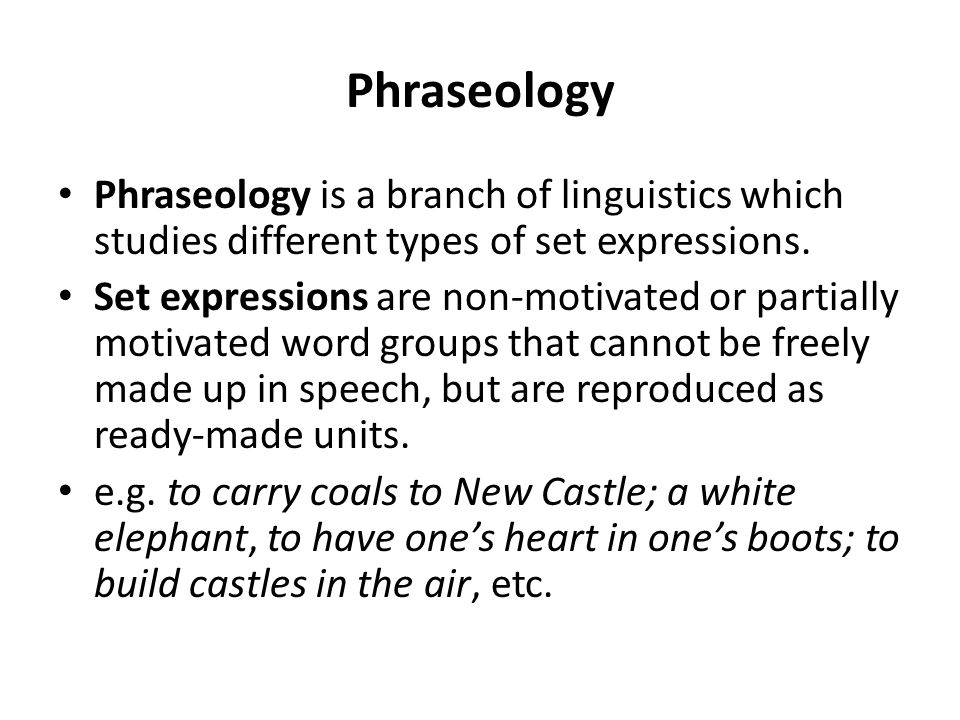
Phraseological units, encompassing idioms, collocations, proverbs, and other fixed expressions, are integral components of the English language. Understanding these units through cognitive approaches provides profound insights into how they are processed, stored, and utilized by speakers. Cognitive linguistics explores the mental processes and conceptual structures that underpin language use, offering a framework to analyze the complexities of phraseological units beyond their surface-level compositional meanings.
Cognitive Theories in Phraseology
Conceptual Metaphor Theory
Conceptual Metaphor Theory posits that metaphorical mappings between different conceptual domains are fundamental to understanding phraseological units. For instance, the idiom "kick the bucket" metaphorically maps the abstract concept of death onto a physical action, thereby shaping how speakers comprehend and convey this event. This theory highlights that many fixed expressions are not arbitrary but are systematically motivated by underlying metaphorical structures that reflect human cognition and perception.
Image Schemas and Cognitive Structuring
Image schemas are recurring patterns of sensory-motor experiences that form the foundational structures of human cognition. In phraseological units, image schemas such as CONTAINER, PATH, and FORCE provide a scaffold for understanding abstract concepts through concrete experiences. For example, "think outside the box" employs the CONTAINER schema to conceptualize creative thinking beyond conventional boundaries. Cognitive structuring emphasizes that phraseological units function as pre-fabricated chunks, facilitating efficient language processing and reducing cognitive load during communication.
Construction Grammar
Construction Grammar views linguistic knowledge as an inventory of form-meaning pairings, including not only individual words but also larger patterned units like phraseological expressions. Within this framework, phraseological units are considered constructions with conventionalized usage, meaning their interpretative force is derived not only from their constituent parts but also from the specific patterns they follow. This perspective accounts for the idiosyncratic meanings and variability observed in fixed expressions, acknowledging that their meanings are shaped by both linguistic form and usage contexts.
Usage-Based Models
Usage-Based Models argue that language structure emerges from repeated exposure and frequency of use. Phraseological units become entrenched in cognitive memory through frequent exposure, influencing how these expressions are processed and retrieved by speakers. Corpus studies support the idea that high-frequency expressions are stored and accessed more efficiently, leading to specialized processing pathways. This model underscores the importance of linguistic experience in shaping the mental representations of phraseological units.
Embodiment and Experiential Grounding
The embodiment perspective in cognitive linguistics emphasizes that language is deeply intertwined with bodily experiences. Phraseological units often reflect sensorimotor experiences, grounding abstract concepts in physical interactions with the world. Expressions like "grasping the concept" metaphorically link intellectual processes to the concrete action of grasping, thereby making abstract ideas more tangible and relatable. This grounding in physical experience facilitates the cognitive processing and retention of fixed expressions.
Mental Representations and the Mental Lexicon
Within cognitive approaches, phraseological units are stored as holistic entities in the mental lexicon rather than being decomposed into individual words. This holistic storage enables faster retrieval and more fluent language production, as fixed expressions can be accessed as single units without the need for parsing each constituent word. The organization of the mental lexicon reflects the cognitive structuring of language, where frequently co-occurring words are grouped into "chunks" or constructions that streamline communication and comprehension.
Cultural and Cognitive Aspects
Phraseological units are not only linguistic phenomena but also cultural artifacts that reflect the cognitive patterns and cultural values of a language community. These expressions often carry cultural significance and embody unique cognitive frameworks that are specific to a particular society. Understanding the cultural context is essential for interpreting the meanings and usages of fixed expressions, as they often encapsulate culturally shared experiences, beliefs, and worldviews.
Cognitive Functions of Phraseological Units
Communicative Function
Phraseological units serve as efficient communicative tools, facilitating the mutual exchange of information and reinforcing cultural identity. By using fixed expressions, speakers can convey complex ideas succinctly and with shared cultural references, enhancing the effectiveness of communication and fostering a sense of belonging within a language community.
Cognitive Function
These units reflect the socially determined perception of real-world objects, mediating cognition through shared consciousness. Phraseological expressions contribute to the cognitive processes by organizing and structuring how information is conceptualized and recalled, relying on background knowledge that is collectively held within a society.
Pragmatic Function
Phraseological units influence the pragmatic orientation of communication by serving various functions such as stylistic enhancement, cumulative emphasis, directive purposes, evaluative judgments, and summarizing statements. These expressions can shape the tone, intent, and impact of a discourse, aligning with the speaker's communicative objectives and the contextual demands of the interaction.
Neural and Cognitive Processing
Research into the neural underpinnings of phraseological units indicates that processing idiomatic expressions engages different brain networks compared to literal language. Neuroimaging studies suggest that fixed expressions are stored and accessed through specialized cognitive and neural pathways, reflecting their routinized and entrenched nature in language processing. This distinction highlights that phraseological units are not merely lexical items but involve complex cognitive mechanisms that facilitate their storage, retrieval, and usage.
Learning and Acquisition
Cognitive approaches advocate for learning methods that align with natural language processing and storage mechanisms. Instead of relying solely on rote memorization, effective acquisition of phraseological units involves understanding the underlying cognitive structures and metaphorical mappings that generate these expressions. Teaching strategies that incorporate visual aids, contextual learning, and the exploration of conceptual metaphors can significantly enhance the mastery and fluency of fixed expressions in language learners.
Semantic Analysis
Semantic analysis within cognitive models examines phraseological units as complex structures where meaning is derived from conceptual operations rather than literal word meanings. This approach explores how metaphorical and figurative meanings are constructed through cognitive processes, revealing the intricate interplay between language form and meaning. Understanding these semantic structures provides deeper insights into how speakers interpret and use fixed expressions in various communicative contexts.
Cognitive Mechanisms in Phraseological Units
Metonymy and Metaphor
Metonymy and metaphor are key cognitive mechanisms that aid in the conceptualization of abstract concepts by mapping them onto concrete domains. For instance, the phrase "brainstorming session" employs a metaphorical image of a storm within the brain to symbolize intense idea generation. These mechanisms enable speakers to create vivid and memorable expressions that encapsulate complex ideas succinctly.
Conceptual Integration and Blending
Conceptual Integration Theory, also known as Blending Theory, describes how different conceptual contexts are merged to create novel meanings within phraseological units. This blending process facilitates the creation and understanding of fixed expressions by combining elements from various domains into coherent and meaningful constructs. Such integration underscores the creativity inherent in language use while maintaining cognitive coherence.
Role of Context and Pragmatics
Context and pragmatic factors are essential in shaping the meanings of phraseological units. The interpretation of fixed expressions often relies on contextual clues that activate specific frames or scripts stored in memory. This activation enables speakers and listeners to reconcile the literal components of an expression with its intended figurative meaning, ensuring effective communication and preventing misunderstandings.
HTML Table: Cognitive Theories and Their Application to Phraseological Units
| Cognitive Theory | Application to Phraseological Units |
|---|---|
| Conceptual Metaphor Theory | Explains how metaphors map abstract concepts to concrete actions, e.g., "kick the bucket" for death. |
| Image Schemas | Utilizes recurring sensory-motor patterns to conceptualize abstract ideas, e.g., "think outside the box." |
| Construction Grammar | Views fixed expressions as form-meaning pairings within an inventory of linguistic constructions. |
| Usage-Based Models | Emphasizes the role of frequency and exposure in the storage and retrieval of phraseological units. |
| Conceptual Integration Theory | Describes how different conceptual contexts are blended to create the meanings of fixed expressions. |
Conclusion
Cognitive approaches provide a comprehensive framework for understanding phraseological units in English by integrating linguistic, cognitive, and cultural dimensions. These approaches illuminate how fixed expressions are not merely arbitrary combinations of words but are deeply rooted in mental representations, conceptual metaphors, and experiential grounding. By exploring the cognitive mechanisms involved in the storage, retrieval, and processing of phraseological units, researchers and language educators can develop more effective strategies for language acquisition and teaching. Furthermore, recognizing the cultural and pragmatic functions of these units enhances our appreciation of their role in facilitating nuanced and efficient communication within linguistic communities.
References
Last updated February 12, 2025