
Navigating the College Transition: Insights for Incoming Freshman Boys
A Guide to Move-In Day, Academic Life, Social Connections, and Personal Growth
Key Highlights for Incoming College Freshmen
- Preparation is Paramount: Planning for move-in day with checklists and communication, and preparing for the academic rigor of college are crucial steps for a smooth transition.
- Embrace New Experiences: Getting involved on campus, seeking out diverse friendships, and exploring different academic subjects can significantly enrich the college experience.
- Prioritize Well-being and Responsibility: Effective time management, budgeting, maintaining healthy habits, and understanding that academic success is primarily your responsibility are fundamental for thriving in college.
Preparing for the College Journey: Before You Arrive
The transition to college is a significant milestone, filled with excitement and anticipation. For incoming freshman boys, understanding what to expect and how to prepare can make the experience less daunting and more rewarding. This guide offers comprehensive insights, drawing from various sources, to help navigate this new chapter, from move-in day logistics to academic and social adjustments.
Mastering College Move-In Day
College move-in day is often a whirlwind of activity. Being well-prepared can significantly reduce stress. Many colleges have organized move-in procedures with assigned time slots to manage the flow of students and families.
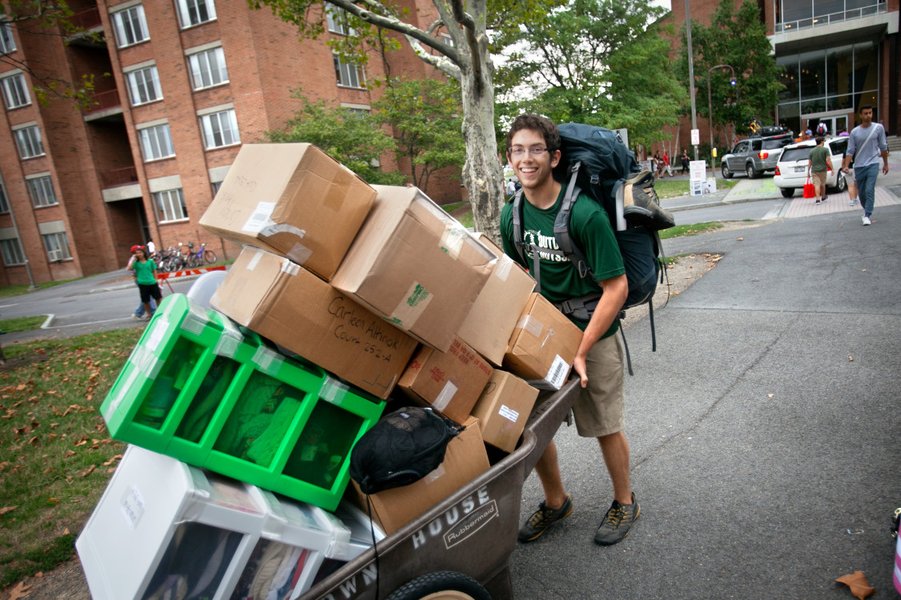 Students and families unloading belongings on college move-in day.
Essential Packing and Organization
Creating a detailed packing list is essential. Categorizing items by area (room items, bedding, desk supplies, toiletries, etc.) can make unpacking much more efficient. It's advisable to pack items in labeled boxes or bins. Coordinate with your roommate beforehand to avoid duplicating larger items like rugs or mini-fridges. Consider shipping some items directly to the college or a local storage facility to ease the burden on move-in day.
Essential dorm items often include bedding (check dorm bed size!), towels, toiletries, desk lamp, study supplies, storage solutions, and potentially a fan, especially if moving in during warmer months. It's also a good idea to have some basic cleaning supplies readily accessible.
 College student carrying boxes to a dorm room.
What to Expect on Move-In Day
Move-in day can take anywhere from a couple of hours to half a day or longer, depending on the college's process and how much you bring. Many colleges have volunteers, often including resident assistants (RAs) and other students, to help unload vehicles and carry belongings to the dorm room. Be prepared for potential waiting times, especially for dollies or carts.
It's important to be patient and flexible. The day can be emotional for both students and parents. Focus on getting the essential items into the room first, and don't feel pressured to unpack and set everything up immediately. Allow time to say goodbye to family and begin to familiarize yourself with your new surroundings.
Academic Preparedness
College-level academics are often more challenging than high school. Being prepared for the increased workload and different learning environment is vital for success.
Understanding the Syllabus
The first day of class typically involves reviewing the syllabus. This document is your roadmap for the semester, outlining important deadlines, assignments, grading policies, and professor contact information and office hours. Pay close attention to the syllabus and keep it accessible.
Developing Effective Study Habits
Time management is crucial in college. Develop a study schedule and find a dedicated place to study that minimizes distractions. Utilize campus resources like the library, tutoring centers, and writing labs if you need assistance with coursework. Don't be afraid to ask for help from professors or teaching assistants during office hours.
Here's a table summarizing key aspects of preparing for college:
| Area of Preparation | Key Actions | Why it's Important |
|---|---|---|
| Move-In Day | Create a packing list, coordinate with roommate, label boxes, consider shipping items. | Reduces stress, makes unpacking efficient, avoids duplicate items. |
| Academic Life | Review syllabus carefully, develop study schedule, utilize campus resources, attend office hours. | Understand course expectations, manage workload effectively, seek help when needed. |
| Social Adjustment | Attend orientation events, get involved in clubs/organizations, be open to meeting new people. | Build relationships, find your community, explore interests. |
| Personal Well-being | Establish routines, manage finances, prioritize sleep and healthy habits, stay in touch with family/friends. | Maintain physical and mental health, develop independence, manage stress. |
Thriving in College: Beyond the First Day
The initial days and weeks of college can feel like a whirlwind. It's a period of significant adjustment, and it's normal to feel a mix of excitement and uneasiness. The key to thriving is to embrace the new environment, build connections, and take responsibility for your academic and personal life.
 Students walking on a college campus.
Building Connections and Social Life
College is a prime opportunity to meet new people and form lasting friendships. Attending orientation events is a great way to start. Be open to getting to know your roommate and others in your residence hall.
Getting Involved on Campus
Joining clubs, organizations, or intramural sports is an excellent way to connect with students who share your interests. This can help you find your community and feel more integrated into campus life. Don't be afraid to try new things and step outside your comfort zone.
Navigating Social Dynamics
Building solid relationships takes time. Choose friends who are supportive and encourage your growth. It's also important to maintain connections with friends and family from home, but also embrace the opportunity to build new relationships in your college environment. Finding a balance between social activities and academics is key.
Academic Success Strategies
While social life is important, academic success is the primary goal of college. Developing good habits early on will set you up for success throughout your college career.
Attending Classes and Engaging with Professors
Attending all your classes is fundamental. Engage with the material and participate in discussions. Take advantage of professor's office hours, even if you don't have a specific question about the coursework. Building relationships with your professors can be beneficial for academic guidance and future opportunities.
Managing Your Workload
College coursework often requires significant independent study. Break down large assignments into smaller, manageable tasks. Prioritize your workload and avoid procrastination. If you're struggling in a class, seek help from your professor, TA, or tutoring services promptly.
Personal Development and Well-being
College is a time of significant personal growth. Taking care of your physical and mental well-being is essential for a positive experience.
Financial Responsibility
Learning to manage your finances is an important part of college independence. Create a budget and track your spending. Be mindful of where your money is going and avoid unnecessary expenses. If your parents are helping with finances, have open conversations about expectations and responsibilities.
Prioritizing Health and Wellness
Establish healthy routines that include sufficient sleep, balanced meals, and regular exercise. College can be stressful, so find healthy ways to manage stress, whether through hobbies, exercise, or talking to a counselor. Most colleges offer counseling services, which can be a valuable resource.
Dressing for College
While comfort is key, especially on move-in day and for daily classes, consider putting some thought into your outfits. Simple, versatile pieces like t-shirts, jeans or chinos, and comfortable sneakers are staples. Having a few slightly dressier options for social events or presentations can also be helpful. The key is to feel confident and comfortable in what you wear.
 Students moving belongings out of a dorm room.
Frequently Asked Questions
What should I do if I feel homesick?
Feeling homesick is a common experience for college freshmen. It's important to acknowledge these feelings and talk to someone you trust, whether it's a family member, friend, RA, or counselor. Get involved on campus and focus on building new connections to help feel more settled in your new environment.
How can I make friends in college?
Be open to meeting new people in your classes, dorm, and through campus activities. Attend social events and introduce yourself to others. Join clubs or organizations that align with your interests. Building friendships takes time, so be patient and persistent.
What's the best way to manage my time with classes, studying, and social activities?
Create a schedule that allocates time for classes, studying, extracurriculars, and social activities. Use a planner or calendar to keep track of assignments and deadlines. Prioritize tasks and avoid overscheduling yourself. Be flexible and adjust your schedule as needed, but try to stick to a routine.
Should I bring everything I own to college?
No, it's generally not necessary or advisable to bring everything you own. Dorm rooms are typically small, and you'll need to share the space with a roommate. Focus on bringing essential items and things that will make your dorm room feel like home. You can always acquire additional items later if needed.
What if I'm struggling with my classes?
If you're struggling academically, don't wait to seek help. Talk to your professor or TA during office hours. Utilize campus resources like tutoring centers and academic advisors. Forming study groups with classmates can also be beneficial.
References
Last updated May 6, 2025