
Will Humans Colonize Mars?
Exploring the possibilities and challenges of establishing a human presence on the Red Planet
Key Takeaways
- Active efforts by NASA, SpaceX, and other organizations are underway to make Mars colonization a reality.
- Significant technological, environmental, economic, and ethical challenges must be overcome.
- While initial human missions may occur within the next few decades, large-scale, self-sustaining colonies require extensive advancements and cooperation.
Introduction
The aspiration to colonize Mars has captured the imagination of scientists, engineers, visionaries, and the general public for decades. Mars, often referred to as the Red Planet, represents humanity's next frontier in space exploration and the potential establishment of a second home beyond Earth. The pursuit of Mars colonization is driven by a combination of scientific curiosity, the desire to ensure the long-term survival of the human species, and the quest for technological innovation. This comprehensive analysis delves into the multifaceted aspects of colonizing Mars, examining the current efforts, challenges, motivations, and the feasibility of establishing a permanent human presence on the planet.
Technological Advancements and Efforts
NASA's Initiatives
NASA has been at the forefront of planning and preparing for human missions to Mars. The agency's Perseverance rover, which landed on Mars in 2021, is not only conducting scientific research but also testing technologies essential for future human exploration. One of the significant experiments involves producing oxygen from the Martian atmosphere, a process known as In-Situ Resource Utilization (ISRU). This capability is crucial for sustaining human life and generating fuel for return missions.
Moreover, NASA has been conducting simulated Mars missions on Earth to better understand the challenges of living on the Red Planet. These simulations involve extended periods of isolation, limited resources, and extreme environmental conditions, providing valuable data on human endurance and the functionality of life support systems in Mars-like settings.
SpaceX's Mars Colonization Plan
SpaceX, under the leadership of Elon Musk, has emerged as a pivotal player in the ambition to colonize Mars. The company's flagship spacecraft, Starship, is being developed specifically for interplanetary travel. SpaceX envisions launching the first crewed missions to Mars in the 2020s, with the ultimate goal of establishing a self-sustaining city on the planet by 2050. This ambitious plan includes transporting up to a million settlers to Mars, constructing habitats, and developing the necessary infrastructure for long-term survival.
SpaceX is also researching various aspects of Martian life, from habitat design to the feasibility of human reproduction in the Martian environment. The company's iterative approach to rocket development, emphasizing rapid prototyping and testing, aims to accelerate the timelines for achieving the technical milestones necessary for colonization.
Other Private and Public Efforts
Beyond NASA and SpaceX, numerous other entities are contributing to the Mars colonization discourse. Private companies and international space agencies are exploring innovative technologies and strategies to overcome the challenges posed by Mars. For instance, the United Arab Emirates has outlined a vision to establish a Martian city with a population of 600,000 by 2117. Additionally, collaborative efforts among countries are being considered to pool resources and expertise, enhancing the feasibility of large-scale missions.
The broader scientific community continues to engage in discussions about the sustainability and ethics of colonizing another planet. Research institutions are focusing on solving critical issues such as life support systems, resource extraction, and habitat construction, which are fundamental to the success of any long-term settlement.
Environmental Challenges on Mars
Atmospheric Conditions
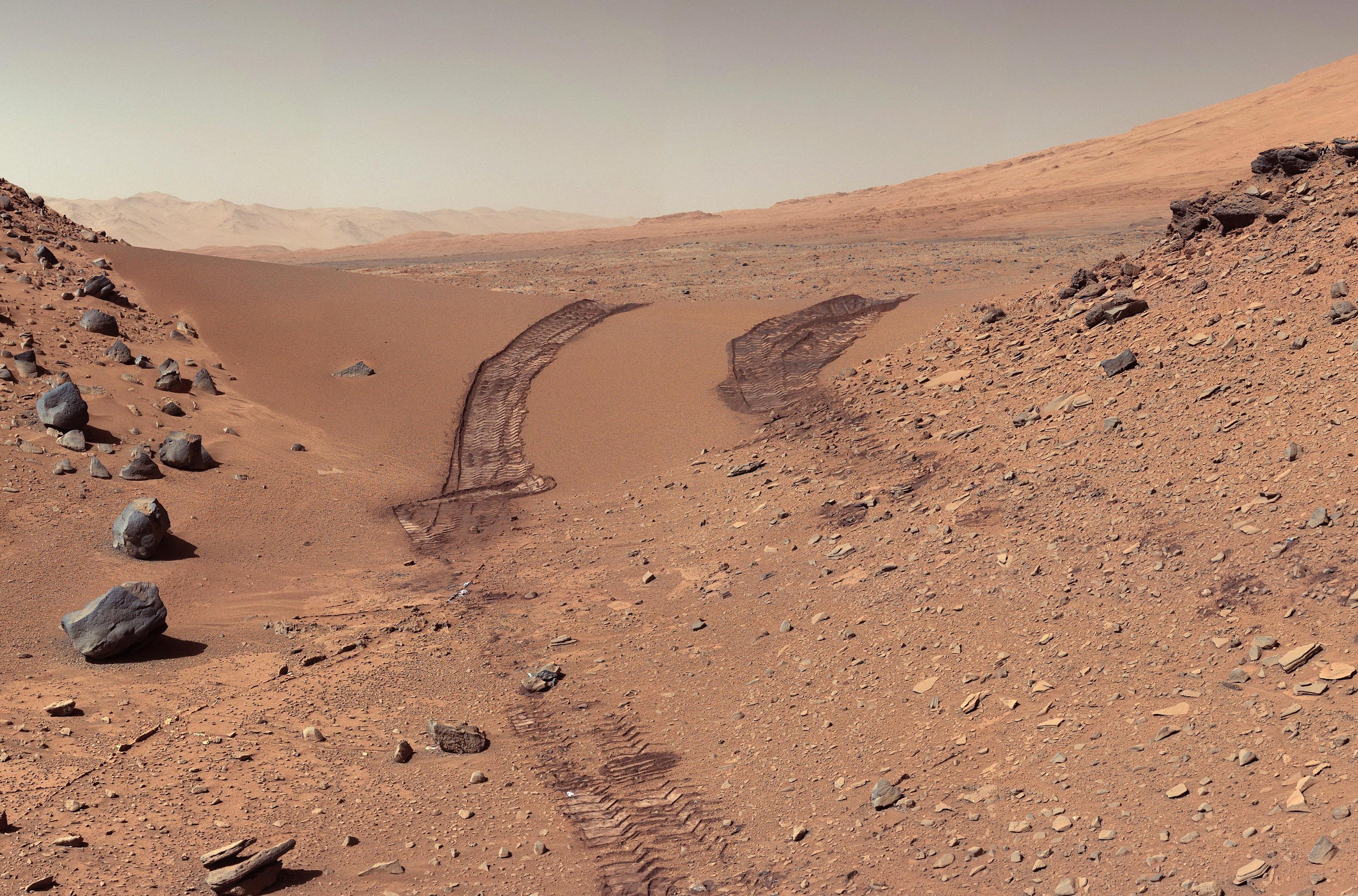
Mars presents an array of environmental challenges that make colonization a formidable task. The planet's atmosphere is composed primarily of carbon dioxide, accounting for about 95% of its composition, with only trace amounts of oxygen available for human respiration. The thin atmosphere, with a surface pressure less than 1% of Earth's, complicates the design of habitats and life support systems necessary to sustain human life.
Additionally, the lack of a substantial magnetic field exposes the Martian surface to higher levels of cosmic radiation, which poses severe health risks, including increased chances of cancer and other radiation-induced ailments. Effective radiation shielding and protective measures are critical components of any colonization effort.
Radiation Exposure
The Martian surface experiences intense radiation levels due to the thin atmosphere and absence of a global magnetic field. This exposure is significantly higher than what humans encounter on Earth, where the atmosphere and magnetic field provide substantial protection. Prolonged exposure to cosmic rays and solar radiation can have deleterious effects on human health, including acute radiation sickness, increased cancer risk, and potential damage to the central nervous system.
Addressing radiation protection is a paramount concern for Mars colonization. Potential solutions include constructing habitats with thick shielding using Martian regolith, developing advanced personal protective equipment, and exploring the possibility of utilizing underground structures to mitigate exposure.
Temperature Extremes and Dust Storms
Mars is characterized by extreme temperature fluctuations, with daytime temperatures near the equator rising to about 20°C (68°F) and plummeting to -73°C (-100°F) at night. These temperature swings pose significant challenges for maintaining habitable environments and ensuring the reliability of life support systems.
Furthermore, Mars is prone to massive dust storms that can envelop the entire planet, lasting for weeks or even months. These storms can obscure solar panels, block sunlight, and potentially damage equipment, making them a recurring threat to any ongoing or future missions. Mitigating the impact of dust storms requires robust engineering solutions and contingency planning to ensure the resilience of Martian infrastructure.
Economic and Political Factors
Funding Requirements
Colonizing Mars demands an unprecedented level of financial investment. The costs associated with developing the necessary technology, launching missions, constructing habitats, and sustaining human life on Mars are astronomical. Estimates suggest that establishing a self-sustaining colony could require trillions of dollars over several decades.
Securing sustained funding from governmental budgets, private investments, and international partnerships is a significant hurdle. The allocation of resources towards Mars colonization must contend with competing priorities on Earth, such as addressing climate change, poverty, and global health issues. Demonstrating the tangible benefits and potential returns on investment of Mars colonization is essential for garnering the necessary financial support.
International Cooperation
Successful colonization of Mars is likely to be an international endeavor, requiring collaboration among multiple nations and organizations. Shared expertise, resources, and technological advancements can enhance the feasibility of missions and distribute the financial burden. International partnerships can also foster diplomatic relations and promote peaceful cooperation in space exploration.
However, achieving such cooperation involves navigating complex geopolitical landscapes, aligning different countries' interests and objectives, and establishing agreements on governance, resource allocation, and conflict resolution in space. Overcoming these challenges is crucial for the cohesive and coordinated efforts needed to realize the vision of a Martian colony.
Ethical and Societal Considerations
Planetary Protection
One of the foremost ethical considerations in Mars colonization is planetary protection, which involves preventing biological contamination of Mars by Earth organisms. Introducing terrestrial life forms to Mars could disrupt potential native ecosystems, hinder scientific investigations, and pose biosafety risks. Adhering to stringent sterilization protocols and developing biosecurity measures are essential to preserve Mars' natural state and avoid unintended ecological impacts.
Rights and Sustainability of Colonists
The establishment of human settlements on Mars raises important questions about the rights and well-being of the colonists. Issues such as governance, ownership of land and resources, labor conditions, and the provision of essential services must be addressed. Ensuring that colonists have access to fair treatment, healthcare, education, and opportunities for personal and professional growth is vital for the long-term sustainability and ethical integrity of the colony.
Moreover, the sustainability of Mars settlements hinges on developing self-sufficient systems for food production, water supply, energy generation, and waste management. Creating closed-loop ecosystems and harnessing local resources are critical strategies for minimizing dependence on Earth and ensuring the viability of life on Mars.
Timeline and Predictions
Optimistic vs. Conservative Estimates
Experts and organizations offer a wide range of predictions regarding the timeline for human colonization of Mars. These estimates vary based on technological advancements, funding availability, and the resolution of existing challenges.
Projected Timelines
| Organization | Estimated Timeline | Population Goal |
|---|---|---|
| SpaceX | By 2050 | 1 Million Settlers |
| NASA | 2030s to 2040s | Initial Crewed Missions |
| United Arab Emirates | By 2117 | 600,000-Person Martian City |
| Scientific Community | 50-100 Years | Substantial Settlement |
This table illustrates a spectrum of projections, highlighting the ambitious goals set by private entities like SpaceX and more conservative timelines proposed by various scientific groups. The disparity in these estimates underscores the uncertainty and complexity surrounding the endeavor of Mars colonization.
Factors Influencing the Timeline
The timeline for colonizing Mars is contingent upon several interrelated factors:
- Technological Breakthroughs: Rapid advancements in propulsion systems, life support technologies, habitat construction, and resource utilization are necessary to meet ambitious timelines.
- Funding and Investment: Securing sustained financial support from both public and private sectors is crucial for maintaining momentum and scaling up missions.
- Policy and Regulation: Developing comprehensive space policies, international agreements, and regulatory frameworks can facilitate cooperative efforts and streamline mission protocols.
- Public Support and Perception: Maintaining public interest and support can influence political will and funding allocations, directly impacting mission trajectories.
Feasibility and Future Prospects
Current Status of Mars Missions
As of the knowledge cutoff in February 2025, no crewed missions have yet landed on Mars. However, robotic missions continue to pave the way for human exploration by providing valuable data on the planet's geology, climate, and potential resources. Technologies tested by these missions, such as ISRU and habitat prototypes, are critical stepping stones towards eventual human settlement.
Organizations like NASA and SpaceX are making concerted efforts to develop the infrastructure necessary for human missions. NASA's Artemis program, for example, is focused on lunar exploration, which serves as a precursor to Mars missions by testing technologies and refining mission protocols in a relatively closer environment.
Challenges to Overcome
Several significant hurdles must be addressed to make Mars colonization feasible:
-
Life Support Systems: Developing reliable and sustainable systems for air, water, and food is essential. Innovations in closed-loop life support and agricultural technologies are imperative for long-term survival.
-
Resource Extraction and Production: Efficiently extracting and utilizing Martian resources can reduce dependence on Earth. This includes mining for water ice, metals, and other essential materials.
-
Radiation Protection: Implementing effective shielding and protective measures to safeguard colonists from harmful radiation is critical for health and safety.
-
Reproduction and Long-Term Human Health: Understanding and mitigating the effects of prolonged exposure to Martian conditions on human physiology is necessary for sustaining populations.
-
Psychological Challenges: Addressing the mental health implications of isolation, confinement, and living in an extreme environment is vital for the well-being of colonists.
-
Economic Costs: Balancing the enormous financial investment required with potential economic benefits is a persistent challenge.
Future Prospects
Looking forward, the prospects for Mars colonization hinge on the successful navigation of the aforementioned challenges. Continued investment in research and development, international collaboration, and adaptive policy frameworks will be instrumental in advancing towards the goal of establishing a human presence on Mars.
Technological innovations, such as advancements in propulsion systems and autonomous robotics, may accelerate the timeline by making missions more efficient and cost-effective. Additionally, breakthroughs in biotechnology and medicine could enhance the resilience and adaptability of humans in the Martian environment.
Conclusion
The colonization of Mars stands as one of humanity's most ambitious endeavors, characterized by both extraordinary potential and formidable challenges. Active efforts by NASA, SpaceX, and other organizations highlight a genuine intent to make Mars a second home for humans. However, realizing this vision requires overcoming significant technological, environmental, economic, and ethical barriers.
While initial human missions to Mars may materialize within the next few decades, establishing large-scale, self-sustaining colonies demands comprehensive advancements and unprecedented levels of international cooperation. The journey to colonizing Mars is not merely a technological quest but also a societal and ethical one, necessitating careful consideration of the impacts on both humanity and the Martian environment.
Ultimately, the success of Mars colonization will depend on our ability to innovate, collaborate, and sustain our efforts in the face of complex challenges. As we stand on the cusp of a new era in space exploration, the prospect of humans living on Mars remains a testament to our enduring spirit of discovery and resilience.
References
Last updated February 11, 2025